

Treatments for peripheral nerve injury differ depending on the root cause. Simple measures like soaking in warm water and maintaining regular physical activity can offer some symptom relief.
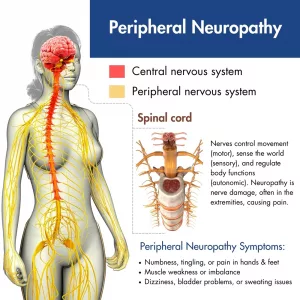
Peripheral neuropathy produces weakness, pain, and numbness in the limbs, most commonly affecting the hands and feet.
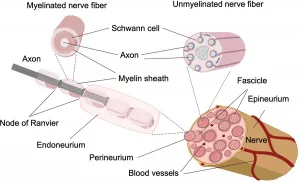
Your peripheral nerves transmit signals between the brain and spinal cord and the rest of the body. When these nerves are harmed, signal transmission is disrupted, which alters how you perceive pain, temperature, and other sensations.
Peripheral neuropathy often stems from injury to the peripheral nerves. Several factors can lead to this nerve damage:
- diabetes mellitus
- physical trauma
- chronic alcohol use
- infections
The onset of peripheral neuropathy symptoms may be abrupt or progress gradually over time.
Treatment approaches depend on the underlying cause. Many conventional and complementary therapies primarily aim to ease pain.
1. Vitamins and minerals
Certain forms of peripheral neuropathy are linked to deficiencies in vitamins or minerals. Consequently, supplementing specific nutrients may help manage or lessen some symptoms in these instances.
The most frequently reported deficiencies tied to peripheral neuropathy include:
- vitamin B12 (cobalamin)
- copper
- vitamin B1 (thiamine)
- vitamin E (tocopherol)
- vitamin B6 (pyridoxine)
These vitamins and minerals play vital roles in maintaining nerve integrity. Some studies also indicate that having either too low or too high levels of calcium and magnesium might be linked with peripheral neuropathy.
Always consult your physician before starting supplements so you can be tested and determine whether a deficiency is contributing to your symptoms and whether supplementation is appropriate.
2. Herbal remedies
Several herbs possess anti-inflammatory properties that may help reduce pain in some types of peripheral neuropathy, according to studies. Examples include:
- cayenne pepper (Capsicum annuum)
- tarragon (Artemisia dracunculus)
- turmeric (Curcuma longa)
- black cumin (Nigella sativa)
- holy basil (Ocimum sanctum)
- rosemary (Rosmarinus officinalis)
- sage (Salvia officinalis)
- cannabis (Cannabis sativa)
Cannabis disclaimer
The words “weed” and “marijuana” have historically racist origins and implications. For that reason, we prefer the scientific term “cannabis.”
Cannabis remains a Schedule I substance federally. Presently, thirty-eight states maintain comprehensive medical cannabis programs, while other states permit its use for certain medical indications under defined rules (refer to the linked site for details).
Some of the listed herbs are widely available, and they may be components of herbal formulations such as topical ointments.
Before trying any herbal product, check with your healthcare provider to ensure it’s suitable for you and won’t interact with any medications or health issues.
Essential oils
Another delivery method for some herbs is via essential oils. Certain oils may promote circulation, and many possess analgesic and anti-inflammatory properties that could assist recovery.
Further research is required to identify which oils clearly help neuropathy and to what degree. Nonetheless, some essential oils that may provide benefit include:
- eucalyptus (Eucalyptus globulus)
- lavender (Lavandula angustifolia)
- bergamot (Citrus bergamia)
- nutmeg (Myristica fragrans)
Always dilute essential oils—use a few drops per 1 ounce (oz) of carrier oil like olive oil. Applying the diluted blend to affected areas can help reduce burning, tingling, and stinging sensations from peripheral neuropathy.
Essential oils disclaimer
While some research points to potential health benefits of essential oils, the Food and Drug Administration (FDA) does not regulate their purity or quality.
Discuss any new products with a healthcare professional and investigate the brand thoroughly before use.
3. Quitting smoking
Tobacco use impairs circulation by narrowing blood vessels, reducing delivery of oxygen-rich blood. Poor circulation can worsen numbness and pain associated with peripheral neuropathy.
Stopping smoking can help improve symptoms and is a strong incentive to adopt healthier habits.
4. Warm bath
Sitting in a warm bath can be calming and may relieve neuropathic pain. Heat enhances circulation, which can diminish pain related to numbness.
There is evidence that warm saltwater baths might be especially helpful.
If your sensory nerves are compromised and you have reduced temperature sensitivity, take care not to make the water overly hot.
5. Exercise
Consistent physical activity can reduce pain and improve overall wellbeing. Exercise helps lower blood sugar, which in turn may slow or limit nerve damage.
Working out also increases blood flow to the arms and legs and alleviates stress—factors that help lessen discomfort and pain.
6. Meditation
Mindfulness and meditation practices may benefit people coping with neuropathy. They have been shown to reduce stress, enhance coping, and lower perceived pain intensity.
Adopting a mind–body strategy is a noninvasive way to gain greater control over symptoms.
7. Acupuncture
Acupuncture encourages the body’s natural healing by targeting specific pressure points.
This method prompts the nervous system to release chemicals that can alter pain perception and thresholds. Acupuncture aims to restore energy balance, which may also influence emotional wellbeing.
It could help reduce neuropathy-related pain, though additional research is necessary to clarify its overall efficacy.
Peripheral neuropathy symptoms
Symptoms of peripheral neuropathy depend on which nerves are damaged: the three main categories are motor, sensory, and autonomic nerves.
Motor nerves
Motor nerves carry signals from the brain to muscles, enabling movement.
If motor nerves are affected, symptoms may include:
- muscle weakness or wasting
- difficulty moving arms or legs
- muscle spasms or involuntary twitching
- reduced reflexes
Sensory nerves
Sensory nerves convey information from the body to the brain and enable sensation. When you feel cold or respond to a sharp object, sensory nerves are involved.
If sensory nerves are impaired, you may notice:
- tingling or numbness
- heightened sensitivity to touch
- diminished sensation
- inability to detect temperature changes or pain from heat and cold
- loss of reflexes and coordination

Autonomic nerves
Autonomic nerves regulate involuntary and semi-voluntary functions like blood pressure, heart rate, bladder control, and sweating.
If autonomic nerves are compromised, symptoms can include:
- nausea
- vomiting
- dizziness when standing or changing position
- excessive sweating
- loss of bowel or bladder control
- irregular heart rhythm
- difficulty swallowing
Frequently asked questions
What can be mistaken for peripheral neuropathy?
Conditions that may resemble peripheral neuropathy include radiculopathy, muscular dystrophy, amyotrophic lateral sclerosis (ALS), and spinal muscular atrophy (SMA).
What is the best thing to do for peripheral neuropathy?
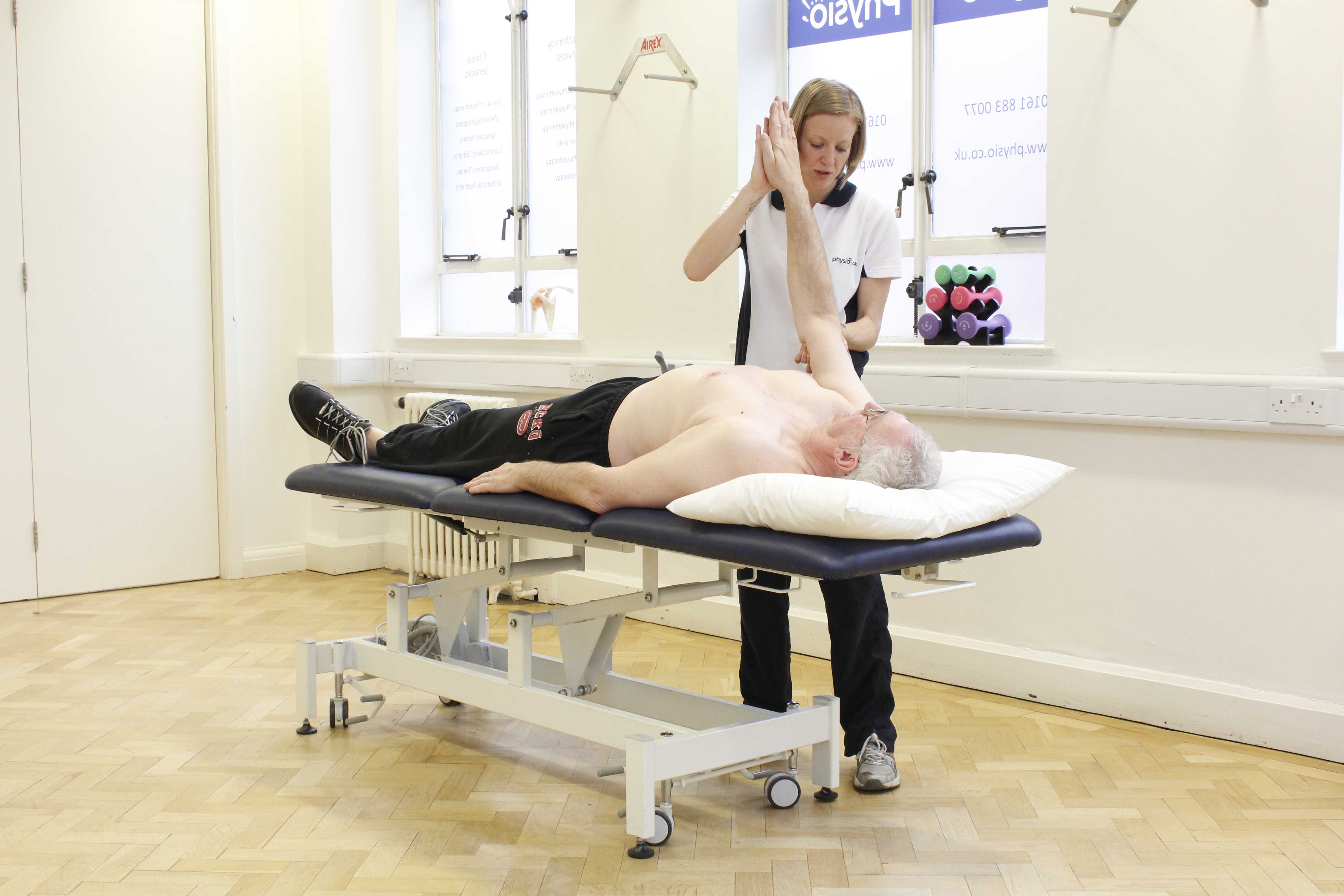
Treatment depends on the underlying cause. Common therapies include physical therapy, surgery, and procedures to relieve nerve compression. Other approaches aim to ease pain with over-the-counter analgesics like ibuprofen or aspirin.
There are also various natural strategies that can help reduce neuropathy symptoms.
What makes neuropathy worse?
Factors that can worsen peripheral neuropathy include smoking, excessive alcohol use, exposure to toxins, nutrient deficiencies, and hormonal imbalances.
Outlook
Prevention is far more effective than treatment. Keeping blood sugar within a healthy range helps prevent neuropathy from progressing. If alcohol is a contributing factor, stopping drinking can prevent further deterioration.
Natural therapies can help reduce neuropathic pain to some extent. Still, always consult your physician before starting any new treatment. If you notice new or worsening symptoms after trying a natural approach, seek medical attention promptly.


















Leave a Reply
You must be logged in to post a comment.