
Does it work?
For generations, people have turned to essential oils to address a range of ailments from headaches to indigestion. Lately, these concentrated plant extracts are regaining attention as more individuals explore nonconventional remedies.
Plant essential oils release aromas used in aromatherapy. They can also be applied topically when diluted with a carrier oil. Essential oils should not be ingested; some varieties can be toxic.
While most clinical evidence supports their use primarily for aromatherapy, there are limited reports suggesting additional benefits. Here’s what you should know about using essential oils to ease menstrual cramps.
What the research says
Essential oils are found in skincare items and some food products. They’re widely acknowledged as effective aromatherapy aids for reducing stress and anxiety. However, relatively few oils have robust clinical research backing their use as medical treatments beyond aromatherapy.
If you review the studies available, there is modest evidence supporting their use as complementary therapies. The following essential oils may help with menstrual cramps:
Lavender
Applying lavender oil as an aromatherapy massage oil can noticeably lessen pain and discomfort from menstrual cramps. In a 2012 study, nursing students used either lavender oil or a placebo paraffin product to test for benefits. Those who used lavender reported significantly reduced cramping.
Cinnamon
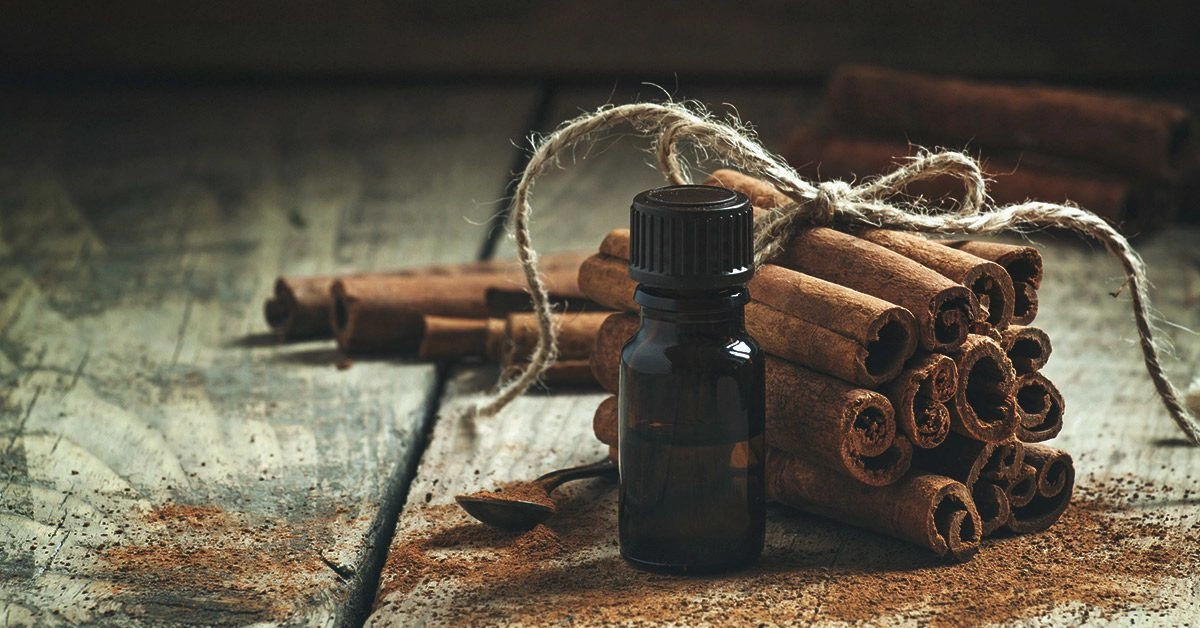
Best known as a culinary spice, cinnamon has long been used in traditional remedies. Cinnamon is thought to reduce bodily inflammation. Rubbing cinnamon essential oil onto the lower abdomen may help decrease inflammation and ease cramp symptoms.
Oil blends
Using a mixture of essential oils can also be effective. In one 2012 trial, researchers combined lavender, sage, and marjoram oils and blended them into an unscented cream.
Participants were told to massage the cream into their lower abdomen from the end of one period until the start of the next. Women using the essential oil cream reported less pain during menstruation compared with those using synthetic oils.
A 2013 study evaluated a blend of oils including:
- cinnamon
- clove
- rose
- lavender
These were mixed with almond oil. Participants massaged the oil mixture into their abdomens and reported reduced pain and lighter bleeding during menstruation compared with a placebo group.
How to use essential oils for menstrual cramps
If you want to try essential oils for menstrual cramps, topical massage is generally the preferred method. Mix a few drops of your chosen oil into a carrier oil.
Carrier oils are neutral oils that dilute the concentrated essential oils, making them easier and safer to apply during massage. Typical carrier oils include:
- coconut
- avocado
- almond
- extra-virgin olive
Gently massage a small amount onto your abdomen once daily for at least a week before your period is due.

Risks and warnings
Before applying an essential oil blend to your entire lower abdomen, test it on a small patch of skin. Wait at least 24 hours to see if a reaction occurs. If you notice irritation or discomfort, discontinue use. If no reaction appears, it is likely safe to use on the full area.
Although your healthcare provider may not be prescribing this approach, it’s wise to inform them about any alternative treatments you’re using. Complementary therapies can interact with prescribed medications. Keeping your doctor informed helps them monitor for interactions or complications.
Other treatments for menstrual cramps
The most commonly recommended options for menstrual cramps include:
Pain relievers
Both over-the-counter and prescription analgesics are often effective for menstrual pain. You might start a low dose a day or two before you expect your period to begin to help prevent severe cramps. Continue for two or three days into your period or until symptoms subside.
Rest
Many women find that resting helps relieve menstrual pain. Being active in the first days of menstruation can sometimes worsen cramps. Keep your regular routine as much as possible while allowing your body to rest when needed.
Hormonal birth control
Birth control can be useful beyond pregnancy prevention — it often reduces menstrual cramps and, in some cases, can stop periods entirely.
If OTC pain medication or hormonal options don’t ease your symptoms, speak with your healthcare provider. They may suggest a stronger prescription treatment.
What you can do now
If you’re considering essential oils for menstrual cramp relief, keep these suggestions in mind:
Find a trustworthy supplier
The U.S. Food and Drug Administration (FDA) does not regulate essential oils in the same way as medicines. The FDA lists oils that are “generally recognized as safe,” but it doesn’t routinely test them for purity since they aren’t marketed as treatments. For that reason, choose a reputable company that you trust to provide pure oils. Because many essential oils can be pricey, avoid wasting money on low-quality, inexpensive alternatives.
Do your research
After selecting a trusted oil brand, make sure you’re comfortable using the products. Consult an aromatherapist or your physician about safe usage. The retailer or website where you buy the oils should also have trained staff who can advise you and answer questions.
Watch for side effects
Because essential oils haven’t been extensively researched, some side effects may be unknown. If you experience unusual symptoms after using an oil, stop using it and contact your healthcare provider to determine the cause.
















Leave a Reply
You must be logged in to post a comment.