

Lower back pain can arise from a variety of causes, many of which affect people of any gender. In some situations, though, lower back pain is linked to menstrual-related changes or conditions like pregnancy or endometriosis.
Women may experience lower back pain for several reasons. Some causes are unique to female reproductive health, while others are common to everyone.
Below, we’ll explore the possible reasons women develop lower back pain and highlight when it’s important to see a healthcare professional for evaluation and treatment.
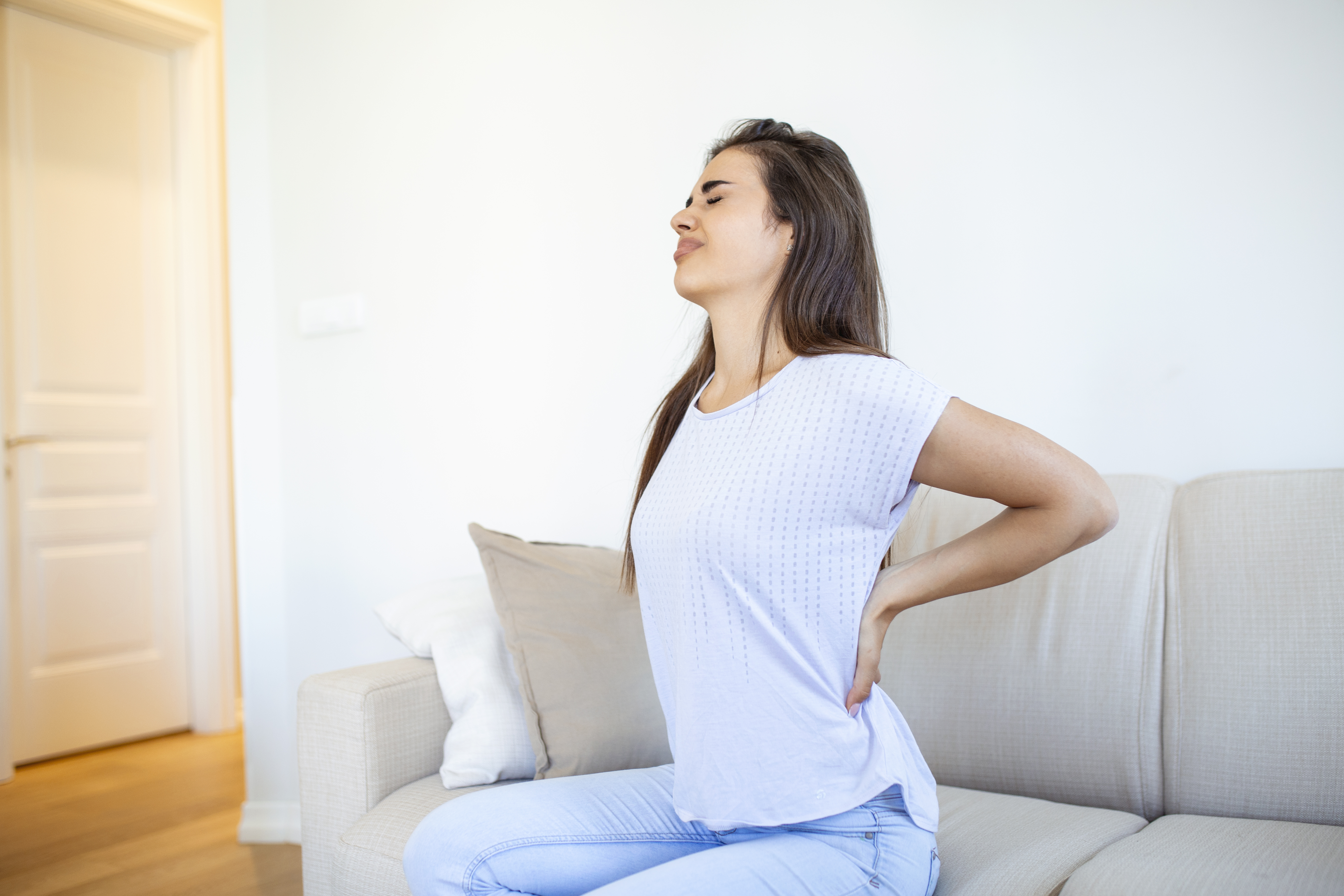
Causes of low back pain that are specific to women
Certain sources of lower back pain are tied specifically to women’s health. The following conditions fall into that category.
Premenstrual syndrome (PMS)
PMS affects many women in the days before their period and can produce a range of symptoms, not all of which occur in every person. Generally, symptoms include:
- physical signs such as lower back pain, headaches, tiredness, and bloating
- emotional and behavioral signs such as mood changes, cravings, anxiety, and difficulty concentrating
PMS typically begins a few days prior to menstruation and resolves within a day or two after the period starts.
Premenstrual dysphoric disorder (PMDD)
PMDD is a more intense form of PMS in which symptoms significantly disrupt everyday functioning; some people with PMDD struggle to carry out routine activities when symptoms are present. PMDD is less common than PMS.
Emotional, behavioral, and physical symptoms mirror those of PMS but are more severe. Symptoms usually arise the week before menstruation and fade a few days after menses begins.
A family history of depression, other mood disorders, or PMDD can raise your risk of developing PMDD.
Endometriosis
Endometriosis occurs when endometrial tissue (the lining-like tissue of the uterus) grows outside the uterine cavity.
This tissue often implants on the ovaries, fallopian tubes, and other pelvic surfaces, and sometimes surrounds parts of the urinary tract or bowel.
Pain is the most typical symptom of endometriosis. Other common signs include:
- very painful menstrual cramps
- pain during or after intercourse
- lower back and pelvic discomfort
- painful bowel movements or urination during your period
Endometriosis can also cause spotting or bleeding between periods. Digestive complaints like bloating and diarrhea are common near menstruation. Additionally, endometriosis may impair fertility.
Dysmenorrhea
Dysmenorrhea refers to intensely painful menstrual periods. While many manage symptoms effectively, some people experience severe pain. Risk factors for dysmenorrhea include:
- being younger than 20
- smoking
- heavy menstrual bleeding
- a family history of painful periods
- an underlying condition such as endometriosis, uterine fibroids, or pelvic inflammatory disease
Pain from dysmenorrhea typically affects the lower abdomen, lower back, hips, and legs and usually lasts 1 to 3 days. It can be a dull ache or sharp, shooting pain.
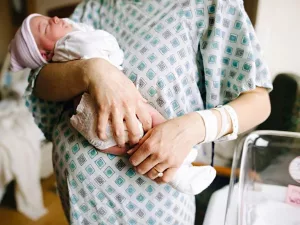
Pregnancy
Back pain is common in pregnancy due to shifts in your center of gravity, weight gain, and hormone-driven relaxation of ligaments preparing the body for childbirth.
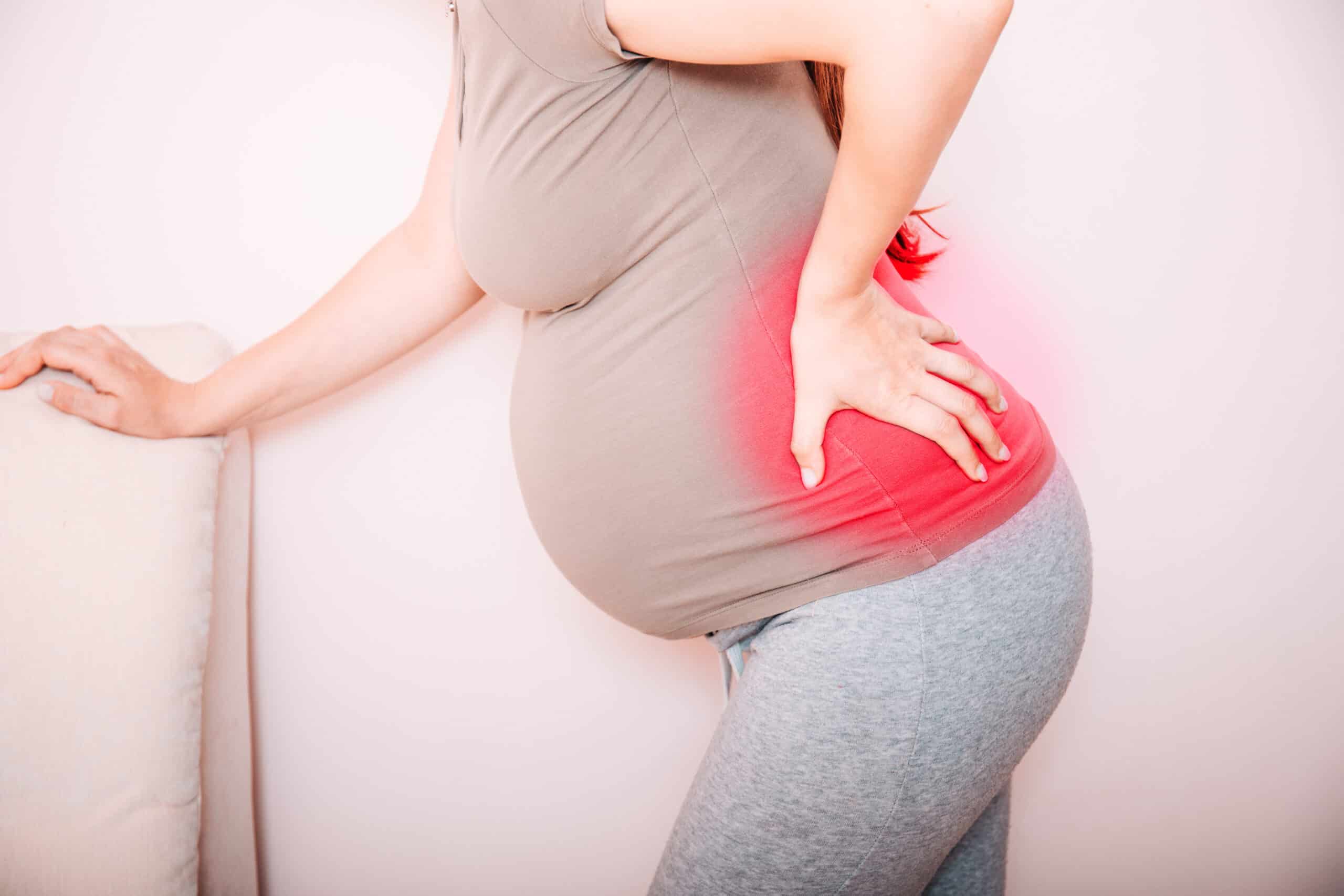
Most women report back pain between the fifth and seventh months of pregnancy, though it can start earlier. Preexisting lower back problems increase the likelihood of pregnancy-related back pain.
Pain often occurs just below the waist and across the tailbone and can also appear centrally around the waistline. Sometimes the discomfort radiates into the legs.
Other causes of lower back pain
Many causes of lower back pain affect anyone regardless of sex. Common contributors include the following conditions.
Muscle strain
Strain of a muscle or ligament is among the most frequent reasons for lower back pain. Causes include:
- repeated heavy lifting
- bending or twisting in an awkward way
- a sudden, awkward movement
- overstretching a muscle or ligament
Continuing the activity that caused the strain can lead to back spasms.
Sciatica
Sciatica describes symptoms from compression or injury to the sciatic nerve, the longest nerve in the body that runs from the lower spine through the buttocks and down the back of each leg.
Sciatica produces burning or electric shock–like pain in the lower back that usually radiates down one leg. Severe cases may include numbness and weakness in the affected leg.
Mindful Moves: 15 Minute Yoga Flow for Sciatica
Herniated disc
A herniated disc happens when an intervertebral disc that cushions vertebrae bulges outward and may eventually rupture. Pain arises when the bulging disc presses on nearby nerves.
Herniated discs can follow injury and are more likely with advancing age. The lower back is the most frequent site, though herniation can occur in the neck.
Disc degeneration
Spinal discs wear down with age, injury, or repetitive stress. Most people develop some degree of disc degeneration after 40. While it doesn’t always cause pain, it can be severely painful for some.
Degeneration commonly affects the neck and lower back. Pain may spread to the buttocks and thighs and can be intermittent.
Home remedies for lower back pain
If your back pain stems from menstrual-related conditions or a muscle strain, these home measures may help:
- Heating pad. Applying heat to your back increases circulation, helping deliver oxygen and nutrients to muscles.
- Warm bath. Soaking in warm water can enhance circulation and ease muscle stiffness and discomfort.
- OTC pain relievers. Over-the-counter NSAIDs like ibuprofen (Advil, Motrin), naproxen (Aleve), and aspirin can reduce back pain and period-related discomfort.
- Exercise. Staying active improves circulation and relieves muscle tension.
- Gentle stretching. Regular stretching can lessen lower back pain and help prevent recurrences.
- Ice pack. For injuries or acute muscle strains, ice can reduce inflammation, pain, and bruising—most effective within the first 48 hours.
- Pillow support. Placing a pillow between your knees when sleeping on your side, or under your knees if you sleep on your back, can ease back discomfort.
- Good lumbar support. Sitting in a chair with adequate lumbar support may reduce back pain while seated.
When to consult a doctor
Some situations warrant prompt medical attention to identify the cause of back pain. Contact your doctor promptly if you have any of the following:
- you cannot stand or walk
- back pain with fever, or loss of bowel or bladder control
- pain, numbness, or tingling in your legs
- pain that radiates down your legs
- severe abdominal pain
- back pain that severely disrupts your daily life
- symptoms suggestive of endometriosis
- pregnancy with back pain accompanied by vaginal bleeding, fever, or painful urination
- back pain following a fall or trauma
- no improvement after a week of home care
Depending on the diagnosis, your clinician may offer treatments beyond self-care.
Possible medical treatments include:
- muscle relaxants
- cortisone injections
- hormonal birth control for conditions such as endometriosis, dysmenorrhea, PMS, or PMDD
- antidepressants, which can ease PMS/PMDD symptoms and help certain types of back pain
- surgery for severe endometriosis to remove misplaced endometrial tissue
- surgical repair of spinal discs
The bottom line
Lower back pain in women can stem from a wide range of causes. If it coincides with your menstrual cycle, it may be related to hormonal or pelvic conditions.
Alternatively, the pain could be from issues that affect anyone, such as muscle strains, sciatica, or herniated discs.
Treatment depends on the underlying cause. Many cases respond to home remedies, but if pain persists or worsens, see your doctor for evaluation and appropriate care.















Leave a Reply
You must be logged in to post a comment.