

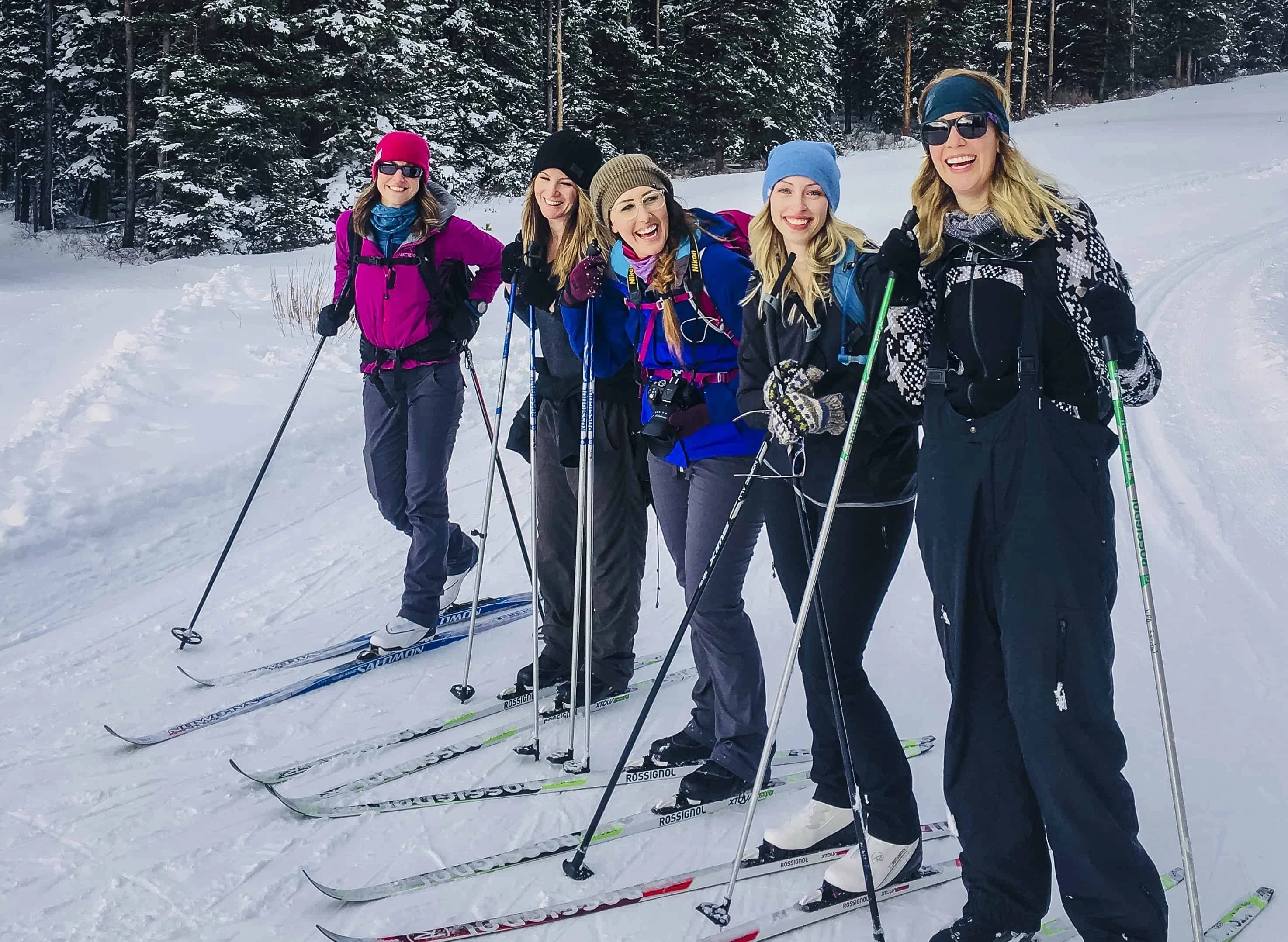
One day you’re carving down a snowy run with the cold air in your face, and the next you find out you’re expecting: suddenly many of your favorite pastimes seem off-limits, and the only way you see snow-covered peaks might be from your couch while watching competitive skiing on TV.
Is that what pregnancy looks like — skiing and other winter sports like snowboarding are absolutely forbidden?
Mostly, yes…but not always. It’s not quite that simple. There are clear hazards to skiing during pregnancy — and you may reasonably decide you don’t want to accept any of that risk — but there are circumstances where skiing could still be a considered form of physical activity while pregnant. The most important thing is determining whether you can do it safely.
Below is what to consider before you head to the slopes with a baby on board: why skiing can be risky, how to reduce those risks, and how to tell when it’s better to stay cozy in the lodge with a warm drink.

Risks of skiing while pregnant
Let’s be clear: medical professionals generally discourage skiing during pregnancy. The American College of Obstetricians and Gynecologists (ACOG) lists skiing alongside activities like surfing and horseback riding as ones to avoid because they “place you at an increased risk of injury” due to the potential for falls.
That advice isn’t universally binding, though. If you’re a regular skier weighing whether to keep going or you’ve been invited to join friends on a ski trip while pregnant, your clinician might clear you — but it’s crucial to understand the particular dangers for you and your fetus. Keep the following in mind.
Collisions and falls
The primary concern with skiing or snowboarding while pregnant is abdominal trauma. This can occur if another skier strikes you on the mountain or if you fall on icy terrain.
Opinions vary on when such trauma is most harmful to a pregnancy. Consider these trimester-specific points:
- First trimester. Your baby is undergoing critical development. The chance of miscarriage is higher early on, so some clinicians recommend avoiding unnecessary risks during this vulnerable phase. Conversely, your fetus is very small and well-cushioned within the uterus, so some argue that minor trauma may pose less direct threat now than later in pregnancy.
- Second trimester. Often called the “sweet spot,” the second trimester can be the most comfortable period for many. You’ve moved past early nausea and you’re not yet contending with the mobility challenges of late pregnancy. You still face the risk of collisions and falls, but depending on factors like impact force and location, the second trimester may present relatively lower risk.
- Third trimester. Two things make the third trimester trickier: a shifted center of gravity and a larger fetus. Your balance can be affected by the growing belly, making it tougher to stay stable on skis. Your baby is bigger now and the protective padding around them is proportionally reduced; moderate abdominal trauma at this stage could result in placental abruption or, rarely, uterine rupture.
Muscle strains
This is primarily a concern for you rather than for the baby. Pregnancy hormones that relax pelvic ligaments in preparation for birth also loosen other ligaments, increasing susceptibility to muscle strains and tendon injuries.
While these injuries won’t directly harm your fetus, they can be painful and make pregnancy less comfortable.
Mental acuity
Pregnancy brain is real for many people, and during the nine months you may notice slower reaction times and reduced sharpness. This can affect your ability to quickly evaluate and respond to a skiing-related situation.
You might feel just as alert as before, but cognitive fog is a potential change to be mindful of if you plan to do anything that requires rapid decision-making.
Fatigue and dehydration
Your body is already working around the clock when you’re pregnant, so strenuous activities can exhaust you faster than before. Pregnancy isn’t the time to “push through” or to neglect hydration.
Overlooking self-care on the slopes can quickly lead to severe fatigue or dehydration, both of which elevate your risk while skiing or snowboarding.
How to make skiing while pregnant safer
If you decide to keep skiing or snowboarding during pregnancy, you’ll want to modify some habits to protect yourself and your baby. Here are ways to adapt your routine and reduce risk.
- Talk with your doctor. Although skiing is usually discouraged during pregnancy, it’s not necessarily prohibited in every case. Whether it’s appropriate for you should be decided with your OB-GYN. Your clinician will weigh your experience, health, and pregnancy specifics and provide personalized guidance. Consulting your doctor should always be the first step.
- Know your skill level. If you’ve only ever managed the bunny hill, don’t attempt more advanced runs now. If you’re an experienced skier, your provider might allow you to continue at your pre-pregnancy level so long as you’re comfortable — the general rule is to stay at or below the skill level you had before becoming pregnant.
- Don’t start as a beginner. If you’ve never skied or snowboarded before, wait until after the baby is born to try it. Pregnancy isn’t the ideal time to pick up a new, demanding sport. People who exercised vigorously before pregnancy are often permitted to continue, but beginning a new high-risk skill isn’t usually recommended.
- Prefer flatter terrain. If you’re uneasy about speeding downhill and falling, consider cross-country skiing or snowshoeing. While slips can still happen, the chance of serious injury is lower, and you’ll have more time to react and avoid collisions.
- Avoid crowds. You can’t control other skiers, so minimize exposure to busy slopes. Ski during less crowded times like weekdays and steer clear of holiday rushes.
- Acclimate to altitude. Pregnancy can make high elevations more challenging, so allow extra time to acclimate. Move slowly and don’t ski until you feel well-adjusted. If you have gestational hypertension, avoid high-altitude mountain trips entirely because blood pressure can increase at elevation.
- Pace yourself. Don’t treat pregnancy as a contest. Simply being active on skis while pregnant is an achievement. Focus on the benefits of exercise and enjoy fresh air rather than trying to match others’ speeds.
- Stay hydrated and rest often. You’re more prone to fatigue and dehydration while pregnant. Bring plenty of fluids, dress for the weather and exertion, and plan for more frequent breaks than you used to.
When to stop
It’s tough to shift from long-distance skiing to having diminished stamina, but listening to your body is essential. With any physical activity in pregnancy — especially something as demanding as skiing or snowboarding — know when to quit for the day or for the remainder of your pregnancy.
Signs that you should stop include:
- Difficulty maintaining balance or staying upright.
- Lightheadedness, pronounced fatigue, or dizziness.
- Overheating, excessive sweating, or intense thirst.
- High anxiety or persistent worry about your safety.
- Any new pain or soreness, particularly in your back or legs.
These examples aren’t exhaustive. The key is to assess your physical and emotional comfort before going out: if you feel anxious, unwell, or excessively tired, it’s wiser to err on the side of caution.
Benefits of exercise during pregnancy
Major health organizations like the Centers for Disease Control and Prevention and the March of Dimes strongly encourage exercise during pregnancy. While high-risk sports aren’t worth the potential harm, even gentle activities such as walking are beneficial.
Key point to remember
Risky physical pursuits aren’t worth the exercise benefits during pregnancy. Choosing safer alternatives is the smart move.
Staying active builds stamina for labor and delivery, which you’ll appreciate later. Regular exercise during pregnancy can also:
- improve mood and sleep
- help relieve back pain, leg cramps, and sciatica
- reduce swelling
- lower stress
And generally, it can make navigating nine months of pregnancy easier. If you prefer not to risk skiing or snowboarding but still want to keep moving, with your doctor’s okay you can:
- practice yoga and Pilates
- walk or jog
- join low-impact aerobics classes
- swim
- try indoor cycling
- do strength training
Remember: if any of these activities are new to you, progress gradually to build endurance and confidence.
Final word
Skiing or snowboarding while pregnant is usually discouraged, but that doesn’t automatically rule it out for everyone. The most important step is discussing the matter with your healthcare provider before engaging in any exercise that carries risk.
After evaluating your experience and health, you and your doctor may conclude that cautious skiing with adjustments is acceptable. If not, it’s better not to take the chance.
If you’re curious about keeping warm with winter beverages on the lodge porch instead of taking runs this season, you might also find it helpful to read about is hot tea good for you to make your cozy breaks both safe and enjoyable.


















Leave a Reply
You must be logged in to post a comment.