
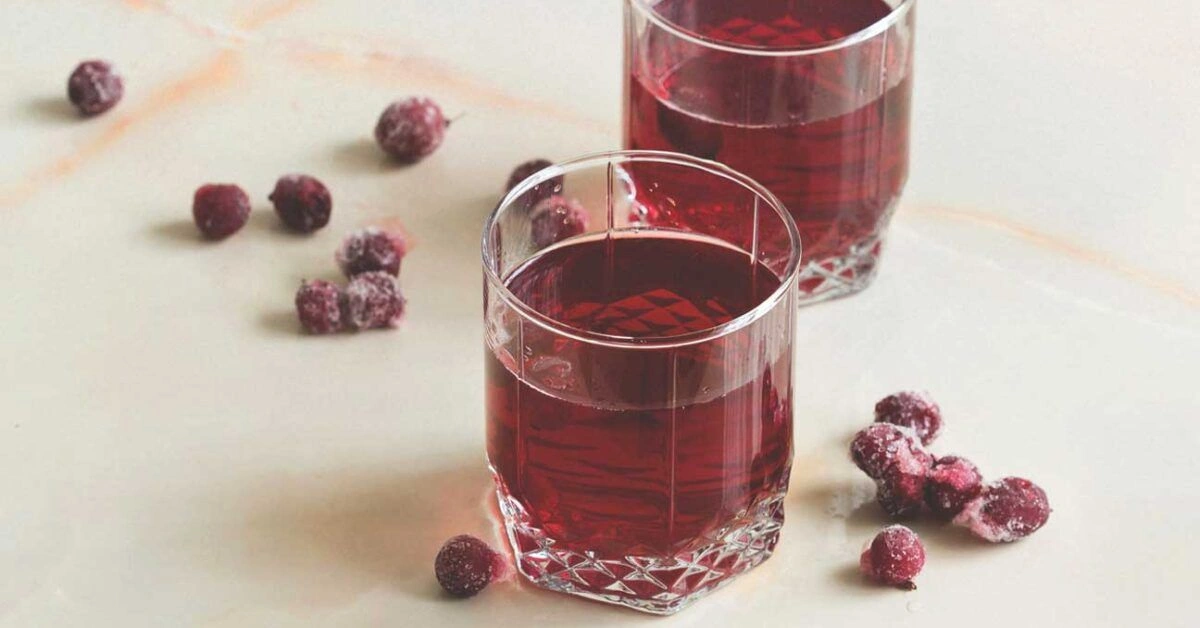
Endometriosis is a distressing condition without a definitive cure. Nonetheless, some at-home approaches, such as applying warmth and using certain supplements, may help ease your symptoms.
Endometriosis affects the female reproductive system, occurring when cells similar to the uterine lining — called endometrial cells — grow outside the uterus. This endometrium-like tissue most often appears in the pelvis, on the ovaries, and along the fallopian tubes. In more severe instances, it can extend beyond the reproductive organs.
Over 11% of U.S. women aged 15 to 44 may have endometriosis.
The hallmark symptom of endometriosis is pelvic and lower back pain, particularly around menstruation. Unlike typical menstrual cramping, endometriosis pain is frequently intense and hard to control. Other common signs include:
- discomfort during sexual intercourse
- pain with urination or bowel movements
- heavy menstrual bleeding
- bleeding between periods
- persistent tiredness
- difficulty conceiving
Alleviating symptoms is crucial for people managing this condition, particularly if a formal treatment strategy hasn’t been established. Below are several home-based remedies you can try to help reduce symptoms.
Home remedies
1. Heat
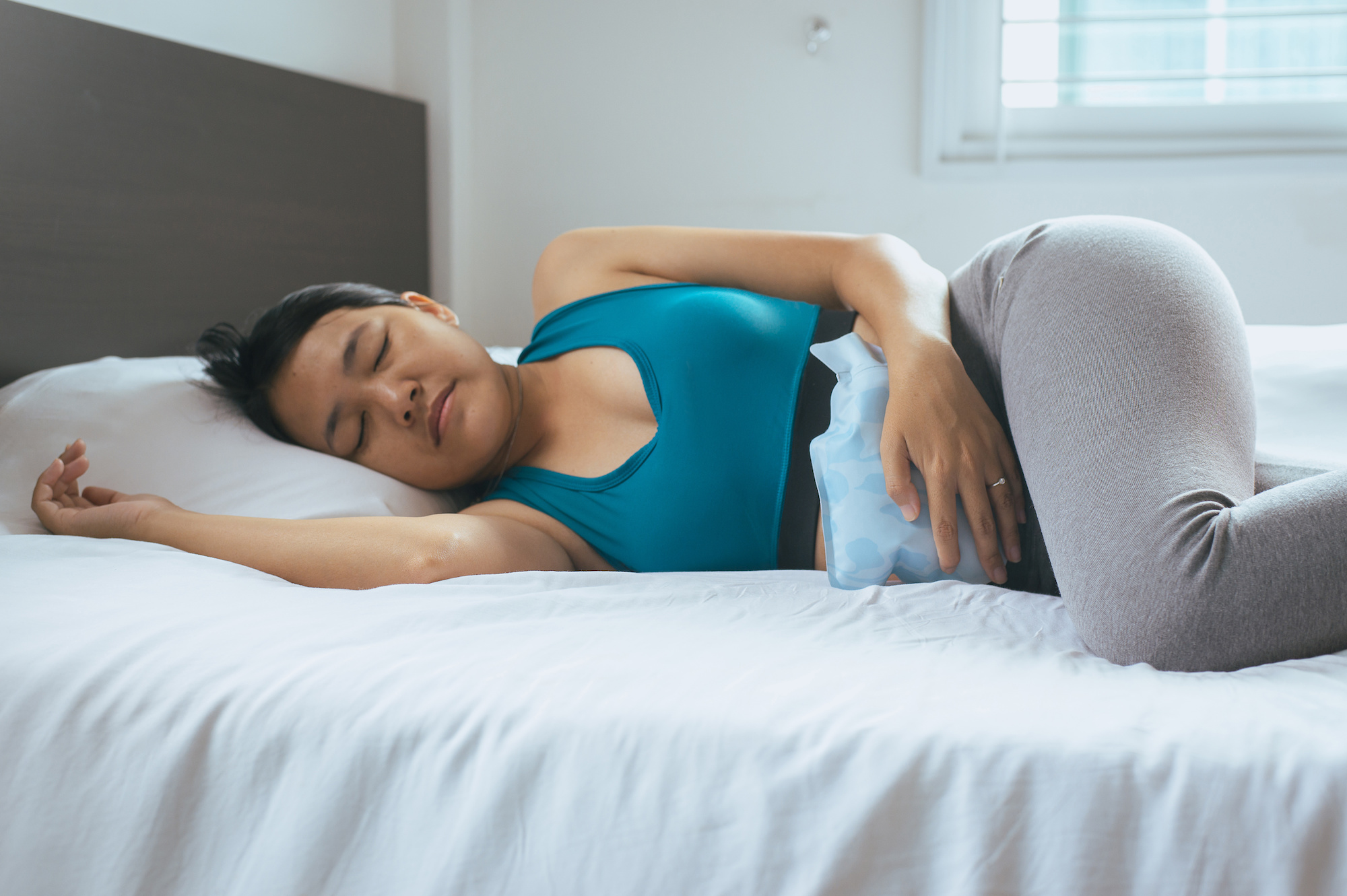
If your symptoms flare up and you need quick relief, heat can be helpful. Warming the pelvic area relaxes the muscles and can lessen cramping and pain. Options include warm baths, hot water bottles, or electric heating pads to soothe cramps.
2. OTC anti-inflammatory drugs
Over-the-counter nonsteroidal anti-inflammatory drugs (NSAIDs) can provide relief for mild endometriosis-related pain. Common examples are ibuprofen and naproxen.
Consult your physician before taking NSAIDs if you’re on other medications or have a history of gastric ulcers.
3. Bromelain
Bromelain is an enzyme extracted from pineapple that’s also available as a supplement. Some studies report that bromelain combined with N-acetyl cysteine and the antioxidant alpha-lipoic acid significantly lowered pelvic pain from endometriosis.
Further research is required, particularly on bromelain used alone. If you consider trying bromelain supplements, check with your healthcare provider first, as it can interact with certain medications.
4. Turmeric
Turmeric is known for its potent anti-inflammatory effects and may benefit those with endometriosis symptoms.
Some research suggests curcumin, an active compound in turmeric, may alleviate endometriosis pain. The exact mechanism is not fully understood, but it may involve reducing inflammation and hindering endometriosis progression.
You can take turmeric in capsule form or brew turmeric tea from the root or tea bags. Always discuss new supplements with your doctor before starting them.
5. Anti-inflammatory foods
While more investigation is needed into dietary impacts on endometriosis, some evidence indicates that an anti-inflammatory eating pattern could help reduce pain. This is not a quick fix, but it may contribute to longer-term symptom control.
By cutting back on pro-inflammatory foods and increasing anti-inflammatory choices, you might help lessen symptoms over time.
Foods to limit include:
- dairy
- red meats
- fried and highly processed foods
Foods to include more often are:
- green tea
- oily fish
- leafy green vegetables
- berries
- cherries
- walnuts
- olive oil Endometriosis is a distressing condition without a definitive cure. Nonetheless, some at-home approaches, such as applying warmth and using certain supplements, may help ease your symptoms.
- discomfort during sexual intercourse
- pain with urination or bowel movements
- heavy menstrual bleeding
- bleeding between periods
- persistent tiredness
- difficulty conceiving
- dairy
- red meats
- fried and highly processed foods
- green tea
- oily fish
- leafy green vegetables
- berries
- cherries
- walnuts
- olive oil
- various spices
- pain-relief medications
- hormonal therapies to slow endometrial growth and reduce symptoms
- surgical removal of endometrial-like tissue
- hysterectomy, the surgical removal of the uterus (which prevents future pregnancy)
Endometriosis affects the female reproductive system, occurring when cells similar to the uterine lining — called endometrial cells — grow outside the uterus. This endometrium-like tissue most often appears in the pelvis, on the ovaries, and along the fallopian tubes. In more severe instances, it can extend beyond the reproductive organs.
Over 11% of U.S. women aged 15 to 44 may have endometriosis.
The hallmark symptom of endometriosis is pelvic and lower back pain, particularly around menstruation. Unlike typical menstrual cramping, endometriosis pain is frequently intense and hard to control. Other common signs include:
Alleviating symptoms is crucial for people managing this condition, particularly if a formal treatment strategy hasn’t been established. Below are several home-based remedies you can try to help reduce symptoms.
Home remedies
1. Heat
If your symptoms flare up and you need quick relief, heat can be helpful. Warming the pelvic area relaxes the muscles and can lessen cramping and pain. Options include warm baths, hot water bottles, or electric heating pads to soothe cramps.
2. OTC anti-inflammatory drugs
Over-the-counter nonsteroidal anti-inflammatory drugs (NSAIDs) can provide relief for mild endometriosis-related pain. Common examples are ibuprofen and naproxen.
Consult your physician before taking NSAIDs if you’re on other medications or have a history of gastric ulcers.
3. Bromelain
Bromelain is an enzyme extracted from pineapple that’s also available as a supplement. Some studies report that bromelain combined with N-acetyl cysteine and the antioxidant alpha-lipoic acid significantly lowered pelvic pain from endometriosis.
Further research is required, particularly on bromelain used alone. If you consider trying bromelain supplements, check with your healthcare provider first, as it can interact with certain medications.
4. Turmeric
Turmeric is known for its potent anti-inflammatory effects and may benefit those with endometriosis symptoms.
Some research suggests curcumin, an active compound in turmeric, may alleviate endometriosis pain. The exact mechanism is not fully understood, but it may involve reducing inflammation and hindering endometriosis progression.
You can take turmeric in capsule form or brew turmeric tea from the root or tea bags. Always discuss new supplements with your doctor before starting them.
5. Anti-inflammatory foods
While more investigation is needed into dietary impacts on endometriosis, some evidence indicates that an anti-inflammatory eating pattern could help reduce pain. This is not a quick fix, but it may contribute to longer-term symptom control.
By cutting back on pro-inflammatory foods and increasing anti-inflammatory choices, you might help lessen symptoms over time.
Foods to limit include:
Foods to include more often are:
6. Massage
Some studies indicate massage therapy may assist with pain control in people with endometriosis. A small trial also reported that osteopathic manipulation — a hands-on approach similar to massage — improved endometriosis symptoms.
Additional research is needed to confirm massage’s effectiveness, but it’s a simple remedy you can attempt at home to see if it helps reduce pain.
7. Ginger tea
Nausea can accompany endometriosis for some people. Ginger tea is a well-known home remedy for queasiness, and research supports its safety and effectiveness.
Ginger tea bags are widely available at grocery stores. When you feel nauseous, steep a bag in boiling water and sip the tea.
8. Yoga
Yoga blends physical postures with breathing and meditation. Often used for stress reduction, it may also help ease endometriosis symptoms.
A very small study of 15 women found that practicing yoga twice weekly for eight weeks reduced pelvic pain. A 2018 review noted that while evidence is limited, yoga might help improve symptoms.
You can learn poses online or join a local class.
When to see your doctor
If you have pelvic pain, painful intercourse, or heavy or irregular periods, schedule a visit with your healthcare provider. They will likely perform a pelvic exam and may order an ultrasound. A laparoscopy is required to definitively diagnose endometriosis.
Because endometriosis can contribute to infertility, consult your doctor if you have the condition and are planning to conceive.
Possible medical treatments your clinician may suggest include:
Takeaway
Endometriosis can produce painful and challenging symptoms. The home remedies outlined above may help manage those symptoms, but they are most effective when used alongside medical treatments recommended by your healthcare provider.
















Leave a Reply
You must be logged in to post a comment.