

Key takeaways
- Your daily calorie requirements vary based on factors like age, sex, activity level, and body size. In general, females need at least 1,600 calories per day, while males require at least 2,000 calories to maintain their weight.
- For weight loss, you’ll need to create a calorie deficit by eating fewer calories, increasing physical activity, or combining both—while still meeting your nutrient needs to prevent deficiencies and metabolic issues.
- Long-term weight management strategies include increasing protein intake, reducing sugary drinks and refined carbohydrates, staying well hydrated, and exercising consistently.
Lowering your daily calorie intake can be an effective approach to weight loss.
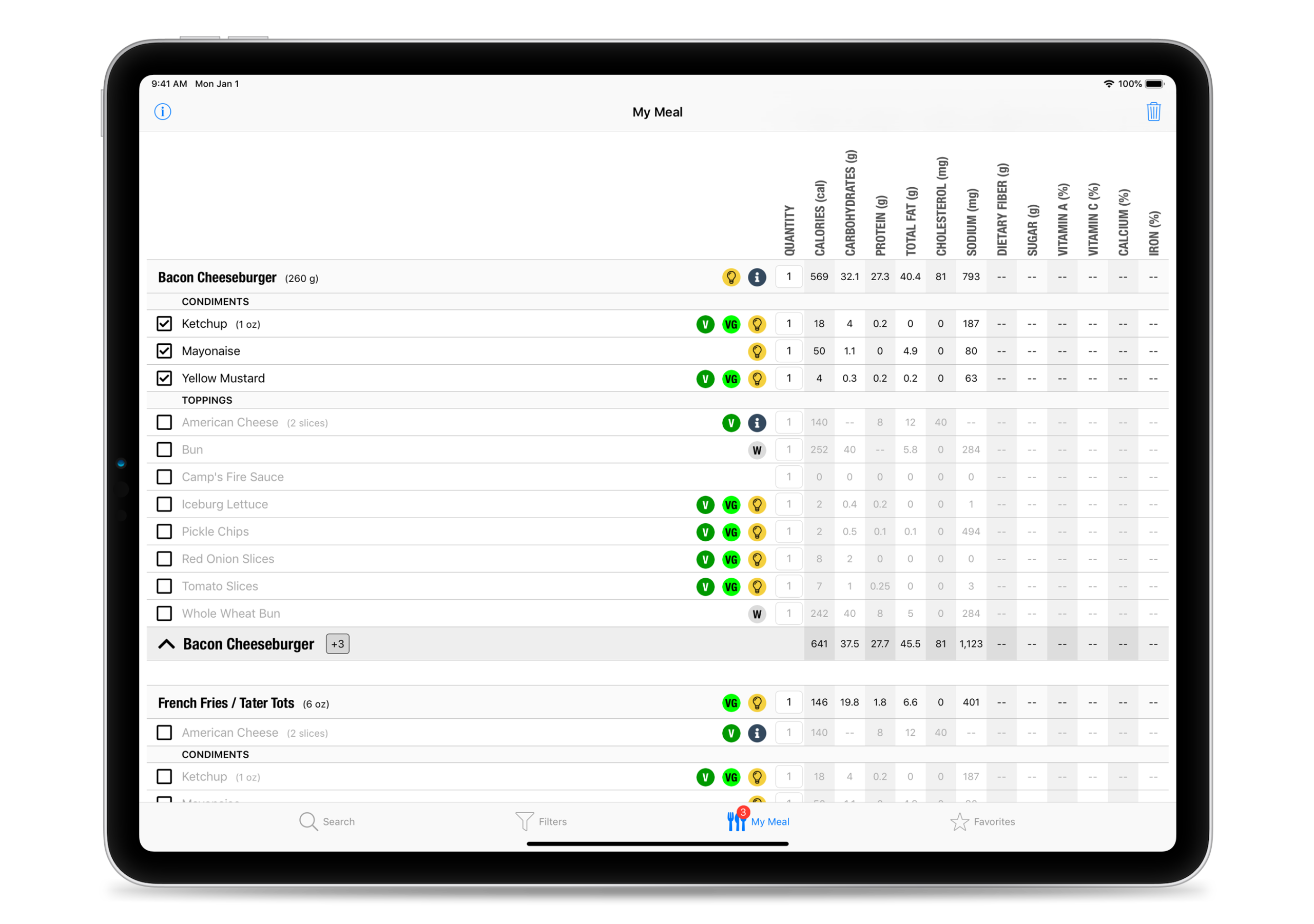
That said, determining exactly how many calories you should consume isn’t always straightforward. Your needs depend on several variables, including age, sex, height, weight, and activity level. Tools like a Nutritional value calculator can help estimate your intake and give you a clearer picture of your daily energy and nutrient consumption.
Below, you’ll find a science-based calorie calculator along with five evidence-backed strategies to help you lower your calorie intake in a healthy, sustainable way.
How do I calculate how many calories I need?
Input your information into the calculator below to estimate how many calories you need each day to maintain or reduce your weight.
This calculator uses the Mifflin-St. Jeor equation to approximate your calorie needs. It draws on population data and accounts for variables such as genetics, medications, and lean body mass that influence energy expenditure.
For a more detailed breakdown of the nutrients in your meals, pairing this tool with a Nutritional value chart or a Daily nutritional requirements chart can provide additional context about whether you’re meeting your macro- and micronutrient goals.

Partner tip

Maintaining a healthy weight may reduce your risk of heart disease, help stabilize blood sugar levels, and relieve menopause symptoms such as hot flashes and night sweats.
LifeMD‘s Weight Management Program connects you with licensed healthcare professionals through virtual visits. When appropriate, they can prescribe FDA-approved GLP-1 medications like Wegovy and Zepbound, along with providing nutrition support.
How many calories should you eat on average?
If your goal is weight loss, you’ll need to create a calorie deficit—meaning you consume fewer calories than your body burns. Some individuals achieve this by eating slightly less, increasing physical activity, or using a combination of both.
Even so, it’s crucial to maintain adequate nutrient intake. Cutting calories too aggressively can increase the risk of nutritional deficiencies and trigger metabolic changes that make sustaining weight loss more difficult over time.
Below is a closer examination of calorie recommendations from the 2020–2025 Dietary Guidelines for Americans.
Females
| Age | Daily calorie requirements |
|---|---|
| 19–30 years | 1,800–2,400 calories |
| 31–60 years | 1,600–2,200 calories |
| 61+ years | 1,600–2,200 calories |
These estimates do not apply to individuals who are pregnant or breastfeeding, as their energy needs are significantly higher.
Highly active individuals or those with certain medical conditions may also need more calories. Your specific requirement within these ranges depends on your height and weight.
Males
| Age | Daily calorie requirements |
|---|---|
| 19–30 years | 2,400–3,000 calories |
| 31–60 years | 2,200–3,000 calories |
| 61+ years | 2,000–2,600 calories |
Children
| Age | Daily calorie requirements |
|---|---|
| 2–4 years | Males:1,000–1,600 caloriesFemales:1,000–1,400 calories |
| 5–8 years | Males : 1,200–2,000 caloriesFemales :1,200–1,800 calories |
| 9–13 years | Males :1,600–2,600 caloriesFemales : 1,400–2,200 calories |
| 14–18 years | Males : 2,000–3,200 caloriesFemales : 1,800–2,400 calories |
Restricting a child’s calorie intake may increase the risk of nutritional deficiencies, impair growth, and contribute to a strained relationship with food or an eating disorder.
Rather than focusing on calorie counting for children, prioritizing a balanced diet rich in nutrient-dense foods is generally recommended.
SummaryThe number of calories your body requires depends on age, sex, activity level, height, and body size.
What are calories?
A calorie is simply a unit of energy. It indicates how much energy food and beverages provide.
To lose weight, you must consume fewer calories than your body uses each day. On the other hand, to gain weight, you need to consume more calories than you burn.
Although the “calories in, calories out” principle sounds simple, many factors affect weight changes, including medical diagnoses, hormonal changes, genetics, and age. Using a Nutritional value calculator can help you understand your intake, but it’s equally important to consider overall diet quality and metabolic health.
SummaryCalories measure the energy in foods and drinks. Generally, weight loss requires consuming fewer calories than you expend, though multiple factors can influence results.
How to reduce calorie intake
While decreasing calorie intake can support weight loss, simply eating less without paying attention to food quality is rarely sustainable.
Here are five practical, research-supported strategies that may help.
1. Eat more protein
Protein plays a key role in weight management.
A 2020 study found that increasing protein intake may enhance feelings of fullness and reduce appetite.
Protein can also help curb cravings. Some research suggests that high protein snacks improve satiety while lowering hunger and appetite levels.
Beyond supporting weight loss, maintaining a protein-rich diet may prevent or lessen weight regain and help maintain muscle mass.
Consider incorporating foods such as eggs, lean meats, poultry, tofu, legumes, nuts, and seeds to promote sustainable results.
2. Limit sugary drinks
Reducing sugar-sweetened beverages—including soda, fruit juice, chocolate milk, and other drinks with added sugar—can significantly lower calorie intake.
Your brain processes liquid calories differently from solid food calories, meaning they have a less significant impact on satiety.
Research also links sugary beverage consumption with an increased risk of obesity.
Added sugar may contribute to heart disease, liver problems, and diabetes, extending its effects beyond weight gain.
3. Drink more water
Increasing your water intake is a simple yet powerful health habit.
Proper hydration is associated with better brain function, improved weight control, and a reduced risk of kidney stones.
Drinking water shortly before meals may reduce hunger and help you naturally eat fewer calories.
Combined with a balanced, nutrient-dense diet, increasing water intake—especially before meals—may enhance weight loss efforts.
4. Exercise
Evidence shows that resistance training helps preserve muscle mass, which can reduce metabolic adaptations during prolonged calorie restriction.
Cardiovascular activities such as walking, swimming, and jogging are also essential for increasing weight loss and enhancing overall well-being.
Exercise offers additional advantages, including:
5. Reduce your intake of refined carbs and ultra-processed foods
“Refined carbs” are grains stripped of their bran and germ, including white bread, pasta, crackers, white rice, sugar, and other sweeteners.
Because refined grains are low in fiber, which supports satiety, they may make appetite control more difficult.
High intake of refined carbohydrates may hinder weight loss by adversely influencing hormones that regulate hunger, such as peptide YY. Limiting ultra-processed foods is also advisable for overall metabolic health.
SummaryBoosting protein intake, staying active, drinking enough water, and cutting back on refined carbs and sugary drinks are practical ways to lower daily calorie intake.
A few basic weight loss tips
Beyond reducing calories, several habits can support sustainable weight loss:
- Practice mindful eating.Mindful eating can help reduce cravings and encourage lasting weight management.
- Eat more fruits and vegetables.Low in calories and high in fiber, they are ideal for healthy weight control.
- Stock up on nutritious foods.Keeping whole foods readily available makes it easier to stay consistent.
- Find support. Social support may aid weight loss success.
- Try meal prepping.Preparing meals in advance can save time and help regulate portions.
SummaryIn addition to lowering calorie intake, these strategies can promote steady, long-term weight loss.
Wellos is owned by RVO Health. By clicking on this link, we may receive a commission. Learn more.
Potential downsides of counting calories
Although calorie tracking can be effective, it’s important to recognize that food choices and eating patterns matter just as much as numbers.
Rather than focusing exclusively on calorie totals, aim for a balanced eating pattern rich in whole, minimally processed foods.
Excessive calorie restriction can lead to significant side effects.
Studies indicate that individuals who use calorie-tracking apps may be more at risk of developing disordered eating behaviors that could progress to eating disorders.
Still, moderate calorie restriction may support short-term weight loss for those not at risk of disordered eating, in the short term. However, consuming too few calories can slow metabolism, making it harder to maintain results long term.
SummarySeverely cutting calories can negatively impact health and long-term weight maintenance. Focus on overall diet quality, not just calorie numbers.
Takeaway
Your daily calorie needs depend on whether your goal is to maintain, lose, or gain weight, as well as factors such as age, sex, height, weight, activity level, and metabolic health.
Digital tools and apps—including a Nutritional value calculator—can help you monitor calorie intake along with carbohydrates, protein, fat, fiber, vitamins, and minerals. Even tracking for a few days can provide valuable insight into your eating patterns.
Working with a registered dietitian (RD) can further support your goals, ensuring you meet your nutritional requirements while managing your weight safely and effectively.
Just one thing
Try this today: Cooking meals at home gives you greater control over ingredients and portion sizes, making it easier to manage calorie intake and choose healthier substitutions using your favorite wholesome foods.























Leave a Reply
You must be logged in to post a comment.