
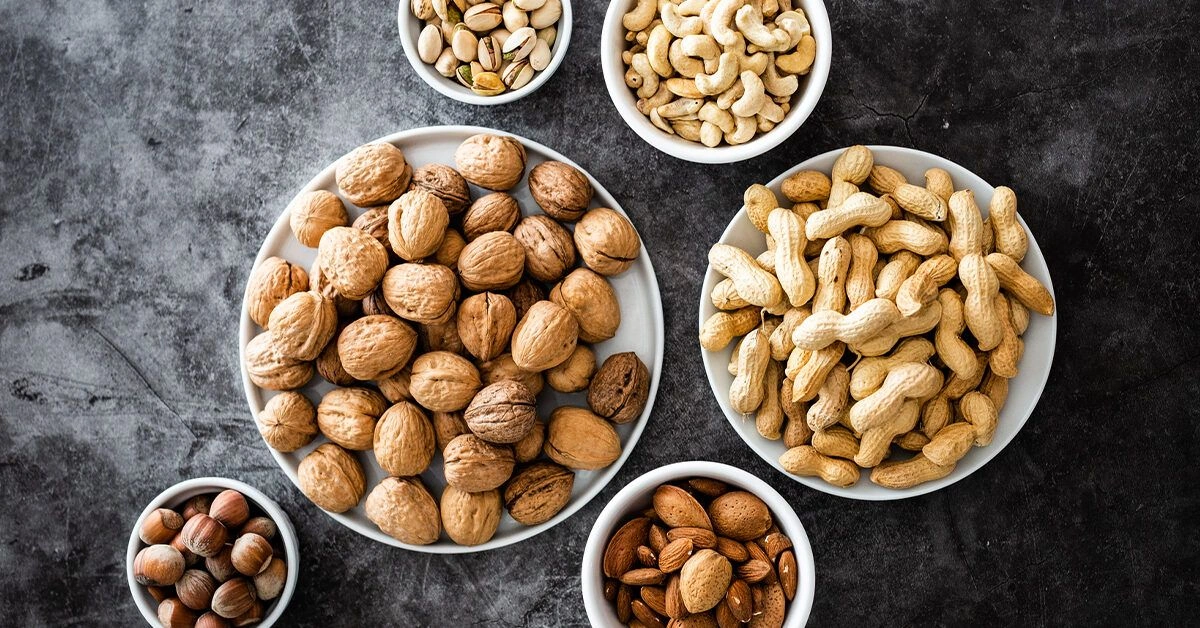
Both nuts and seeds are flexible, easy to consume on the go, and a solid source of plant-based protein, especially for those who eat little to no animal products.
Seeds represent the embryos of a plant. Technically, nuts are a variety of seed encased in a tough outer shell. Thus, while every nut is a seed, not every seed qualifies as a nut.
However, the Food and Drug Administration (FDA) might classify certain seeds as nuts to simplify recognizing them as potential allergens.
That said, if you aren’t allergic, consuming either nuts or seeds can help you meet your protein requirements. Protein is essential for building bones, muscles, and skin. Protein also boosts fullness, helping you feel satisfied and energized.
While all nuts contain protein, some offer more than others. This piece assesses 8 high-protein nuts, listed in ascending order.
:quality(85):upscale()/2024/08/05/764/n/49351764/494cd36666b109e5b58380.76403606_.jpg)
1. Walnuts
Protein:4.5 g per 1/4 cup (29 g) serving of chopped walnuts.
Enjoying walnuts is a tasty way to raise your protein intake.
Walnuts also supply heart-healthy fats. In particular, they harbor more omega-3 fatty acids, in the form of alpha-linolenic acid (ALA), than any other nut.
Some observational studies have linked ALA intake to a reduced risk of heart disease.
With their fatty texture and mouthfeel, walnuts blend well into ground meats and can elevate the protein content of meat-based dishes.
2. Pine nuts
Protein:4.5 g per 1/4 cup (34 g) of pine nuts. A 1/4-cup (34 g) portion provides 4 g of protein and 23 g of fat.
Pine nuts are technically seeds, not true nuts.
The fat in pine nuts mainly comes from unsaturated fats, which may help lower risk factors for heart disease. Based on animal studies alone, one fatty acid in pine nuts might exhibit anti-inflammatory effects. They may also aid in preventing cancer spread.
Toasted pine nuts are a tasty way to add extra protein to salads, grain bowls, or vegetables. To toast them at home, sauté in a skillet over medium heat for a few minutes until fragrant.
3. Brazil nuts
Protein:4.75 g per 1/4 cup (33 g) serving.
Brazil nuts are also technically seeds, rather than true nuts. They originate from a rainforest tree and are typically the largest in a mixed nut assortment.
Along with protein, Brazil nuts supply healthy fats, fiber, and a variety of micronutrients. Most notably, they rank among the best dietary sources of selenium, an essential mineral that supports thyroid health and helps shield the body from infections.
Just one Brazil nut (5 g) provides nearly 175% of the daily value for selenium for non-pregnant individuals.
Try blending Brazil nuts with other nuts and seeds, dried mango, and dark chocolate chunks for a protein-rich trail mix.
4. Cashews
Protein:5 g per 1/4 cup (32 g) of cashews.
Cashews are also technically seeds, not true nuts. They’re high in protein and pack several essential vitamins and minerals.
A 1/4 cup (32 g) portion provides roughly 80% of the Daily Value (DV) for copper. Copper is a mineral that supports immunity and aids the production of red blood cells and connective tissue.
Studies have also found a link between low copper intake and a higher risk of osteoporosis, a condition marked by fragile bones.
Hence, incorporating more copper through cashews may help guard against this condition.
To enjoy more cashews in your diet, include them in a balanced snack atop plain yogurt with fruit.
5. Hazelnuts
Protein:5 g per 1/4 cup (34 g) serving.
Hazelnuts offer a slightly sweet, buttery, and toasted flavor, making them a particularly tasty protein source.
Research also suggests that adding hazelnuts to your diet may help lower LDL (bad) cholesterol and raise HDL (good) cholesterol, thereby contributing to a reduced risk of heart disease.
For a high-protein snack, whip up a homemade “Nutella” spread. Blend 1 cup (135 g) of hazelnuts with 2 scoops (60 g) of chocolate protein powder, 1 tablespoon (6 g) of cocoa powder, and two tablespoons (30 mL) of maple syrup.
Pine nuts are seeds of certain pine cone varieties. They’re valued for their mild, sweet taste and creamy texture, derived from their high fat content.
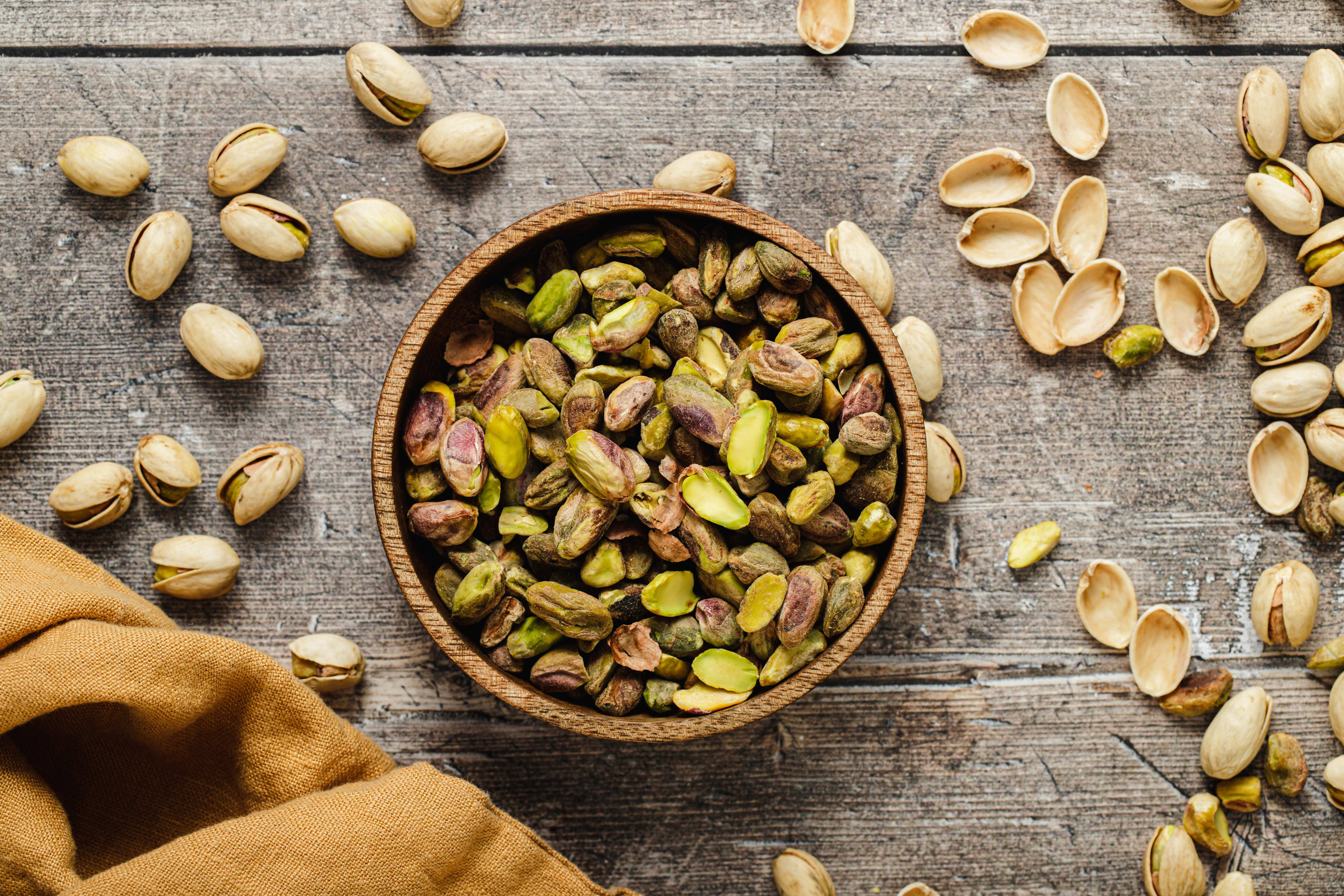
6. Pistachios
Protein:6 g per 1/4 cup (30 g) serving of pistachios.
Pistachios are also a seed rather than a true nut. A serving delivers as much protein as one egg.
Compared with most other nuts, these seeds offer a higher ratio of essential amino acids relative to their protein content.
Essential amino acids must be obtained from the diet so the body can utilize them to assemble proteins required for vital functions.
For a playful way to enjoy pistachios, try blending them into a nut butter and spreading on toast, apples, or crackers.
7. Almonds
Protein: About7 grams (g) per 1/4 cup (35 g) serving of almonds.
Almonds are technically seeds, not nuts. Yet, like many other items on this list, they’re often treated as a high-protein option.
Almonds boast a high protein content and are rich in antioxidants. These plant compounds protect the body from oxidative stress caused by free radicals, which can contribute to aging, heart disease, and certain cancers.
The brown skin surrounding almonds contains the greatest concentration of antioxidants, so consuming almonds with the skin maximizes benefits.
To make a balanced snack with almonds, pair them with a piece of fruit.
8. Peanuts
Protein:9.5 g per 1/4 cup (37 g) serving.
Peanuts are a legume, a type of seed that grows in a pod. Botanically, they’re more similar to soybeans or lentils than to nuts.
Like most legumes, they provide a lot of plant-based protein. In fact, peanuts have the highest protein content out of all commonly consumed foods people commonly refer to as nuts.
Peanuts are also one of the best food sources of biotin, a vitamin that helps convert food into usable energy in the body.
For a balanced snack that provides protein, fats, and carbs, combine peanut butter and bananas on their own, or assemble them on top of toast.
9. Pumpkin seeds
Protein:10 g per 1/4 cup (36 g) serving.
Pumpkin seeds can be a highly nutritious snack with a mild flavor and a chewy texture. They contain almost double the protein as most other choices on this list.
Like other nuts and seeds, they’re high in antioxidants and contain important nutrients like selenium, magnesium, zinc, potassium, and phosphorous.
Research shows these nutrients may help protect your body from inflammation, diseases like arthritis or diabetes, mood disorders like depression, heart disease, and even certain cancers.
Throw some pumpkin seeds into your salad, and try roasting them for a crunchier, nuttier flavor.
Frequently asked questions
Which nuts are complete proteins?
Foods that are rich in all nine crucial amino acids are typically classified as sources of complete protein. Pistachio nuts are a complete protein. Additional seeds that are complete proteins include chia seeds and hemp seeds.
What three nuts have more protein than an egg?
One large egg (50 g) contains about 6 g of protein. By comparison, 50 grams of any nut or seed on this list will contain more than 6 g of protein.
The bottom line
Nuts are a healthy source of plant-based protein. For anyone who isn’t allergic, they make a convenient snack, and you can add them to many dishes to boost their protein content.
The nuts on this list are all good sources of protein, with peanuts providing the most protein per serving.
If you cannot eat peanuts or want to try some different protein-rich nuts, cashews, hazelnuts, and Brazil nuts are a few interesting options.





















Leave a Reply
You must be logged in to post a comment.