
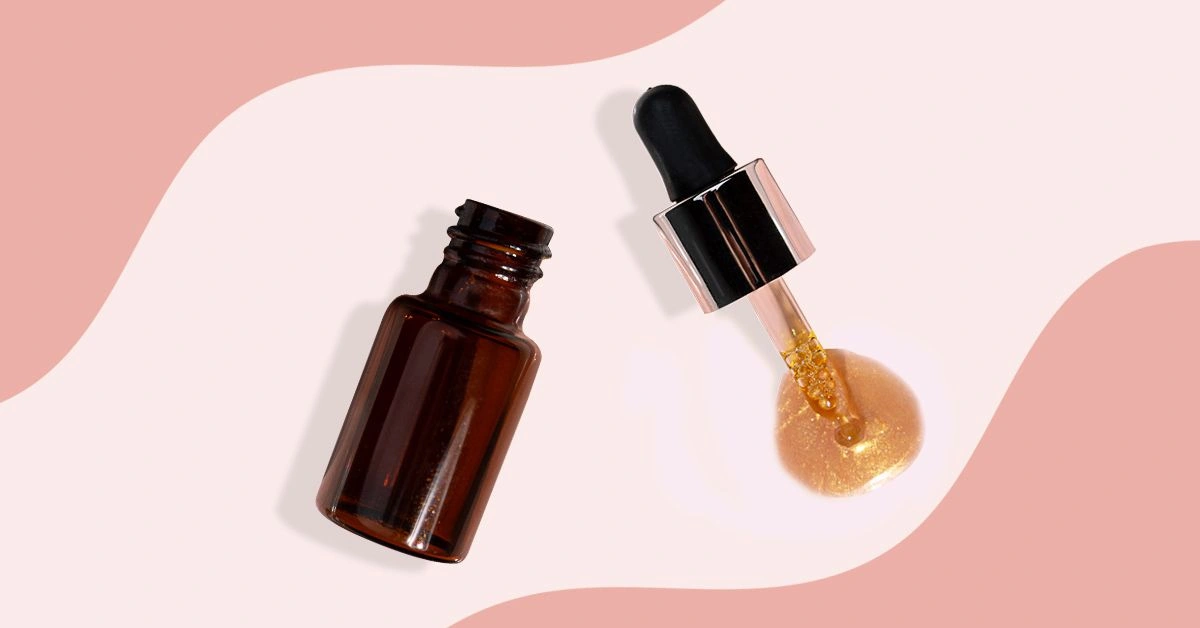
A quick look at the best essential oils for stress
- Best for relaxation: Lavender
- Best for sleep: Chamomile
- Best for meditation: Orange
- Best for anxiety: Sandalwood
- Best for stress: Clary sage
- Best mood lifter: Lemon
- Best for diffusing: Bergamot
- Best for topical use: Rose
- Best for depression: Jasmine
- Best for rest: Ylang ylang
Aromatherapy offers a natural approach to easing stress. The method involves breathing in plant-derived essential oils to support physical and emotional well-being.
Your sense of smell connects directly to brain regions that manage emotions, which is why odors can spark recollections and feelings — both pleasant and unpleasant. Aromatherapy can assist in lowering stress and anxiety, helping you achieve a calmer state.
A 2016 review reported that aromatherapy, used alongside standard care, helped reduce pain.
Because essential oils are highly concentrated, exercise care when using them for the first time. Use them sparingly, particularly for topical applications, since they can be absorbed through the skin.
There are multiple ways to use essential oils for stress relief, from topical application to inhalation or diffusion. A basic guideline is to follow the directions for each specific oil. If you plan to apply an oil to your skin, patch-test a small area first to check for any adverse reaction.
How we chose
We selected these essential oils based on their stress-relieving and anxiety-reducing qualities, and reviewed relevant studies that support those benefits.
When used correctly, essential oils are typically safe.
Still, as with any substance introduced to your body, take proper precautions. Essential oils should be diluted to avoid negative reactions. As a general guideline, keep concentrations below 5 percent.
Be mindful of dose, purity, method of application, and potential interactions with medications. Some oils may be safe to inhale but can irritate skin at concentrations of 3 to 5 percent.
When diffusing oils, follow these safety tips:
- Observe recommended dilution ratios.
- Diffuse in a space with good ventilation.
- Diffuse intermittently, such as 30 to 60 minutes on, then 30 to 60 minutes off.
HealthEH’s picks for the 10 best essential oils for stress
Best for relaxation
Lavender

Lavender is a favorite among both newcomers and seasoned aromatherapy users. With documented anxiolytic effects, lavender can produce an overall calming sensation.
A 2013 study showed that a 3 percent lavender spray on clothing reduced workplace stress.
Lavender has a floral aroma and versatile uses. Add a few drops to a diffuser, use a diluted topical blend, or combine it with other oils.
Try this:
Best for sleep
Chamomile

Chamomile, commonly used in teas, is known for its mild sedative qualities. Chamomile essential oil similarly promotes relaxation and can aid sleep.
Research supports chamomile’s use for various ailments including digestive issues, anxiety, wounds, pain, and sleep disturbances.
A 2017 study reported that after 8 weeks, 58.1 percent of participants had reduced symptoms of moderate to severe generalized anxiety disorder when using chamomile extract.
A small 2018 study found chamomile therapy reduced anxiety symptoms and raised morning cortisol levels.
Try diffusing Roman chamomile or applying a few diluted drops before sleep to harness its soothing benefits.
Try this:
Best for meditation
Orange

Orange essential oil, a citrus scent with anxiolytic effects, can foster relaxation.
A 2012 study observed that participants inhaling sweet orange oil did not experience increased anxiety or tension in a stress-inducing scenario, unlike those exposed to a control aroma or placebo.
Its uplifting citrus notes can also sharpen the senses and boost alertness, offering a harmonious mood ideal for meditation.
Orange oil works well in a diffuser or blended with other oils.
Try this:
Best for anxiety
Sandalwood

Sandalwood oil is obtained from the wood and roots of Santalum album, the East Indian sandalwood tree — a highly prized species.
With a warm, earthy aroma and anxiolytic effects, sandalwood is effective for easing anxiety.
A modest 2006 study suggested sandalwood reduced anxiety in participants. While the sample was small, findings were encouraging.
This mild, woodsy oil can be diffused, inhaled directly, or applied topically (when diluted).
Try this:
Best for stress
Clary sage

Clary sage (Salvia sclarea) is a flowering herb from the Mediterranean area. It’s particularly useful for stress because it may influence cortisol, the body’s stress hormone.
A 2014 study found inhaling clary sage lowered cortisol and produced antidepressant-like effects in menopausal women.
Diffuse clary sage to scent a room, inhale it from a cotton ball, or apply topically when diluted.
Try this:
Best mood lifter
Lemon

Lemon essential oil, extracted from lemon peel, has shown in animal studies potential sedative and anxiety-reducing effects.
With a bright, invigorating scent, lemon is a natural mood enhancer and can help reduce stress while promoting a positive outlook.
A 2018 study noted lemon oil influenced dopamine activity in mice. A 2005 study found lemon oil improved attention, concentration, cognitive performance, and mood in students during learning tasks.
Try this:
Best for diffusing
Bergamot

Bergamot, from the peel of Citrus bergamia, is another citrus-scented oil with anxiolytic potential.
Although research is limited, some studies indicate bergamot may lessen stress and encourage relaxation.
A 2017 study reported that 15 minutes of inhaling bergamot improved positive feelings among people waiting at a mental health clinic.
Bergamot is ideal for diffusing or inhalation, but note it can be photosensitive. Topical application may increase sun sensitivity and could cause skin irritation or burns when exposed to sunlight.
Try this:
Best for topical use
Rose

Rose oil, distilled from rose petals, offers a soft floral scent alongside calming effects.
A 2009 study found topical rose oil significantly decreased breathing rate, blood oxygen saturation, and systolic blood pressure, and participants reported feeling more relaxed.
A 2014 study of over 100 pregnant women showed rose oil reduced anxiety during labor.
Try this:
Best for depression
Jasmine

Jasmine oil comes from the white blooms of Jasminum officinale and is widely used for its soothing and uplifting qualities.
A 2013 study found that inhaling jasmine oil decreased negative emotions and improved overall mood.
A 2010 study reported that jasmine increased blood oxygen levels, breathing rate, and blood pressure compared with placebo, and participants felt more alert.
Researchers suggested jasmine’s stimulating and activating effects may help alleviate depression and boost mood.
Try this:
Best for rest
Ylang ylang

Ylang ylang is a yellow, star-shaped blossom from the Cananga odorata tree, which grows in regions like India, the Philippines, Malaysia, Indonesia, and parts of Australia.
Early 2006 research indicated ylang ylang may lower blood pressure and promote relaxation.
Its sweet floral aroma is ideal when you want to unwind and rest without strong sedative effects.
Try this:
Takeaway
A variety of essential oils can help ease stress, whether you want relief from anxiety, a natural aid for sleep, or something to steady your mood during meditation.
If you’re dealing with intense stress or physical symptoms tied to stress, seek guidance from a healthcare professional.





















Leave a Reply
You must be logged in to post a comment.