
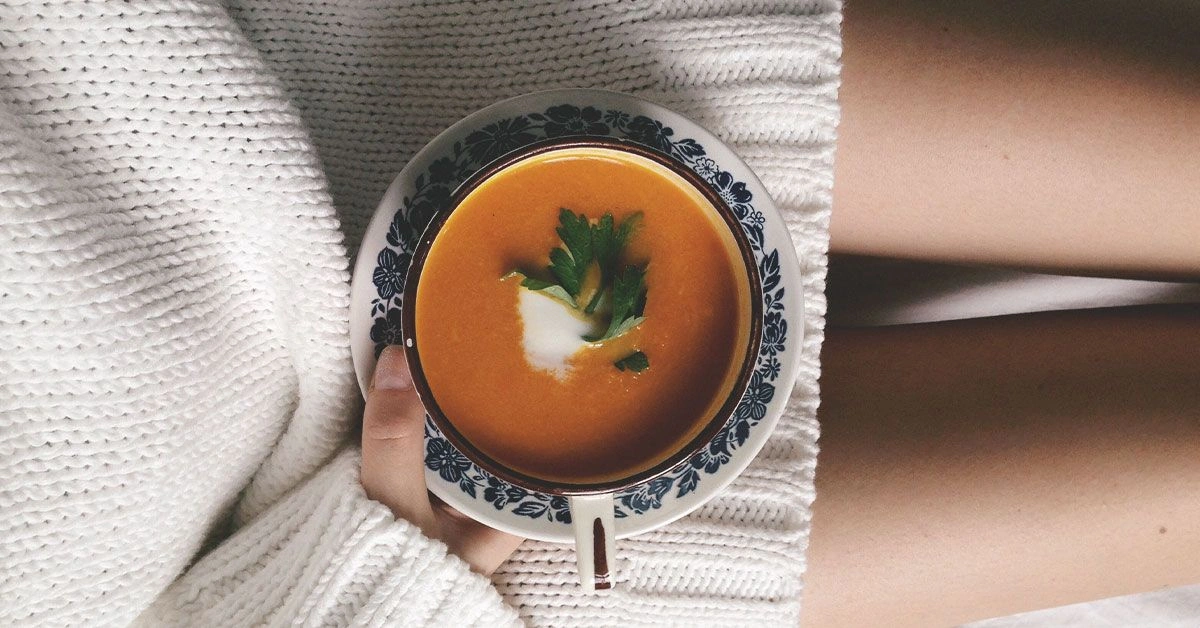
After delivery — whether vaginal or via cesarean — your body needs time to mend and recuperate. In Mexican tradition, this recovery window is known as the “cuarentena.” During this healing phase, nourishing soups and broths can play a vital role in restoring your strength.
Chances are you spent the previous nine months prioritizing a healthy pregnancy — but what steps should you take to care for yourself after the baby arrives?
No matter the mode of delivery, your body requires extra care and nutrients as it repairs itself.
As Rachel High, DO, an obstetrician-gynecologist and urogynecology fellow at Baylor Scott & White Health in Central Texas, explains, certain nutrients — like “iron, vitamin B-12, and folate, or folic acid” — help rebuild blood cells that are inevitably lost during childbirth or other injuries.
One practical way to boost those nutrients is through broths.
Across many cultures, broths and soups are a traditional cornerstone of postpartum nourishment. Lizzy Swick, MS, RDN, a registered dietitian based in Montclair, New Jersey, also notes that soups and stews are exceptionally nutrient-dense.
“During recovery, women need nutrients that are easy to digest and absorb to help rebalance hormones and replenish blood,” she says.
Rather than forcing your body to expend energy digesting large amounts of raw fiber, “consuming restorative soups and stews lets your body devote its resources to repair and recovery,” Swick adds.
Below are five soups from different cultures believed to aid postpartum recuperation, plus two do-it-yourself soup ideas for wholesome nourishment.
1. Fortified seaweed soup
In Korea, new mothers are often served seaweed soup, or “miyeok guk,” during the postpartum rest period called Saam-chil-il.
This time is meant to give new moms a silent span to recover from general stressors without being overwhelmed by visitors.
Traditionally, seaweed soup is valued for its hydrating properties — especially useful for breastfeeding parents.
It also offers:
- a high calcium content (helpful to counteract bone loss linked with pregnancy and labor)
- iodine (important for infant brain development)
- fiber to ease constipation
- iron to prevent anemia and support overall vitality
“Seaweeds are among the best foods to support glandular health like the thyroid and adrenals — both of which may need extra attention postpartum,” says Swick.
Seaweed is additionally abundant in:
- magnesium
- zinc
- potassium
- manganese
- copper
- essential fatty acids omega-3 and omega-6
- vitamins A, C, E, and B
For a protein-rich take on miyeok guk, consider this Korean Bapsang recipe. Crafted by a Korean mother, it’s a comforting bowl that feels like care in a pot.
Seaweed and iodine levels A serving of miyeok guk may be high in iodine, depending on the type of seaweed used. One sheet can supply anywhere from 11 to 1,989 percent of your daily value. Because excessive iodine can be risky for infants, check product labels before buying.
2. Pork vinegar soup
Many Chinese families believe a pork-and-vinegar soup supports postnatal recovery.
This dish is frequently consumed to help boost milk production, though family members also bring it to celebrate the newborn’s arrival. Hard-boiled eggs are often served alongside for extra protein.
“Sufficient protein intake is critical for tissue repair after injury and childbirth,” High says. “Ensuring meals meet recommended protein levels can help recovery if you experienced vaginal tears or a C-section incision.”
Try Mama Tong’s version of pork vinegar soup. Made with ginger, pork trotters, and sweetened rice vinegar, it’s a hearty preparation. Mama Tong advises avoiding it during pregnancy and moderating portions if you’re watching your weight.
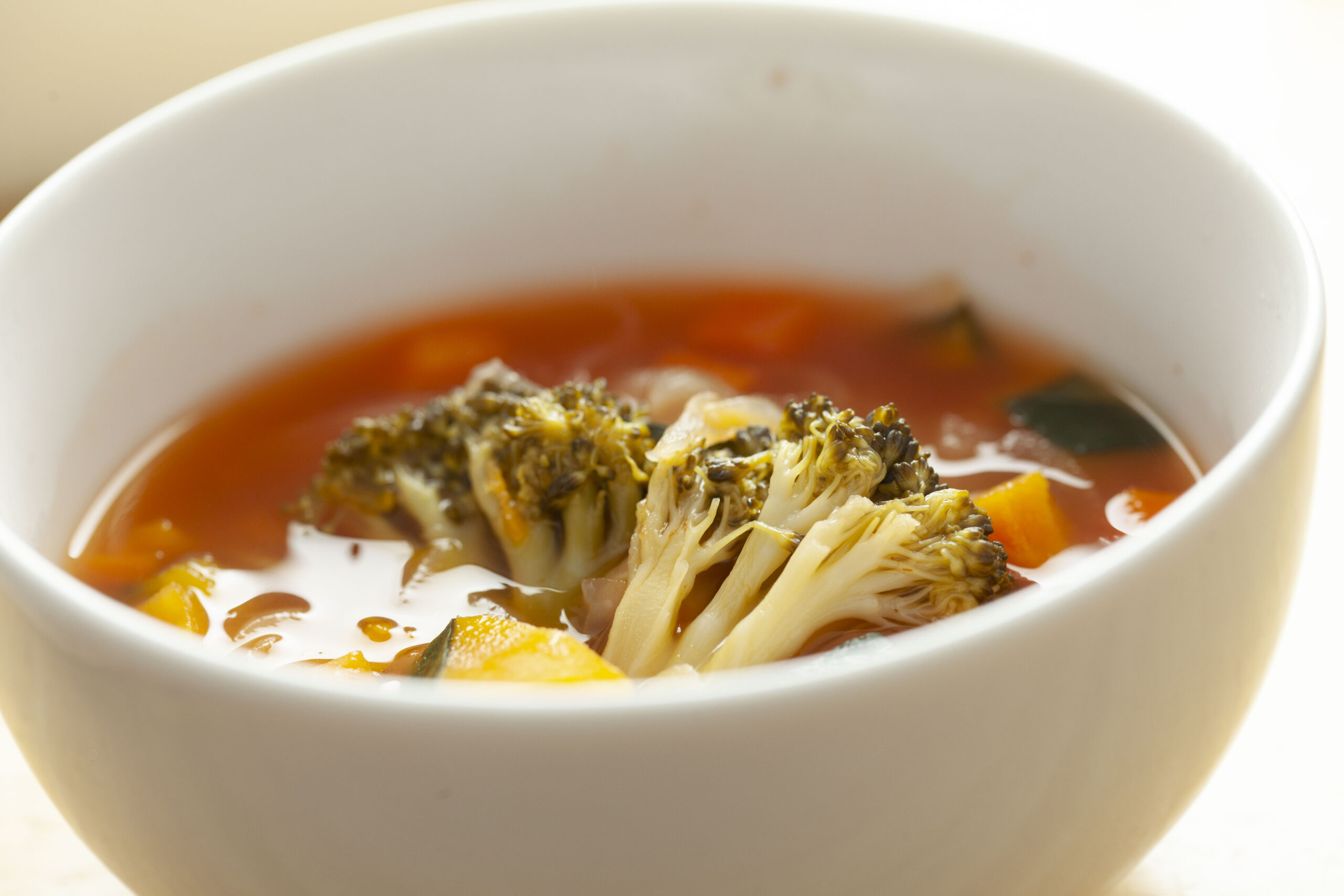
3. Herb-filled tomato soup
This soothing staple can be more than just a nostalgic favorite.
By adding fresh herbs and aromatics, a basic tomato soup becomes a restorative bowl that helps counter oxidative stress and inflammation.
“Herbs and spices are nature’s medicine and an easy way to increase nutrient density in our diets,” says Swick.
She suggests pairing your soup with these additions:
- basil — may help elevate mood (important for combating postpartum blues and depression)
- parsley — supports liver detoxification (helpful as hormones rebalance)
- turmeric — a strong anti-inflammatory that supports healing
- garlic — for its antibacterial qualities
For an easy recipe, try Welcome Baby Care’s tomato basil soup. This postpartum-friendly version emphasizes warmth, comfort, and nourishment.
4. Caldo de pollo, or chicken soup
In Mexican tradition, the first 40 days after childbirth are called the “cuarentena,” a period during which the mother is encouraged to rest, eat well, and bond with her baby.
The forty-day timeframe is thought to allow the reproductive organs to heal and return to their normal state following delivery.
During the cuarentena, chicken soup and carrot-based dishes are commonly recommended because they’re gentle and not overly stimulating for a body that is healing.
There isn’t one specific chicken soup tied to the cuarentena, but we suggest tryingcaldo de pollo, a classic homemade chicken soup. Food blog Muy Bueno calls it medicine for the soul, with ingredients like carrots, tomatoes, garlic, lime, and safflower.
5. Green papaya fish soup
Chinese and Vietnamese customs hold that green papaya is particularly beneficial for lactating moms.
A 2001 study found that women who consumed 650 grams of pureed papaya or 100 grams of grated carrots experienced improved vitamin A and iron status.
Because breast milk typically contains low amounts of iron, that nutritional boost can be advantageous for both infant and breastfeeding parent.
Papaya is also rich in essential vitamins and minerals such as:
- vitamins A, C, E, and K (to support immunity)
- folate
- magnesium
- potassium
- calcium
Benefits of papaya
- vitamins that help strengthen immune function
- helps balance electrolytes
After delivery — whether vaginal or via cesarean — your body needs time to mend and recuperate. In Mexican tradition, this recovery window is known as the “cuarentena.” During this healing phase, nourishing soups and broths can play a vital role in restoring your strength.
Chances are you spent the previous nine months prioritizing a healthy pregnancy — but what steps should you take to care for yourself after the baby arrives?
No matter the mode of delivery, your body requires extra care and nutrients as it repairs itself.
As Rachel High, DO, an obstetrician-gynecologist and urogynecology fellow at Baylor Scott & White Health in Central Texas, explains, certain nutrients — like “iron, vitamin B-12, and folate, or folic acid” — help rebuild blood cells that are inevitably lost during childbirth or other injuries.
One practical way to boost those nutrients is through broths.
Across many cultures, broths and soups are a traditional cornerstone of postpartum nourishment. Lizzy Swick, MS, RDN, a registered dietitian based in Montclair, New Jersey, also notes that soups and stews are exceptionally nutrient-dense.
“During recovery, women need nutrients that are easy to digest and absorb to help rebalance hormones and replenish blood,” she says.
Rather than forcing your body to expend energy digesting large amounts of raw fiber, “consuming restorative soups and stews lets your body devote its resources to repair and recovery,” Swick adds.
Below are five soups from different cultures believed to aid postpartum recuperation, plus two do-it-yourself soup ideas for wholesome nourishment.
1. Fortified seaweed soup
In Korea, new mothers are often served seaweed soup, or “miyeok guk,” during the postpartum rest period called Saam-chil-il.
This time is meant to give new moms a silent span to recover from general stressors without being overwhelmed by visitors.
Traditionally, seaweed soup is valued for its hydrating properties — especially useful for breastfeeding parents.
It also offers:
- a high calcium content (helpful to counteract bone loss linked with pregnancy and labor)
- iodine (important for infant brain development)
- fiber to ease constipation
- iron to prevent anemia and support overall vitality
“Seaweeds are among the best foods to support glandular health like the thyroid and adrenals — both of which may need extra attention postpartum,” says Swick.
Seaweed is additionally abundant in:
- magnesium
- zinc
- potassium
- manganese
- copper
- essential fatty acids omega-3 and omega-6
- vitamins A, C, E, and B
For a protein-rich take on miyeok guk, consider this Korean Bapsang recipe. Crafted by a Korean mother, it’s a comforting bowl that feels like care in a pot.
Seaweed and iodine levels A serving of miyeok guk may be high in iodine, depending on the type of seaweed used. One sheet can supply anywhere from 11 to 1,989 percent of your daily value. Because excessive iodine can be risky for infants, check product labels before buying.

(img by Fourth Trimester) ADVERTISEMENT2. Pork vinegar soup
Many Chinese families believe a pork-and-vinegar soup supports postnatal recovery.
This dish is frequently consumed to help boost milk production, though family members also bring it to celebrate the newborn’s arrival. Hard-boiled eggs are often served alongside for extra protein.
“Sufficient protein intake is critical for tissue repair after injury and childbirth,” High says. “Ensuring meals meet recommended protein levels can help recovery if you experienced vaginal tears or a C-section incision.”
Try Mama Tong’s version of pork vinegar soup. Made with ginger, pork trotters, and sweetened rice vinegar, it’s a hearty preparation. Mama Tong advises avoiding it during pregnancy and moderating portions if you’re watching your weight.
3. Herb-filled tomato soup
This soothing staple can be more than just a nostalgic favorite.
By adding fresh herbs and aromatics, a basic tomato soup becomes a restorative bowl that helps counter oxidative stress and inflammation.
“Herbs and spices are nature’s medicine and an easy way to increase nutrient density in our diets,” says Swick.
She suggests pairing your soup with these additions:
- basil — may help elevate mood (important for combating postpartum blues and depression)
- parsley — supports liver detoxification (helpful as hormones rebalance)
- turmeric — a strong anti-inflammatory that supports healing
- garlic — for its antibacterial qualities
For an easy recipe, try Welcome Baby Care’s tomato basil soup. This postpartum-friendly version emphasizes warmth, comfort, and nourishment.
ADVERTISEMENT4. Caldo de pollo, or chicken soup
In Mexican tradition, the first 40 days after childbirth are called the “cuarentena,” a period during which the mother is encouraged to rest, eat well, and bond with her baby.
The forty-day timeframe is thought to allow the reproductive organs to heal and return to their normal state following delivery.
During the cuarentena, chicken soup and carrot-based dishes are commonly recommended because they’re gentle and not overly stimulating for a body that is healing.
There isn’t one specific chicken soup tied to the cuarentena, but we suggest tryingcaldo de pollo, a classic homemade chicken soup. Food blog Muy Bueno calls it medicine for the soul, with ingredients like carrots, tomatoes, garlic, lime, and safflower.
5. Green papaya fish soup
Chinese and Vietnamese customs hold that green papaya is particularly beneficial for lactating moms.
A 2001 study found that women who consumed 650 grams of pureed papaya or 100 grams of grated carrots experienced improved vitamin A and iron status.
Because breast milk typically contains low amounts of iron, that nutritional boost can be advantageous for both infant and breastfeeding parent.
Papaya is also rich in essential vitamins and minerals such as:
- vitamins A, C, E, and K (to support immunity)
- folate
- magnesium
- potassium
- calcium
Benefits of papaya
- vitamins that help strengthen immune function
- helps balance electrolytes
- supports healthy blood pressure
- increases energy
- promotes heart and muscle health
Give this a try:green papaya fish soup combines the benefits of papaya with red snapper, scallions, garlic, and ginger for a flavorful, nourishing dish.
Papaya and pregnancy caution
While ripe or cooked papaya is generally safe, tradition and research warn that unripe or semi-ripe papaya during pregnancy can pose risks.
Papaya may have uterine-stimulating properties and animal studies suggest that very large doses could provoke contractions and be risky depending on estrogen levels. A “large dose” for someone weighing 150 pounds would be roughly 27.2 grams of papaya.
ADVERTISEMENTCreate your own soup tradition
Many of the soups above aim to concentrate key nutrients beneficial after childbirth.
As Swick notes, “During illness or stress some essential amino acids can be depleted, so it’s best to obtain them from foods. Consuming bone broths and restorative soups is an excellent way to rebuild resilience against stress-related illness.”
If these recipes aren’t to your taste, you can also prepare your own collagen-rich bone broths and hearty vegetable soups.
Below are basic principles for simmering up your own restorative soups.
Collagen-rich bone broths
You’ll get restorative benefits whether you buy premade bone broth or simmer your own at home.

For a clear, light broth, use chicken, beef, or fish bones. Pork or lamb are usable too, though they tend to lend a stronger, gamier flavor.
Bone broths can help maintain your post-pregnancy glow by delivering collagen-derived amino acids, which support your body during nights of limited sleep or ongoing postpartum stress.
When preparing your own broths, Swick recommends choosing wild-caught or organic, pasture-raised, free-range, and antibiotic- and hormone-free bones and meats when possible.
One nourishing option: Yang’s Nourishing Kitchen’s healing oxtail soup is inspired by Chinese herbal traditions and features ginger, mushrooms, goji berries, and root vegetables.
A quicker pick for busy caregivers is Jessica Austin’s chicken-and-egg “birth broth”. Using storebought chicken broth, this recipe concentrates protein and collagen; drinking a cup daily may support tissue repair and joint health postpartum.
Nutrient-rich vegetable soups
“With any vegetables added to soups and stews, you’ll benefit from the produce’s nutritional properties while avoiding nutrient losses from other cooking methods,” Swick says.
Vegetable broths can be especially beneficial for mothers recovering from C-sections because they promote gentle digestion, allowing the body to focus on healing.
To start, Swick suggests:
- root vegetables (carrots, parsnips, onions) for starchy carbs, vitamins A and C, fiber, and minerals like potassium, calcium, iron, magnesium, and zinc
- beta-carotene–rich squashes (butternut, acorn) for antioxidants
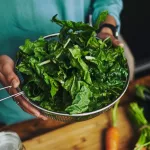
- dark leafy greens (kale, chard, watercress, cabbage) for folate, vitamins C and K, iron, magnesium, and calcium
“These vegetables help support healthy vision, reduce inflammation, and provide a variety of mineral cofactors,” Swick says.
Try this vegetable broth as a base or sip it like tea: vegetable broth recipe.
If making big pots of soup feels overwhelming, High suggests a simpler alternative: discuss with your provider the possibility of continuing your prenatal vitamin for one to two months postpartum.
For more ideas on nourishing dishes that support breastfeeding and recovery, see lactation boosting recipes and tips for soothing skin and hair after baby arrives in postpartum skin care tips for nurturing your skin and hair after pregnancy. If you’re managing reflux or need gentle savory options, you may also find helpful suggestions among soups for gerd.
Frequently Asked Questions
What are the best soups for postpartum recovery?
How do soups help with milk supply?
Are there any ingredients to avoid while breastfeeding?
Can I drink these soups after a C-section?
How soon after delivery can I start eating these soups?





















Leave a Reply
You must be logged in to post a comment.