A Guide to Nutrients for Females at Any Age


Nutritional requirements for females differ from those of males, as females are more susceptible to certain nutrient deficiencies at various stages of life. Clear dietary recommendations outline what to eat and in what amounts, but these needs shift depending on age, activity level, and overall health status. Reviewing a reliable Daily nutritional requirements chart can help you better understand how much of each nutrient your body requires.

The food choices you make each day play a significant role in your long-term well-being. Building meals around nutrient-dense foods helps your body function optimally and lowers the likelihood of developing age-related conditions such as osteoporosis, heart disease, and metabolic disorders.
For females, maintaining balanced nutrition from childhood through older adulthood is particularly important due to hormonal changes, reproductive health needs, and bone health considerations. Using a structured Daily nutritional requirements chart alongside a Nutritional value chart can make it easier to align daily meals with recommended intake levels.
Below are the essential nutrients that young adult females should monitor closely as part of a healthy eating pattern.
[the terms “male” and “female”]
In this article, we use “male and female” to describe a person’s sex as determined by chromosomes and “men and women” when referring to gender (unless quoting sources that use broader terminology).
Sex is determined biologically by chromosomes, while gender is a social construct that may differ across cultures and historical periods. Both are widely recognized to exist along a spectrum according to modern scientific understanding.
What is the recommended nutrition per day?
On average, females require about 2,000 calories daily to maintain their weight and approximately 1,500 calories per day to lose about 1 pound per week. Individual calorie requirements, however, vary depending on metabolism, body composition, and physical activity level.
Compared with males, females particularly need to include adequate amounts of iron, vitamin B6, magnesium, folate, choline, vitamin B12, zinc, calcium, vitamin D, and iodine in their diets. These micronutrients support blood health, bone strength, neurological function, and reproductive health.
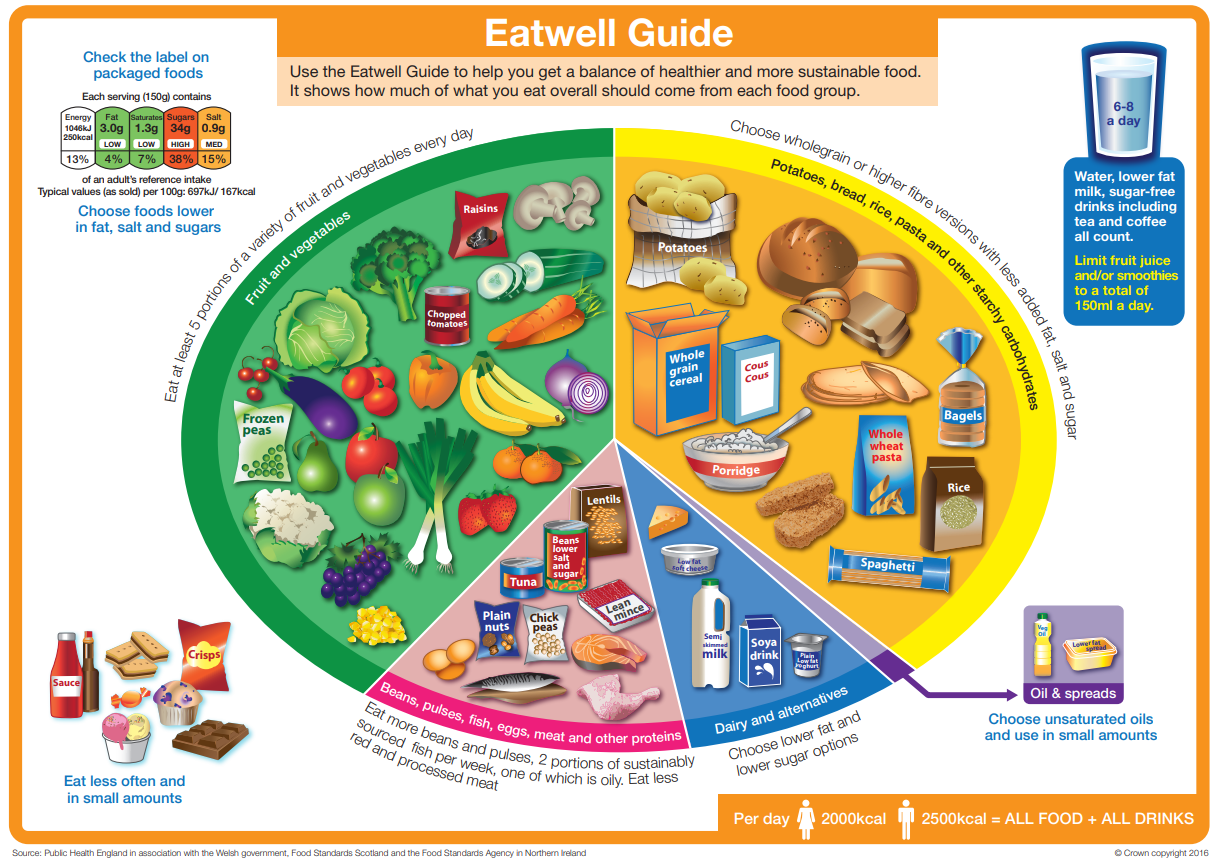
That said, calorie needs and specific nutrient requirements shift based on age, pregnancy or lactation status, chronic health conditions, and exercise habits. Consulting a Nutritional value calculator in combination with a Daily nutritional requirements chart can provide more personalized guidance.
Nutrition recommendations for females by age
The following daily nutritional requirement charts are based on the Dietary Guidelines for Americans . Refer carefully to the measurement units listed below to interpret the amounts accurately.
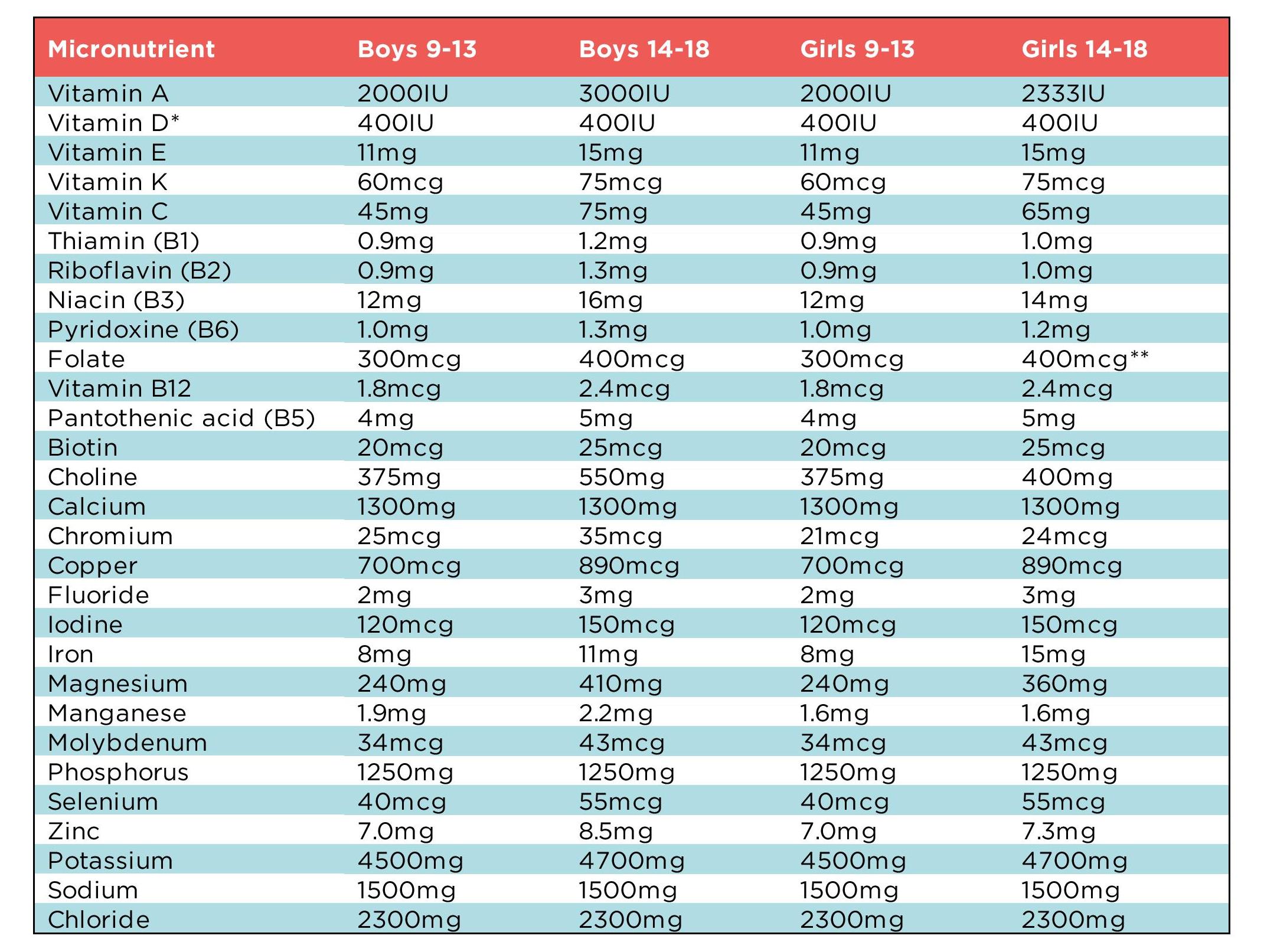
| Measurement unit | shortened | Explanation |
|---|---|---|
| grams | g | |
| milligrams | mg | 1 g = 1,000 mg |
| micrograms of retinol activity equivalents milligrams of alpha-tocopherol | mcg RAEmg at | For some vitamins, the recommended dietary allowance (RDA) is expressed this way to account for differences in absorption rates. |
| international unit | IU | This unit indicates how much of a vitamin is required to produce a biological effect in the body. |
| mcg | micrograms | 1 mg = 1,000 mcg |
| DFE | dietary folate equivalents | This measurement accounts for the increased absorption of folic acid from fortified foods and supplements compared to naturally occurring folate. |
Macronutrients and minerals
| Type | 0–2 years | 4–8 | 9–13 | 14–18 | 19–30 | 31–50 | 51+ | Pregnant | Lactating | Foods |
|---|---|---|---|---|---|---|---|---|---|---|
| Protein (g) | 13 | 19 | 34 | 46 | 46 | 46 | 46 | 71 | 71 | high protein foods |
| Carb (g) | 130 | 130 | 130 | 130 | 130 | 130 | 130 | 175 | 210 | healthy carb foods |
| Fiber (g) | 14 | 17 | 22 | 25 | 28 | 25 | 22 | 25–34 | 31 | high fiber foods |
| Added sugar (kcal) | <10 | <10 | <10 | <10 | <10 | <10 | <10 | <10 | <10 | high sugar foods to limit |
| Fat (kcal) | 30–40 | 25–35 | 25–35 | 25–35 | 20–35 | 20–35 | 20–35 | 20–35 | 20–35 | foods with healthy fats |
| Calcium (mg) | 700 | 1,000 | 1,300 | 1,300 | 1,000 | 1,000 | 1,200 | 1,000 | 1,000–1,300 | calcium-rich foods |
| Iron (mg) | 7 | 10 | 8 | 15 | 18 | 18 | 8 | 27 | 9–10 | iron-rich foods |
| Magnesium (mg) | 80 | 130 | 240 | 360 | 310 | 320 | 130 | 360–400 | 310–360 | magnesium-rich foods |
| Phosphorus (mg) | 460 | 500 | 1,250 | 1,250 | 700 | 700 | 500 | 700–1,250 | 700–1,250 | phosphorus-rich foods |
| Potassium (mg) | 2,000 | 2,300 | 2,300 | 2,300 | 2,600 | 2,600 | 2,600 | 2,600–2,900 | 2,500–2,800 | potassium-rich foods |
| Zinc (mg) | 3 | 5 | 8 | 9 | 8 | 8 | 8 | 11–12 | 12–13 | high zinc foods |
| Sodium (mg) | 1,200 | 1,200 | 1,800 | 2,300 | 2,300 | 2,300 | 2,300 | 2,300 | 2,300 | high sodium foods to limit |
| Riboflavin (mg) | 0.5 | 0.6 | 0.9 | 1.0 | 1.1 | 1.1 | 1.1 | 1.4 | 1.6 | sources of riboflavin |
| Niacin (mg) | 6 | 8 | 12 | 14 | 14 | 14 | 14 | 18 | 17 | sources of niacin |
| Iodine (mcg) | 90–110 | 90 | 120 | 150 | 150 | 150 | 150 | 220 | 290 | sources of iodine |
Vitamins
| Type | 0–2 years | 4–8 | 9–13 | 14–18 | 19–30 | 31–50 | 51+ | Pregnant | Lactating | Foods |
|---|---|---|---|---|---|---|---|---|---|---|
| Vitamin A (mcg rae) | 300 | 400 | 600 | 700 | 700 | 700 | 700 | 750–770 | 1,200–1,300 | sources of vitamin A |
| Vitamin E (mg at) | 6 | 7 | 11 | 15 | 15 | 15 | 15 | 15 | 19 | sources of vitamin E |
| Vitamin C (mg) | 15 | 25 | 45 | 65 | 75 | 75 | 75 | 80–85 | 115–120 | sources of vitamin C |
| Vitamin D (IU) | 600 | 600 | 600 | 600 | 600 | 600 | 600 | 600 | 600 | sources of vitamin D |
| Thiamin (mg) | 0.5 | 0.6 | 0.9 | 1.0 | 1.1 | 1.1 | 1.1 | 1.4 | 1.4 | sources of thiamin |
| Riboflavin (mg) | 0.5 | 0.6 | 0.9 | 1.0 | 1.1 | 1.1 | 1.1 | 1.4 | 1.6 | sources of riboflavin |
| vitamin B3 or niacin (mg) | 6 | 8 | 12 | 14 | 14 | 14 | 14 | 18 | 17 | sources of niacin |
| Vitamin B6 (mg) | 0.5 | 0.6 | 1.0 | 1.2 | 1.3 | 1.3 | 1.5 | 1.9 | 2 | sources of vitamin B6 |
| Vitamin B12 (mcg) | 0.9 | 1.2 | 1.8 | 2.4 | 2.4 | 2.4 | 2.4 | 2.6 | 2.8 | sources of vitamin B12 |
| Choline (mg) | 200 | 250 | 375 | 400 | 425 | 425 | 425 | 450 | 550 | sources of choline |
| Vitamin K (mcg) | 30 | 55 | 60 | 75 | 90 | 90 | 90 | 75–90 | 75–90 | sources of vitamin K |
| Folate (mcg DFE) | 150 | 200 | 300 | 400 | 400 | 400 | 400 | 600 | 500 | sources of folic acid |
How to meet the recommendation if you aren’t currently
Reviewing food labels can help you determine whether you are meeting or exceeding recommended intake levels for specific nutrients. This practical habit supports better alignment with a Daily nutritional requirements chart.
However, tracking every macronutrient gram may feel overwhelming. Instead, prioritize a well-rounded dietary pattern rich in whole foods. Aim to regularly include fruits, vegetables, whole grains, legumes, nuts, seeds, and lean protein sources. Dairy or fortified alternatives can help meet calcium and vitamin D needs.
If you are pregnant, breastfeeding, managing a chronic illness, or following a restrictive diet, consult your doctor or a registered dietitian. Nutritional needs during pregnancy, lactation, and postpartum recovery often require specific adjustments.
Portion sizes
Pay attention not only to food quality but also to portion sizes and meal balance.
A portion is how much you might eat at one time, while a serving refers to the recommended amount of a particular food. Serving sizes are typically listed on nutrition labels.
In general, aim for half of your plate to consist of fruits and vegetables. Divide the remaining half between whole grains and protein sources to create a balanced, nutrient-rich meal.
Diets
Several evidence-based dietary patterns naturally emphasize whole, nutrient-dense foods and align well with daily nutrition guidelines. These include:
- Mediterranean diet
- The DASH diet
- The MIND diet
- The Mayo Clinic Diet
Before starting any structured eating plan, speak with your doctor or a registered dietitian. Individual health conditions, medications, and lifestyle factors can influence which approach is most appropriate.
Supplements
Some females may benefit from dietary supplements, particularly during pregnancy or lactation. Iron, folic acid, vitamin D, or other nutrients may be recommended depending on laboratory results and individual risk factors. Always consult your doctor before beginning supplementation to ensure proper dosing and safety.
Probiotics
Probiotics are not nutrients themselves but beneficial bacteria found in certain foods and supplements. Research indicates that probiotics may enhance the absorption of vitamin B12, folate, calcium, zinc, iron, and possibly other nutrients.
Probiotic-rich fermented foods include:
- yogurt
- kimchi
- kombucha
- sauerkraut
- miso
- unpasteurized apple cider vinegar
Certain probiotic strains may also help maintain a healthy balance of bacteria in the vaginal and urinary tracts. Speak with a healthcare professional to determine which probiotic strains best suit your needs.
Conditions that can impact nutritional needs in females
Different life stages and medical conditions can significantly influence nutrient requirements.
- Puberty : During adolescence, adequate protein intake is especially important to support growth and development. A varied diet is equally essential, along with awareness of disordered eating patterns, which young females are more susceptible to.
- Menopause : During menopause, the risk of osteoporosis increases. Ensuring adequate intake of calcium, vitamin D, and magnesium can help protect bone density.
- Older age: In later years, higher protein intake supports muscle preservation and helps reduce age-related muscle loss.
- Nutritional deficiencies: Some individuals may have inadequate levels of specific nutrients. Women are at increased risk of vitamin D deficiency. Research shows many pregnant females have low magnesium levels, and many young women, particularly vegetarians, may not consume enough choline.
Additionally, certain health conditions may require dietary modifications or supplementation. These include:
- heart disease
- cancer such as breast cancer or ovarian cancer
- lung diseases
- diabetes
- polycystic ovary syndrome (PCOS)
- endometriosis
- obesity or high body mass index
- Inflammatory bowel disease (IBD)
If you are managing any of these conditions, consult your healthcare provider for individualized nutrition guidance.
The takeaway
Consuming a colorful variety of fruits and vegetables, along with whole grains, lean protein sources, and dairy or fortified alternatives, can help you meet recommended nutrient targets outlined in a Daily nutritional requirements chart.
If you have dietary restrictions, digestive disorders, or medical conditions that interfere with nutrient absorption, speak with your healthcare professional. They can recommend tailored strategies, including targeted supplementation if necessary, to ensure your nutritional needs are fully met.
Questions & Answers
A daily nutritional requirements chart outlines the recommended amounts of essential nutrients, including vitamins, minerals, and macronutrients, that individuals should consume each day to support optimal health.
Nutritional needs for females shift significantly with age due to factors like growth, hormonal changes, bone health considerations, and reproductive stages, requiring adjustments in calories, protein, calcium, iron, and other key nutrients.
Women particularly need adequate iron, calcium, vitamin D, folate, vitamin B12, magnesium, and iodine to support blood health, bone strength, neurological function, and reproductive wellness.
Review the chart to understand recommended intakes for your age group, then compare these values with your current diet by checking food labels and focusing on nutrient-dense whole foods to meet your targets.
Some women, especially during pregnancy, lactation, or if managing deficiencies, may benefit from supplements like iron, folic acid, or vitamin D, but consulting a healthcare provider is essential for personalized and safe recommendations.


Related Posts

What's the Difference Between Kosher and Halal Diets?
Aug 22, 2026 • 15 min read
What’s the Benefit of Poppyseed Oil?
Aug 25, 2026 • 4 min read
What Is Free-Range Chicken?
Sep 3, 2026 • 21 min read
What Is Cupuaçu? Benefits and Uses
Aug 13, 2026 • 4 min read
What Is Annatto? Uses, Benefits, and Side Effects
Aug 8, 2026 • 20 min read