
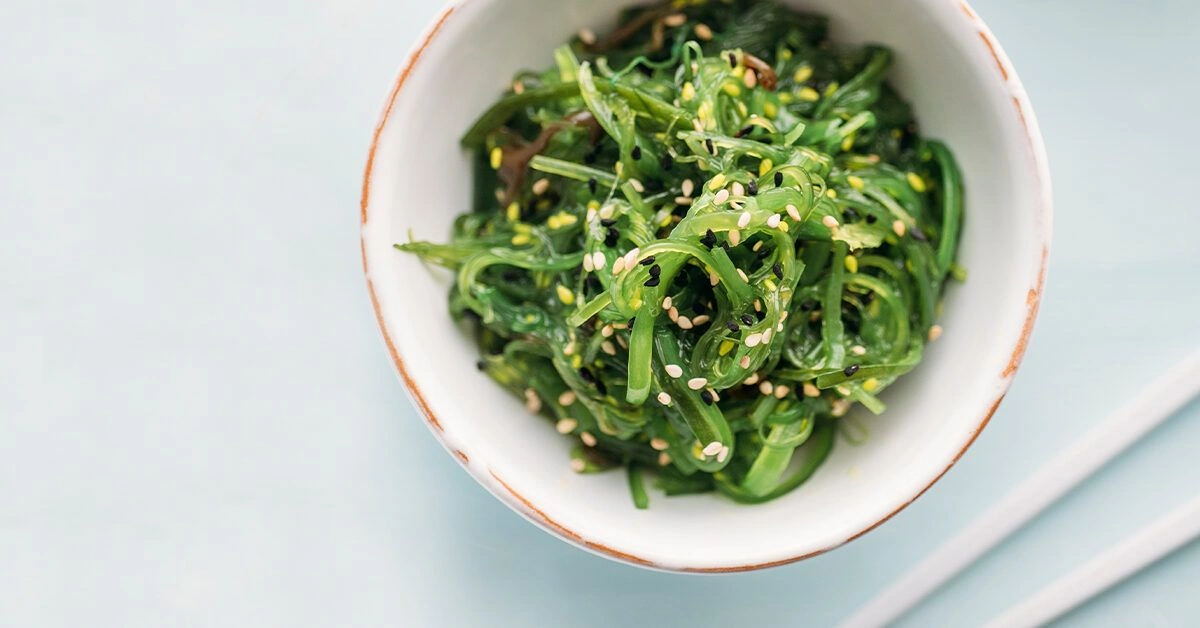
Seaweed salad is a common offering at many Japanese and Korean eateries. You’ve likely seen it at sushi spots, where its vivid neon-green hue is immediately noticeable.
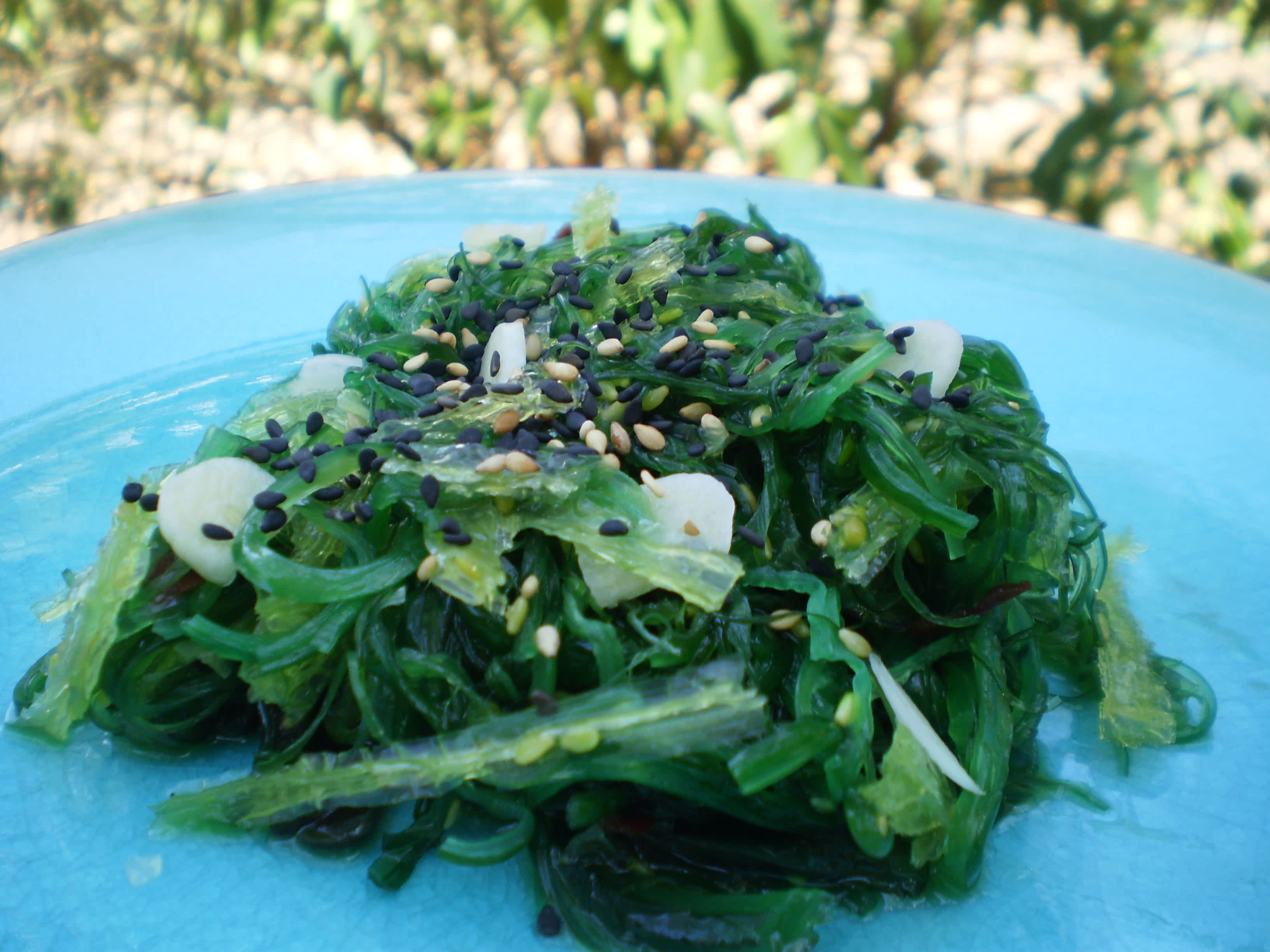
There are several variations of seaweed salad, but the most frequently served version is made from wakame — a nutrient-dense and adaptable seaweed.
That said, lots of people claim the seaweed salad served in restaurants differs from homemade preparations. In fact, authentic wakame isn’t typically that bright green.
This piece covers everything about seaweed salad: its nutrient makeup, possible advantages and drawbacks, and a guide to preparing it at home.
Nutritional profile of seaweed salad
The neon-green seaweed salads you often encounter in restaurants are frequently produced off-site by third-party manufacturers and may include numerous additives, colorants, and flavor enhancers.
A 100-gram portion of seaweed salad supplies (1):
- Calories: 70
- Protein: 1 gram
- Carbohydrates: 11 grams
- Fiber: 5 grams
- Sugar: 6 grams
- Fat: 2.5 grams
- Sodium: 36% of the Reference Daily Intake (RDI)
Many commercial seaweed salads also include added sugars, salt, high fructose corn syrup, hydrolyzed vegetable protein, and color additives like yellow #5 and blue #1.
Although there’s limited evidence that these components are directly dangerous, they offer minimal nutritional benefit.
The dish’s fiber often comes from agar-agar, another kind of seaweed that’s sometimes mixed into seaweed salad. Therefore, a blend of different seaweeds can provide some fiber-related benefits.
Still, plain wakame is a superior source of nutrients. A 2-tablespoon (10-gram) portion of raw wakame — the typical amount used in home recipes — contains (2, 3):
- Calories: 4.5
- Protein: 0.3 grams
- Carbs: 1 gram
- Fiber: less than 1 gram
- Sugar: less than 1 gram
- Fat: less than 1 gram
- Iodine: 280% of the RDI
- Manganese: 6% of the RDI
- Folate: 5% of the RDI
- Sodium: 4% of the RDI
- Magnesium: 3% of the RDI
- Calcium: 1% of the RDI
Wakame by itself is very low in calories, rich in iodine, and a reasonable source of manganese and folate.
By contrast, the extra components in premade seaweed salad — such as added salt, sugar, and oils — significantly increase its calorie load. In addition, premade portions are often larger than homemade servings.
So, if you’re monitoring calorie intake, preparing seaweed salad at home allows you to control the ingredients and portion size.
Summary: Seaweed salad typically features wakame, a nutritious seaweed that’s low in calories and rich in certain nutrients. However, many premade varieties include substantial amounts of salt, sugar, colorants, and flavor additives, making them less wholesome.
Health benefits of seaweed salad
When you prepare seaweed salad at home, you can greatly enhance its nutritional quality and the advantages it offers.
Low in calories
Overall, seaweed salad is low-calorie, delivering under 100 calories per serving — whether premade or homemade (1, 2).
Many ingredients in seaweed salad — such as wakame, agar-agar, assorted vegetables, and small amounts of sesame oil — are modest in calories but dense in nutrients.
Certain premade salads can contain larger quantities of oil, increasing calories, but homemade preparations let you decide how much oil to use.
High in iodine
Wakame is a fantastic source of iodine, a crucial mineral that supports thyroid function and the production of thyroid hormones involved in metabolism, growth, and cell maintenance (4).
Although iodine deficiency is uncommon in many Western countries, it affects roughly 2 billion people worldwide and can result in issues such as goiter and hypothyroidism (5).
Thankfully, wakame and other seaweeds are among the best natural iodine sources, second only to iodized salt. Two tablespoons (10 grams) of wakame provide about 280% of the RDI, which is ample (3).
Can be nutritious
Seaweed salad can be a highly nutritious option, particularly when you make it yourself.
While wakame is the primary component, seaweed salad may also include other nutrient-rich items like sesame seeds, additional seaweed varieties, leafy greens, ginger, edamame, daikon, shredded carrots, and corn.

By contrast, commercial seaweed salad often supplies fewer nutrients because it’s typically made with only wakame plus various flavoring agents.
Summary: Seaweed salad is low in calories and provides valuable nutrients like iodine. Homemade versions can be even more nutritious than restaurant-made ones.
Potential downsides of seaweed salad
There are a few potential negatives associated with seaweed salad, especially the premade kinds served in many restaurants.
High in salt
A 100-gram serving of commercial seaweed salad contains 820 mg of sodium — about 36% of your daily recommended intake — largely from added salt rather than the seaweed itself (1).
While sodium is necessary, excessive consumption can raise blood pressure in salt-sensitive people (6).
Given that many people in the U.S. already consume excessive sodium, it may be wise to reserve premade seaweed salad for occasional treats. Making it yourself can substantially lower sodium content.
Contains many added ingredients
Since many eateries use premade mixes, they don’t control the specific ingredients that go into the salad.
These products frequently include food dyes, high fructose corn syrup, added sugar, excess salt, and assorted flavor enhancers.
They often contain hydrolyzed vegetable protein as a flavoring. Although generally safe for most people, it can contain wheat — so it’s a consideration for those avoiding gluten.
If you want to limit such additives, it’s better to skip premade versions.
Summary: Premade seaweed salad tends to be high in sodium and often contains numerous additives like sugars, syrups, flavor agents, and colorants.
Recipe for seaweed salad
If you’d like to make seaweed salad at home, there are plenty of solid recipes online. You can also invent your own variation in the kitchen.
Begin by buying dried wakame, available at many Asian grocery stores or online retailers.
To prepare, reconstitute the wakame by placing it in a pot of boiled water (removed from heat) for a few minutes. Then drain it in a colander and rinse under cold water. Make sure to squeeze out excess moisture.
Next, add nutritious extras like shredded carrots, grated ginger, sesame seeds, daikon radish, and edamame. Feel free to experiment with different vegetables, herbs, and seasonings.
Finally, choose a dressing. A simple base typically includes sesame oil, soy sauce, and vinegar. You can also add chili flakes, a touch of sugar, and salt to taste.
One helpful video recipe is provided by Yeung Man Cooking, which demonstrates a flavorful sesame seaweed salad that’s easy to prepare. Watch his video here.
Another simple recipe comes from Caroline Caron-Phelps of Pickled Plum, who shares many Japanese-inspired recipes on her site.
Summary: You can quickly make seaweed salad at home by following online recipes or improvising. Purchase dried wakame at an Asian market or from an online shop.
The bottom line
Seaweed salad is a widely enjoyed dish at many Japanese and Korean restaurants.
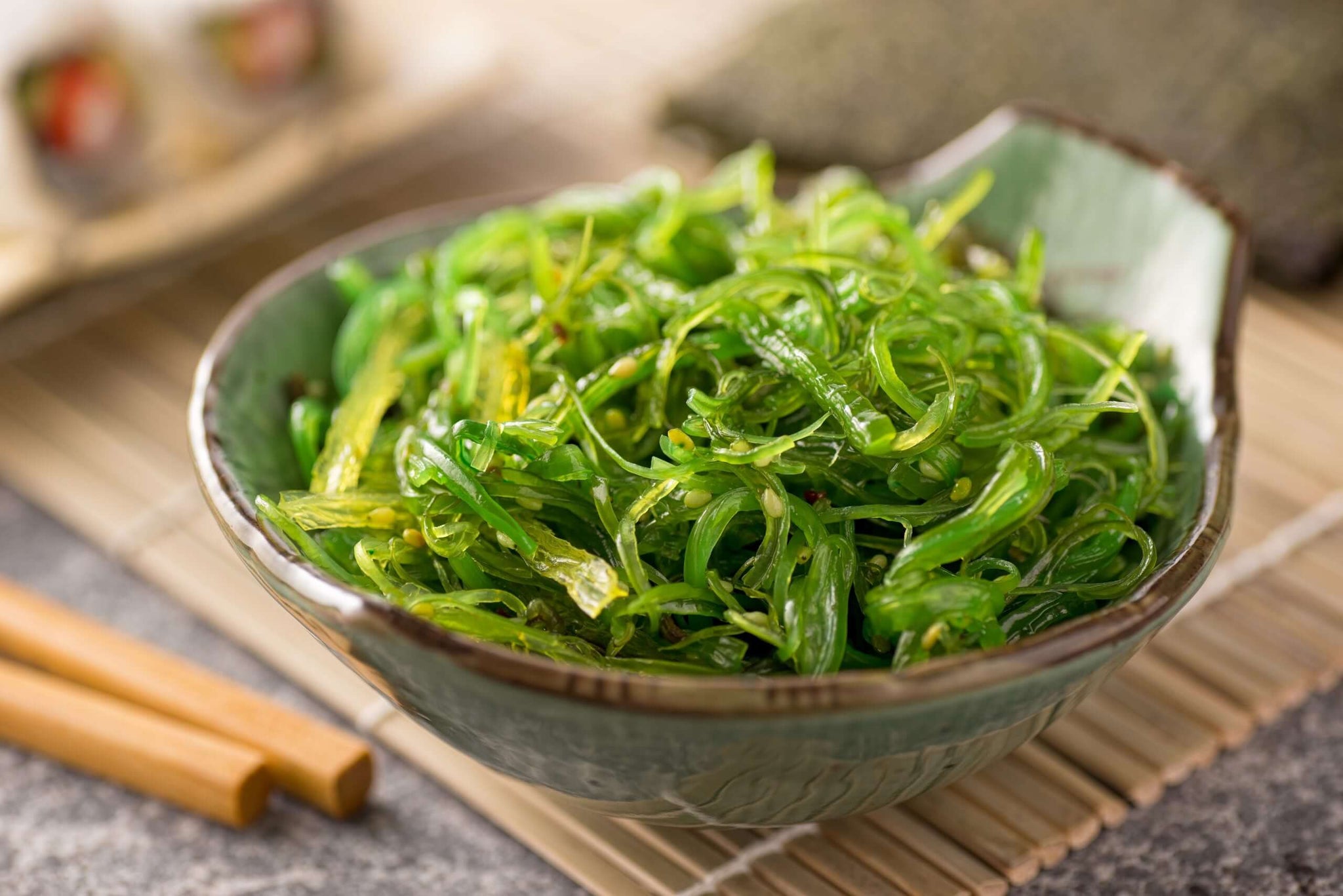
Although it’s made from nutritious wakame, the restaurant versions are often premade and may contain elevated amounts of sugar, salt, syrups, oils, colorants, and flavorings.
If you prefer a healthier option, prepare it yourself so you can pick which ingredients and quantities to use, thereby improving its nutritional value.
If you like the premade varieties, that’s fine — just consider reserving them for occasional enjoyment.
Just one thing
Give this a try tonight: If you’re new to seaweed, buy some dried wakame at an Asian grocery or online and add it to a salad, soup, or stir-fry to explore its flavor and benefits.






















Leave a Reply
You must be logged in to post a comment.