

Your inner ear is sensitive to shifts in pressure and circulation. If you live with high blood pressure, you might begin to experience difficulties with hearing, tinnitus, dizziness, or a feeling of “fullness” in your ears.
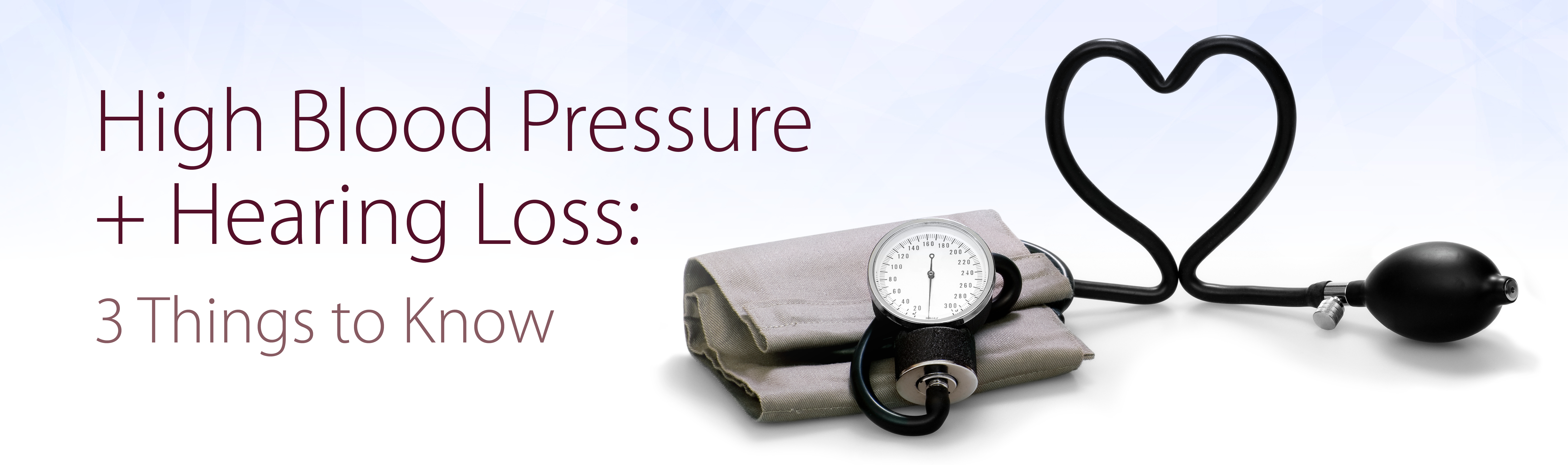
Hypertension, commonly called high blood pressure, happens when the force of blood against your artery walls is high enough to harm your cardiovascular system and other organs.
Because the circulatory system is closely connected to many body structures and systems, elevated blood pressure can influence multiple areas, including your ears.
Your ears depend on a finely tuned internal pressure equilibrium that helps you keep spatial awareness in your surroundings. Key hearing components, such as the cochlea, are richly supplied with a network of tiny blood vessels.
When blood pressure is elevated, alterations in blood flow and pressure can injure the ear and disrupt its functions.
How does high blood pressure affect your ears?
Hypertension is linked to several ear-related problems, including:
- hearing impairment
- tinnitus
- vertigo
- a sensation of ear pressure
Hearing loss
Hypertension doesn’t directly cause hearing loss, but it is regarded as an important risk factor alongside age, heredity, and loud noise exposure.
A 2021 cross-sectional study showed that people with hypertension lasting more than five years had substantially worse hearing than those without the condition.
High blood pressure may contribute to hearing loss by disturbing normal blood supply to the cochlea, the sensory organ in the inner ear. The cochlea’s blood vessels deliver nutrients to hair cells that transform sound into electrical signals for the brain.
These specialized hair cells don’t regenerate if harmed by abnormal blood pressure. As they deteriorate, your capacity to receive auditory signals declines, leading to hearing loss.
Tinnitus

Tinnitus is the sensation of ringing or buzzing without an external source. For some individuals, tinnitus is pulsatile, matching certain bodily rhythms or muscle contractions.
With hypertension, raised blood pressure can produce a pulsating noise strong enough to be detected by the ear’s sensory system. According to research, uncontrolled hypertension is one of the most frequent causes of pulsatile tinnitus.
Vertigo
Vertigo — the feeling that you or your environment are moving when you are actually still — is a common complaint among people with high blood pressure.

And according to a 2019 cohort study, recurrent vertigo may signal a heightened stroke risk in patients with hypertension.
Hypertension can provoke vertigo by reducing blood flow to the vestibular system, the ear structures responsible for balance and spatial orientation.
Ear pressure
Inflammation and pressure shifts within the ear can create a feeling of pressure, sometimes described as “fullness,” or a sense that the ears are blocked.
Optum Now is operated by RVO Health. By clicking on this link, we may receive a commission. Learn more.
What does high blood pressure sound like in your ears?
Not everyone will “hear” their hypertension, but for some people it can cause pulsatile tinnitus — a throbbing, ringing, whooshing, or pounding sound that follows the heartbeat.
For others, high blood pressure may cause hearing loss. Sounds can seem muted, or you may have difficulty hearing at certain volumes.
How to treat ear disorders caused by hypertension
Addressing high blood pressure is the primary step in treating ear problems linked to hypertension.
Because hypertension can arise from many underlying causes, a full evaluation by your clinician is important to develop a comprehensive treatment plan. Genetics, lifestyle, and coexisting conditions like cardiovascular disease or sleep apnea all play a role.
In most cases, managing hypertension involves a multidisciplinary approach that combines treating underlying conditions and controlling symptoms with medications and lifestyle adjustments.
You may undergo a period of trial and error before finding a medication combination that effectively reduces your blood pressure.
Depending on the extent of damage to your ear and which structures are affected, some ear issues may improve once blood pressure is lowered. However, certain ear components cannot regenerate if permanently damaged, and hearing aids or other devices might be required to restore hearing function.
Will lowering my blood pressure stop tinnitus?
If hypertension is the cause of your tinnitus, reducing your blood pressure may lead to complete symptom resolution, particularly with prompt, effective treatment.
Tinnitus may persist after blood pressure improves if other contributing factors are present or if hypertension has caused irreversible damage in the ear. Age, noise exposure, and additional medical issues can also sustain tinnitus.
The bottom line
High blood pressure impacts many parts of the body, including the ears. Altered blood flow and pressure can cause symptoms such as tinnitus, hearing impairment, and vertigo.
Reducing blood pressure can help improve ear conditions related to hypertension, but some ear damage might be permanent. Early detection and treatment can help control blood pressure sooner and lower the risk of lasting hearing problems.





















Leave a Reply
You must be logged in to post a comment.