
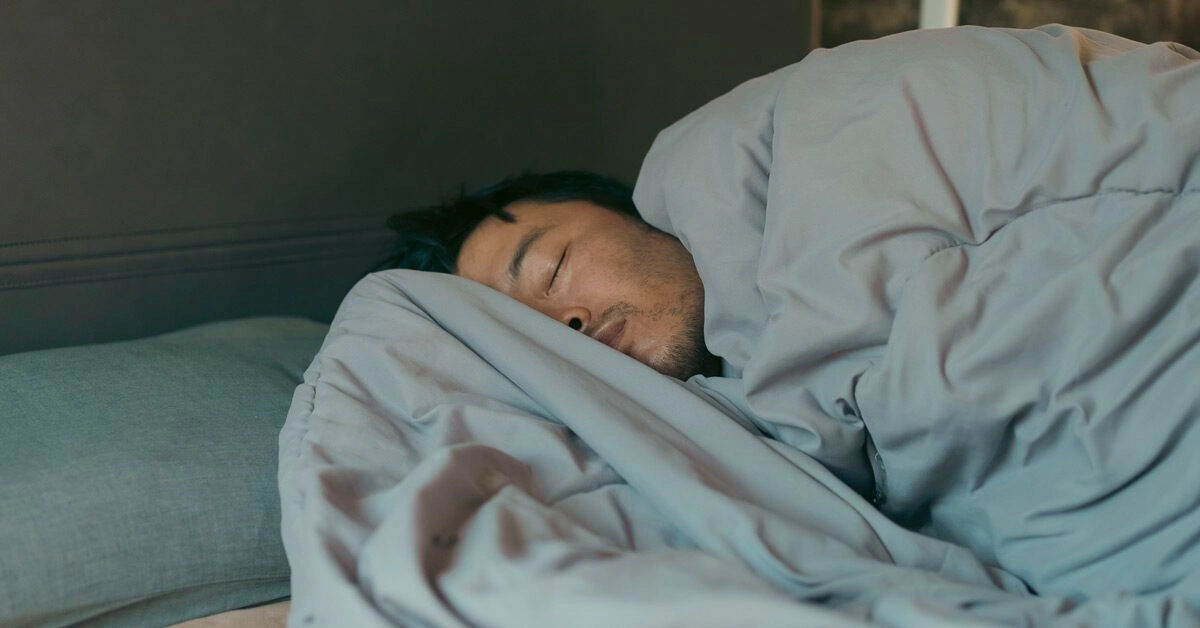
Addressing sleep apnea can occasionally ease tinnitus symptoms. Increasing exercise and stopping smoking may be beneficial, as can using CPAP devices or dental appliances.
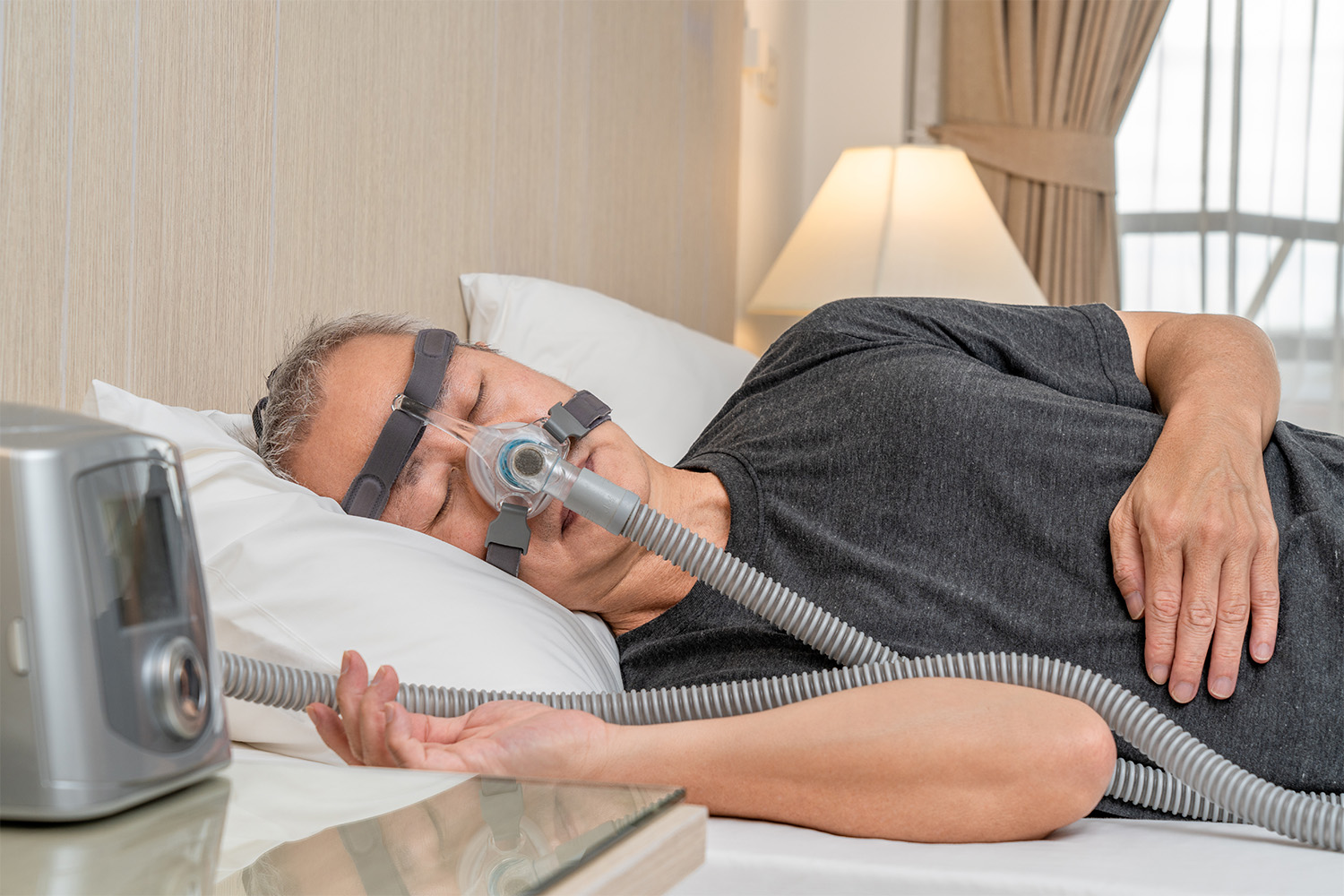

Sleep apnea is a prevalent disorder that commonly leads to symptoms like loud snoring and daytime drowsiness. It also raises the chance of cardiovascular disease and other long-term illnesses. There appears to be an association with tinnitus, a condition characterized by persistent ringing or other noises in the ears.
Scientists suspect that cell injury from reduced oxygen levels during sleep may partly explain why sleep apnea could increase the likelihood of tinnitus, as well as contribute to hearing damage from repeated exposure to intense snoring.
For individuals experiencing both tinnitus and sleep apnea, managing both disorders simultaneously can sometimes be helpful. This article explores the connection between these conditions and the therapies that might provide relief.
Is there a relationship between sleep apnea and tinnitus?
Studies indicate that sleep apnea and tinnitus frequently occur together.
A 2016 paper reported that about 30% of people with sleep apnea also had tinnitus. Research from the following year reached comparable conclusions, noting a higher rate of tinnitus among those with sleep problems.
There are several possible explanations for this association.
One of the main theories centers on the oxygen deprivation that happens when someone has sleep apnea. Individuals with sleep apnea experience pauses in breathing at night, which lowers oxygen levels throughout the body and can damage auditory cells. This harm can lead to tinnitus.
Another idea links the condition to the loud snoring often seen with sleep apnea. Regular exposure to loud noise is a recognized risk factor for tinnitus, so nightly exposure to intense snoring might contribute to its development.
Tinnitus makes a person perceive sounds such as ringing, buzzing, or whistling in one or both ears.
For most sufferers, these noises become more apparent in quiet settings, making tinnitus seem louder and more disruptive at night and interfering with sleep.
What sleeping position is best with tinnitus?
No sleeping position will fully cure or remove tinnitus. Still, some sleep specialists suggest sleeping with your head elevated.
This can reduce nasal or sinus congestion and may make tinnitus noises less prominent.
Which condition should be treated first?
Deciding which condition to tackle first depends on what’s causing your tinnitus.
Sometimes both issues are chronic. A physician can diagnose and recommend treatment for each disorder separately or together. In many cases, they may choose to treat both simultaneously for optimal results.
Other times, tinnitus stems from treatable causes such as:
- earwax blockages
- ear infections
- head trauma
- neck injuries
- hearing impairment
- temporomandibular joint (TMJ) problems
- certain drugs, including some antibiotics, diuretics, and nonsteroidal anti-inflammatory medications (NSAIDs)
When tinnitus is connected to one of these issues, it is often resolved relatively quickly and usually becomes the first target of treatment.
If tinnitus isn’t due to a readily treatable cause, your physician will assess your symptoms to determine the priority for care.
In many cases, treating sleep apnea can reduce tinnitus symptoms, so a doctor may begin with sleep apnea therapies before addressing tinnitus directly. Treatment plans are individualized based on each patient’s needs.
Will tinnitus treatment improve sleep apnea?
Treating tinnitus is unlikely to directly improve sleep apnea.
However, reducing tinnitus can help you sleep better, which might enable lifestyle changes that benefit sleep apnea, such as raising activity levels and reaching a healthier weight.
Typical tinnitus treatments include:
- hearing aids
- ear canal cleanings
- medication
For more on tinnitus management, consult a detailed guide or your healthcare provider.
On the other hand, therapies for sleep apnea may have a more immediate impact on tinnitus.
Improving blood oxygenation and stopping snoring can sometimes lessen tinnitus severity. Therefore, addressing sleep apnea can also help ease tinnitus symptoms.
Common approaches to treat sleep apnea include:
- quitting tobacco use
- continuous positive airway pressure (CPAP) therapy
- oral mandibular advancement devices
Takeaway
There appears to be a connection between tinnitus and sleep apnea. One possible explanation is the oxygen deprivation during sleep apnea episodes, which can harm ear cells and trigger tinnitus. Long-term exposure to loud sounds, such as snoring, might also cause hearing damage that leads to tinnitus.
The precise nature of the link remains uncertain, but treating sleep apnea can sometimes alleviate tinnitus symptoms.
Sleep apnea treatments may include lifestyle modifications—like exercise, weight management, and quitting smoking—alongside medical measures such as CPAP machines and oral devices.





















Leave a Reply
You must be logged in to post a comment.