
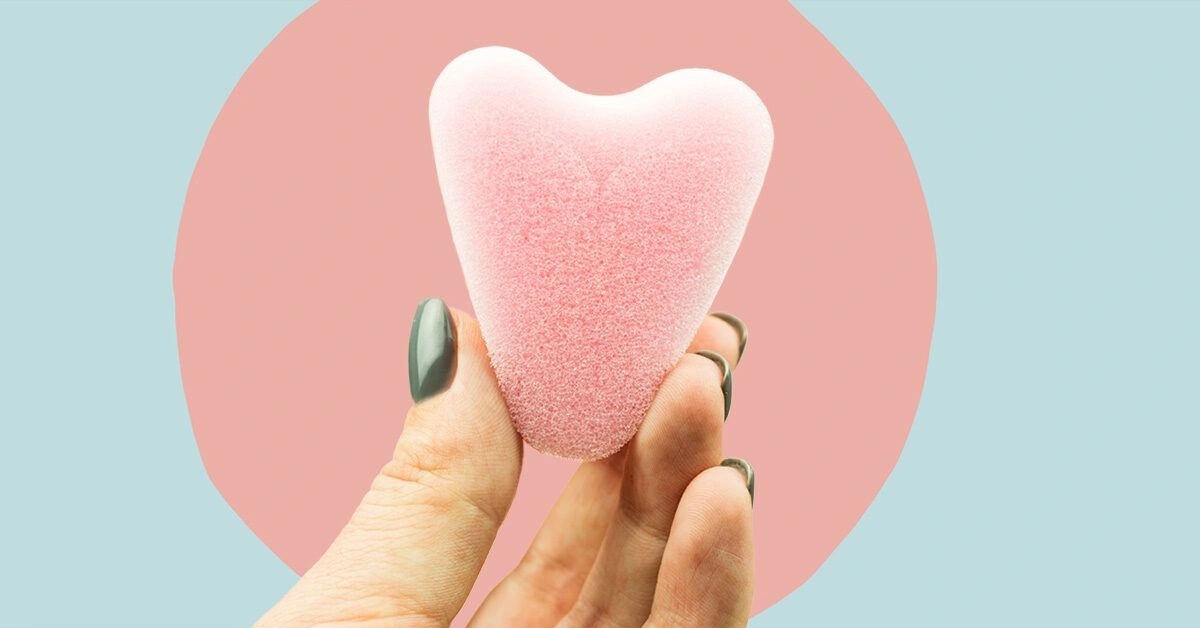
What is a menstrual sponge?
A menstrual sponge can refer to either a piece of natural sea sponge or a manufactured synthetic sponge.
In both cases, they are touted for their high absorbency and function similarly to a tampon but without a removal string.
It’s understandable that people have used versions of sponges to catch menstrual blood for millennia, according to Planned Parenthood.
Today, menstrual sponges are marketed as a natural, low-waste period option. However, they’re considered risky and need careful thought before being used.
Pros
- Absorbent.They swell to hold fluid (though the exact absorbency of a natural sea sponge can be hard to quantify).
- Reusable.Producers often state they can be reused for roughly 6 to 12 months, which can be kinder to the planet and your wallet.
- Comfortable.Sea sponges are pliable and soft, allowing them to conform to your body once placed.
Cons
- Safety worries.They cannot be sold as menstrual products in the U.S. without FDA clearance because of risks like toxic shock syndrome (TSS) and other infections.
- Messy removal.Removing one usually means standing in the shower or over a toilet to avoid blood spilling onto surfaces.
- Need careful cleaning.There’s no established research-backed method for sanitizing them for safe reuse.
- Short usage time.They’re typically only suitable for a few hours, so you’ll need several sponges or alternative products.
How does a menstrual sponge work?
Menstrual sponges are akin to tampons — they are inserted into the vagina and soak up menstrual blood, swelling to trap the fluid within the sponge.
However, they lack an applicator or a retrieval string or rim to ease removal.
Unlike disposable tampons, sponges can be rinsed and reused after being taken out.
Are menstrual sponges safe?
No, according to the FDA.
Sea sponges marketed as menstrual, sanitary, or hygienic sponges need special authorization because of notable safety hazards.
Research in the 1980s that examined 12 natural sponges found contaminants such as grit, sand, and microbes.
There was at least one confirmed case of TSS linked to sea sponge use and another case with a possible connection.
Other concerns include the lack of clear guidance on how to clean a menstrual sponge, which could leave it insufficiently hygienic for reinsertion and introduce additional bacteria.
Additionally, the textured surface of natural sponges may cause tiny abrasions during insertion or removal, creating pathways for bacteria and debris to enter the body.
Toxic shock syndrome
Toxic shock syndrome (TSS) is a rare but potentially fatal condition historically tied to certain tampon usage.
Studies from 1982 reported that menstrual sponges harbored Staphylococcus aureus, a leading bacterium associated with TSS.
Even though TSS is infrequent today, the potential for this illness is a reason menstrual sponges are not advised.
Is there anyone who shouldn’t use a menstrual sponge?
Given the important safety issues, menstrual sponges are not recommended as a period solution for anyone.
Practically speaking, individuals with heavy flows may find them especially unsuitable because absorbency can vary widely between sponges.
How is a menstrual sponge used?
Again, medical authorities don’t recommend menstrual sponge use.
If you still choose to use one, the following steps may help reduce some risks.
Inserting a menstrual sponge
The basic insertion routine is similar for both natural and synthetic sponges.
Begin by washing your hands thoroughly.
Moisten the sponge with water or a water-based lubricant. (Some makers suggest essential oils as a lubricant, but there’s no evidence supporting their safety and they can cause irritation.)
Squeeze the sponge to expel any excess liquid.
Assume a comfortable posture—sitting on the toilet or raising one leg works for many people.
Compress the sponge and push it into the vagina much like inserting a tampon.
If it feels uncomfortable, remove the sponge and trim its edges to achieve a better fit.
When to remove a menstrual sponge
Manufacturers typically recommend taking out the sponge every 4 to 8 hours, which is a comparable interval to tampons.
Cleaning a sponge takes time, so you’ll likely need another one or an alternative product while you wash it.
Keep in mind sponges do not last indefinitely; WaterAid advises a maximum of about six months.
Removing a menstrual sponge
Because menstrual sponges don’t have a retrieval string, removal requires manual removal.
Stand over the toilet, in the shower, or some other easy-to-clean area, and insert two fingers into the vagina.
If the sponge is hard to reach, trying to bear down with your pelvic muscles can help it move lower.
Once you can feel it, pinch both sides and pull gently. Expect some mess, as there will usually be blood.
Cleaning a menstrual sponge
Proper cleaning is vital to lower the chance that bacteria or other pathogens remain in the sponge and are reintroduced into the body. (You should also sanitize the sponge before its first use.)
However, there’s no definitive research on the safest cleaning method.
Common guidance includes:
- Add one tablespoon of vinegar or one teaspoon of hydrogen peroxide to a cup of warm water.
- Soak the sponge for 5 to 10 minutes in a solution of apple cider vinegar or hydrogen peroxide.
- Rinse well, squeeze out excess water, and hang it somewhere clean to air-dry.
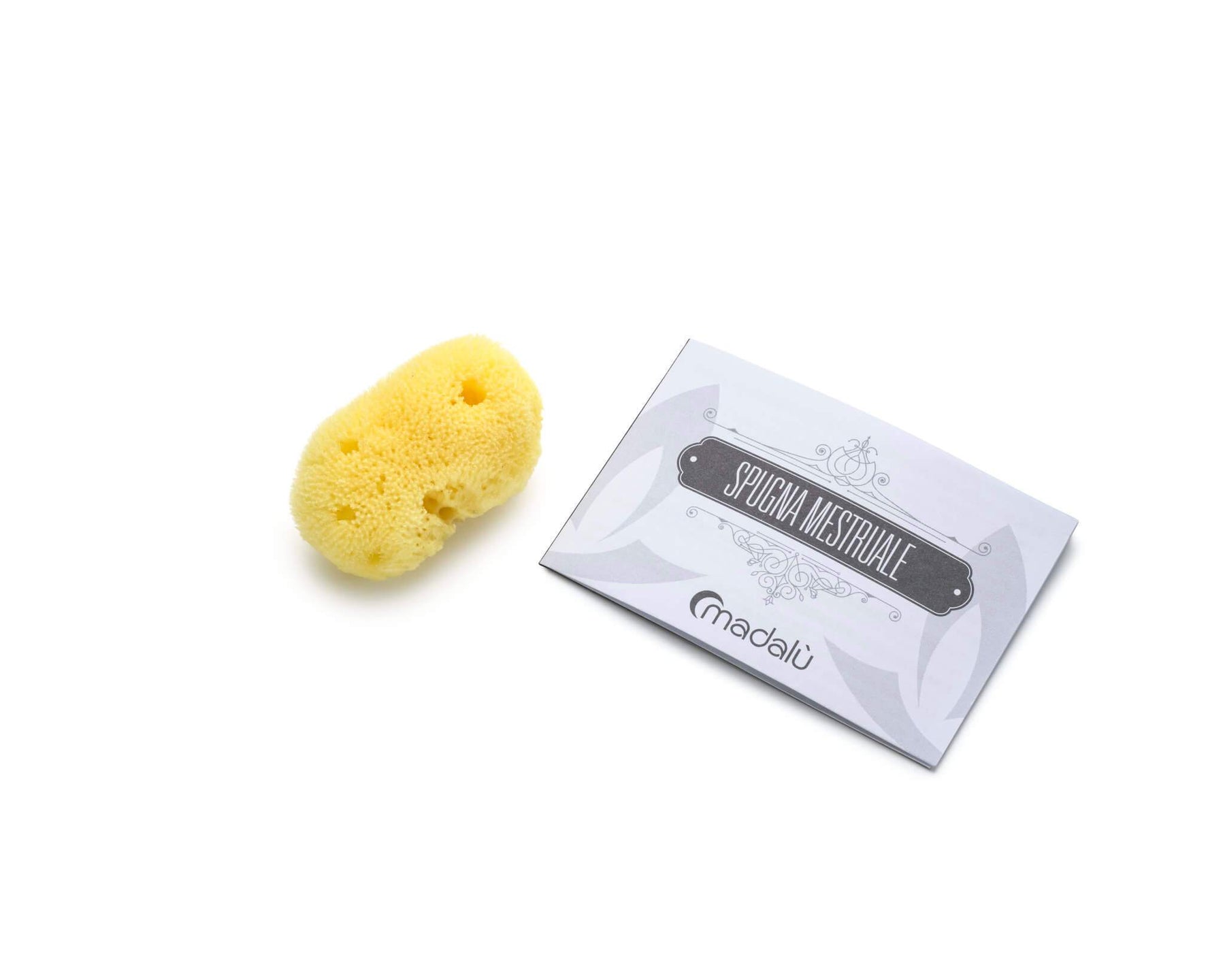
Although some brands suggest boiling, this is not recommended because it can degrade the sponge and increase the risk of tissue trauma during subsequent insertions.
How much does a menstrual sponge cost?
Popular options typically cost between $20 and $40 for a two-pack in various sizes.
There are also more affordable choices priced at roughly $10 per pack.
How do you get the menstrual sponge?
Sea sponges sold specifically as menstrual, hygienic, or sanitary sponges need premarket FDA approval, so they are seldom labeled that way.
More often, you’ll find them marketed simply as sea sponges or cosmetic sponges.
Because of regulatory limits, the selection available is relatively small.
Are there any eco-friendly alternatives to the menstrual sponge?
Natural sea sponges are promoted as sustainable, but there are safer low-waste period options.
For instance, menstrual cups are reusable. The DivaCup is available in three sizes based on age and flow, and can be purchased through retailers like Amazon, Walmart, and Target.
Reusable cloth pads from brands like Rael are available via Amazon, Walmart, and Walgreens.
Thinx period underwear soaks up menstrual blood without needing an extra product. You can buy different styles from the brand site and retailers like Urban Outfitters and Kohl’s.
Some tampons now incorporate eco-friendly features. Brands such as Cora and LOLA sell organic cotton tampons on Amazon, while Dame offers reusable applicators online.
Some people opt to free-bleed, which eliminates the need for any product altogether.
When to talk with a doctor or other healthcare professional
If you’re unsure which period product is best for you, a healthcare provider can explain your options and help you decide.
If you develop any of the following symptoms after using a menstrual sponge, seek medical care immediately:
- high temperature
- difficulty breathing
- nausea or vomiting
- flu-like symptoms
- dizziness
- a rash that looks like sunburn
- irritation or pain in or around the vaginal area
The bottom line
While menstrual sponges might be framed as more sustainable than some alternatives, they are not a recommended way to manage menstruation.
There are serious health risks, and firms cannot advertise them as menstrual products without FDA approval.
If you want a safer reusable option, consider menstrual cups or period underwear, which can be effective without presenting the same health hazards.

















Leave a Reply
You must be logged in to post a comment.