
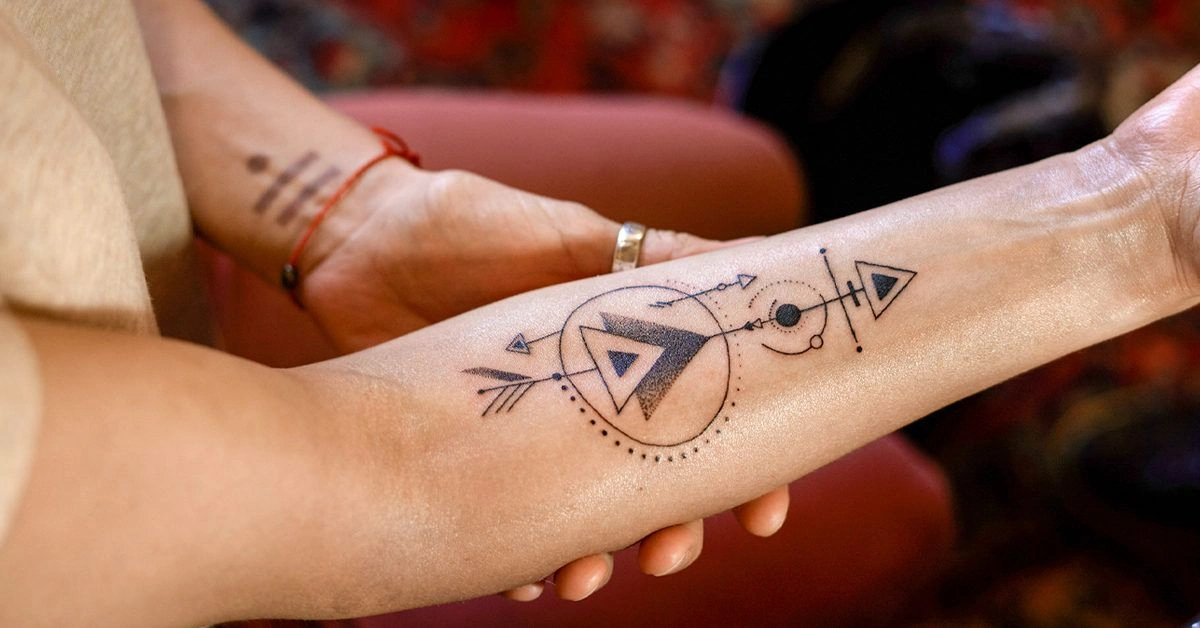
Aquaphor is an ointment often used on fresh tattoos to prevent them from becoming overly dry, though eventually you’ll want to move to a lotion or cream.
Many people rely on Aquaphor as a go-to product for dry or chapped skin and lips. Its moisturizing effect comes largely from petrolatum, lanolin, and glycerin.
These components work in concert to attract moisture from the environment into your skin and lock it in, helping keep the area hydrated. It also contains other agents, such as bisabolol, a compound from the chamomile plant known for its soothing and anti-inflammatory effects.
Although Aquaphor is best known for treating dry skin, it’s frequently employed as a safe, effective option in tattoo aftercare.
If you’re planning to get inked or have recently had a tattoo done, it helps to understand how and why Aquaphor can be part of your aftercare routine.
Why is it suggested after getting a tattoo?
Receiving a tattoo involves creating an injury in the skin. It’s crucial to allow the tattoo to heal correctly to avoid scarring, infection, or distortion. Full healing typically takes around 3 to 4 weeks.
Keeping the area moisturized is essential for proper healing. After getting tattooed, preventing the skin from drying out helps reduce heavy scabbing and itching that can harm your new ink.
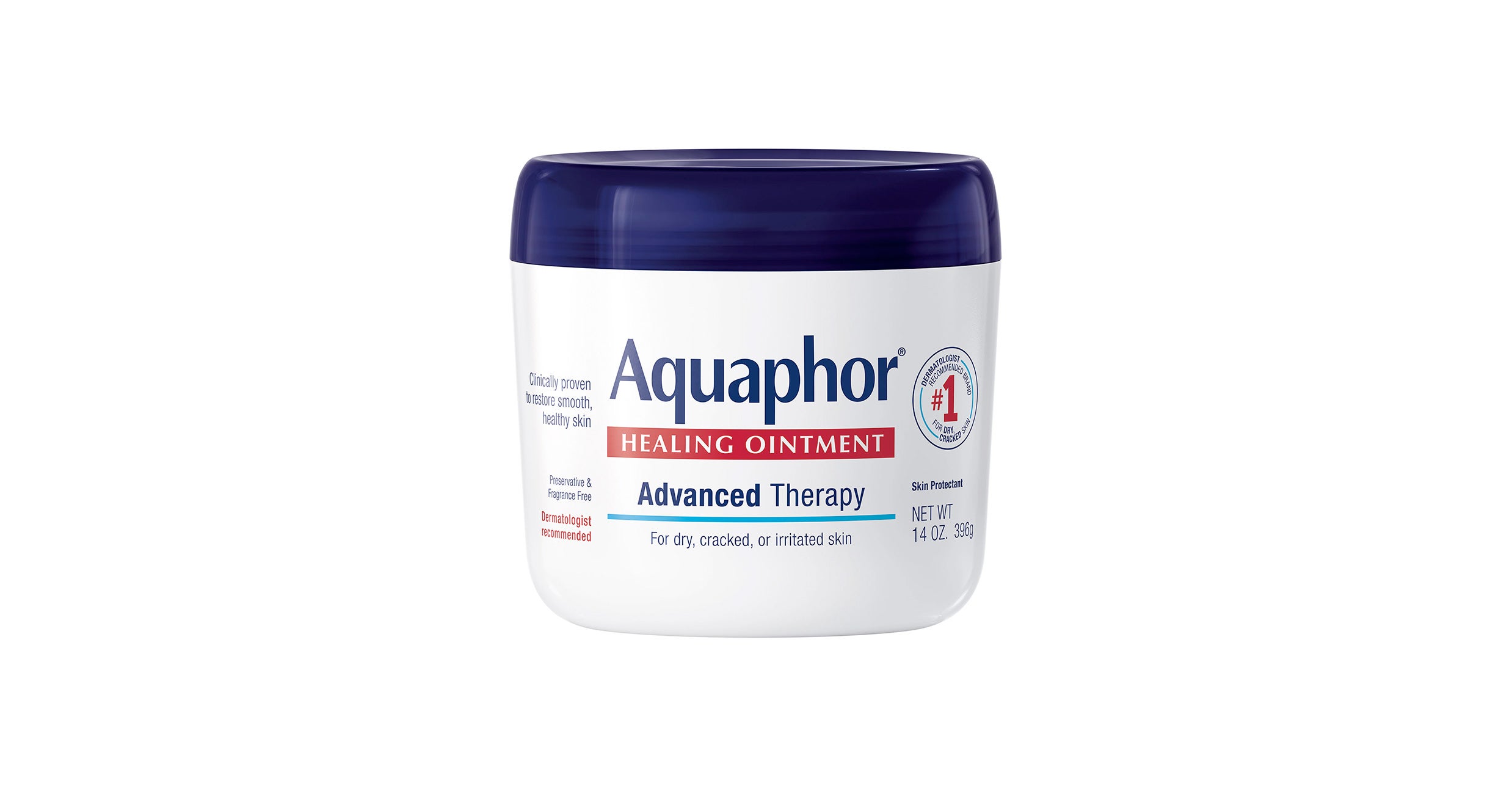
Tattoo professionals commonly recommend Aquaphor because it excels at keeping the skin hydrated — a key element after getting a tattoo.
You can also use other unscented moisturizing ointments for tattoo care; check for petrolatum and lanolin on the ingredient list.
Avoid using pure petroleum jelly or Vaseline alone, since it can limit air exposure to the skin too much, potentially impairing healing and increasing the risk of infection.
How much should you use?
Right after your session, your tattoo artist will cover the area with a bandage or wrap and likely instruct you to keep it on for anywhere from a few hours up to a few days.
When you take off the covering, begin repeating the following steps:
- gently wash the tattoo with an unscented soap and lukewarm water
- pat the tattoo dry using a clean paper towel
- apply a thin coat of Aquaphor or another approved unscented ointment for tattoos, such as A and D
How long should you use it?
Repeat the wash-dry-ointment cycle two to three times daily for several days following your tattoo session.
When should you switch to lotion?
At some point during the washing-drying-ointment routine you’ll transition from ointment to lotion, typically a few days to about a week after getting tattooed.
Ointments and lotions differ: ointments like Aquaphor provide heavier moisturization because they’re oil-based, whereas lotions are water-based.
Lotions spread more easily and allow greater breathability than ointments. Aquaphor’s anti-inflammatory qualities can also help the tattoo heal faster and feel more comfortable.
After using an ointment for the period recommended by your tattoo artist, switch to lotion to continue keeping the area hydrated for the weeks it takes to fully heal.
In your aftercare, apply a thin layer of unscented lotion at least twice daily; depending on how dry the tattoo is, you might need to reapply up to four times a day to maintain moisture.
Use unscented lotions only — fragranced lotions often contain alcohol, which can dry out the skin.
Other tattoo aftercare tips
Tattoo artists will tell you that diligent aftercare improves the final appearance. Additional tips to help your tattoo look its best include:
- Avoid scrubbing the tattoo while washing it.
- Don’t soak or keep the tattoo submerged for long periods. Short showers are okay, but skip swimming, baths, and hot tubs for at least two weeks.
- Do not pick at scabs that form on the healing tattoo, as this can ruin the design.
- Avoid direct sun or tanning for 2 to 3 weeks. Cover the area with loose clothing rather than sunscreen during initial healing. Once healed, sun exposure is allowed, but unprotected sun will fade ink, so use sunscreen and other protections afterward.
- If the tattoo is particularly scabby or itchy, a warm compress for a few minutes daily may provide relief. Fold 2–3 paper towels, run them under warm water, squeeze out excess, and gently press on the tattoo. Don’t oversaturate the area.
The bottom line
Aquaphor is a commonly recommended product in tattoo aftercare, offering both moisturizing and anti-inflammatory benefits that can help the healing process and reduce discomfort.
If you’re getting new ink or have recently been tattooed, Aquaphor is worth considering as part of your aftercare plan.
















Leave a Reply
You must be logged in to post a comment.