
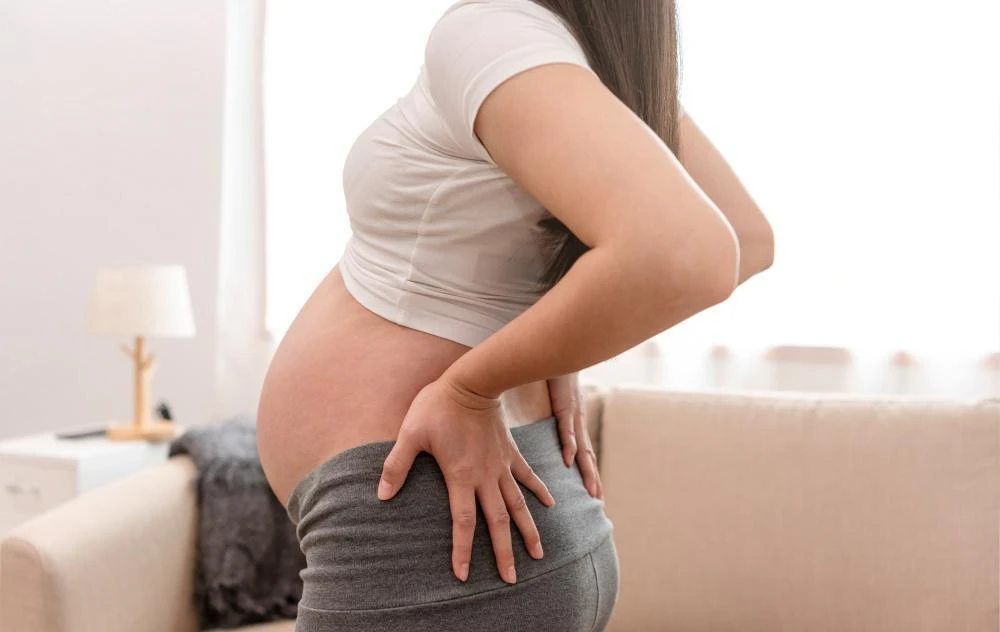
Hip discomfort is a common issue in pregnancy, particularly as you near the end. Gentle exercises and simple home approaches often bring relief. If the pain continues or worsens, consult a healthcare professional. In most cases, the ache resolves after delivery.
If you’re dealing with hip pain while pregnant, you’re in good company. Approximately 32% of pregnant people report some form of hip discomfort during pregnancy.
The ache can be centered on the side or back of the hip, or across the pelvic girdle. It may present as a dull ache or a sharp twinge, and can develop slowly or appear suddenly.
Hip pain can begin at any stage of pregnancy, but it’s more frequently noticed in the second and third trimesters as the baby grows and your body gets ready for labor.
Keep reading to learn practical tips to manage and lessen hip pain throughout pregnancy.
5 home remedies
If your pain is intense or seriously limits your daily activities, you might consider seeing a chiropractor or physical therapist for a professional assessment. Make sure to inform them that you are pregnant.
Otherwise, here are five at-home strategies that may ease your discomfort.
1. Yoga
Stretching can help release tightness in the hips and reduce pain. Yoga is a gentle, low-impact form of exercise that many find beneficial during pregnancy.
Certain styles of yoga, such as hot yoga, are not advised while pregnant. If you attend classes, tell your instructor you’re expecting.
There are numerous free online videos from certified instructors offering routines designed specifically to address hip and back discomfort during pregnancy.
The following poses are commonly included in prenatal yoga for hip relief.
Cow pose

- Come onto all fours with knees hip-width apart, hips over knees, and shoulders stacked above wrists.
- Gently lower your belly toward the mat, creating an arch in your spine.
- Return to a neutral spine and repeat.
Optional: You may also slowly move around on all fours as it feels comfortable.
Child’s pose

- From cow, tuck your toes and stretch your arms forward.
- Shift your hips back and widen your knees slightly compared with the previous pose.
- Rest your forehead on the floor, a yoga block, or a pillow.
Optional: You can gently rock back and forth while in this pose.
Bound angle pose

- Sit with the soles of your feet together and knees dropped out to the sides in a butterfly position.
- Consider elevating your sit bones with a folded blanket or bolster to create extra space for your belly.
- Remain upright or hinge forward from the hips while keeping a straight spine. Avoid rounding your back.
2. Other exercises
There are also physical therapy–style moves you can perform at home to find relief. Below are several common stretches suitable for pregnancy:
Pigeon pose

- Begin on your hands and knees.
- Slide one knee forward and bring your front foot toward the opposite wrist.
- Extend your back leg straight behind you until you feel a stretch through the hip of the front leg.
- Hold for 30 to 60 seconds.
- Repeat on the opposite side.
Figure 4 (seated)

- Sit on a sturdy chair and place one ankle on the opposite thigh so your leg forms a figure four.
- Keep your spine long and sit tall.
- Lean forward from the hips until you feel a stretch in the buttock and outer hip.
- Hold for 20 to 30 seconds.
- Switch sides and repeat.
3. OTC pain relievers
In addition to stretches and movement, over-the-counter pain medications can help. Acetaminophen (Tylenol) is widely regarded as safe in pregnancy.
Always check with your doctor about which medication is appropriate for you and what dose to take.
4. Warm bath or compress
For temperature therapy, warm applications are preferred to cold. Heat increases circulation to the area and can reduce joint stiffness and muscle spasms.
Use a heating pad or a warm, damp towel for 10 to 15 minutes at a time. Avoid placing a heating pad directly on your abdomen.
When taking a warm bath during pregnancy, keep the water comfortably warm — not hot — to avoid raising your body temperature. Adding about half a cup of Epsom salts (magnesium sulfate) can help relax tight muscles.
5. Massage
Your partner can help by massaging areas around the hips to relieve tension and pressure. Side-lying hip and leg massages are generally safe to perform at home.
Try this approach:
- Lie on your side with knees and arms wrapped around a pregnancy pillow or several regular pillows.
- Have your partner locate the edge of the triangular sacrum at the back of your pelvis. Place one palm pressing down toward the feet while the other palm counter-stretches toward the ribs.
- They can also massage the hip bone area directly using gentle circular or rocking motions with their fists.
- Repeat the massage on the other side as needed.
Note: During the massage, the goal is to open the torso and lengthen the muscles back toward the spine.
What causes hip pain during pregnancy?
Several factors can lead to hip pain during pregnancy. It’s usually not a sign of a serious problem or anything you’ve done wrong. Below are five common contributors.
1. Relaxin
The hormone relaxin rises during pregnancy and loosens the connective tissue that links your bones. This relaxation can cause pelvic discomfort, including hip or lower back pain.
2. Weight gain
As you and your baby gain weight, your bones and joints bear more load. Excessive weight gain can contribute to hip pain and other aches.
Guidelines suggest a total gain of between 11 and 40 pounds during a singleton pregnancy, with individualized recommendations based on your pre-pregnancy weight. People with a moderate starting weight are usually advised to gain about 25 to 35 pounds.
Follow your provider’s guidance on appropriate weight gain, and avoid trying to lose weight during pregnancy unless your clinician explicitly recommends and supervises it.
3. Poor posture
Your posture often shifts as your center of gravity changes with a growing belly. If your baby favors one side, it can also create uneven strain and discomfort.
Carrying older children on one hip or lifting heavy objects without proper alignment can worsen posture-related hip pain.
To support better posture, wear supportive shoes during pregnancy and minimize heavy lifting. Take breaks while walking to avoid fatigue-related slouching.
Unless advised otherwise by your doctor, avoid long periods of sitting. Stand up and move regularly to prevent added stress on your joints and muscles.
4. Transient osteoporosis
Some hip pain may stem from transient osteoporosis, a temporary loss of bone mineral density that typically starts in the second or third trimester and may be linked to calcium and potassium balance.
This condition can cause pain in the hip or groin and is diagnosed with an MRI.
Transient osteoporosis usually improves soon after delivery, though on rare occasions it can lead to hip fractures that require longer recovery.
5. Sleeping position
Sleeping on your side can place pressure on the hips, which may aggravate discomfort. However, side sleeping is often the most comfortable and recommended option during pregnancy.
If side sleeping bothers your hips, try placing a pillow between your knees to help align your legs. A regular pillow can suffice, but pregnancy-specific pillows like the Snoogle offer fuller body support.
When to seek help
While hip pain in pregnancy is common, contact your healthcare provider if the pain interferes with daily life. See your provider if you avoid normal activities, such as walking, because of pain.
If the pain becomes severe, be vigilant. Increasing pain and pressure can be symptoms of preterm labor, especially if accompanied by contractions. Contractions may feel like abdominal cramping that occurs about 5 to 15 minutes apart (or more frequent) and last 60 to 90 seconds. Another warning sign is clear, pink, or brown vaginal discharge.
How to prevent hip pain in pregnancy
Want to try preventing hip pain before it starts? These tips may help, though prevention isn’t guaranteed for everyone.
- Stay active: Low-impact activities like walking, cycling, and swimming can help reduce the risk of hip pain.
- Manage weight gain: You typically need only about 340 extra calories per day to support pregnancy.
- Wear supportive shoes: Good arch support can ease hip stress during daily activities and exercise. Limit long periods on your feet if pain begins.
- Practice good posture: Maintain proper alignment when sitting, standing, and lifting. Avoid lifting heavy items when possible.
- Avoid aggravating activities: Try not to cross your legs, stand for prolonged periods, vacuum extensively, or lift heavy objects if they worsen pelvic pain.
- Consider a pregnancy support belt: These belts can offer extra support for the hips and lower back throughout the day.
- Get regular massages: Schedule prenatal massages with a licensed therapist to help keep muscles relaxed.
Takeaway
Hip pain is a fairly common part of pregnancy, especially as you approach delivery.
If stretches, exercises, and at-home measures don’t provide enough relief, reach out to your healthcare provider or seek targeted care from a physical therapist or chiropractor.
In most cases, pregnancy-related hip pain improves shortly after childbirth.




















Leave a Reply
You must be logged in to post a comment.