
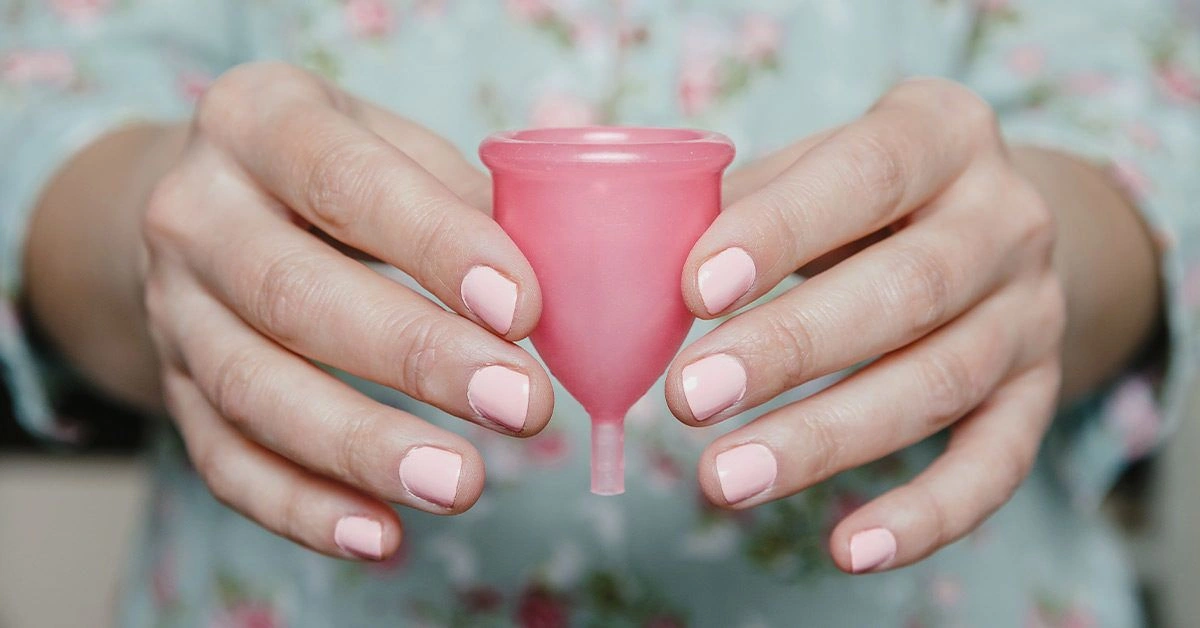
So you’ve chosen a menstrual cup for your period. Excellent decision!
Before you begin, there are a few important things to remember.
Top of mind: Because menstrual cups are reusable, it’s helpful to learn the best practices for cleaning and storing your cup.
What to use — and what to avoid
Do use a gentle, fragrance-free, oil-free soap to care for your menstrual cup.
You can buy cleansers made specifically for menstrual cups, but if you don’t have one on hand, any mild, unscented, oil-free soap will work.
Conversely, there are several products you should not use.
Many common cleaners can cause irritation or damage if applied to your cup.
Avoid the following:
- antibacterial soap
- oil-based cleansers
- scented soaps
- baking soda
- bleach
- dish soap
- hydrogen peroxide
- rubbing alcohol
- vinegar
Initial cleaning (before first use)
Congrats on purchasing a menstrual cup! You’ll want to prepare it before your initial use.
Begin by washing your hands and the cup with a mild, unscented cleanser.

Then boil a pot of water and let the cup sit in the boiling water for up to 10 minutes.
Keep an eye on the cup so it doesn’t stick to the bottom of the pot and scorch.
Daily cleaning
After you’ve prepared your menstrual cup, you’ll also want to clean it each day after use.
Cleaning removes bacteria and buildup, and helps prevent stains and odors.
Always wash your hands before inserting and after removing the cup, no matter where you are.
At home
Remove the cup and empty the blood into the toilet.
Rinse the cup with clean water, then wash it with a mild, oil-free, fragrance-free soap for a quick clean.
Once it’s clean, reinsert the cup.
In a public restroom
When you’re out, rinsing the cup may be more difficult.
If you can’t rinse and use a safe cleanser, remove and empty the cup as usual.
Instead of rinsing, wipe the cup with toilet paper, making sure to remove any small tissue fragments.
Reinsert the cup and continue your day.
Be sure to give it a proper rinse and cleanse once you return home.
While traveling or outdoors
Sometimes you won’t have access to safe tap water.
In that case, bring bottled water to rinse the cup.
Pack a travel-size version of your preferred oil-free, unscented soap.
If you’re hiking or camping, dispose of the blood in a cathole (a small hole in the ground) like other organic waste.
Then rinse the cup with bottled water and wipe it with a clean tissue before reinserting it.
Don’t forget a storage pouch to keep the cup sanitary when not being worn.
Sanitizing after your period
To sanitize the cup after your period ends, rinse it thoroughly and then boil it for a few minutes.

After boiling, set the cup aside to cool completely and air-dry.
Some brands sell microwave-safe sanitizing containers you fill with water, place the cup inside, and microwave for 3–4 minutes.
Both approaches remove bacteria and help prevent bacterial growth before the next use.
Storage when not in use
Most cups come with a pouch or bag for storage between cycles.
If you didn’t receive one, use any breathable pouch. Protect the cup from dirt and germs while ensuring airflow.
Store the pouch in a cool, dry place (like a vanity drawer) so the cup can thoroughly dry before its next use.
Cleaning vs. sterilizing
Daily cleaning only removes surface bacteria, odor, and residue.
Sterilizing, by contrast, fully removes bacteria and prepares the cup for storage until the next cycle.
Common issues and what to do
Caring for a menstrual cup isn’t always straightforward. Here are responses to a few common scenarios.
If the cup develops an unpleasant smell
Some vaginal odors are normal. But if your cup develops a sour smell, try a few steps.
First, check how long you’re wearing the cup. Wearing it too long can increase odor risk.
Change it every 4–8 hours when possible. Never keep it in for more than 12 hours.
When cleaning the cup after use, rinse with a splash of cold water first — hot water can set smells. Then scrub thoroughly with an unused toothbrush.
Also, be sure to sterilize the cup after each period to help prevent long-term odors.
If the cup becomes discolored or stained
Minor discoloration is common over time.
Thorough sterilization before and after each period and consistent cleaning can reduce staining.
Use a clean toothbrush during daily cleaning to scrub away surface stains.
If you notice severe discoloration, it’s time to replace the cup. Recycle or dispose of the old cup and get a new one.
If you see white residue
If a white film appears after boiling, don’t worry — this is normal.
The residue often results from hard water in some areas. Rinse it off before inserting the cup.
If the cup falls into the toilet
Whatever you do, don’t reinsert it immediately.
If it fell into clean toilet water at home, sterilizing the cup in boiling water is usually sufficient.
If it dropped in a public restroom, or the toilet contains urine or feces, consider replacing the cup entirely.
At-home sterilization may not remove all bacteria in those situations.
Risks of not cleaning properly
Improper cleaning can lead to bacterial buildup, odors, stains, and material degradation.
This can cause irritation, and in rare cases, infection.
Poor maintenance also shortens the lifespan of your cup.
That’s why daily cleaning and monthly sterilization are recommended.
If you suspect an infection
If you develop signs of infection during or after using the cup, stop using it immediately and contact a healthcare provider.
They can advise on the appropriate treatment.
Symptoms of infection include:
- unusual vaginal discharge
- vaginal pain or soreness
- burning during urination or sex
- foul vaginal odor
Yeast and bacterial infections are treatable. Be sure to replace the cup before your next period.
The bottom line
If you keep up with daily cleaning during your period and regular sterilization after your cycle, your cup will remain in great condition.
If the maintenance feels like too much, menstrual cups might not be the ideal option for you. There are many other period products to try, including tampons, pads, period underwear, as well as alternatives like the menstrual sponge or instructions on how to safely remove a menstrual cup.
For tips on overall hygiene and care, you might also find this guide on how to clean your blood useful.




















Leave a Reply
You must be logged in to post a comment.