

Most of the time, being around mold doesn’t call for medical care. However, if you have asthma, a weakened immune system, or a mold allergy, you may require treatment.
If you’ve ever faced a mold problem, you probably wondered how mold exposure might affect your health. You may also have considered whether you need to take steps to rid your body of mold’s effects.
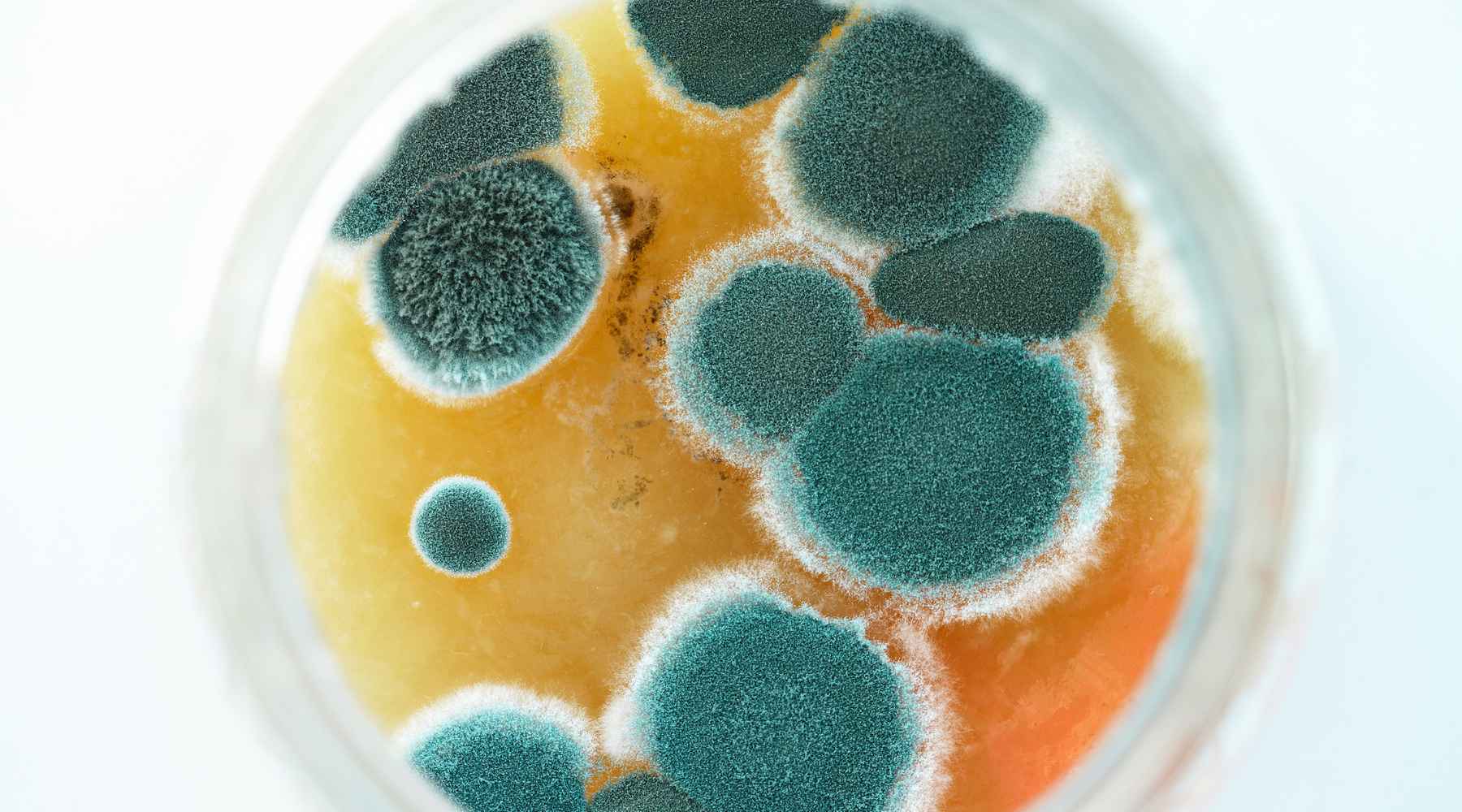
Mold is quite widespread. Indoor living spaces in many regions often harbor notable mold growth.
Molds are a normal component of the outdoor environment as well. Because of this, it’s nearly impossible to eliminate all contact with molds.
Breathing in mold spores can trigger symptoms in people who are allergic to mold, have respiratory conditions like asthma, or have weakened immune systems. For most others, mold is typically an irritant. In uncommon situations, mold can lead to infections or other serious reactions.
Certain molds can produce toxic substances called mycotoxins. Some mycotoxins are capable of making people ill, but experts aren’t certain how often exposure to mycotoxins actually results in disease.
To be cautious, avoid inhaling large amounts of mold—for example, when cleaning up after major water damage. In rare instances, some people may need medical attention due to mold exposure. But there’s no proof that “detoxing” from mold is necessary or effective.
Below you’ll find information on potential health effects of mold and guidance on when to seek medical care.
What are the symptoms of mold exposure?
People encounter small quantities of mold every day, usually without noticeable consequences.
Exposure to mold is more likely to produce symptoms if you have:
- asthma or other respiratory conditions
- a mold allergy or sensitivity
- hay fever
- a condition that weakens your immune system, or you take medications that suppress immunity
In some situations, mold exposure can also make conditions like asthma and allergies worse.
Most often, mold exposure primarily affects the respiratory system, but it can also involve the eyes or skin.
Common signs of mold exposure or sensitivity include:
- coughing
- wheezing
- sore throat
- runny nose
- watery eyes
- nasal congestion
- irritated skin
Occasionally, mold exposure triggers more serious symptoms, such as breathing difficulty or fever. These tend to occur more often when:
- you’ve spent extended time near large quantities of mold
- you have asthma, allergies, or another condition that increases vulnerability to mold
In rare instances, mold exposure can lead to pneumonia.
In immunocompromised individuals, a common mold called Aspergillus can sometimes cause serious lung infections.
Your primary care clinician or another healthcare provider can diagnose underlying issues like asthma or infections. A medical professional can also help identify symptoms caused by mold exposure.
The National Institute of Environmental Health Sciences (NIEHS) associates mold exposure with cognitive problems, mental health concerns, and cancer.
How to spot mold indoors
Recognizing mold in indoor spaces is a useful step to rule out causes of unexplained respiratory symptoms and to take appropriate action.
Key indicators include:
- discoloration in damp, warm, and dark areas of your home, such as bathrooms, closets, laundry rooms, kitchens, and basements
- mold growth in places where water may collect or condense, like a bathroom ceiling, under-sink cupboards, and drywall near water sources
- stains that seep from a wall or reappear after cleaning
How can mold affect your health?
If your immune system is compromised or you have an existing respiratory condition, you may be more prone to mold-related health problems.
Allergies
A 2015 review estimates that 3% to 10% of people are especially sensitive to mold’s effects. If you’re mold-sensitive, exposure might trigger allergic signs like itchy skin and watery nose and eyes.
Research notes it can be hard to separate mold allergies from sensitivity to other common allergens such as dust, pollen, and pet dander. A doctor may suggest a skin prick test to check whether mold is causing your allergic symptoms.
Limited 2016 research also hints at a possible link between exposure to indoor factors—including dampness and mold—during fetal development or infancy and increased allergies in childhood. Still, there’s no evidence that early mold exposure is the root cause of allergies in children.
Asthma
According to 2021 research, childhood exposure to mold was associated with current asthma. However, further studies are needed to determine whether a causal relationship exists between mold and asthma.
Asthma can cause episodes of wheezing, coughing, and difficulty breathing. It may also increase sensitivity to irritants such as:
- air pollution
- strong fragrances
- cold air
- respiratory viruses
Even if mold doesn’t directly cause asthma, exposure to irritating molds can still provoke an asthma attack.
Pneumonia
Pneumonia is a lung infection that produces flu-like symptoms, chest pain, and trouble breathing. It has many causes, including bacteria, viruses, and, on rare occasions, mold.
2021 research points out that certain people may have a higher likelihood of developing mold-related pneumonia:
- people taking immunosuppressive medications
- people with cancer undergoing chemotherapy
- people who have received organ or bone marrow transplants
Eczema
Eczema, or atopic dermatitis, causes itchy rashes on the skin.
A 2021 study found that a diagnosed mold sensitivity is associated with more severe eczema symptoms.
Eczema involves a dysfunction of the skin barrier, which can leave skin more reactive to allergens like mold.
Brain health
A 2020 animal study observed that exposure to both toxic and nontoxic mold spores interfered with neuron production in mice. This could contribute to problems such as:
- memory impairment
- slower reaction times
- difficulty processing emotions
- vision disturbances
However, the mold exposure in that study was much higher than typical real-world levels, such as inhaling spores in a moldy room. More research is necessary before drawing conclusions about mold exposure and cognitive issues.
Do I need to get medical treatment?
Often, mold exposure does not require medical treatment. If you have cold-like symptoms after mold exposure, consult your doctor. They can help determine whether mold allergy might be contributing to your symptoms.
Mold should be removed from indoor spaces when possible. Still, allergy symptoms may persist even after mold removal because mold is also present outdoors.
Overall, your risk of long-term health problems from mold exposure is relatively low. That said, experts are still studying the potential health effects of mold.
Therefore, avoid prolonged exposure to indoor mold. When possible, eliminate mold from areas where you spend time and fix sources of moisture that encourage indoor mold growth.
Consider seeing a healthcare professional if you:
- have a weakened immune system because of another health condition
- are having significant trouble breathing
- live with cystic fibrosis
- have allergic symptoms that could be triggered by mold
What about a mold detox? Despite some claims, there’s usually no need to undergo a cleanse or detox to recover after mold exposure.
Here’s why: when your body is working properly, it continuously eliminates waste and toxins on its own — and it does so quite effectively.
If you’re interested in ways to support overall toxin reduction, consider reading about heavy metal detox as one example of detox practices people discuss, but note this is distinct from mold exposure treatment.
How can I address mold exposure?
If mold exposure is producing symptoms, treatment depends on the underlying cause. Your clinician may suggest prescription medications, over-the-counter options, or home strategies.
Medical treatments
If you have a severe reaction to mold or a condition that increases your vulnerability, speak with your doctor to find the best treatment.
If you experience a serious allergic reaction or breathing problems, seek emergency care immediately.
Antifungal medications
For people with weakened immune systems or those who develop a mold infection, a clinician might prescribe antifungal drugs such as voriconazole.
Allergy shots
Immunotherapy (allergy shots) is sometimes used for mold allergy. There aren’t standardized immunotherapy protocols for mold yet, but your doctor might recommend allergy shots to reduce recurring allergic reactions.
At-home remedies
For mild allergic symptoms from mold exposure, some home treatments may offer relief.
OTC medications
Nasal sprays or antihistamines can help ease mild allergic symptoms and discomfort from mold exposure. These are available at pharmacies and many grocery stores.
Sweating
Some traditional approaches promote sweating, such as using a sauna, to help the body eliminate waste. Evidence is limited, and it’s unclear whether sweating is effective or safe for this purpose. There’s no proof sweating helps counteract mold effects.
Salt therapy
Halotherapy, or breathing salty air, is an alternative therapy some people try for respiratory complaints. However, evidence is insufficient to recommend it for mold-related symptoms.
Activated charcoal
Some advocates of mold detoxes suggest activated charcoal binds to mycotoxins and helps remove them from the body.
Although activated charcoal is used in medical settings for certain poisonings, no research currently supports its use for treating mold exposure effects.
If you’re considering this approach, discuss it with your doctor first.
How to get rid of mold in your home
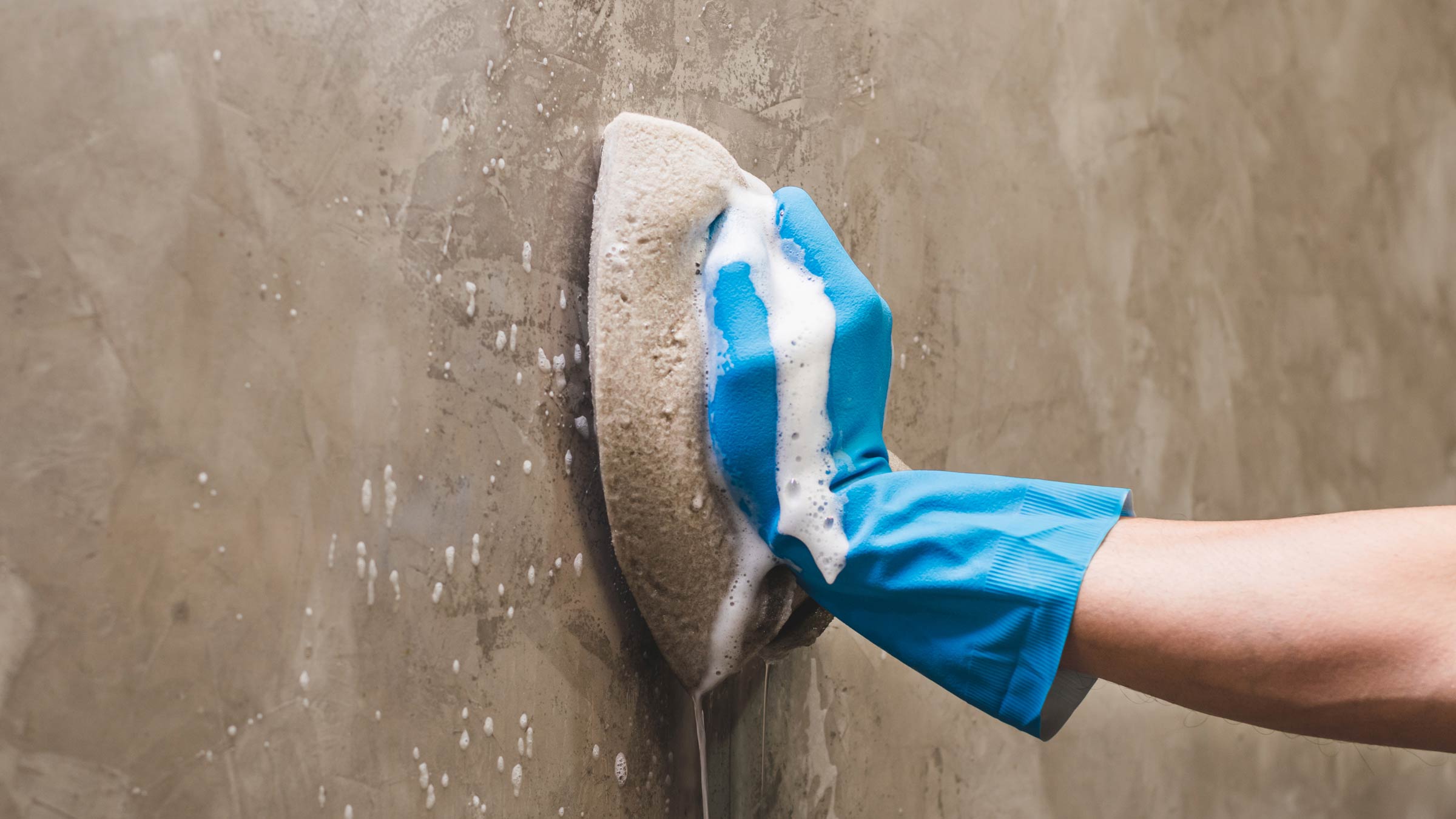
The CDC advises people with allergies, immunosuppression, or respiratory conditions to avoid cleaning up mold themselves.
Experts note that treating the health effects of mold will be less effective if mold remains in your environment. Removing mold from your home is therefore as important as treating its physical impacts.
Ways to address mold at home include:
- hiring a professional to inspect your living space and identify mold growth
- reducing indoor moisture with a dehumidifier
- using fans and opening windows to ventilate damp areas like bathrooms
- replacing carpets, drywall, and insulation when mold can’t be removed
- cleaning mold from nonporous surfaces like counters and sinks with soap or a diluted bleach solution
When tackling a large mold cleanup, wear long sleeves and pants and use protective gear such as an N95 respirator and gloves.
Takeaway
People with asthma, allergies, and certain immune conditions are more likely to experience symptoms from mold exposure. If you suspect your symptoms are related to mold, check in with a healthcare professional promptly.



















Leave a Reply
You must be logged in to post a comment.