What Is the Best Temperature for Sleep?


The ideal bedroom temperature for restful sleep typically falls between 60°F and 65°F (15.6°C to 18.3°C). That said, individual comfort levels vary, so what feels perfect for one person may not suit another. While 25 degrees Celsius may feel comfortable during the day for many people, it is generally warmer than recommended for optimal sleep. Infants and older adults, in particular, may require slight adjustments to this range to remain comfortable and safe overnight.

Your body temperature naturally decreases as part of the sleep-wake cycle. Maintaining a bedroom that is cool — but not uncomfortably cold — supports this biological process and helps you fall asleep faster and stay asleep longer. A room that is excessively warm, such as one approaching 25 degrees Celsius, may interfere with this natural cooling mechanism and disrupt restorative sleep.
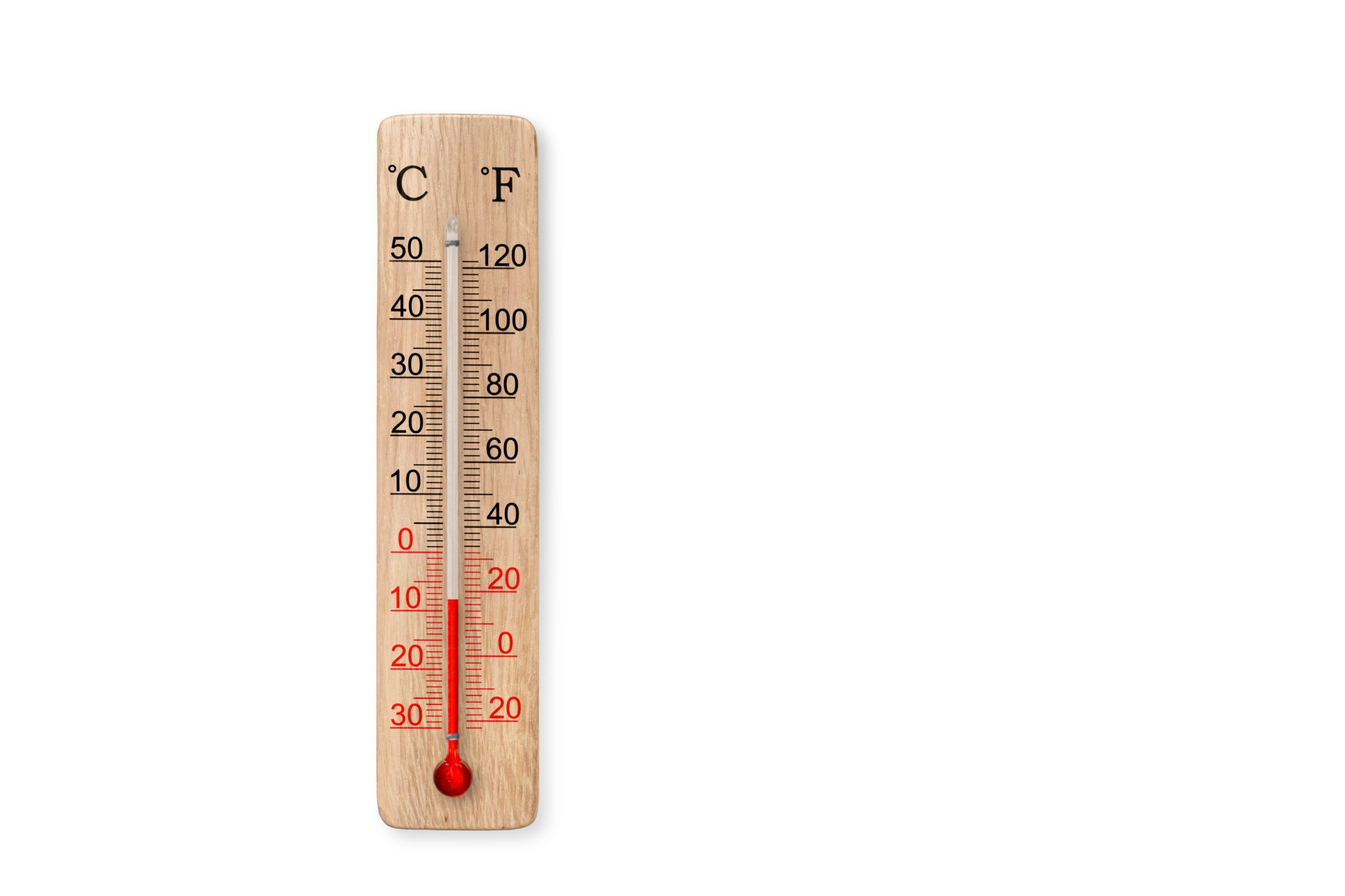
Infants may benefit from a slightly warmer sleeping environment compared to adults. However, it’s important not to raise the thermostat more than a few degrees above the recommended range, as overheating can pose health risks.
Why this temperature?
A bedroom temperature between 60°F and 65°F (15.5°C and 18.3°C) aligns with the body’s internal temperature regulation and circadian rhythm. Sleep quality is closely linked to thermoregulation, which is your body’s ability to maintain its core temperature within a healthy range.
Throughout a 24-hour period, your internal temperature fluctuates predictably. You begin to release heat around the time you go to bed, continuing to cool until reaching your lowest point near daybreak. This drop in core temperature signals your body that it’s time for sleep.
The cooling process occurs as blood vessels in your skin widen, allowing heat to dissipate. As a result, you might notice that your hands and feet get warmer at first. This warmth reflects heat escaping from your core. Eventually, your extremities and torso balance out in temperature.

If your bedroom is too hot — for example, close to 25 degrees Celsius — or too cold, it can interfere with your body’s ability to lower its internal temperature, potentially leading to fragmented or restless sleep. Understanding temperature conversions can also help when adjusting your thermostat; for instance, you may find it helpful to read about Is 25 degrees fahrenheit cold in celsius when comparing climate conditions.
Does it differ for babies and older adults?
Babies
You don’t need to create a dramatically different sleep setting for infants, but small modifications can improve safety and comfort.
Raising the thermostat by a degree or two may be appropriate, yet most babies sleep well in a room kept between 60°F and 68°F (16°C and 20°C), provided they are dressed appropriately for sleep.
Avoid excessive warmth, as overheating may increase the risk of sudden infant death syndrome (SIDS). Even if 25 degrees Celsius feels comfortable to adults, it may be too warm for a sleeping infant.
Infants may benefit from a slightly warmer room than adults for several reasons:
- They have a more limited ability to regulate their body temperature.
- They should not sleep with loose blankets or heavy coverings due to SIDS risk.
Dress your baby in a breathable sleeper and use a properly fitted sleep sack instead of loose bedding. Sleep sacks are available in various materials suited to different seasons, making it easier to maintain a safe sleep environment year-round.
Your infant should not wear a hat indoors , as this can trap heat and interfere with natural temperature regulation.
To check whether your baby is too warm, gently touch the back of their neck or their stomach. If their skin feels sweaty or hot, remove a layer of clothing rather than lowering the room temperature dramatically.
Older adults
A 2023 study reported that older adults tend to sleep best in environments ranging from 68°F to 77°F (20°C to 25°C). For some seniors, 25 degrees Celsius may fall within a comfortable range for sleep.
However, the researchers also observed that sleep efficiency declined by approximately 5 to 10% when temperatures increased from 25°C to 30°C. This suggests that even small temperature elevations can negatively affect sleep continuity and depth in aging populations.
Age-related changes in thermoregulation, circulation, and overall metabolism may explain why older adults sometimes prefer slightly warmer rooms. If you’re unsure how colder conditions compare, resources such as Is 25 degrees fahrenheit cold in celsius fahren can help clarify temperature differences.
Too hot or too cold
Temperatures outside your comfort zone can influence sleep quality in multiple ways, affecting both how quickly you fall asleep and how restorative your sleep feels.
Too hot
If your bedroom exceeds the recommended range, you may experience frequent awakenings or difficulty reaching deeper sleep stages.
Sleeping in an overly warm environment may reduce slow wave sleep and rapid eye movement (REM) sleep, both of which are critical for physical recovery, cognitive function, and emotional regulation.
Excess humidity combined with heat can further intensify discomfort, making it harder for sweat to evaporate and cool the body effectively.
Too cold
A 2018 study indicates that being excessively cold may not disrupt sleep architecture as significantly as being too warm.
However, feeling chilled can delay sleep onset and lead to muscle tension or shivering, both of which interfere with relaxation. If you feel cold at night, consider adjusting the thermostat slightly or layering breathable blankets rather than dramatically raising the room temperature.
Other sleep tips
Regulate the room temperature
To maintain a bedroom between 60°F and 65°F (15.6°C and 18.3°C), consider these practical strategies:
- Program your home’s thermostat to decrease automatically at bedtime. During waking hours, you may prefer a warmer setting, even up to 25 degrees Celsius, but cooler nighttime temperatures support sleep physiology.
- Open windows when outdoor conditions permit or use air conditioning or heating to stabilize fluctuations. Installing a dedicated room thermostat can provide more precise control.
- Use a fan during warmer months to promote airflow and evaporative cooling.
- Monitor humidity levels with a hygrometer to keep the environment comfortable.
Swap out bedding when the seasons change
Seasonal bedding adjustments can significantly improve nighttime comfort. A heavy down comforter that feels cozy in winter may contribute to overheating during summer months.
Keep a lightweight, breathable blanket available during warmer weather to prevent excessive heat retention. Conversely, during colder periods, adding an extra layer temporarily can help maintain warmth without needing to overheat the entire room.
The takeaway
For most adults, the optimal sleep environment ranges from 60°F to 65°F (15.6°C to 18.3°C). While 25 degrees Celsius may feel pleasant during the day, it is generally warmer than ideal for deep, uninterrupted sleep.
Infants can sleep safely within this range when dressed appropriately, though you may increase the temperature slightly while ensuring they do not overheat.
Older adults may prefer somewhat warmer settings, typically between 68°F and 77°F (20°C to 25°C), based on current research.
To promote high-quality sleep, set your thermostat before bedtime, use seasonally appropriate bedding, and make small adjustments as needed. Creating a thermally comfortable bedroom can enhance sleep efficiency, support circadian rhythm regulation, and contribute to overall health and well-being.
User FAQs
The recommended temperature for optimal adult sleep is between 15.6°C and 18.3°C (60°F and 65°F).
25°C is generally considered too warm for quality sleep, as it can interfere with the body’s natural cooling process needed to fall and stay asleep.
For infants, a safe and comfortable sleep temperature is typically between 16°C and 20°C (60°F and 68°F), with appropriate sleepwear to avoid overheating.
Yes, research suggests older adults may sleep better in slightly warmer rooms, often within a range of 20°C to 25°C (68°F to 77°F).
A room that is too hot can lead to frequent awakenings, reduce restorative slow-wave and REM sleep, and disrupt the body’s natural thermoregulation.






Related Posts

Side Effects of Brixadi: What You Need to Know
Aug 28, 2026 • 11 min readSide Effects of Eligard: What You Need to Know
Aug 14, 2026 • 28 min read
7 Easy Ways to Stretch Tight Glutes
Sep 18, 2026 • 18 min read
Does Flaxseed Really Work for Beautiful Hair?
Aug 4, 2026 • 35 min read
Why Are Blisters Forming Between My Toes and How Do I Treat Them?
Jul 31, 2026 • 23 min read