

You can ease sinus pressure using simple natural approaches such as running a humidifier, performing saline rinses, or practicing biofeedback. However, if your symptoms persist beyond a week or two without improvement, seeking medical care may be necessary.
Sinus pressure develops when the nasal passages become obstructed. When your sinuses are unable to drain properly, inflammation can occur, leading to discomfort and pain in the head, nose, and facial areas. Many people searching for How to clear sinuses immediately are often dealing with this exact issue—blocked passages that create throbbing pressure and congestion.

Seasonal allergies and the common cold are among the most frequent triggers of sinus pressure. Although over-the-counter (OTC) medications may help alleviate symptoms, several natural remedies can also provide meaningful relief and support sinus drainage.
1. Steam
Dry indoor air and irritated sinus passages can worsen pressure and contribute to sinus headaches and facial pain. Inhaling steam introduces moisture into the airways, helping to hydrate sinus tissues and loosen thickened mucus. For those wondering How to clear sinuses immediately at home, steam inhalation is often one of the quickest supportive measures.
You can inhale moist air by:
- taking a hot shower
- breathing in steam from a warm cup of tea
- using a humidifier in your room
Adding humidity to your environment may also help reduce nasal irritation during dry seasons and promote easier breathing.
2. Eucalyptus
If your sinus pressure is connected to a viral infection, consider adding eucalyptus oil to a bath or vaporizer to potentially support recovery. Eucalyptus contains cineole, an ingredient that may accelerate the healing of viral sinusitis.
In addition to its potential antiviral support, eucalyptus oil may assist in easing nasal congestion and helping to open blocked airways. The cooling sensation can provide temporary comfort when sinuses feel inflamed and congested.
3. Saline flush
A sinus flush performed at home can help relieve pressure and nasal congestion. This method involves rinsing the nasal passages with sterile saltwater to remove debris, allergens, and excess mucus.
Saline nasal spray contains salt that increases moisture within the nasal passages and may reduce sinus pressure. These sprays are widely available at drugstores.
You may also prepare your own saline solution using baking soda, distilled water, and iodine-free salt. If making a homemade rinse, it is essential to use distilled water, filtered water, or water that has been boiled to avoid harmful bacteria. Proper nasal irrigation techniques, such as using a Neti Pot, can help improve sinus drainage safely and effectively.
If congestion is related to environmental irritants like smoke exposure, you may find additional guidance in How to clear sinuses after smoking, which explains supportive strategies for irritated sinus passages.
4. Rest
A full night of quality sleep supports the body’s natural healing process. During rest, your body increases the production of white blood cells, which help fight viruses and bacteria.
Allowing yourself adequate downtime may decrease sinus pressure, shorten recovery duration, and improve overall well-being. If sinus congestion interferes with sleep, adjusting your sleeping position and maintaining moisture in the air may help you rest more comfortably.
5. Elevation
Just as sleep is vital for healing, your sleep position can influence sinus symptoms. Lying flat may encourage mucus to accumulate in the nasal passages, increasing sinus pressure and disturbing your sleep.
Using extra pillows to elevate your head above your heart at night can help limit sinus buildup and promote easier breathing. Elevation encourages more effective sinus drainage and may reduce nighttime congestion.
6. Hydration
Dehydration can dry out sinus tissues and contribute to increased facial pressure. Drinking sufficient fluids throughout the day can help thin mucus and decrease blockages within the sinuses.
Water is an excellent choice for hydration, but fluids can also be obtained from:
- broth/ soups
- ice cubes
- herbal tea
- water-based vegetables and fruits, like cucumber and watermelon
Maintaining proper hydration supports overall respiratory health and can make it easier for mucus to drain naturally.
7. Relaxation
Sinus pressure may cause tightness in the head, face, and neck muscles. Stress and tension can intensify the perception of pain.
Practicing relaxation techniques such as deep breathing exercises, meditation, or gentle yoga may help reduce discomfort. These approaches can decrease muscle tension and promote a sense of calm, which may lessen headache severity associated with sinus infections.
8. Exercise
Like yoga, general exercise can help relieve sinus pressure. Physical movement increases blood circulation and may temporarily reduce nasal congestion, making breathing feel easier.
Although exercising while sick may feel uncomfortable, low impact activities—such as walking or gentle stretching—can support circulation and potentially shorten recovery time. Even brief activity can sometimes provide temporary sinus relief.
For individuals experiencing sinus symptoms after lifestyle changes, including smoking cessation, it may be helpful to read Sinus problems after quitting smoking how long does it go on to better understand symptom timelines and management strategies.
9. Warm compress
Applying a warm compress, such as a washcloth soaked in warm water, over the sinus areas may help decrease swelling and encourage nasal passages to open. Heat can soothe facial discomfort and support sinus drainage.
OTC remedies
If natural remedies do not provide enough relief, certain OTC products may help reduce sinus pressure. The appropriate option often depends on the underlying cause and may include:
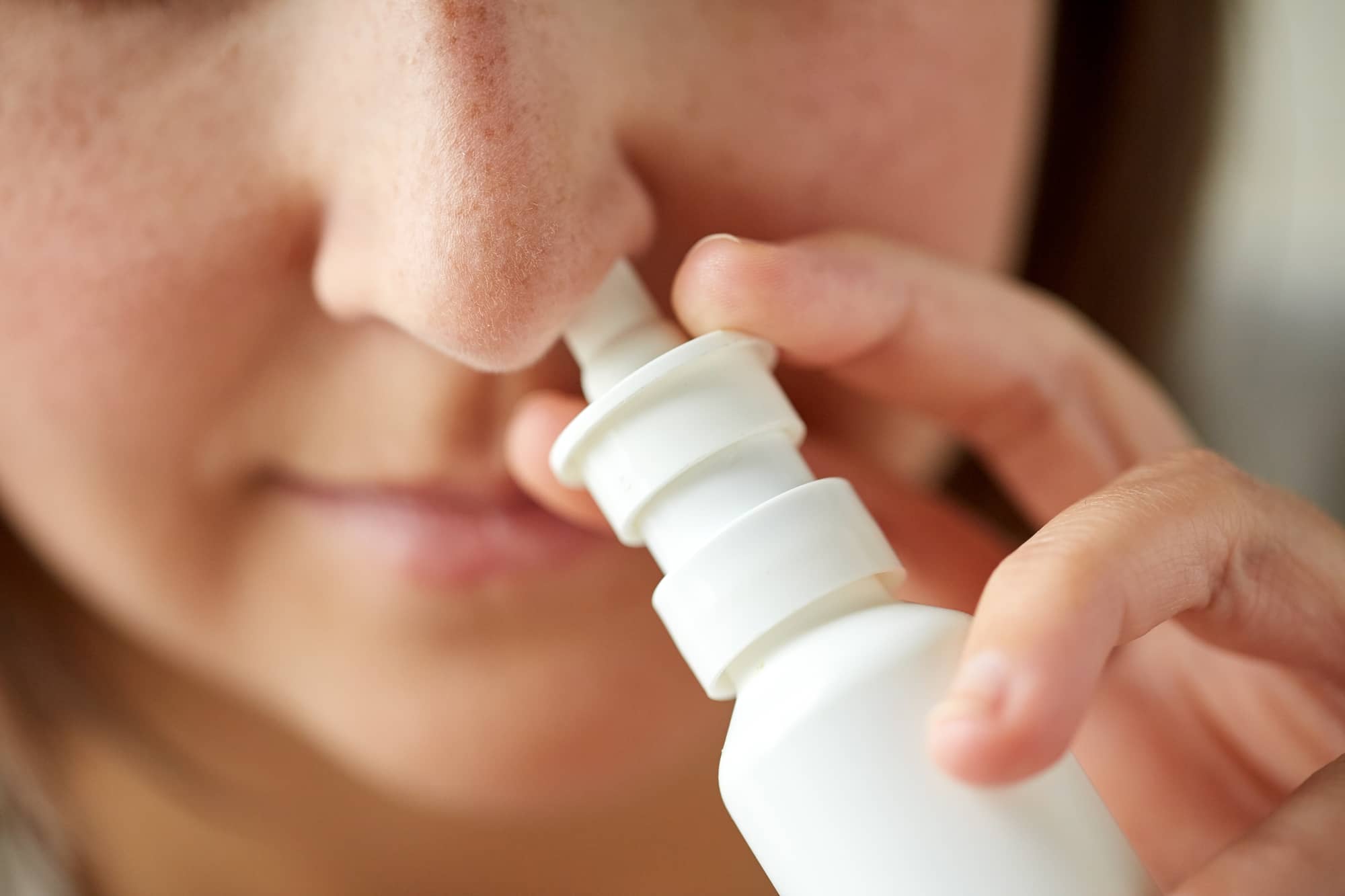
- nasal decongestants, such as pseudoephedrine
- antihistamines, if allergies are causing your sinus pressure
- vapor rub, which can create a sensation of improved airflow
- expectorants, which can help break up mucus
These medications can be useful for short-term symptom management, but it is important to follow dosing instructions carefully.
When to see a doctor about sinus pain
Sinus pressure can be both painful and disruptive. In addition to conventional treatments like decongestants and pain relievers, supportive home remedies may enhance comfort and promote healing.
If your sinus pressure continues for more than two weeks or worsens over time, consult a healthcare professional. Persistent or intensifying symptoms may signal a more serious infection that requires prescribed antibiotics or further evaluation.
Frequently asked questions
How do you relieve sinus pressure fast?
Relief from sinus pressure may come from combining rest, elevation, and maintaining moisture in the nasal passages. Steam inhalation and saline irrigation can also help open blocked sinuses.
What pressure points drain sinuses?
Pressure points associated with sinus relief include: LI20, BL2, Yintang, SI18, GB20, LI4, LU5, LU9, and Liv3.
Learn more about how to find sinus pressure points here.
How do you manually drain your sinuses?
You can manually encourage sinus drainage by inhaling steam, keeping your head elevated, and performing nasal irrigation, such as with a Neti Pot. These techniques may help move mucus and reduce pressure.
Takeaway
The best approach to How to clear sinuses immediately depends on the underlying cause. For many people, home-based strategies like breathing in steam, staying hydrated, elevating the head during rest, and using a saline rinse can significantly reduce symptoms.
If these measures fail to provide relief, contacting a healthcare provider can help determine the cause of your sinus pressure and guide appropriate treatment.


















Leave a Reply
You must be logged in to post a comment.