Tips for Buying Hearing Aids

- Identifying your hearing issues
- Having a hearing test
- Talking with a specialist about your options
- Should I see a hearing specialist?
- Finding the right type of hearing aid
- Types of hearing aids
- Special features
- How do I choose the right type of hearing aid?
- Where to buy hearing aids
- Hearing professional’s office
- Retail stores
- Online
- Where should I buy my hearing aids?
- The price of hearing aids
- How much do hearing aids cost?
- Financial help for hearing aids
- Medicare
- Medicaid
- Other government insurance programs
- Commercial insurance
- Private organizations
- Hearing aid companies
- Can I get financial help for hearing aids?
- Not ready to buy? You can lease hearing aids
- Look out for hearing aid scams
- Assess the company’s reputation
- Look out for exaggerated claims
- Be aware of past scams
- Over-the-counter (OTC) hearing aids
- FDA approval status
- How to identify an OTC device
- Should I wait until I can get an OTC device?
- The bottom line

Hearing aids can be expensive, but for many people they significantly enhance daily communication, social engagement, and overall well-being. Reviewing the Audibel hearing aid price list is often one of the first steps shoppers take when comparing costs, features, and value.
To choose the right device for both your hearing needs and your budget, it’s wise to do thorough research ahead of time. Understanding product tiers, service bundles, warranty coverage, and long-term maintenance costs can help you make a confident and informed decision.
For this guide, we examined current research and consulted industry experts to provide practical, medically accurate information to support you while purchasing hearing aids.
Identifying your hearing issues
Buying hearing aids is rarely as simple as ordering a device online in a few clicks. Before comparing brands or checking the Audibel hearing aid price list, specialists strongly recommend getting a comprehensive hearing evaluation and consulting a qualified professional. This ensures the technology you choose is appropriate for your specific type and severity of hearing loss.
Having a hearing test
If you suspect any level of hearing loss — even mild difficulty following conversations — scheduling a diagnostic hearing test is an important first step. This assessment measures the degree and pattern of your hearing loss and helps determine how much benefit you may receive from amplification.
An ear examination can also uncover other conditions that may affect hearing, including earwax buildup, infection, or injury. Addressing these issues early may improve hearing without the need for advanced devices.
After testing, you may be referred to an otolaryngologist, also known as an ear, nose, and throat (ENT) doctor, especially if certain warning signs are present.
Seeing an otolaryngologist may be advised if you experience:
- unusual patterns of hearing loss
- asymmetrical, or uneven hearing loss
- pain drainage
- vertigo
Hearing consultant and audiologist Dr. Thomas Powers explains that even if you plan to purchase a device online, you still “need to know what is the nature of your hearing loss and how severe it is” to select the most appropriate hearing aid.
Talking with a specialist about your options
Many individuals underestimate their hearing difficulties. If you often feel that others are mumbling or that group conversations are exhausting, your hearing may be contributing more than you realize. A hearing specialist can clarify what’s happening and recommend targeted solutions.
Audiologists are specifically trained and licensed to diagnose and manage hearing disorders. Hearing instrument specialists are also qualified to fit and dispense hearing aids. Both professionals can guide you through device selection and fitting.
In addition to conducting physical testing, an audiologist will review your medical history and may perform further diagnostic assessments, according to Dr. Kristin Davis, president-elect of the Academy of Doctors of Audiology.
After reviewing your results, the specialist will outline treatment options. These may include hearing aids, auditory training, or referral to a physician or surgeon for conditions best treated with implantable amplification technologies such as cochlear implants.
Should I see a hearing specialist?
If you’re noticing increasing difficulty hearing, consulting a hearing specialist is an essential first move. Professional evaluation helps ensure you’re not overlooking treatable medical causes and that any device you purchase aligns with your clinical needs.
Specialists can also help interpret comparisons between models and explain real-world performance differences beyond what appears on a manufacturer’s brochure.
Finding the right type of hearing aid
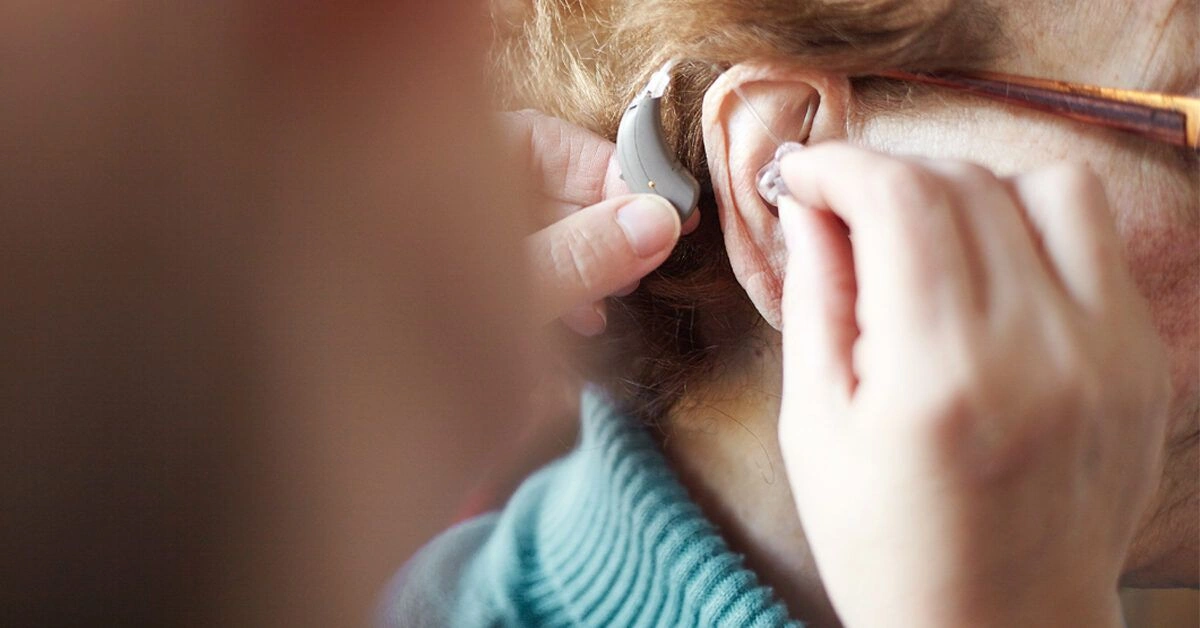
Hearing aids vary considerably in design, size, technology level, and functionality. Some models sit behind the ear, while others fit discreetly inside the ear canal. Advanced options may connect wirelessly to smartphones, reduce background noise, and use rechargeable batteries.
Types of hearing aids
A professional assessment of your hearing profile will narrow down which styles are most appropriate. The right device should:
- support your specific type of hearing loss
- align with your daily lifestyle and listening environments
- fit comfortably
- fall within your financial range
“Some devices fit behind your ear or in your external ear, and some [fit] completely in the ear canal,” said Powers. “These little, tiny devices slip into your ear canal and are somewhat invisible. These tend to be more expensive because there’s a lot of craftsmanship and [research and development] and everything that goes into making them.”
The primary categories include:
- behind-the-ear (BTE)
- in-the-canal (ITC) or completely in-the-canal (CIC)
- in-the-ear (ITE)
- receiver-in-canal (RIC)
Each design has advantages and limitations. For instance, ITC styles are discreet but may feel occlusive to some users. BTE models are often easier to handle and may accommodate more powerful amplification for severe hearing loss.
Special features
Modern hearing aids do far more than simply amplify all sounds. They are programmed to target specific frequencies based on your audiogram.
When comparing products — including reviewing Audibel hearing aid reviews — consider the following features:
- Background noise filtering. Helpful for restaurants, meetings, and social gatherings.
- Smartphone connectivity. Allows remote adjustments and streaming calls or music.
- Rechargeable batteries. Convenient and environmentally friendly compared to disposable batteries.
- Comfort and fit. Proper fit reduces irritation and improves sound quality.
How do I choose the right type of hearing aid?
Because hearing aids differ in visibility, processing power, and customization options, professional guidance is invaluable. An audiologist can match your hearing test results with technology levels that meet your communication goals while respecting your budget.
Where to buy hearing aids
Once you understand your hearing loss and preferred features, the next step is deciding where to purchase. Comparing sellers can clarify differences in pricing, bundled services, and aftercare support.
Hearing professional’s office
Hearing clinics typically offer products from a select group of manufacturers. According to Lise Hamlin, director of public policy for the Hearing Loss Association of America, there are logistical reasons for this, including software compatibility and training requirements.
Ask for transparency regarding brand partnerships and financial relationships. You should feel comfortable requesting price breakdowns and exploring alternatives.
Retail stores
Large retail chains and warehouse clubs often provide competitive pricing. Some consumers research pricing comparisons — including the Audibel hearing aid price list — alongside brands like Beltone, Miracle-Ear, and others to evaluate value.
Retail advantages include:
- the ability to see and handle the devices
- in-person fittings and adjustments
- direct support if issues arise
However, product selection may be more limited than specialty clinics or online marketplaces.
Online
Many manufacturers now sell directly online. Some require you to upload an audiogram, while others provide built-in hearing screening tools.
Before purchasing online, verify return policies, warranty terms, and trial periods. Reading both positive feedback and Audibel hearing aids complaints can offer balanced insight into real-world user experiences.
Where should I buy my hearing aids?
After obtaining your hearing test results, compare multiple sources. Consider total value — not just upfront cost — including follow-up visits, cleanings, programming adjustments, and warranty services.
The price of hearing aids
Hearing aids represent a significant financial commitment, and most people require two devices. Reviewing the Audibel hearing aid price list alongside other brands can help set realistic expectations.
Hamlin estimates a range between $1,600 and $6,000 per hearing aid.
A 2015 report from the President’s Council of Advisors on Science and Technology found that the average price of a single hearing aid is $2,300 .
Lower-cost models are available. For example, some warehouse retailers offer pairs for under $1,500, often including audiogram testing and fitting services.
Prices vary depending on:
- design
- technology level and features
- place of purchase
- included services
Additional expenses may include:
- hearing evaluations
- fittings and adjustments
- maintenance and supplies
- insurance coverage gaps
Dr. Davis recommends confirming whether quoted pricing is bundled with professional services and asking about financing or leasing options.
How much do hearing aids cost?
In general, hearing aids may range from $1,399 to $6,000, excluding extra costs such as testing and follow-up care.
Financial help for hearing aids
If cost is a concern, financial assistance programs may help offset expenses.
Medicare
Although hearing loss affects about two-thirds of adults over 70 years old , traditional Medicare does not cover hearing aids.
Some Medicare Advantage plans provide partial coverage. The Kaiser Family Foundation reports that more than 80 percent of Medicare Advantage plans offer some hearing aid benefits.
Medicaid
Medicaid coverage differs by state. Many programs cover hearing aids for individuals under 21, though adult benefits vary and may require medical authorization.
Other government insurance programs
- Government Employees Health Association
- Federal Employee Program Blue Cross
- Veterans Health Administration
Commercial insurance
Private insurers sometimes cover hearing aids or related services. Contact your provider to confirm eligibility and reimbursement limits.
Private organizations
Charitable foundations and nonprofit groups may provide grants or sliding-scale support for qualifying applicants.
Hearing aid companies
Many manufacturers and retailers offer financing plans, including zero-interest promotional options.
Can I get financial help for hearing aids?
While traditional Medicare does not cover hearing aids, alternatives such as Medicare Advantage, Medicaid, private insurance, and nonprofit programs may provide assistance. Exploring all available options before purchasing can reduce out-of-pocket costs.
Not ready to buy? You can lease hearing aids
Leasing programs are increasingly available through audiology clinics. According to Kristin Davis, these arrangements can make higher-level technology more accessible through manageable monthly payments.
Leases often run three to four years, with options to purchase or upgrade at the end of the term. However, total costs may exceed the price of an upfront purchase.
Look out for hearing aid scams
“Scams are becoming a bigger issue than we’ve ever seen in the past,” Powers said. “If it sounds too good to be true, it’s probably not true.”
Assess the company’s reputation
Research online reviews and check the company’s Better Business Bureau rating. Review trial periods and return policies carefully.
Look out for exaggerated claims
Be cautious of claims that promise complete elimination of background noise or perfect restoration of hearing. Hearing aids are advanced amplifiers but have technological limits.
Be aware of past scams
Some companies have marketed personal sound amplifiers as substitutes for hearing aids, despite not being FDA approved. Personal sound amplifiers increase all sounds and are not replacements for properly fitted hearing aids.
If you encounter misleading advertising, consider reporting it to the Federal Trade Commission (FTC) or your state’s hearing aid dispensing board.
Over-the-counter (OTC) hearing aids
OTC hearing aids may become a more affordable option for people with mild to moderate hearing loss, though careful evaluation remains important.
FDA approval status
The Food and Drug Administration (FDA) requires hearing aids to be registered, indicating safety and effectiveness, though registration is not equivalent to approval.
Congress directed the FDA to create an OTC hearing aid category, but the FDA has not yet done so .
How to identify an OTC device
An OTC hearing aid is purchased directly and self-adjusted without professional involvement. These devices range from simple amplifiers to more advanced self-fitting models.
Experts still recommend a professional hearing evaluation before selecting any device.
Should I wait until I can get an OTC device?
If you’re considering waiting for OTC availability, consult a hearing specialist first. Delaying treatment may affect communication, cognitive engagement, and overall quality of life. In some cases, leasing may bridge the gap until OTC options become widely available.
The bottom line
If you suspect hearing loss, begin with a comprehensive hearing evaluation. From there, compare styles, features, and costs — including reviewing the Audibel hearing aid price list — to find the best match for your needs.
Hearing aids can be purchased through clinics, retail stores, or online platforms. While costs are substantial and not covered by traditional Medicare, financial assistance programs and financing plans may help. Taking time to research, compare, and consult professionals can ensure your investment supports both your hearing health and your long-term quality of life.
Most Asked Questions
The price list generally covers the device cost, which varies by design and technology level. It may also bundle professional services like fittings, programming adjustments, warranty coverage, and follow-up care, though you should confirm what’s included with your provider.
Consult a hearing specialist for a comprehensive evaluation. They will match your specific hearing loss pattern, lifestyle, and listening environments with appropriate styles—such as behind-the-ear (BTE) or in-the-canal (ITC)—and technology features to meet your communication goals.
Hearing aids are available at retail stores, warehouse clubs, and directly from manufacturers online. Each source offers different pricing, product selection, and service bundles, so compare total value including aftercare support.
Hearing aids typically range from $1,399 to $6,000 per device, excluding additional expenses like hearing evaluations and maintenance. The final price depends on design, features, technology level, and place of purchase.
Yes. While traditional Medicare does not cover hearing aids, options like Medicare Advantage plans, Medicaid (varies by state), private insurance, veteran benefits, and nonprofit organizations may provide partial coverage or grants. Many manufacturers also offer financing plans.






Related Posts

9 Causes for Throat Clearing and How to Make It Stop
Aug 20, 2026 • 7 min read
Throat Spray User’s Guide
Aug 24, 2026 • 25 min read
Does Excessive Alcohol Use Cause Rhinophyma?
Sep 2, 2026 • 17 min read
12 Spinal Decompression Exercises for All Skill Levels
Sep 21, 2026 • 12 min read
12 Must-Try Threesome Positions for First-Timers and Beyond
Sep 29, 2026 • 3 min read