
Home remedies can play a helpful role in easing the discomfort linked to a sinus infection. While many sinus infections clear up on their own, certain bacterial cases may require antibiotics.

In many situations, you can manage sinus infections triggered by a viral infection or environmental irritants at home using supportive care. However, sinus infections caused by bacterial infection may call for antibiotic treatment prescribed by a healthcare professional.
If you’re wondering How to get rid of a sinus infection in 24 hours, it’s important to understand that while a complete cure in a single day is unlikely, you can take meaningful steps to reduce sinus pressure, improve drainage, and ease symptoms quickly. Supporting your immune system during this time is key to promoting recovery.
Read on to discover practical ways to clear your sinuses, minimize discomfort, and encourage healing, as well as guidance on when it’s time to consult a doctor.
How long does it take for a sinus infection to go away?
Sinusitis may be categorized as acute, subacute, or chronic. These terms refer to how long symptoms persist.
Acute sinusitis generally lasts less than 4 weeks, subacute sinusitis continues for 4–12 weeks, and chronic sinusitis can persist for 12 weeks or longer.
What is the fastest way to get rid of a sinus infection?
Most sinus infections are caused by a viral infection or airborne irritants and typically get better on their own with time and supportive care.
When bacteria are responsible, a bacterial sinus infection may improve with a course of antibiotic treatment. Many people begin noticing improvement within 3-4 days of starting antibiotics.
If your goal is understanding How to get rid of a sinus infection in 24 hours, the most effective strategy involves aggressive symptom relief—hydration, steam inhalation, nasal irrigation, and rest—while monitoring for signs that medical treatment may be necessary.
1. Drink plenty of water
Staying well hydrated is fundamental for overall health and immune function. Drinking plenty of fluids enables your body to respond effectively to infections and supports faster recovery.
With sinusitis, proper hydration keeps the mucous membranes lining the sinuses moist. This can help thin mucus, promote sinus drainage, reduce irritation, and decrease the likelihood of further blockage. Warm fluids such as herbal teas or broth may also provide soothing relief for sinus congestion.
2. Rest
Most sinus infections resolve on their own within 2–3 weeks. During this period, giving your body adequate rest is essential so your immune system can focus on fighting the infection.
Limiting strenuous activities, prioritizing sleep, and managing stress may shorten the duration of symptoms and help you feel better sooner. Rest is a simple yet powerful component when considering how to get rid of a sinus infection in 24 hours or at least significantly reduce its severity.
3. Use a neti pot or other nasal irrigators
Nasal irrigation is commonly used to relieve sinusitis symptoms. Research suggests that using a neti pot with a saline solution may ease certain symptoms of chronic sinusitis by clearing mucus and irritants.
Always follow the instructions that come with your device. General guidelines include:
- Fill the pot with a sterile saline solution.
- Tilt your head over a sink at about a 45-degree angle.
- Place the spout into the upper nostril and gently pour the solution in.
- Repeat on the opposite side.
Be sure to clean your neti pot thoroughly after each use, and use only distilled water. Tap water can contain contaminants such as bacteria or parasites that may worsen your condition.
Other nasal irrigation systems are available in various designs and offer similar benefits. For those experiencing unusual odors along with congestion, exploring options like Sinus infection smell treatment may provide additional insight into managing related symptoms.
4. Keep the sinuses moisturized
Maintaining moisture in your sinuses can reduce pressure and discomfort. To keep nasal passages hydrated:
- Use a humidifier in your bedroom at night to ease nasal blockage.
- Apply natural saline nasal sprays during the day and before bedtime.
- Take warm showers or inhale steam from a bowl of hot water to relieve congestion and swelling.
Steam inhalation may temporarily open nasal passages and help loosen thick mucus, making breathing easier.
5. Eat foods with natural antibacterial properties
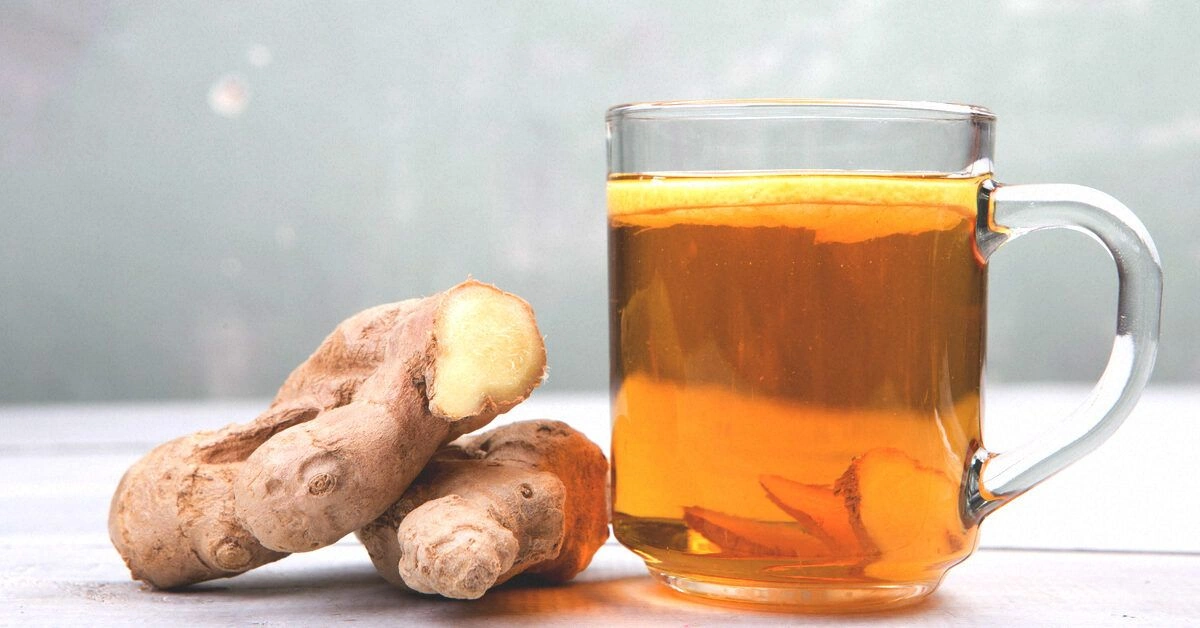
Incorporating foods with natural antibacterial qualities—such as garlic, ginger, and honey—into your diet may bolster the body’s infection-fighting processes.
Additionally, anti-inflammatory foods like berries, leafy green vegetables, and oily fish may help reduce swelling associated with sinus infections. While scientific evidence directly linking dietary changes to rapid sinus infection relief is limited and often anecdotal, maintaining balanced nutrition supports immune resilience.
6. Clear the sinuses with oils
Some individuals report that topical use or inhalation of essential oils helps ease sinus congestion. For instance, one in vitro tissue study found that 1,8-cineole, the primary compound in eucalyptus oil, may have anti-inflammatory effects on human tissues. More research is needed to confirm benefits in human sinus infections.
People may apply diluted oil to the temples or chest or inhale vapor using a diffuser with boiling water. Only use food-grade essential oils. Place one drop on the roof of your mouth, then drink a glass of water.
Use essential oils strictly as directed, since inhalation can irritate the airways and potentially aggravate symptoms.
Although some research points to possible health advantages, the FDA does not regulate the purity or quality of essential oils. Consult a healthcare professional before using them and review the quality of any brand. Always perform a patch test before trying a new oil.
7. Ease facial pain with warm compresses
Warm compresses can help relieve facial discomfort caused by sinus congestion.
Although they do not cure the infection, placing a warm, damp towel over the nose, cheeks, and eyes may encourage mucus drainage and provide relief from symptoms. This can be particularly comforting when facial pressure and sinus headaches are prominent.
8. Use over-the-counter (OTC) medications
If home remedies are not enough, a pharmacist can suggest an appropriate OTC treatment.
OTC decongestants such as pseudoephedrine (Sudafed) may reduce sinusitis symptoms by narrowing blood vessels, which decreases inflammation and swelling. This can enhance sinus drainage.
If you have high blood pressure, speak with your doctor or pharmacist before taking pseudoephedrine. Coricidin HBP is formulated for individuals with high blood pressure.
These medications are not appropriate for children unless specifically advised. Always follow dosing recommendations carefully.
Other OTC options for relieving sinus pain include:
- aspirin
- acetaminophen (Tylenol)
- ibuprofen (Advil, Motrin)
If allergies are contributing to congestion, antihistamines may help reduce inflammation.
Carefully follow package instructions and consult your pharmacist if you have questions.
9. Get a prescription for a bacterial infection
In cases of chronic sinusitis or confirmed bacterial sinus infection, doctors may prescribe antibiotics. Your primary care provider will determine whether bacteria or a virus is responsible by:
- reviewing your symptoms
- performing a physical examination
- swabbing inside your nose (not routinely done)
Amoxicillin (Amoxil) is commonly prescribed for acute sinus infections. Amoxicillin-clavulanate (Augmentin) is often used for bacterial sinus infection but is not suitable for individuals with a penicillin allergy. In such cases, doctors will recommend an alternative.
Depending on the antibiotic, treatment may continue for up to three weeks. Complete the full course exactly as prescribed, even if you start feeling better, to prevent antibiotic resistance.
Optum Perks is owned by RVO Health. By clicking on this link, we may receive a commission. Learn more.
When to seek help for a sinus infection
Contact your doctor if you or someone else experiences:
- a persistent temperature higher than 100.4°F (38°C)
- symptoms lasting longer than 10 days
- worsening symptoms
- symptoms not relieved by OTC medications
- multiple sinus infections within the past year
If symptoms continue for 8 weeks or longer, or if you have more than four sinus infections per year, you may have chronic sinusitis. Common contributing factors include:
- allergies
- nasal growths
- respiratory tract infections

What causes a sinus infection?
A sinus infection develops when tissue lining the sinuses becomes inflamed and swollen. This swelling leads to mucus buildup, facial pain, and pressure.
The sinuses are air-filled cavities within the facial bones that form part of the upper respiratory tract, connecting the nose and throat.
Factors that may interfere with normal sinus drainage include:
- the common cold
- hay fever
- allergen exposure
- changes in air pressure
According to the Centers for Disease Control and Prevention, viruses account for 9 out of 10 sinus infections in adults.
To lower your risk of developing sinus infections:
- Wash your hands frequently, especially after being in crowded environments.
- Stay current with recommended immunizations.
- Limit contact with individuals who have colds or upper respiratory infections.
- Avoid smoking and secondhand smoke exposure.
- Use a clean humidifier to maintain moisture in indoor air.
- Get adequate rest when you have a cold to reduce complications such as sinusitis.
What are the main symptoms of a sinus infection?
Typical symptoms of sinusitis include:
- nasal congestion
- reduced sense of smell
- postnasal drip
- green nasal discharge
- tenderness beneath the eyes or across the bridge of the nose
- pain in the forehead or temples
- cough
- fatigue
- fever
- bad breath
The bottom line
Sinus infections are common and often uncomfortable.
In many cases, symptoms improve within 10 days without prescription treatment. OTC medications and natural remedies can help ease congestion, facial pressure, and pain.
If your symptoms persist beyond 10 days or become more severe, consult a doctor to determine whether additional treatment is necessary.






















Leave a Reply
You must be logged in to post a comment.