

What is lateral flexion?
Flexion refers to a joint movement that decreases the angle between parts of the body, often described as bending. When a body segment moves to the side, this action is termed lateral flexion.
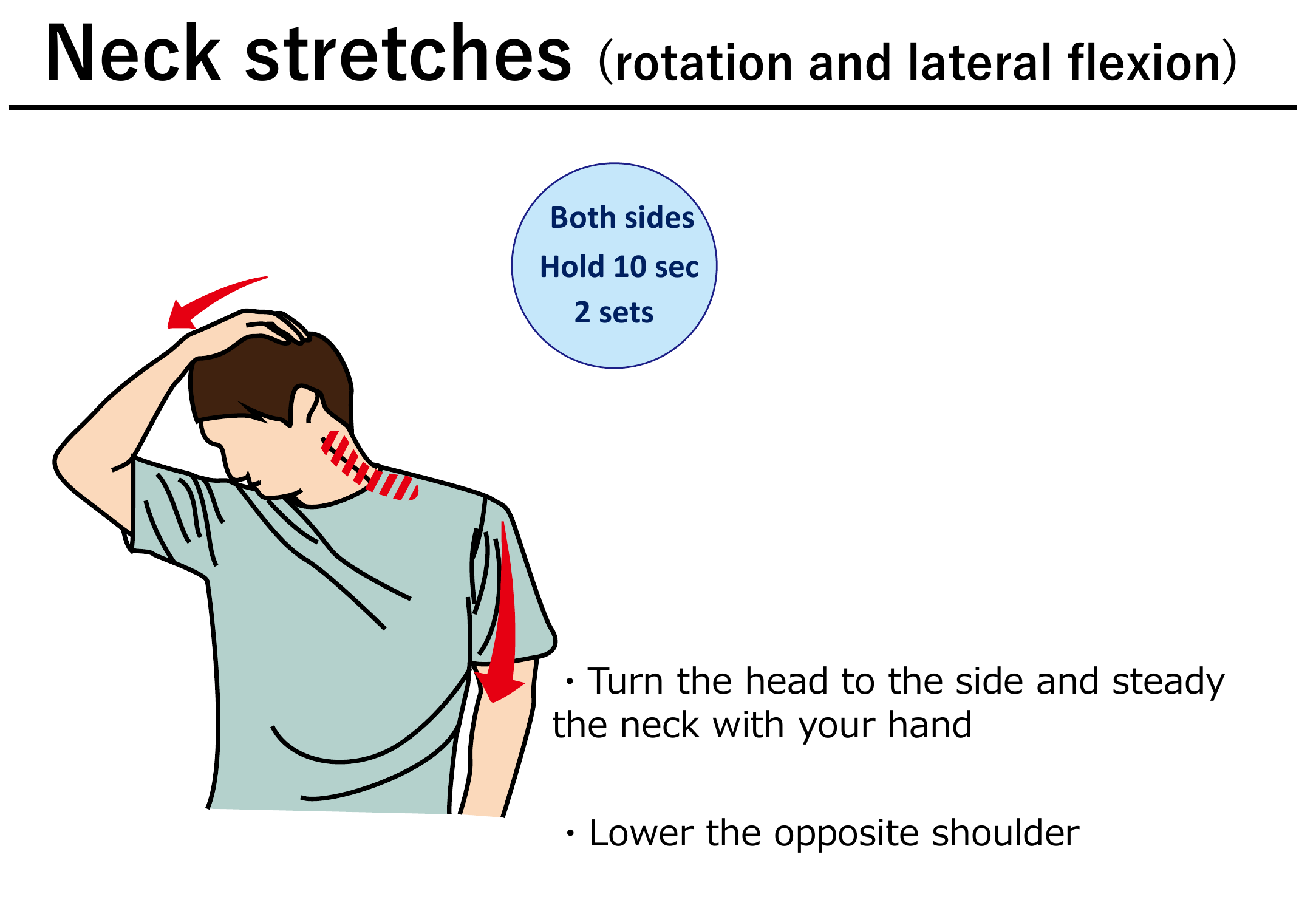
This motion is frequently linked with the neck and the spine. For instance, when you tilt your head toward one shoulder or bend your torso sideways, you are performing lateral flexion.
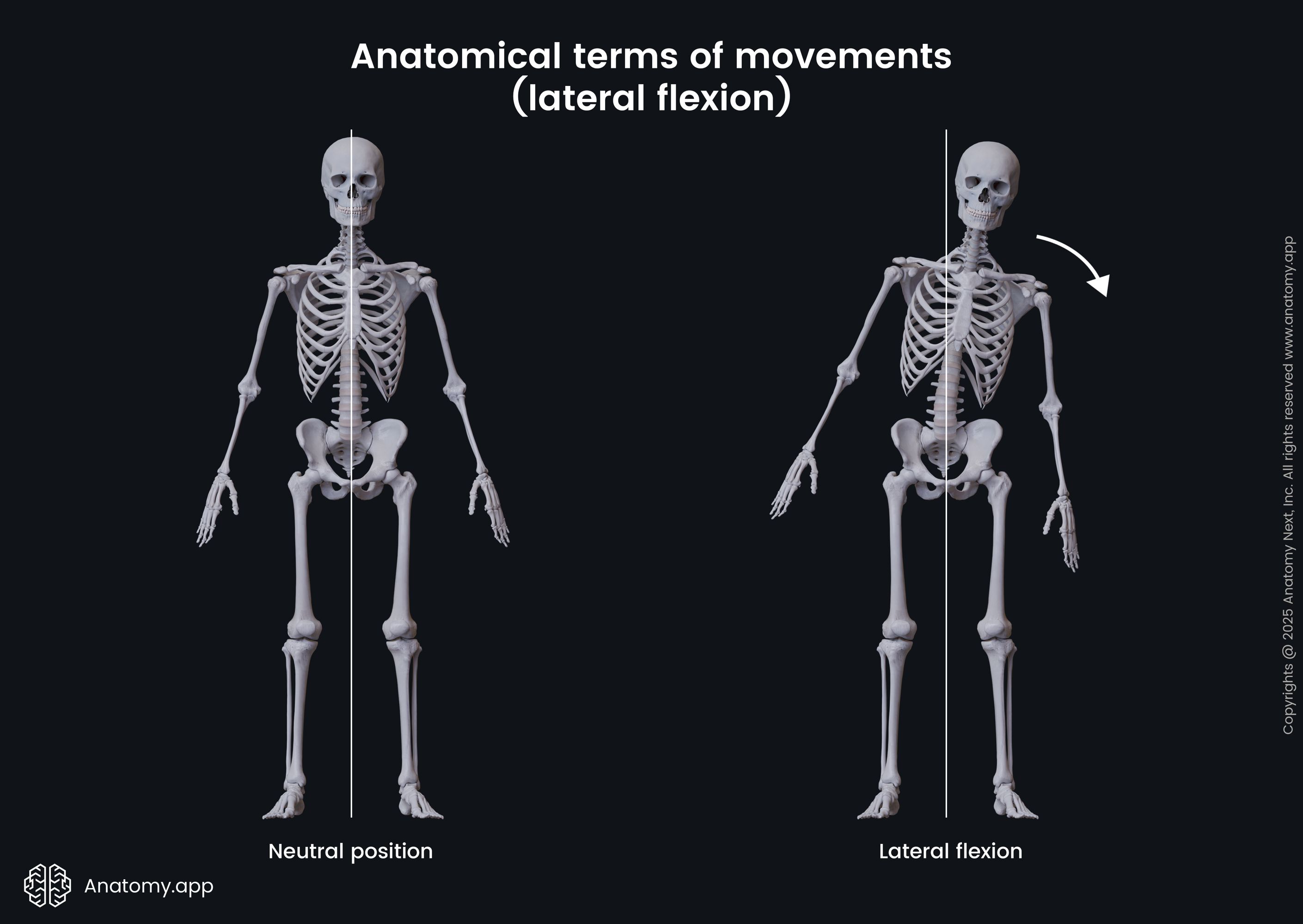
Spine mobility and lateral flexion
The spinal column supplies central support to the body. It shields the spinal cord and allows you the flexibility to bend and move freely.
The spine consists of 24 movable bones (vertebrae) arranged in three main sections:
- The cervical spine comprises the first seven vertebrae in the neck.
- The thoracic spine contains the 12 vertebrae of the upper back.
- The lumbar spine is formed by the last five vertebrae in the lower back.
A problem involving a spinal disc, vertebra, or nerve can limit spinal mobility and reduce lateral movement capability.
Spinal mobility may be impacted by a variety of conditions or injuries, including:
- sprains
- strains
- aging
- herniated discs
- fractured vertebrae
Discover exercises to enhance mobility and flexibility.
How lateral flexion of the spine is measured
A device known as a goniometer is often used to assess the range of lateral flexion. This instrument measures angles with precision.
To evaluate spinal lateral flexion, a clinician places the goniometer over the sacrum — the triangular bone at the spine’s base, situated between the pelvic hip bones.
The examiner sets the stationary arm of the goniometer perpendicular to the floor and aligns the moving arm with your spine.
Next, you are asked to bend to one side without leaning forward or backward. The clinician adjusts the moving arm and notes the measurement in degrees.
The same measurement is then taken on the opposite side.
The typical range of motion for lateral flexion in the lumbar region falls between 40 and 60 degrees.
Exercises to improve lateral flexion
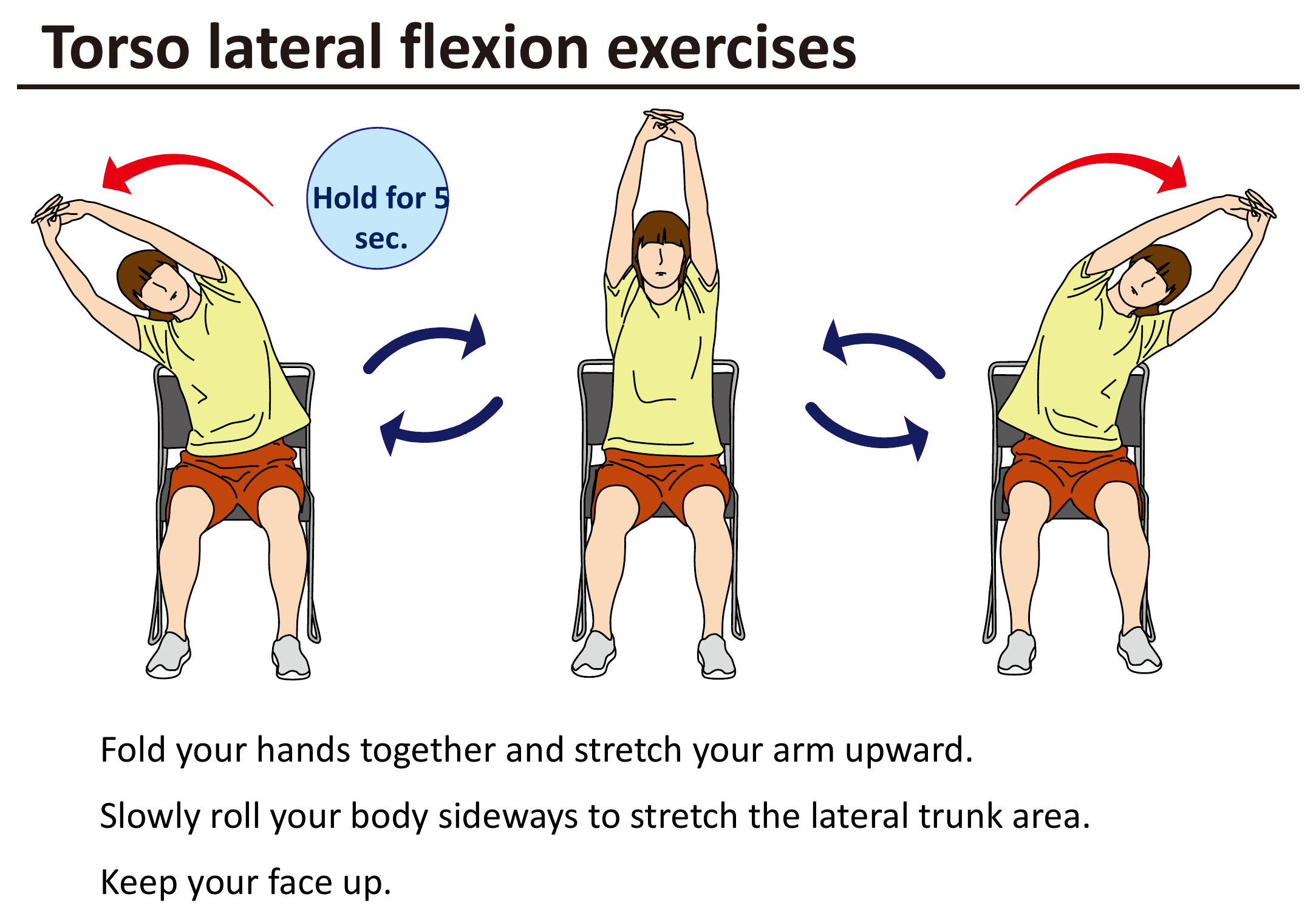
A mix of stretches and targeted exercises can boost your lateral range of motion and flexibility. Incorporating side-bending movements into appropriate routines strengthens your trunk by engaging the obliques and lateral musculature.
Side and hip stretch
Try this movement to enhance lateral flexibility.
How to perform it:
- Stand with your feet slightly wider than shoulder-width apart.
- With controlled motion, lift your right arm overhead.
- Slowly lean toward the left, keeping your core engaged. You should feel a stretch along your side and hip as you bend.
- Repeat on the opposite side.
Low back stretch
The low back stretch helps relieve tension in the lumbar area.
How to perform it:
- Lie flat on your back.
- Pull your left knee toward your chest as far as comfortable, place your left hand on the outside of your knee, and turn your head to the left.
- Using your left hand, guide your left knee across your chest toward the right. Keep your head turned left. You should feel a twisting stretch in your back.
- Repeat on the other side.
These yoga positions are also effective for loosening the lower back.
Neck rolls
If your goal is to improve lateral flexion in the neck, neck rolls are a simple option.
How to do them:
- Take a deep breath and allow your neck muscles to relax.
- Bring your chin down toward your chest.
- Gently roll your neck in a circular motion, moving toward each side.
For additional neck mobility work, consider pairing neck rolls with controlled wrist flexion and shoulder mobility drills to promote overall upper-body flexibility.
Takeaway
Lateral flexion is the sideways bending of body parts, most commonly the torso and neck. This motion can be limited by back injuries and various medical issues.
You can increase your lateral mobility through stretches and exercises that focus on flexibility in the back and sides of the body.
Always consult your physician before beginning any new exercise program.





















Leave a Reply
You must be logged in to post a comment.