
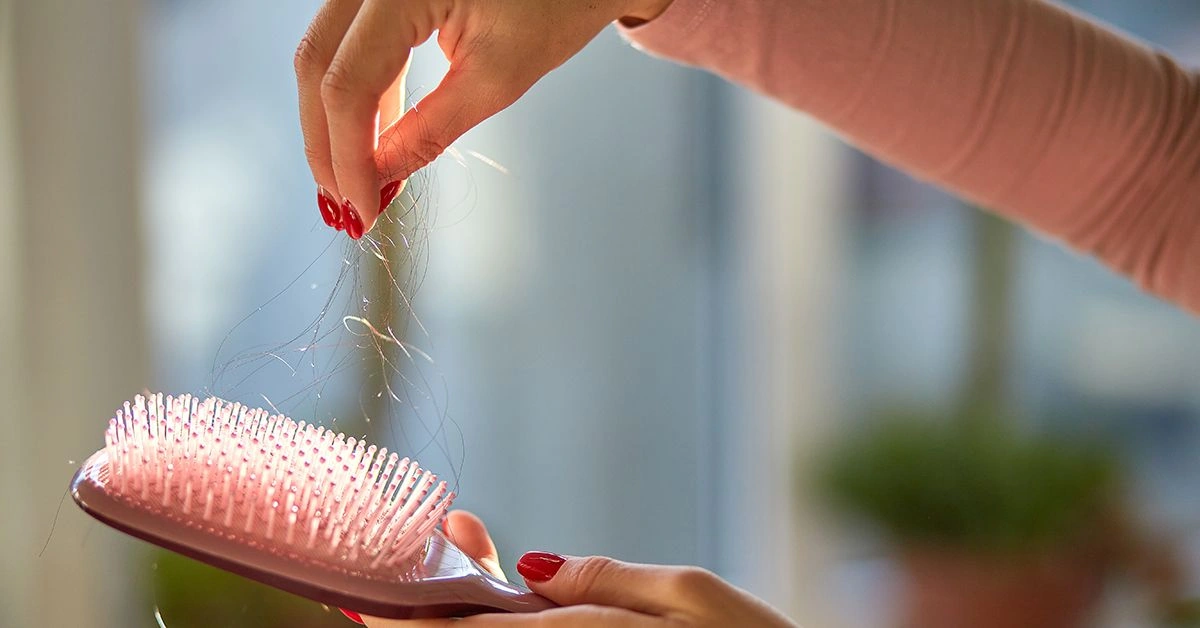
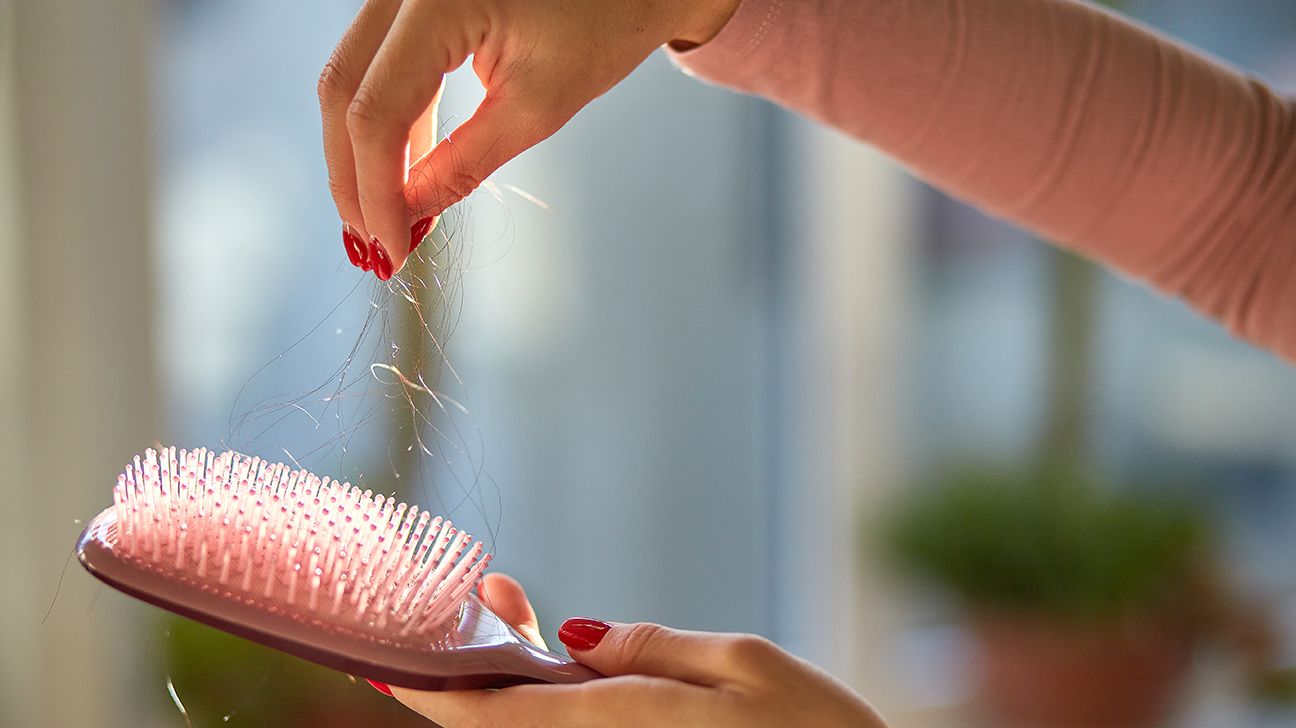
- Some individuals taking GLP-1 drugs have reported hair loss as a possible side effect.
- The exact cause of GLP-1-related hair loss is unclear, but experts say it could be attributed to weight loss from the medication.
- This form of hair loss is considered temporary, and treatments are available to help facilitate hair regrowth.
Noticeable weight reduction is one of the defining effects of GLP-1 medications. However, alongside shedding excess pounds, some people say they are also losing more hair than usual.
Hair thinning has drawn attention in online discussions — including conversations similar to Nutrafol bad reviews and broader threads about Nutrafol bad reviews consumer reports — where users compare supplement experiences with medication-related shedding. In contrast to concerns reflected in Nutrafol bad reviews for hair loss, GLP-1-associated shedding appears to stem from internal metabolic changes rather than dissatisfaction with a specific over-the-counter product.
Although hair loss is not officially listed as a side effect of GLP-1 drugs — a category used to treat obesity and type 2 diabetes, including Wegovy, Ozempic, and Zepbound — anecdotal accounts and emerging research indicate it may occur in some individuals.
“It’s definitely a common thing that we’re seeing in the office,” said Marisa Garshick, MD, a board certified dermatologist and clinical assistant professor of dermatology at Weill Cornell Medicine.
Even when a side effect is frequently observed, that doesn’t mean its mechanism is fully understood.
There is limited published data on GLP-1-related hair loss, and researchers do not yet know how widespread it is or precisely why it develops. Many specialists suspect the shedding is not directly caused by the medication itself, but instead by the rapid or sustained weight loss the drugs promote.
“We don’t think of it as something specifically unique to the GLP-1s, insofar as any kind of stress placed on the body — be it physical, like surgery, or emotional, psychological, or a lifestyle change — can sometimes contribute to a type of hair shedding called telogen effluvium,” said Garshick.
In most cases, GLP-1-related hair loss is temporary. Still, regrowth may require patience. Options ranging from nutritional optimization and lifestyle adjustments to prescription therapies can help encourage recovery.
What causes sudden hair loss?
Telogen effluvium is a frequent cause of abrupt, diffuse hair shedding and is commonly triggered by a physiological or emotional stressor. Examples include:
- childbirth
- menopause
- polycystic ovary syndrome (PCOS)
Additional contributors may involve nutritional deficiencies, endocrine disorders, and significant weight loss.
“GLP-1 associated hair loss is unique in that the continued weight loss is a continued ‘stressor,’” said Jenni Holman, MD, FAAD, a diplomate of the American Academy of Dermatology.
“Unlike a singular exposure or event, the ongoing weight loss often slows the body’s ability to reset the hair shedding cycle. As opposed to shedding hair over a few weeks, the hair shedding may continue throughout the weight loss process,” Holman explained.
Because this pattern is likely connected to weight reduction rather than the GLP-1 medication itself, hair shedding may not begin until several months after treatment starts.
Telogen effluvium generally improves once the underlying trigger stabilizes. Even so, restoring visible hair density can take time due to the natural growth cycle.
“Generally, we can reassure patients that it’s a temporary process that does tend to get better with time,” Garshick said.
GLP-1 hair loss vs. other forms of hair loss
Telogen effluvium differs substantially from other types of alopecia. Understanding these distinctions can help determine the most appropriate approach.
- androgenic alopecia—The most common cause of hair loss that affects up to 50% of males. The condition also affects females, with a higher prevalence after menopause. It’s caused by a combination of age, genetics, and hormones. Male pattern baldness and female pattern baldness are both forms of androgenic alopecia.
- alopecia areata — An autoimmune condition that causes the immune system to attack hair follicles.
- tinea capitis — Also known as ringworm of the scalp, it is a fungal infection that causes small bald patches that may be scaly or itchy.
“The way we distinguish it typically is by the sudden onset of hair shedding that typically occurs with telogen effluvium,” Garshick said.
“It’s usually more diffuse, so you’ll notice hair loss from everywhere, as opposed to androgenetic alopecia, which may be more of a localized area.”
What to do when shedding starts
If you observe increased strands in your brush or shower drain, Holman recommends reviewing recent changes: “Are there any new medications, stresses, illnesses, or major body [or] life changes in the last three months?”
Hair health is closely tied to overall wellness. Evaluating dietary habits, calorie intake, and stress levels is an important first step.
Since many individuals on GLP-1 medications consume fewer calories, diet quality may decline, potentially resulting in nutritional deficiencies that influence hair growth.
“When hair loss occurs, I check for possible vitamin and iron deficiencies, which can be associated with hair loss. Vitamin D deficiency is common. I also check zinc levels,” said Sun Kim, MD, an associate professor of Endocrinology at Stanford Medicine.
Insufficient protein intake during weight loss may further worsen shedding. For that reason, Kim encourages patients taking a GLP-1 drug to prioritize adequate daily protein.
For some people, moderating the pace of weight loss can reduce stress on the body and may help minimize ongoing shedding while preserving the metabolic benefits of the medication.
Do supplements work for GLP-1-related hair loss?
Garshick emphasized that high-quality scientific data supporting many hair supplements remains limited.
“There are certain [supplements] where, anecdotally, we’ve had success and certainly I’ve had patients who have done very well,” Garshick said.
Nutrafol, a clinically studied hair loss supplement, has been shown to improve hair regrowth. Other widely used products include Viviscal and Wellbel. At the same time, online searches for Nutrafol bad reviews for hair loss highlight the importance of individualized results and realistic expectations.
Keep in mind that nutritional supplements are not approved by the Food and Drug Administration (FDA), so careful research is essential before purchasing.
“I recommend nutraceuticals [for hair loss] with some dose of skepticism because they are expensive,” said Kim.
Holman pointed out that certain over-the-counter options, such as iron or vitamin C, may be beneficial when a documented deficiency is present and are often more affordable.
“Supplements are most helpful if the hair loss is related to a true deficiency of a nutrient,” she said.
Serums and shampoos for hair loss
Some topical formulations have stronger evidence than others. Holman mentioned platelet-derived exosome serums as one option under consideration.
As with supplements, the strength of evidence varies, and individual outcomes differ.
Even when a serum does not directly halt shedding, maintaining scalp health can create a supportive environment for regrowth.
Certain shampoos may also play a supportive role.
“There’s a shampoo ingredient called ketoconazole that may be something to consider, especially if you have some underlying predisposition to androgenetic alopecia, in the context of the telogen effluvium,” Garshick said.
“Ketoconazole shampoo or other medicated shampoos that have key ingredients like peptides or biotin can help to strengthen, volumize, and support the hair while we’re waiting for it to grow back,” she added.
Can minoxidil help GLP-1-related hair loss?
Minoxidil has been approved for use by the FDA since the mid-1980s to help facilitate hair regrowth.
The drug supports growth through anti-inflammatory, vasodilating, and anti-androgenic properties.
It is available as an oral tablet and as a topical liquid or foam.
“Low-dose oral minoxidil is a mainstay of treatment for most types of hair loss,” Holman said.
“While it doesn’t specifically reset the shedding of telogen effluvium that correlates with new medications and weight loss, it does help overall hair growth.”
PRP, red-light therapy may promote hair regrowth
Platelet-rich plasma (PRP) involves drawing a person’s blood, isolating and concentrating the plasma, and injecting it into targeted areas. It is thought to stimulate healing and encourage follicles to re-enter the growth phase.
“When we do that, it helps to stimulate the hair follicles to speed up that regrowth process,” Garshick explained. “So for some patients who they feel like the process is dragging on and they’re not noticing hair regrowth, sometimes this can speed it up.”
Although PRP’s effectiveness for hair loss has not been definitively established, a 2014 study reported positive outcomes for androgenic alopecia.
Red light therapy may also assist regrowth and can be administered at home with a specialized cap or helmet device.
Holman noted that PRP injections and red and orange laser light caps can “achieve a synergistic effect with oral anti-androgens and supplements.”
How long does it take for hair to grow back?
Hair regrowth is gradual, particularly if weight loss with GLP-1 medication is ongoing.
“Typically, if the weight stabilizes, the hair should too,” Garshick said. “But, because hair takes a long time to grow, sometimes you might not see those changes for six to twelve months.”
Holman offered a slightly longer timeframe: “If the GLP-1 hair loss is solely the telogen effluvium type hair loss, yes, the body can reset itself. Typically, once weight remains stable, the body will begin to reset the shedding cycle. However, this can take 12-18 months once weight is stable.”
If you are worried about GLP-1-related shedding, scheduling a visit with a board-certified dermatologist can provide clarity and reassurance.
“A very real option is also not doing anything. In some cases, it’s better for patients to be heard, evaluated, and just be reassured that things will get better with time,” Garshick said.
While sudden hair loss can feel alarming, it is often temporary. Before adjusting or discontinuing any GLP-1 medication, discuss your concerns with your prescribing clinician to review safe and appropriate options.



















Leave a Reply
You must be logged in to post a comment.