
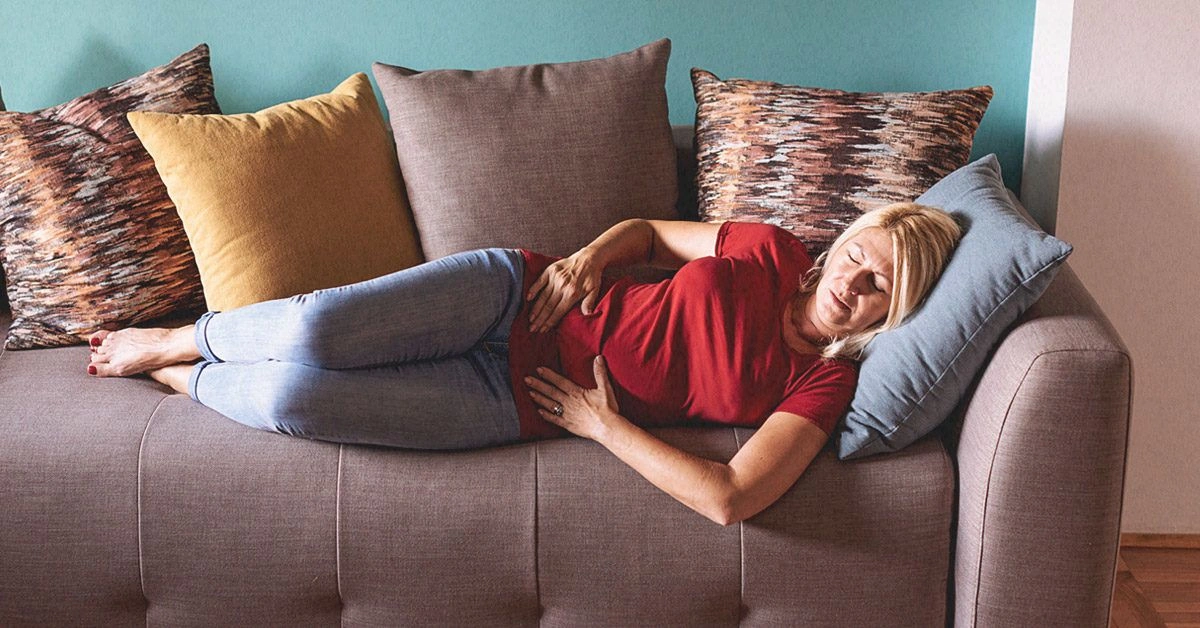
If you find that your bowel movements are hard to pass or occur fewer than three times per week, you may be dealing with constipation. Many mild cases can be managed with simple lifestyle adjustments, natural remedies, and specific massage techniques designed to stimulate digestion.
When bowel movements become infrequent — less than three times weekly — or require straining, this often signals constipation. This change can persist for several weeks or even longer. In many cases, stools may become dry, firm, and difficult to eliminate, contributing to abdominal discomfort and bloating.
Constipation remains one of the most widespread digestive concerns in the United States. According to the National Institute of Diabetes and Digestive and Kidney Diseases, approximately 16 out of every 100 American adults report symptoms associated with constipation.
In addition to dietary fiber, hydration, and physical activity, some individuals explore topical remedies and massage approaches. One commonly discussed home remedy is Applying castor oil in anus for constipation, which is believed to lubricate the rectal area and support easier stool passage. While castor oil is traditionally used as an oral stimulant laxative, topical use is considered by some as a gentler complementary approach. Before attempting any new remedy, including Applying castor oil in anus for constipation, it is important to understand proper technique and safety considerations.

Can massages provide relief?
Routine massage therapy may ease constipation by encouraging the release of trapped gas and accumulated waste. It can also address contributing factors such as tension and stress. For instance, consistent massage has been shown to reduce stress, which may help decrease discomfort linked to irritable bowel syndrome.
Abdominal massage is often considered particularly helpful for stimulating bowel motility, though other massage modalities may also offer digestive support.
For added glide during massage, you may use castor, argan, or coconut oil. Some people also incorporate essential oils for additional soothing effects. If you are comparing different oil-based approaches, you may find it useful to read about Castor oil or cod liver oil for constipation to better understand their differences and digestive benefits.
Abdominal massage for constipation relief
Research suggests that abdominal massage can be beneficial for individuals experiencing chronic constipation. Studies indicate it may:
- increase the frequency of bowel movements
- decrease colonic transit time
- reduce pain and discomfort
Abdominal massage has also been shown to activate the muscle contractions that facilitate bowel movements in people with postsurgical ileus, a temporary slowdown of intestinal movement that can result in obstruction.
Follow these steps to massage your abdomen effectively:
- Lie flat on your back and gently press both hands onto your abdomen.
- Begin on the lower right side of your abdomen. Using light pressure, create small clockwise circles.
- With the palm of your right hand, apply mild pressure to the inside of your hip bone.
- Release, then press on the right side beneath the ribs, across to the left side.
- Switch to your left hand and press on the inside of your left hip bone.
- Using your fingertips, press inward and slightly lift upward.
- Once again, start from the lower right side and move clockwise.
You may repeat these motions several times, but avoid applying excessive force. Gentle, consistent pressure is more effective than aggressive manipulation.
Colon massage for constipation relief
Colon massage, sometimes called deep abdominal massage or internal organ massage, is believed by some massage practitioners to:
- eliminate gas, blockages, and waste
- reduce abdominal fluid retention
- enhance overall digestive function
At present, there is limited scientific evidence confirming these claims. However, if you wish to try colon massage as a complementary approach, you can follow these steps:
- Sit or lie down with knees bent to relax your abdominal muscles.
- Using your fingertips, knuckles, or the heel of your hand, gently stroke or press into your abdomen.
- Follow the horseshoe pattern of your colon.
- Start at the lower right side of your abdomen and move upward.
- Massage beneath the ribs toward the left, then down the left side and into the center.
- Pause on any area that feels tense or requires additional attention.
Other types of massage for constipation relief
Several additional massage techniques may help relieve constipation. These approaches can be used independently or combined, allowing flexibility in your digestive care routine.
Foot massages (reflexology)
Foot massage, or reflexology, is sometimes used to support digestive health and relieve constipation.
A 2003 study found that children with constipation experienced symptom improvement after six 30-minute reflexology sessions over six weeks. Participants also showed progress with encopresis, also known as fecal soiling.
To perform reflexology:
- Massage the center of your right heel with your thumb, moving toward the outer edge.
- Progress upward to the middle of your foot.
- Massage across the middle of the right foot, then switch to the left foot and continue toward its outer edge.
- Move downward along the outer edge and then inward to the center of the left heel.
- Finish by massaging toward the inside of the left foot.
Back massage
A back or full-body massage can help relax muscles throughout the body. Since stress and muscular tension can interfere with digestion, relaxation may indirectly support bowel regularity.
A trained massage therapist or a partner can perform a back massage for optimal results.
Perineal massage
A 2015 study demonstrated that perineal self-acupressure combined with standard care was more effective than standard care alone in managing constipation. After four weeks, participants noted improvements in:
- bowel function and health
- overall well-being
- constipation-related quality of life
To try this method:
- Use your first two fingers to press the perineal skin — the area between the anus and either the vagina or scrotum.
- Apply pressure toward the anus.
- Continue in gentle pulses lasting 3 to 5 seconds.
- You may perform this massage when you feel the urge to have a bowel movement.
In babies
For infants, gentle abdominal massage may help:
- relieve constipation
- encourage relaxation
- decrease stress
Massage can also strengthen the emotional connection between caregiver and baby.

To perform, gently rub your baby’s stomach and lower abdomen in clockwise circles several times per day.
Wait at least 45 minutes after feeding before massaging. If your baby has underlying medical conditions, consult a doctor prior to beginning infant massage.
Seek medical attention if your child:
- experiences stomach or rectal pain lasting longer than one hour
- has bleeding from the anus
- has constipation persisting more than one week
- shows signs of illness such as vomiting or weakness
In pregnancy
During the second and third trimesters, gentle abdominal massage may help ease constipation in pregnancy. Use soft, light movements. A partner, trained professional, or you yourself may perform the massage.
Avoid abdominal massage during the first trimester.
Additional tips for relieving constipation
Adopting preventive lifestyle habits can significantly reduce the likelihood of recurring constipation:
- Drink adequate water and non-caffeinated fluids daily to maintain stool softness.
- Start your morning with a glass of water to stimulate bowel activity.
- Consume fiber-rich foods such as fresh fruits, vegetables, whole grains, and legumes.
- Engage in regular physical activity like walking, cycling, or swimming several times weekly.
- Practice stress-management techniques including meditation, yoga, or deep breathing exercises.
Some individuals also explore natural oils and topical applications, including Applying castor oil in anus for constipation, as part of a broader bowel support strategy. Combining hydration, fiber intake, physical activity, and gentle massage techniques often provides the most sustainable improvement.
When to see a doctor
Going longer than three days without a bowel movement is generally not ideal. Occasional episodes may not be concerning, but persistent symptoms warrant evaluation.
Consult a doctor if you experience:
- severe abdominal pain
- frequent constipation
- constipation lasting more than two weeks
You should also seek medical advice if you:
- alternate between diarrhea and constipation
- experience unexplained weight loss
- observe blood in your stools
Your healthcare provider may recommend medications or suggest discontinuing medications that may contribute to constipation.
In more serious cases, medical procedures to clear the colon, muscle retraining therapy, or surgery may be necessary.
The outlook
Most mild constipation cases can be effectively managed through dietary improvements, hydration, regular exercise, and supportive massage techniques. Monitoring your bowel habits can help you address symptoms early before they worsen.
Keeping a food and symptom journal may also reveal patterns between dietary choices and bowel function, helping you make targeted adjustments for long-term digestive health.















Leave a Reply
You must be logged in to post a comment.