
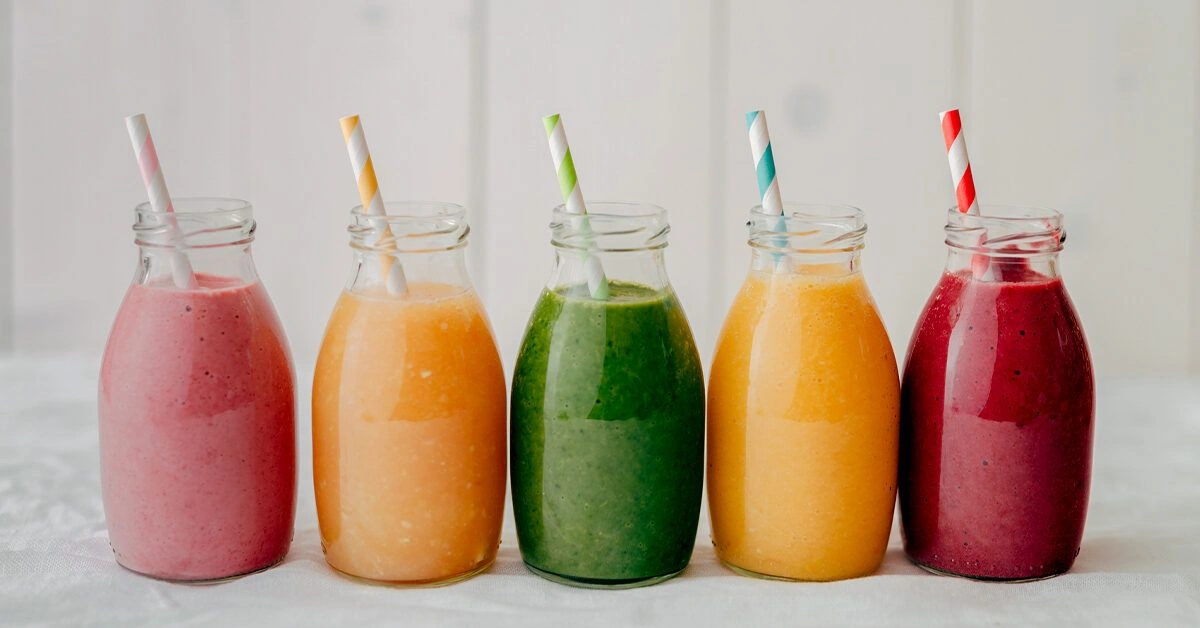
Sipping juices or blended smoothies is an excellent method to enhance your wellbeing. Combining various fruits and vegetables can help fortify your immune defenses whether you’re well or under the weather.
Your immune system is always on duty, distinguishing between the body’s own cells and foreign invaders. That continuous activity means it requires a steady supply of vitamins and minerals to function optimally.
The recipes below are loaded with nutrients essential for everyday wellness and for aiding recovery from common viral illnesses like colds or the flu.
Discover which immunity-supporting vitamins and minerals each juice, smoothie, or seed milk provides so you can begin your mornings with a revitalizing lift to your body’s natural protections.
Orange, grapefruit, and other citrus
This citrus blast from Happy Foods Tube supplies about 60% of the daily recommended vitamin C per cup.
Vitamin C acts as an antioxidant, shielding cells from damaging agents.
A lack of vitamin C can cause slower wound healing, weakened immune responses, and difficulty fighting infections effectively.
At present there is no proof that taking vitamin C by mouth prevents coronavirus transmission or treats COVID-19. Neither oral nor IV vitamin C is advised for COVID-19 therapy at this time.
That said, if you catch a cold, large doses of vitamin C may shorten the duration and lessen the severity of symptoms. For adults, the upper tolerable intake level is 2,000 milligrams (mg) per day.
Notable nutrients (in 1 serving)
- potassium from the oranges
- vitamin A from the oranges and grapefruit
- vitamin B6 from the oranges
- vitamin B9 (folate) from the oranges
- vitamin C from all the citrus fruits
Green apple, carrot, and orange

Carrots, apples, and oranges make a powerful trio that supports your body’s defenses and helps combat infections.
The apples and oranges are good sources of vitamin C.
Vitamin A — important for a robust immune system — is present in carrots as the antioxidant beta carotene, and carrots also deliver vitamin B6, which aids immune cell growth and antibody production.
This recipe from The Urban Umbrella is a bright way to start your day; the tang of green apples balances the sweetness of carrots and oranges.
Notable nutrients (in 1 serving)
- potassium from the carrots
- vitamin A from the carrots
- vitamin B6 from the carrots
- vitamin B9 (folate) from the oranges
- vitamin C from the oranges and apple
Beet, carrot, ginger, and apple
This strengthening juice by Minimalist Baker combines three root vegetables that help the immune system and supply compounds that fight inflammation.
Inflammation is commonly part of the immune reaction to viral or bacterial infections, and it can produce symptoms such as runny nose, coughing, and body aches.
Individuals with rheumatoid arthritis might especially appreciate this drink, since ginger offers anti-inflammatory benefits.
Notable nutrients (in 1 serving)
- potassium from the carrots, beets, and apple
- vitamin A from the carrots and beets
- vitamin B6 from the carrots
- vitamin B9 (folate) from the beets
- vitamin C from the apple
Tomato
To ensure your tomato juice is fresh and free of unnecessary additives, make it at home. Simply Recipes offers a simple how-to using just a few ingredients.
The best part is you don’t need a juicer or blender, although straining through a sieve to remove solids is recommended.
Tomatoes are a good source of vitamin B9 (folate), which supports immune function, and they provide modest amounts of magnesium, an anti-inflammatory mineral.
Notable nutrients (in 1 serving)
- magnesium from the tomatoes
- potassium from the tomatoes
- vitamin A from the tomatoes
- vitamin B6 from the tomatoes
- vitamin B9 (folate) from the tomatoes
- vitamin C from the tomatoes
- vitamin K from the tomatoes and celery
Kale, tomato, and celery
Kale often features in green juices, and Tesco’s Kale Mary — a vegetable twist on a bloody Mary — stands out as unique.
Rather than sweet fruits to mask kale’s flavor, this recipe uses tomato juice, boosting vitamin A content substantially.
Research from 2021 suggests that adding a bit of spicy horseradish could add anti-inflammatory advantages. Blend everything together for a bold, awakening beverage.
Notable nutrients (in 1 serving)
- magnesium from the tomato juice
- manganese from the kale
- potassium from the tomato juice
- vitamin A from the kale and tomato juice
- vitamin B6 from the tomato juice
- vitamin B9 (folate) from the tomato juice
- vitamin C from the kale and tomato juice
- vitamin K from the tomato juice
Strawberry and kiwi
Strawberries and kiwis are excellent choices for a vitamin C-rich drink. Because it takes roughly 4 cups of strawberries to yield 1 cup of juice, you may prefer blending these fruits into a smoothie instead of juicing them.
We like this recipe from Well Plated, which uses skim milk. Milk contributes protein and vitamin D, nutrients that are often missing from pure fruit or vegetable juices.
A lot of people are low in vitamin D, a nutrient made in skin exposed to sunlight and found in small amounts in some animal foods. Adequate vitamin D from sun exposure, diet, or supplements lowers the risk of respiratory infections like the flu or pneumonia.
For extra benefits, swap milk for a few ounces of probiotic Greek yogurt. Probiotics boost beneficial gut bacteria, which can help protect against pathogenic microbes.
Notable nutrients (in 1 serving)
- calcium from the skim milk
- manganese from the strawberries and oats
- phosphorus from the oats
- potassium from the strawberries, banana, and orange
- vitamin B1 (thiamine) from the oats
- vitamin B6 from the banana
- vitamin B9 (folate) from the strawberries and orange
- vitamin B12 from the skim milk
- vitamin C from the strawberries, kiwi, and orange
- vitamin D from the skim milk
- vitamin K from the kiwi
- zinc from the skim milk
Strawberry and mango
Feel Good Foodie’s strawberry mango smoothie is a nutritious way to enjoy a leisurely brunch. The recipe uses some frozen fruit, which retains similar nutrients to fresh produce.
You can of course substitute all fresh fruit when available.
Vitamin E from the mango and almond milk offers extra antioxidant support for immune health.
Notable nutrients (in 1 serving)
- calcium from the almond milk
- manganese from the strawberries
- potassium from the strawberries
- vitamin A from the mango and carrot
- vitamin B6 from the mango
- vitamin B9 (folate) from the strawberries and mango
- vitamin C from the strawberries, mango, and orange
- vitamin D from the almond milk
- vitamin E from the mango and almond milk
Watermelon mint

Watermelon provides vitamin C and arginine, an amino acid that can support immune function.
Because watermelon is high in water content, it’s relatively efficient to juice (and feels less wasteful).
Check out this recipe on Dassana’s Veg Recipes. You can also blend watermelon juice with milder fruit juices, like apple or orange, to increase vitamin A content in the mix.
Notable nutrients (in 1 serving)
- arginine from the watermelon
- citrulline from the watermelon
- magnesium from the watermelon
- vitamin A from the watermelon
- vitamin C from the watermelon
Pumpkin seed
Many pumpkin-based drinks available online contain added sugars or rely on store-bought apple juice.
For a cleaner option, try this pumpkin seed milk recipe from The Blender Girl. It’s one of the purest homemade versions and makes a versatile base for smoothies.
Pumpkin seeds are rich in zinc, a mineral often included in cold remedies because of its beneficial effects on inflammation and immune function.
Current guidance does not endorse zinc supplementation beyond recommended dietary amounts for COVID-19 prevention, except within clinical trials.
Notable nutrients (in 1 serving)
- magnesium from the pumpkin seeds
- manganese from the pumpkin seeds
- potassium from the dates
- zinc from the pumpkin seeds
Green apple, lettuce, and kale
A vegetable-forward green juice provides a concentrated source of nutrients that support immune resilience.
Show Me the Yummy offers a delightful recipe to help you embrace your greens happily.
Add a sprig of parsley or a handful of spinach for an extra dose of vitamins A, C, and K.
Notable nutrients (in 1 serving)
- iron from the kale
- manganese from the kale
- potassium from the kale
- vitamin A from the kale and celery
- vitamin B9 (folate) from the celery
- vitamin C from the kale and lemon
- vitamin K from the cucumber and celery
Should you drink store-bought juices?
If time is tight, choose bottled juices without added sugars or sweeteners like high fructose corn syrup. Avoid juice from concentrate unless the label states 100% fruit juice, to ensure you’re getting only pure fruit juice in the bottle.
Among common purchases such as apple, orange, and cranberry juices, 100% orange juice is often the preferred choice due to its higher vitamin C content relative to apple or cranberry juice. Just verify it’s truly 100% orange juice.
Keep your immune system strong
Preparing juices, smoothies, and nutrient-rich drinks is a tasty approach to support health. You can also mix in other superfoods like chia seeds and wheat germ for further benefits — or add a splash of apple cider vinegar if it suits your palate and routine.
Other key strategies to maintain a resilient immune system include proper hygiene, staying well hydrated, getting enough sleep, managing stress, and regular physical activity.
Use a blenderIf you don’t own a juicer, use a blender. Add 1 cup of coconut water or nut milk to get things moving. Blending also preserves fiber content, which is beneficial.





















Leave a Reply
You must be logged in to post a comment.