

- Sun exposure can enhance mental wellness by raising serotonin production in the brain. This may ease symptoms of depression, premenstrual dysphoric disorder, and anxiety-related conditions.
- Reasonable sun exposure helps your body synthesize vitamin D. Vitamin D is vital for preserving strong, healthy bones and preventing disorders such as rickets, osteoporosis, and osteomalacia.
- Limited sunlight may offer protective effects against some cancers, though excessive sun increases skin cancer risk. Practice sun safety by keeping exposure to about 5 to 15 minutes several times weekly and using sunscreen to block harmful UV rays.
Light and darkness prompt the brain to release different hormones. Sunlight is believed to boost the brain’s output of serotonin.

Serotonin is linked with improved mood and a sense of calm and focus. In contrast, dimmer lighting at night signals the brain to produce melatonin, the hormone that helps induce sleep.
Insufficient sunlight can lower serotonin levels. Reduced serotonin is associated with a greater likelihood of major depression with a seasonal pattern (previously called seasonal affective disorder or SAD), a depressive condition triggered by seasonal changes.
Sunlight may improve certain mental health conditions
Lower sun exposure has been tied to decreases in serotonin, which can lead to major depression with a seasonal pattern.
The serotonin response to light is initiated when sunlight enters the eye. Light stimulates specialized regions in the retina that prompt serotonin release. That’s why this kind of depression often appears in winter, when daylight hours are shorter.
One primary treatment for seasonal-pattern depression is light therapy, or phototherapy. You can use a light therapy box at home. The light produced by these devices simulates natural sunlight, encouraging the brain to make serotonin and diminishing excess melatonin.
Sun exposure can also aid people with other types of major depression and premenstrual dysphoric disorder (PMDD).
Anxiety-related conditions and panic attacks have also been associated with seasonal shifts and reduced sunlight.
Sun exposure can help build strong bones
Ultraviolet-B (UVB) radiation in sunlight prompts the skin to synthesize vitamin D.

According to one 2008 study, people can generate the following amounts of vitamin D in a 30-minute period while wearing a swimsuit:
- 50,000 international units (IUs) in people with white skin
- 20,000 to 30,000 IUs in people with tanned skin
- 8,000 to 10,000 IUs in people with dark skin
The vitamin D produced from sun exposure plays a crucial role in bone health. Low vitamin D is linked to rickets in children and bone-degenerating conditions such as osteoporosis and osteomalacia.
Sunlight may help treat certain skin conditions
Healthcare providers have recommended controlled ultraviolet (UV) exposure for conditions like:
- psoriasis
- eczema
- jaundice
- acne
Light therapy isn’t suitable for everyone; a dermatologist can advise whether light-based treatments are appropriate for your specific skin issue.
Moderate exposure may have a preventive effect on certain cancers
Although too much sun can raise the risk of skin cancers, moderate sunlight might provide protective benefits.
A separate 2008 study found that people living in regions with fewer daylight hours are more likely to develop certain cancers than those in sunnier areas. These include:
- colon cancer
- Hodgkin’s lymphoma
- ovarian cancer
- pancreatic cancer
- prostate cancer
Sunlight may also benefit other health conditions
While more research is needed, early findings suggest that sunlight might help people with conditions such as:
- rheumatoid arthritis (RA)
- systemic lupus erythematosus
- inflammatory bowel disease
- thyroiditis
Exercise moderation and other tips for sun safety
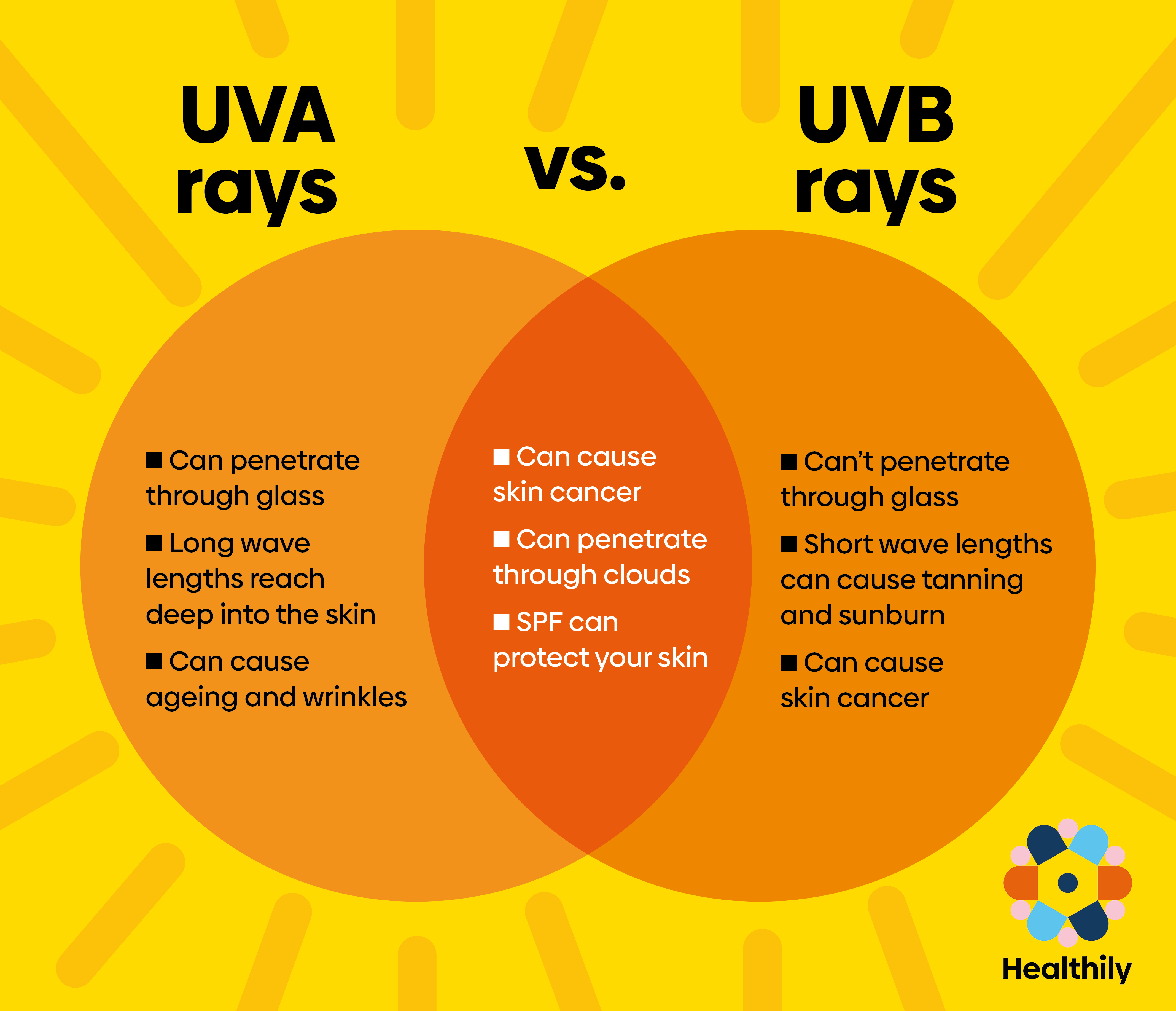
There are many reasons to get some sun, but it’s important to remember that sunlight emits UV radiation. This radiation can reach the skin and damage DNA in cells, increasing the risk of skin cancer.
Researchers haven’t pinpointed an exact duration for how long to stay outdoors to gain sun benefits. Generally, about 5 to 15 minutes of sunlight on your face, hands, and arms two to three times per week is sufficient to enjoy vitamin D–boosting effects.
Keep in mind that the sun must reach bare skin. Wearing sunscreen or multiple clothing layers prevents skin from producing vitamin D.
If you plan to be outdoors for more than 15 minutes, protect your skin by using sunscreen with a sun protection factor (SPF) of at least 15. Wearing a broad-brimmed hat and protective clothing can also help.
People with lighter skin tend to burn faster than those with darker skin. You’re also more susceptible to sunburn when the sun’s rays are strongest, typically between 10 a.m. and 4 p.m.
The bottom line
Sunlight provides numerous benefits, from easing symptoms of certain skin disorders to lifting mood. If you live at higher latitudes with limited sun, a light box may offer some of those mood-enhancing effects. For additional topical care options, consider reading about essential oils for sunburn.
However, too much sun exposure is linked to greater skin cancer risk, so using protection is important. If you’ll be outside longer than 15 minutes, use sunscreen with an SPF of at least 30.




















Leave a Reply
You must be logged in to post a comment.