
Neovascular glaucoma is a serious, vision-threatening eye disorder marked by the growth of new blood vessels over your iris and the region where fluid normally drains from your eye. These abnormal vessels can interfere with proper fluid outflow, leading to dangerous increases in eye pressure.
Glaucoma refers to a group of conditions that damage your optic nerve, the structure responsible for transmitting visual information from your eye to your brain. This damage is most often linked to elevated pressure inside the front part of the eye, which places stress on the optic nerve fibers.
Primary glaucoma develops without an identifiable underlying medical problem, while secondary glaucoma occurs as a result of another health condition. Neovascular glaucoma is a form of secondary glaucoma that arises when the eye produces extra blood vessels that block the natural drainage pathway. Because it can progress rapidly and threaten eyesight, prompt medical care is essential.
Some people experiencing vision disturbances may search for issues such as Heated eye mask blurry vision, especially if symptoms appear after using warm compresses or sleep masks. While temporary blurred vision from a heated eye mask is usually harmless and short-lived, persistent or painful vision changes require immediate evaluation to rule out serious causes like neovascular glaucoma.

Neovascular glaucoma causes and risk factors
Neovascular glaucoma develops when abnormal new blood vessels grow across your iris and the drainage angle of your eye. This process is typically triggered by reduced blood flow (ischemia) to the retina, which stimulates the release of growth factors that promote new vessel formation.
The most frequent conditions associated with neovascular glaucoma include:
- diabetic retinopathy (in about 33% of cases)
- ischemic central retinal vein occlusion (in about 33% of cases)
- ocular ischemic syndrome (in about 13% of cases)
These disorders compromise retinal circulation, leading to oxygen deprivation and the release of vascular endothelial growth factor (VEGF). VEGF stimulates the formation of fragile, abnormal blood vessels that can obstruct fluid drainage and sharply elevate intraocular pressure.
If you already have diabetes or vascular disease, routine eye examinations are critical. Early detection of retinal problems can reduce the likelihood of developing secondary complications such as neovascular glaucoma.
Neovascular glaucoma symptoms
In its earliest stages, neovascular glaucoma may not cause noticeable symptoms. As the disease progresses, however, it typically presents with:
- eye redness
- eye pain
- significant vision loss
Additional signs and symptoms may include:
- light sensitivity
- high eye pressure
- corneal swelling
Some individuals initially attribute blurred sight to minor issues such as dry eyes, fatigue, or even Heated eye mask blurry vision after using a warm compress. Temporary blur related to heat exposure usually resolves quickly. If blurriness persists, worsens, or is accompanied by pain or redness, it’s important to seek urgent evaluation. For mild, short-term blurriness after wearing a sleep mask, you can review guidance in How to fix blurry vision after sleep mask or How to fix blurry vision after waking up. However, these resources do not replace professional care when serious symptoms are present.

Potential complications of neovascular glaucoma
Neovascular glaucoma is considered an aggressive form of glaucoma and carries a serious risk of permanent vision loss. Without timely intervention, sustained high intraocular pressure can irreversibly damage the optic nerve.
Complications related to neovascular glaucoma and its surgical management may include:
- vision loss
- pain
- corneal decompensation, where the cornea becomes swollen
- hyphema, where blood pools in the anterior chamber of your eye
Advanced cases can significantly affect daily activities such as reading, driving, and recognizing faces. Because optic nerve damage cannot be reversed, early detection remains the best strategy for preserving visual function.
When to get medical help
Seek medical attention if you notice any change in your vision, including blurry vision with or without discomfort. While some causes of blurriness are minor and temporary, others—such as neovascular glaucoma—require urgent treatment.
An eye doctor can perform a comprehensive examination to identify the underlying cause and rule out potentially sight-threatening conditions.
Medical emergency
Go to the nearest emergency room if you experience:
severe eye pain
eye pain after trauma
sudden blurry vision
severe headache with vision changes
Diagnosing neovascular glaucoma
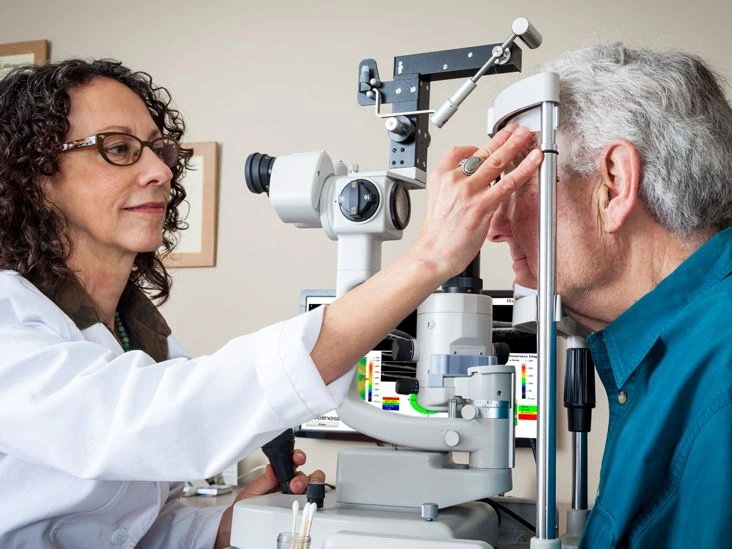
To diagnose neovascular glaucoma, your eye doctor will review your symptoms and perform a detailed examination of both eyes. If you have diabetes or other vascular risk factors, your doctor may have a higher suspicion for this condition.
During the exam, your eye doctor will assess for hallmark findings such as:
- abnormal blood vessels
- swelling in your cornea
- blood in the anterior chamber of your eye
Additional testing may include measuring intraocular pressure, examining the drainage angle (gonioscopy), and evaluating the retina to determine the underlying cause of abnormal vessel growth.
What is the best treatment for neovascular glaucoma?
Managing neovascular glaucoma often requires a combination of therapies aimed at lowering eye pressure, controlling inflammation, and addressing abnormal blood vessel growth. Treatment options may include:
- medications to reduce inflammation, eye pressure, and control pain
- fluid drainage procedures
- eye injections to stop the formation of new blood vessels
- trabeculectomy, a surgery that reduces eye pressure
- cyclodestruction, the destruction of the part of your eye that produces fluids
- panretinal photocoagulation, a type of laser treatment
- alcohol injection or enucleation or removal of the eye for chronic pain
The choice of therapy depends on disease severity, the underlying cause, and how well your eye responds to initial treatment. In many cases, early and aggressive management improves the likelihood of stabilizing vision.
Neovascular glaucoma medications
You may receive anti-VEGF injections to help prevent the development of abnormal blood vessels. These might consist of the medications:
- bevacizumab (Avastin, Alymsys, Mvasi, Zirabev)
- ranibizumab (Lucentis, Susvimo, Byooviz, Cimerli, Raivisio, Ranopto)
- aflibercept (Eylea, Zaltrap, others)
Various topical medications may also be prescribed to lower intraocular pressure, such as:
- beta-blockers
- carbonic anhydrase inhibitors
- alpha-agonists
- prostaglandin analogs
- topical atropine
- topical corticosteroids
Careful monitoring is essential, as treatment plans often need adjustment over time to maintain pressure control and reduce the risk of optic nerve damage.
Neovascular glaucoma prognosis
Many individuals who develop neovascular glaucoma develop significant vision loss and face a challenging prognosis. Outcomes tend to be more favorable when the condition is identified and treated in its earliest stages.
Consistent follow-up with an eye specialist, adherence to prescribed therapies, and management of underlying diseases such as diabetic retinopathy are key factors that influence long-term visual outcomes.
Can you prevent neovascular glaucoma?
The leading cause of neovascular glaucoma is diabetes. You may reduce your risk of diabetes by:
- eating a balanced diet low in processed sugar
- exercising regularly
- maintaining a moderate weight
- improving sleep quality
Maintaining good blood sugar control, attending routine eye exams, and promptly addressing retinal problems can significantly lower the risk of secondary complications such as neovascular glaucoma. Learn more about preventing diabetes and protecting your long-term eye health.
Frequently asked questions about neovascular glaucoma
What is the difference between glaucoma and neovascular glaucoma?
Glaucoma describes a group of conditions that damage the optic nerve. Neovascular glaucoma is a specific subtype in which new blood vessels obstruct the eye’s drainage system, leading to elevated pressure.
What is the main cause of neovascular glaucoma?
Neovascular glaucoma frequently develops as a complication of disorders such as diabetic retinopathy or ischemic central retinal vein occlusion.
Can neovascular glaucoma be cured?
Neovascular glaucoma has the most favorable outlook when treated early and aggressively. The sooner therapy begins, the greater the chance of preserving remaining vision.
Takeaway
Neovascular glaucoma is a severe eye condition characterized by abnormal new blood vessel growth that can dramatically impair vision. Compared with other forms of glaucoma, it often carries a poorer prognosis, and many affected individuals experience substantial vision loss.
If you notice changes in your eyesight—including symptoms that might initially seem minor, such as blurred vision—schedule an evaluation with an eye doctor. Although temporary issues like Heated eye mask blurry vision can occur, persistent or painful symptoms should never be ignored. Early diagnosis and treatment offer the best opportunity to protect your vision.





















Leave a Reply
You must be logged in to post a comment.