

If you’ve glanced at the ingredient panel of a protein snack like a protein bar, you’ve probably noticed “milk protein isolate.”
Milk protein isolate is a protein ingredient produced from skim milk. Makers frequently include it in high-protein foods and supplements as an economical way to raise protein levels without noticeably changing the taste.
Milk protein isolate provides a mix of casein and whey proteins in proportions similar to those naturally present in cow’s milk.
This article outlines what milk protein isolate is, covers its nutritional profile and potential benefits, and explains how it differs from other protein supplements.
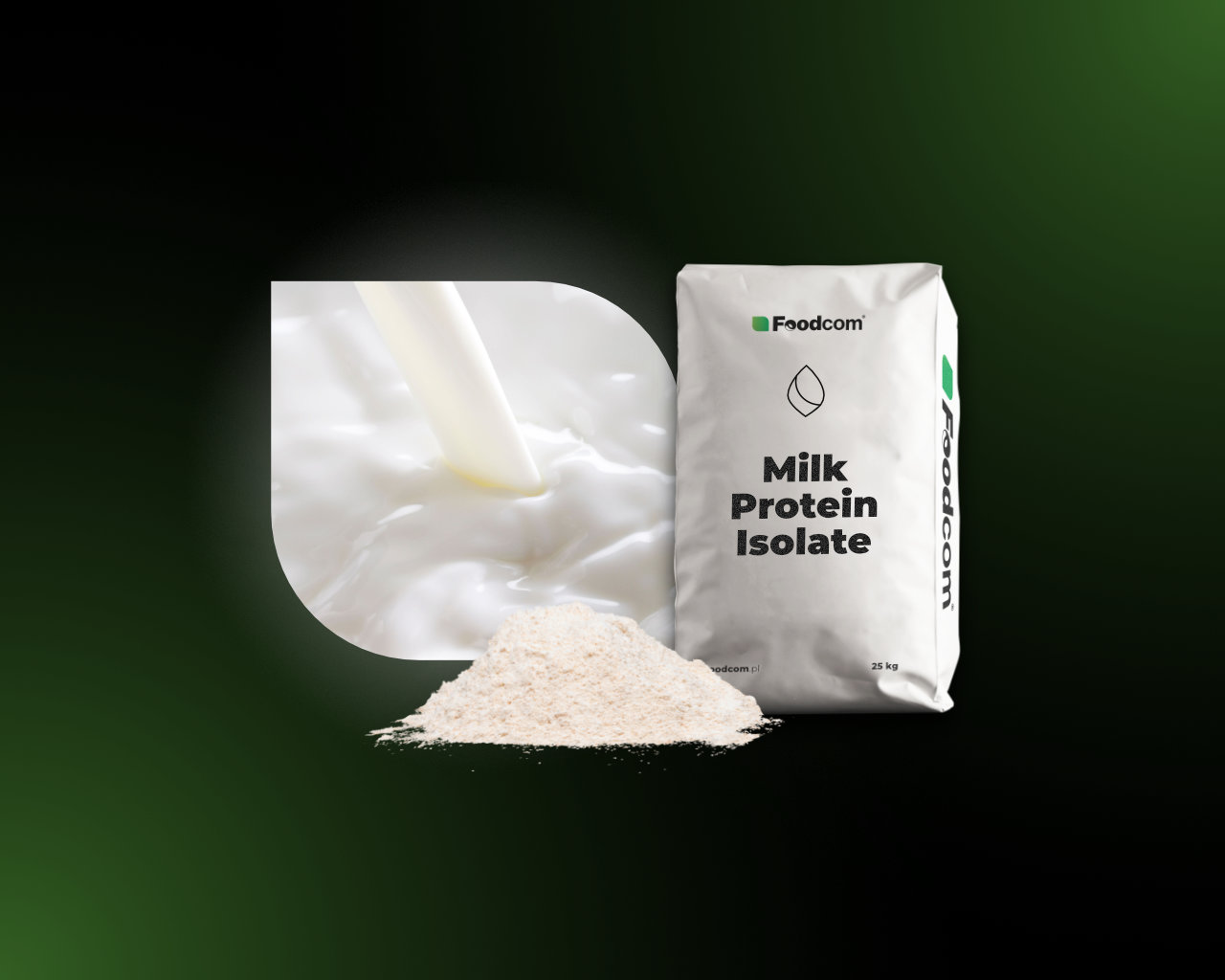
What is milk protein isolate?
Milk protein isolate is a concentrated protein product obtained from skim milk powder.
Producers obtain it through filtration techniques such as microfiltration, ultrafiltration, and diafiltration. These methods remove most or all minerals and lactose — the sugar naturally present in milk-based items (1).
The finished powder typically contains at least 90% protein. Milk naturally contains two primary proteins — casein and whey — and milk protein isolate retains both.
You may know whey protein powder and casein protein powder; unlike milk protein isolate, those supplements contain only one of the two protein types.
Milk protein isolate mirrors the casein-to-whey ratio found in milk — roughly 80% casein and 20% whey (2, 3).
Because it is dominated by casein, milk protein isolate digests slowly, similar to casein supplements. Pure whey, by contrast, is absorbed quickly and causes a rapid rise in blood amino acid levels (4).
Milk protein isolate is manufactured differently from isolated milk-derived powders like whey or casein. It’s produced from skim milk, while whey and casein powders come specifically from the whey or casein fractions of milk.
Summary: Milk protein isolate is produced from skim milk powder using filtration. Its protein makeup resembles milk’s, with about 80% casein and 20% whey.
Nutrition
Milk protein isolate offers a solid nutrient profile, making it a useful addition to many diets.
Below is the nutritional content of milk protein isolate per a typical 1-ounce (30-gram) serving (5):
- Calories: 110
- Protein: 25 grams
- Fat: 1 gram
- Carbohydrates: less than 1 gram
Milk protein isolate has an amino acid composition similar to whole milk. It supplies all nine essential amino acids — those your body cannot synthesize (6).
This makes milk protein isolate a good ingredient for protein bars, meal replacement powders, and protein-fortified items like high-protein yogurts.
Milk and milk protein isolate are rich in branched-chain amino acids (BCAAs), which may support muscle growth and performance. In particular, leucine — a key BCAA — appears especially important for stimulating muscle growth (7, 8).
Summary: Milk protein isolate is an excellent protein source containing all essential amino acids and a notable amount of BCAAs like leucine, which are valuable for muscle repair and growth.
Benefits
Milk protein isolate delivers abundant protein and several attributes associated with health advantages.
Slows digestion
Milk protein isolate consists largely of casein. Casein proteins tend to form a gel-like structure in the stomach, slowing their digestion and causing a gradual release of amino acids (4).
This prolonged, steady amino acid availability may help preserve muscle tissue, meaning milk protein isolate could reduce muscle protein breakdown.
For that reason, experts often recommend consuming casein-type proteins before sleep, providing a continuous supply of amino acids during fasting periods such as overnight. This may be particularly useful for muscle-building after resistance training earlier in the day (9).
Supports muscle growth
Milk protein isolate is rich in protein and amino acids, making it beneficial for increasing muscle mass.
It offers all nine essential amino acids and is a strong source of leucine, which initiates muscle protein synthesis (10).
If your goal is to gain muscle, milk protein isolate can be a useful choice.
For instance, a trial involving 16 healthy middle-aged men found milk protein had effects on muscle growth similar to those of whey (11).
Other research indicates milk protein might trigger muscle growth more quickly than casein and sustain that effect longer than whey (12).
Compared with plant proteins like soy, milk-derived proteins often appear more effective in promoting muscle gain (13, 14).
May aid weight loss
As a concentrated protein source, milk protein isolate can support fat loss efforts.
Studies indicate higher-protein diets can elevate hormones that reduce appetite, including peptide YY (PYY) and glucagon-like peptide-1 (GLP-1), while lowering hunger-promoting hormones like ghrelin (15, 16, 17).
Higher protein intake can also increase energy expenditure, helping you burn more calories.
This occurs because breaking down protein uses more energy than processing other macronutrients; protein metabolism activates pathways that consume additional calories, such as gluconeogenesis from protein (18, 19).
Moreover, milk protein isolate may produce a greater feeling of fullness than faster-digesting proteins like whey, thanks to its high casein content which prolongs digestion (20).
Other health effects
Beyond appetite control and body composition effects, milk protein isolate may provide additional benefits, such as:
- Enhanced bone health. Evidence suggests regular intake of milk-based proteins can promote bone formation and reduce bone breakdown, potentially improving bone density (21, 22).
- Immune-supportive effects. A review of 16 studies found that consuming dairy products regularly had notable anti-inflammatory effects in people with overweight/obesity and metabolic disorders, and also in individuals without these conditions (23).
Summary: Evidence indicates milk protein isolate may help build muscle, aid fat loss, support bone strength, and exert immune-related benefits.
Potential downsides
Despite its advantages, milk protein isolate may not be suitable for everyone.
First, it is not appropriate for individuals with an allergy to cow’s milk proteins (24).
Excessive consumption can lead to digestive complaints like bloating, gas, cramps, and nausea. However, most people tolerate moderate servings of 1–2 scoops at a time.
Although milk protein isolate is relatively low in lactose, those with lactose intolerance might still experience adverse symptoms.
Also, milk protein isolate is less commonly stocked than other protein supplements such as whey, casein, egg, pea, hemp, or brown rice protein, so it may sometimes be harder to find.
Summary: Milk protein isolate is generally safe for most people but is unsuitable for those with a cow’s milk allergy and can cause digestive issues if overconsumed.
Uses, dosage, and recommendations
Milk protein isolate is affordable, versatile, and simple to incorporate into meals.
Its neutral taste allows easy addition to foods to increase protein content, which is why many manufacturers include it in products like protein bars.
You can mix milk protein isolate into smoothies, soups, cereals, and casseroles.
Because it digests slowly, it’s often recommended before bedtime or before extended periods without food to maintain satiety. Your body will release its amino acids over a prolonged period, helping you stay full.
That said, it’s perfectly acceptable to use milk protein isolate at any time of day.
A common approach is to blend 1–2 scoops (about 25–50 grams) of milk protein isolate powder with water and consume it near bedtime.
Summary: Milk protein isolate is easy to use in various dishes due to its mild flavor. Its high casein proportion makes it a good bedtime protein, though it can be consumed any time.
The bottom line
Milk protein isolate is a concentrated protein derived from skim milk powder.
Producers add it to protein products to increase protein levels, likely because it tastes neutral and is relatively inexpensive.
With its high protein content, milk protein isolate may support muscle growth, assist with fat loss, and benefit bone health. Its substantial casein fraction can help reduce muscle breakdown, especially overnight.
Its mild flavor makes it easy to include in many recipes — from smoothies and soups to casseroles and cereals — to boost their protein content.























Leave a Reply
You must be logged in to post a comment.