

Extracts from citrus fruits are commonly found in skincare formulations because of their antioxidant properties. In general, antioxidants — like the vitamin C present in citrus — are believed to neutralize free radicals in the skin and may also support collagen production.

If you’re treating acne, you might be curious whether straight lemon juice could outperform an over-the-counter (OTC) combination product.
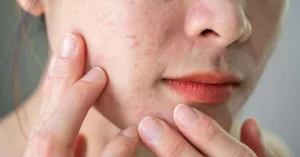
Acne is the most prevalent skin condition in the United States. Although it often appears during puberty, many people continue to experience acne well into adulthood.
Fresh lemon juice is one of the many home remedies promoted online. This popularity is driven by lemons’ antioxidant content and natural citric acid, a form of vitamin C.
That said, putting lemon or lemon juice on your face can cause side effects that further harm your skin. Consider other treatments mentioned in this article, such as aloe vera, rosehip oil, and zinc. Read on for more details.
Lemon juice for acne
When used for acne, lemon juice is claimed to provide:
- reduced oiliness (sebum) because of the drying action of citric acid
- antiseptic effects that might kill acne-causing bacteria like P. acnes
- less redness and inflammation, which could help with inflammatory acne and residual blemishes
These effects are linked to the antioxidant and antibacterial actions of topical vitamin C. However, vitamin C has not been researched for acne treatment as extensively as other nutrients, such as zinc and vitamin A (retinoids).
Most reports of lemon juice benefits for acne come from anecdotal posts in online forums and blogs.
Side effects of applying lemon to the skin
If you’ve bitten into a lemon, you know how intense its flavor can be. Its effects on skin can also be strong, producing possible side effects such as:
- dryness
- burning
- stinging
- itching
- redness
- disruption of beneficial skin bacteria
Your chance of experiencing these reactions may increase if you apply lemon juice to your skin daily.
This approach may also be less suitable for darker skin tones because citrus can cause hyperpigmentation. Lemon juice can furthermore elevate your risk of sunburn and sunspots, regardless of skin tone.
Lemon for acne scarring
Acne scars form from blemishes and can persist for months or even years without treatment.
Picking or popping pimples raises your likelihood of scarring. People with darker complexions are also more prone to hyperpigmentation from acne scars, according to a 2010 review in the Journal of Clinical and Aesthetic Dermatology.
There is limited evidence to support lemons as an effective treatment for acne scars. Much like the claims about acne treatment, most positive reports about lemon use for scars are anecdotal online.
Scientific proof that lemon juice improves acne scarring is lacking.
If you’re considering lemons to address acne scars at home, speak with your dermatologist first. They can advise you and discuss any personal risk factors, such as prior hyperpigmentation.
Your dermatologist might instead recommend in-office procedures like chemical peels or dermabrasion, which have more extensive study as scar treatments.
How to apply lemon juice
Lemon juice is most commonly used as an astringent or as a spot treatment.
To use it as an astringent, mix fresh lemon juice with equal parts water. Apply this solution two to three times daily before moisturizing. This approach can be tried for acne scars as well, although substantial improvement is unlikely.
If you use lemon juice as a spot treatment for breakouts, dab it carefully on pimples with a cotton swab. Leave it on for a few seconds, then rinse your face with lukewarm water. Repeat a few times a day for short-term use until blemishes subside.
Fresh-squeezed lemon juice is preferable to store-bought varieties that contain added sugars and preservatives. Squeeze several lemons into a glass container and keep it refrigerated for up to a few days.
Alternative treatments
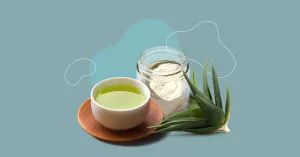
If you want other home remedies for acne or acne scars, talk to your dermatologist about the following options:
- aloe vera
- eucalyptus
- green tea
- lysine
- rosehip oil
- sulfur
- tea tree oil
- witch hazel
- zinc
Takeaway
Although lemon juice may possess anti-inflammatory and antibacterial traits that could combat acne, the possible risks to skin health are not well understood.
As with many home remedies for acne and scarring, there is not a substantial body of scientific evidence supporting lemons as a reliable treatment.
Nevertheless, lemon juice might offer some benefit for occasional breakouts. As always, consult your dermatologist for persistent acne and for professional options to treat acne scars.


















Leave a Reply
You must be logged in to post a comment.