
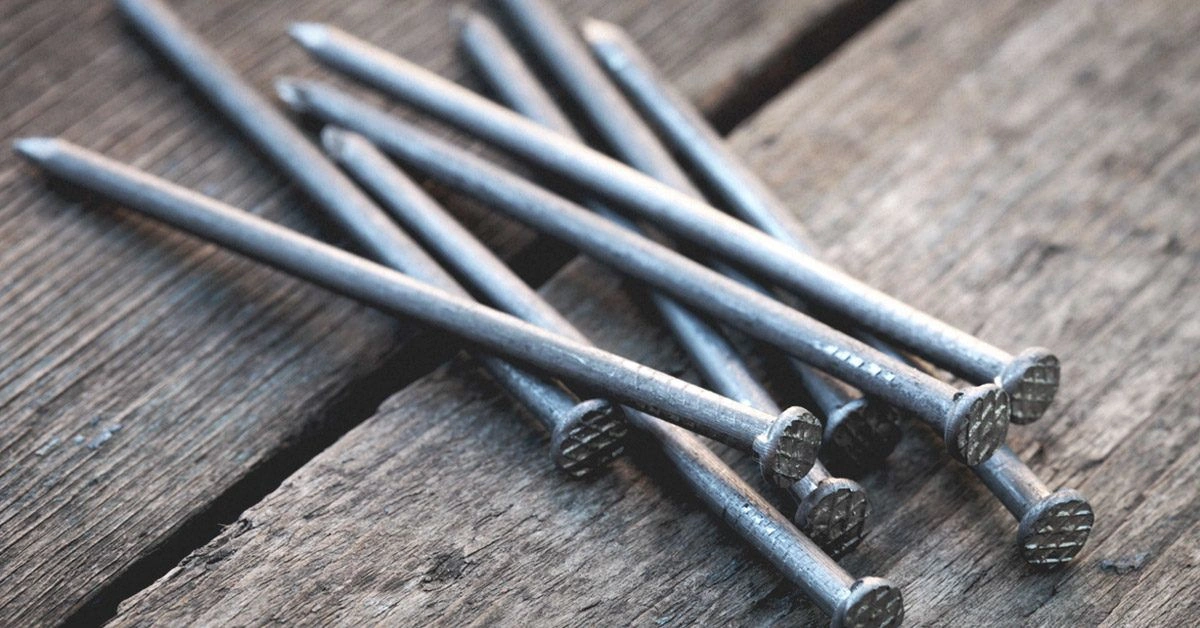
Depending on when you last received a tetanus vaccine, a clinician may advise getting a booster within 48 hours after a nail pierces your skin, particularly if the nail was dirty.
Stepping on a nail can be quite painful. Depending on how severe the injury is, the nail may create a deep hole in the sole of your foot. This can make standing or walking uncomfortable for several days.
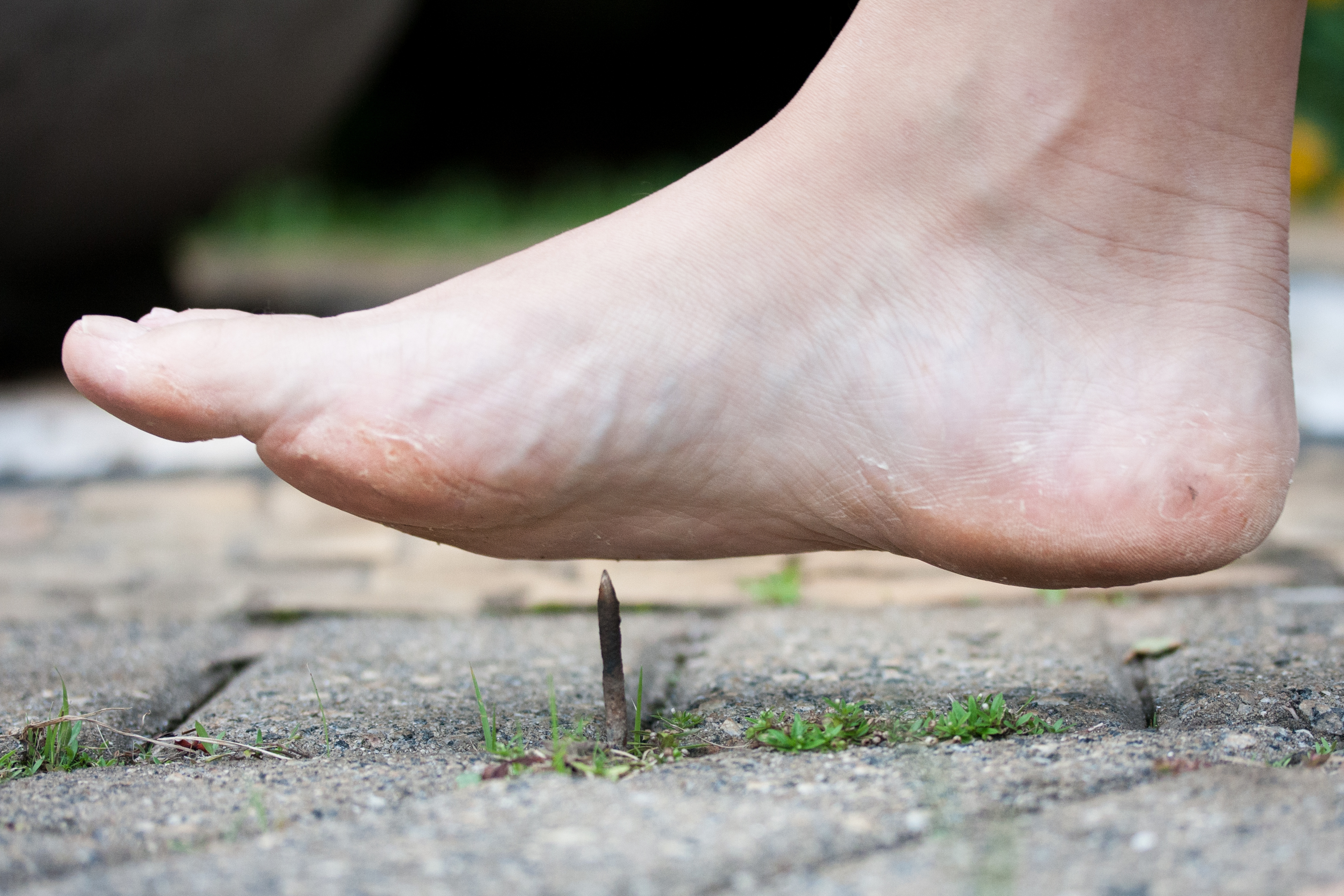
After the initial shock of the injury fades, it’s crucial to act promptly to care for the wound. Some puncture wounds can be managed at home, while others will need professional medical attention.
Below is guidance on caring for a nail puncture wound and what symptoms indicate you should consult a doctor.
Immediate steps after the injury
Quick care after a nail puncture helps speed recovery and reduces the chance of infection:
1. Wash your hands
Clean your hands before tending to any wound. Bacteria and other germs can enter your body through an open wound.
Wash with warm soapy water for at least 20 seconds — about the time it takes to sing “Happy Birthday” twice. Dry your hands with a clean towel.
2. Control bleeding
Some punctures bleed, while others do not. If the wound is bleeding, apply gentle pressure to help stop it and promote clotting. Be careful not to press too hard, which can increase pain or bleeding.
3. Clean the wound
A nail on the ground may harbor bacteria or other contaminants, especially if it is dirty or rusty. Cleaning the wound is one of the best ways to prevent complications such as tetanus, a serious bacterial illness. The tetanus bacterium can be found in soil, dust, or animal droppings.
To clean a puncture wound, rinse the area with clean water for about 5 to 10 minutes to remove dirt and loose material.
Debris might include soil or bits of fabric from your sock. If needed, use tweezers to extract foreign material. Disinfect the tweezers with rubbing alcohol before use.
Also, gently wash the skin around the wound with soap, water, and a washcloth.
4. Apply an antibiotic ointment
Cleaning is essential but not sufficient. Protect the puncture to reduce infection risk. After drying the wound, put on a thin layer of a topical antibiotic ointment like Neosporin.
5. Cover the wound
Healing can take several days. While it heals, cover the wound with a sterile bandage to keep it protected and clean. Replace dressings at least once daily, ideally after showering. Wait until any bleeding has stopped before bandaging.
When to seek medical attention
A minor nail puncture may not need a doctor’s visit. However, if the nail or wound was filthy or the puncture is deep, see your physician or go to urgent care. They will probably administer a tetanus booster if you haven’t had one in the past five years.
No matter the severity, if you can’t recall when you last had a tetanus booster or it’s been more than 10 years, consult a doctor about getting a booster. If needed, the shot should be given within 48 hours of the injury.
Don’t underestimate the importance of updating your tetanus vaccine after stepping on a nail, particularly if the incident occurred outdoors in soil or you suspect the nail was contaminated.
Tetanus affects the nervous system and can be life-threatening. Because there is no cure for tetanus, taking preventive measures is critical.
Symptoms of tetanus include:
- jaw muscle spasms and stiffness
- neck stiffness
- trouble swallowing
- tightness in abdominal muscles
- body spasms lasting several minutes
Even if tetanus does not develop, the wound can still become infected.
After cleaning and applying antibiotic ointment, watch the wound over the next few days for signs of problems.
A skin infection can appear as soon as two days after stepping on a nail. If the injury involves a joint or bone, symptoms might emerge within 14 days following the incident.
Signs of infection include:
- increased pain
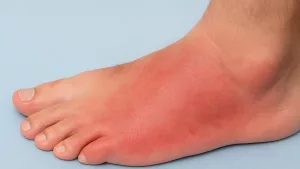
- warmth and redness
- swelling
- drainage from the wound
- fever or chills
See a doctor if you notice any of these signs. Also seek medical care if:
- you cannot stop the bleeding
- you cannot remove a foreign object from the wound
- you suspect bone injury from a deep puncture
Your provider may order imaging to check your foot for retained objects or bone damage.
Outlook for a nail puncture wound
Complications from stepping on a nail can be serious, but with swift home care and early medical treatment for infections, most wounds heal well. Scarring may occur depending on how deep the puncture was.
Your risk of tetanus is lower if you are up to date on your booster or if you receive a booster within 48 hours of the injury.
Puncture wounds are painful, but the pain should lessen as healing progresses. Over-the-counter pain relievers can reduce pain and inflammation, such as ibuprofen (Motrin, Advil) or naproxen sodium (Aleve).
Healing time varies with the depth of the wound but typically ranges from two days to two weeks.




















Leave a Reply
You must be logged in to post a comment.