

If you’ve noticed you’re passing more gas lately, it’s unlikely that protein itself is solely to blame. More often, ingredients added to protein powders and certain food components are the true culprits behind increased flatulence.
Flatulence is one of the main ways your body expels intestinal gas; the other common route is burping. Intestinal gas forms from both the foods you eat and the air you swallow while eating or drinking.
Although the typical person farts between 5 and 15 times per day, some people produce gas more frequently. This can depend on the foods in your diet and the composition of your gut microbiome.
Certain foods promote gas because of their specific components. If you’re using protein powder supplements, that could be the reason you’re experiencing more frequent flatulence.
What leads to “protein farts”?
People often use protein supplements for athletic performance or as a weight-loss strategy because protein helps keep you feeling full on fewer calories. Protein is also essential for building muscle, which is relevant for both goals.
There’s no solid evidence that a high-protein diet by itself increases how often you pass gas. It might, in theory, affect odor. Anecdotally, many report more flatulence after starting protein powders, but this is probably driven by nonprotein ingredients in those products — lactose being a common example in dairy-based powders.
So while the protein macronutrient isn’t typically the source of gas, other substances in protein supplements can trigger it.
Whey and casein-based products may contain significant amounts of lactose. A large lactose load can increase flatulence, even in people who usually tolerate dairy.

Many protein powders include additives that promote gas formation. Thickening agents and some sweeteners — like sorbitol — are common offenders.
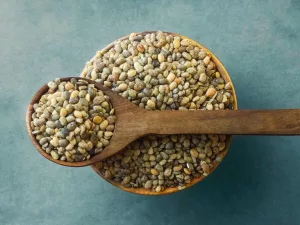
Plant-derived protein sources may also cause gas; ingredients from beans, grains, and legumes can contribute to intestinal gas production.
How to reduce gas from protein powders
Just because some protein supplements trigger flatulence and malodorous gas doesn’t mean the problem is permanent if you need more protein in your diet. Here are practical steps to reduce protein-related gas.
Try a different protein powder
Whey protein appears in many shakes, bars, and snacks, but not all whey is made the same. Concentrates often contain higher levels of lactose.
Whey protein isolate contains less lactose and may digest more comfortably for some people. Alternatively, consider switching to non-dairy protein powders like pea or soy.
Also avoid supplements sweetened with sugar alcohols such as sorbitol or mannitol, which can worsen gas.
Use digestion-friendly herbs
Certain herbs may ease digestive symptoms like excess gas and bloating. Sipping ginger or peppermint tea can help calm the gut, especially after meals.
Limit other gas-forming carbs
Before replacing protein with extra carbohydrates, be mindful to cut back on foods known to produce gas. Common culprits include:
- cruciferous vegetables such as cabbage, broccoli, cauliflower, and Brussels sprouts
- milk, cheese, and other lactose-containing dairy products
- beans and peas
- lentils
- garlic
- onions
It’s also wise to eat and drink at a slower pace and avoid overeating.
People often warn against eating too fast for good reason: rapid eating can make you swallow more air, which increases gas.
Protein shakes can contribute to air swallowing as well. The more air you take in, the more gas you may have.
Try slowing down during meals and snacks. This not only reduces swallowed air but can also help prevent overeating, another contributor to gas.
Over-the-counter options
Some OTC products may relieve flatulence. Look for forms containing activated charcoal or simethicone, and follow the label directions. Note that some are designed to be taken before eating, while others are intended after meals.
Are “protein farts” harmful or just annoying?
Protein-related flatulence is usually an annoyance rather than a health hazard.
You might notice more gas when you begin taking whey-based protein products. Some people may also experience bloating and abdominal discomfort, particularly those with irritable bowel syndrome or lactose intolerance.
If you’re lactose intolerant, avoid lactose-containing foods and most dairy-based protein supplements.

Flatulence isn’t the only possible side effect. Consuming large amounts of whey and casein over time can have other effects, such as worsening acne in some people.
If excessive gas persists despite dietary adjustments, consult a healthcare professional. They can evaluate for conditions like lactose intolerance, celiac disease, or inflammatory bowel disease (IBD).
Takeaway
Ingredients added to protein powders — rather than the protein itself — often cause increased flatulence in some individuals. If gas becomes bothersome, try reducing your intake of a problematic powder or switching to a different type of supplement.
Seek medical advice if intestinal gas remains a persistent issue.
Is too much protein harmful?
While protein is essential, consuming it in excess may have downsides depending on your overall diet, health status, and the sources of protein you choose. If you have concerns about your protein intake or related digestive symptoms, a healthcare provider can offer personalized guidance.
For related topics, you might find helpful information about period farts and whether protein powder for pregnancy is appropriate for expectant mothers.





















Leave a Reply
You must be logged in to post a comment.