
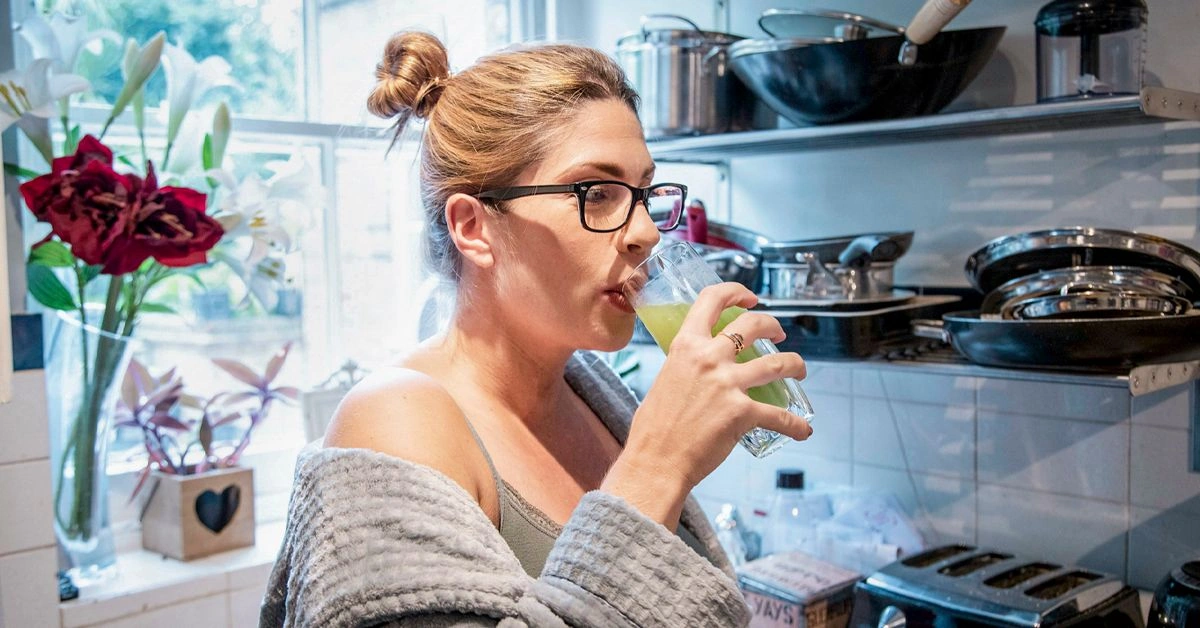
If you’re expecting, you’ve likely heard the phrase “eating for two.” That’s a bit of an exaggeration — during the first trimester you don’t need extra calories, and later in pregnancy you’ll typically aim for about 340 to 450 additional calories per day — but what you eat matters a great deal for your baby’s development.
The amount of protein you consume while pregnant is crucial for your developing baby and influences outcomes ranging from birthweight to head circumference. It may even have implications for their long-term health as an adult.
No need to panic — this isn’t meant to induce anxiety. There are many easy ways to meet protein needs from whole foods in your regular meals.
If pregnancy-related nausea or low appetite limits what you can eat, certain protein powders might temporarily help bridge nutritional gaps.
What are protein powders?
Protein powders aren’t only for athletes. These concentrated protein products can be a useful supplement to your pregnancy diet when needed. One scoop can provide as much as 30 grams of protein.
Protein in these powders may be derived from:
- eggs
- milk
- soybeans
- potatoes
- peas
- rice
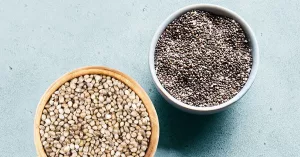
- hemp
Many are fortified with additional nutrients, but they are not intended to replace whole meals.
Not every protein powder is the same. Some contain extra additives or undisclosed compounds that could be unsafe during pregnancy — or at any time.
Certain powders include thickeners, artificial flavors and colors, and added sugars — substances both you and your baby don’t need.
How much protein do you need during pregnancy?
Expectant women generally require about 70 to 100 grams of protein daily, depending on body weight.
To illustrate, a hard-boiled egg supplies roughly 6 grams of protein, while a skinless chicken breast contains about 26 grams. Not keen on a lot of meat or dairy? There are many plant-based protein options. For instance, a half cup of lentils offers around 9 grams.
Here’s an example day that totals 72 grams of protein:
- hard-boiled egg (6 grams)
- cup of cottage cheese (28 grams)
- small handful of nuts (6 grams)
- 3 ounces of baked salmon (a recommended fish choice during pregnancy) plus a bowl of lentil soup (15 + 9 grams)
- a glass of milk (8 grams)
If you’re finding it difficult to reach your protein goal from food alone, a protein powder might help as a supplement — not a substitute for meals — but check with your obstetrician first.
To protein powder or not?
Protein powders can assist in meeting protein requirements during pregnancy. Still, consult your OB before introducing any supplement, including protein powders.
Once cleared, ask which brands or types your provider suggests. As with supplements generally, opt for an unflavored product with minimal ingredients. A simple guideline: if you can’t recognize or pronounce it, don’t consume it.
Whey protein comes from milk. Choose pure whey with no additives if you tolerate dairy.
If you have a milk allergy or sensitivity, avoid milk-based powders to prevent bloating, gas, or allergic responses.
Beyond whey, scan labels for milk-derived components such as casein or lactose. If you need a dairy-free option, pure pea protein is often a reliable alternative.
:max_bytes(150000):strip_icc()/prt-pregnancy-protein-powders-test-ritual-daily-shake-postpartum-17-458422d04d39421faccce9ff0666214e.jpeg)
What are the risks of using protein powder during pregnancy?
Excessive intake
Too much protein during pregnancy carries risks of its own. If you’re already eating a variety of protein-rich foods each day, you probably don’t need a powder.
A review that cites a Scottish study found that pregnant women consuming very high protein and low carbohydrate diets had babies with slower growth. This is one reason why ketogenic-style diets are not recommended in pregnancy.
Another 2018 cohort indicated that high-protein, low-carb diets were linked to a greater risk of gestational diabetes.
Keep in mind it’s easier to overconsume protein via convenient liquid supplements than from whole foods. Because of that, you might choose a handful of cashews instead of an extra scoop of powder.
Contaminants and unlisted ingredients
Protein powders are classified as dietary supplements in the United States, which means they’re not closely regulated by the Food and Drug Administration (FDA).
Manufacturers are responsible for testing safety and labeling contents. While many are reputable, not every company is infallible.
You can’t be entirely certain the label reflects what’s inside. That raises the possibility you’re not receiving the expected protein content — and that the product could contain unwanted contaminants like heavy metals or pesticide residues, as reported by the Clean Label Project.
Focus on obtaining most of your protein from whole foods, and reserve a scoop of a trusted powder for when you truly need it.
Hidden sugars
Watch for added sugars in protein powders. Excess sugar can promote unhealthy weight gain during pregnancy and cause blood sugar spikes.
Some powders contain as much as 23 grams of sugar per scoop. For context, the American Heart Association suggests a daily sugar limit of about 25 grams for women.
Reserve your reasonable daily sugar allowance for treats you truly enjoy, like ice cream, chocolate, or fruit.
Better sources of protein
Ideally, most of your protein should come from food rather than powdered supplements. Lean poultry, low-mercury fish, legumes, and whole grains are excellent options.
You can obtain roughly one-third of a typical daily protein requirement from a single serving of red meat. A 4-ounce portion of ground beef supplies about 24 grams of protein.
Enjoy red meat in moderation — perhaps once or twice weekly — because it’s higher in fats and cholesterol and can influence cardiovascular health. A 2014 review also linked higher maternal animal protein intake to elevated blood pressure in their children.
Certain fish are pregnancy-friendly, but larger species may harbor mercury. The FDA recommends avoiding fish such as:
- mackerel
- swordfish
- tilefish
Also steer clear of raw or undercooked seafood — so skip raw fish sushi while pregnant or breastfeeding.
Top plant-based protein choices include:
- legumes
- lentils
- whole grains
- brown rice
- oatmeal
- barley
- nuts
Pasteurized dairy products like milk, hard cheeses, cottage cheese, and yogurt are also solid protein sources. Avoid soft, unpasteurized cheeses such as brie or blue due to potential contamination risks.
The takeaway
Certain protein powders can be safe during pregnancy. Adding a scoop when needed may help you meet your daily protein goals for both you and your baby.
However, the supplement market is only loosely regulated, and many powders aren’t formulated with pregnant women in mind. Some contain added or unknown substances that shouldn’t be in any food or supplement.
Keep a food log to estimate your daily protein and nutrient intake. You may find you don’t need a powder, and remember that excessive protein can be harmful as well.
As always, discuss any supplements — including protein powders — with your obstetrician before use.




















Leave a Reply
You must be logged in to post a comment.