

You talk about period cramps and how you’re PMS-ing with friends. Chances are you’ve even bonded with a stranger in a public restroom over the misery of leaving home without a menstrual product.
It’s easy to be candid about periods, but nothing feels quite as real as period farts. Yes, period farts. We all know they happen. You do, too. It’s time to address them.
Being particularly gassy during your period is common, and so is that distinct smell — the aroma that makes you cringe at the thought that something so pungent could come from your body.
Why it happens
Bloating and gas before and during your period are usually related to shifts in hormones, especially estrogen and progesterone.
Hormone increases in the days leading up to your bleed can affect your stomach and small intestine. Higher estrogen levels can cause gas, constipation, and trapped air in your digestive tract.
Just before bleeding begins, the cells lining the uterus release prostaglandins. These are fatty-acid-like compounds that act similarly to hormones.

Prostaglandins trigger uterine contractions to shed the lining monthly. If your body makes an excess, those surplus prostaglandins enter the bloodstream and make other smooth muscles contract — including those in your intestines.
That can produce flatulence and alter bowel movements, which is a polite way of saying period farts and the notorious period poops.
It could signal something else, too
GI upset and gas during certain parts of the menstrual cycle are common.
But sometimes, these symptoms point to an underlying health issue.
Irritable bowel syndrome (IBS)
IBS is a frequent disorder of the large intestine that causes:
- cramping
- bloating
- gas
- abdominal pain
Multiple studies have shown that IBS symptoms, including gas, worsen around your period. People with IBS also often have more severe menstrual symptoms, like intense cramps and heavy bleeding.
Endometriosis
Endometriosis occurs when tissue similar to the uterine lining grows outside the uterus, sometimes beyond the pelvic area. Gastrointestinal complaints are common among those with endometriosis.
Like IBS, endometriosis-related symptoms often intensify during menstruation. These can include:
- gas
- bloating
- constipation
Painful periods, painful intercourse, and heavy bleeding are also frequent signs.
Why they smell so bad
The smell. Ugh, the smell.
There are several reasons period farts carry such a distinctive odor. One main factor is that your gut bacteria fluctuate during your period, which can make gas smell stronger.
Your diet also affects the scent. And it’s not entirely your fault if you crave junk food when your period arrives.
Period cravings are real. Research suggests that elevated progesterone linked to your cycle can prompt compulsive eating and body dissatisfaction, making it harder to monitor what you eat.
Reaching for dairy, refined carbs, and sweets changes the smell of your gas for the worse and can contribute to constipation.
Moreover, constipation means stool stays longer in the colon, allowing bacteria to produce more odor — which can lead to even smellier toots.
What you can do
Farting is a natural bodily function we can’t entirely avoid. Even smelly gas is often normal. But this doesn’t mean you’re doomed to clear a room every month until menopause.
Plug the leak Here are some ways to reduce period farts or at least make them less noticeable:
- Drink plenty of water to help pass waste through your system more smoothly.
- Exercise to keep bowel movements regular and reduce constipation.
- Eat smaller meals more slowly to aid digestion and cut down gas production.
- Use a stool softener or laxative if constipation is a recurrent issue during your period.
- Try not to give in to frequent binge-eating when PMS hits.
- Avoid carbonated drinks, which can increase gassiness.
- Steer clear of foods that make gas smell worse, like cabbage and Brussels sprouts.
- Consider an OTC anti-inflammatory, such as ibuprofen (Advil), to lower prostaglandin production that can trigger gas and bowel changes.
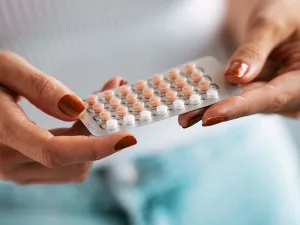
- Discuss birth control pills with your clinician — they may ease or eliminate troubling period symptoms.
Also, if you find your cravings push you toward specific foods, be mindful: foods that worsen gas might also affect things like period blood odor or bloating. And if spicy or warm foods are your go-to, remember they can change digestion similar to how hot farts occur.
The bottom line
Passing gas is completely normal. You’re not alone if your farts get particularly pungent during your period.
Small adjustments to diet and habits — many of them healthy generally — can often stop period farts from becoming a monthly problem.
If you have other concerning symptoms or suspect an underlying condition, talk to your healthcare provider about medical strategies, such as hormonal contraception, which may help.













Leave a Reply
You must be logged in to post a comment.