

Several factors can make your farts feel warmer than normal, including having low amounts of gas, wearing restrictive clothing, or eating certain foods. Most of the time this sensation isn’t a sign of a serious condition.
:max_bytes(150000):strip_icc()/What-Your-Farts-Can-Tell-You-About-Your-Health-AdobeStock_308857965-2000-f9949061b9b348e1b1171f8303ec9523.jpg)
On average, an individual releases gas from the rectum 14 to 23 times each day. Many of these emissions are quiet and happen while you’re asleep. Others occur during waking hours and can range from silent but malodorous to loud and scentless.
Occasionally you might notice “hot farts,” the feeling that the air expelled is warmer than usual. In reality, the temperature of the gas doesn’t typically change, but several circumstances can make it feel hotter.
Read on to learn what might cause that sensation and how to reduce uncomfortable gas.
What makes farts feel burning?
The actual temperature of gas leaving your rectum is generally consistent, yet some situations can make farts seem warmer. Possible explanations include:
Low gas volume
Having fewer farts than average isn’t inherently problematic. Each person’s tendency to produce gas varies, largely depending on diet and habits.
That said, when there’s less gas to expel it can seem hotter. With larger amounts of gas, expulsion tends to be more forceful, clearing the rectum quickly so you don’t notice a warming sensation around the anus.
When gas volume is low, the air exits more slowly and with less force, allowing it to linger near the skin and slightly raise the temperature around your bum.
Diarrhea
Diarrhea doesn’t actually heat the gas, but frequent bowel movements can make the skin of the anus and rectum more sensitive. That heightened irritation can make farts feel painful or warmer than usual.
Spicy foods

What’s spicy going in often feels spicy coming out. Capsaicin and similar compounds that make foods hot on the tongue can also irritate the anal area during bowel movements.
The food doesn’t literally raise the temperature of the gas, but it can inflame the delicate skin around the anus, causing farts to feel hotter.
Tight clothing
Tight underwear or snug pants can trap expelled gas near the skin a bit longer before it disperses through fabric, which can make the emission feel warmer.
Hot farts and constipation
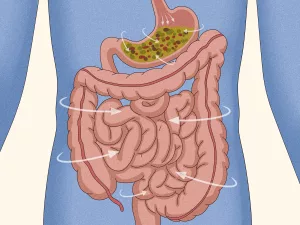
Constipation and the sensation of hot farts often occur together. When your GI tract is backlogged and you haven’t had a bowel movement for hours or days, there’s less room for gas in the intestines. That typically results in less forceful gas expulsion, which can make farts feel warmer.
Constipation can stem from factors such as:
- a diet low in fiber
- insufficient fluid intake
- lack of physical activity
How to reduce burning farts
Although one fart isn’t actually hotter than another, you may perceive more warmth depending on your GI status. The following strategies can help prevent the sensation and may ease related digestive issues.
Increase fiber intake
Fiber is key for healthier digestion. Consuming abundant fiber from fruits, vegetables, legumes, and whole grains helps prevent constipation and promotes regular bowel movements.
In short, fiber keeps stool — and the gas that travels with it — moving steadily through the digestive tract.
Be aware that some high-fiber foods like broccoli, asparagus, cabbage, and Brussels sprouts can raise the amount of gas you produce. They won’t change gas temperature, but expect to pass more wind if you eat them more frequently.
Use probiotics
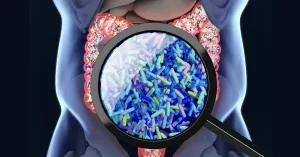
Certain probiotic bacteria ferment nutrients like fiber and can release tiny amounts of hydrogen gas.
Other probiotic strains help break down gas, reducing flatulence. Fermented foods such as yogurt, pickles, and kombucha are good sources of beneficial bacteria.
Add digestive-friendly herbs
Herbs like ginger, peppermint, and cinnamon contain natural compounds that aid digestion and can speed the transit of food. Peppermint, in particular, can soothe the intestines and help lessen diarrhea-related irritation of the anal skin.
Be mindful of carbs
Your digestive system handles many foods well, but some carbohydrates — especially those with insoluble fiber — are harder to digest. When undigested food sits in the gut and bacteria ferment it, gas accumulates.
You don’t need to remove all carbs — fruits and vegetables are important sources of nutrients — but balance easily digested carbs with those that are more challenging. Foods like beans, cabbage, cauliflower, and onions are notable gas-producers.
Stay hydrated
Carbonated drinks introduce air into the digestive system, which can cause belching and more farts. Still beverages such as water, tea, and wine tend to reduce swallowed air and are better for minimizing stomach gas. Adequate hydration also helps prevent constipation.
Limit spicy foods
If you notice burning farts or irritated bowel movements after spicy meals, cutting back on those foods can reduce anal irritation caused by hot compounds.
Are hot farts harmful?
Hot farts themselves aren’t harmful and usually aren’t something to worry about. If you experience them alongside symptoms like constipation or diarrhea, focus on improving your diet.
A balanced eating pattern that includes lean proteins, healthy carbohydrates, fruits, and vegetables supplies the nutrients your GI tract needs to function well and can lower the likelihood of uncomfortable, fiery passes. Poor dietary choices, by contrast, may lead to nutrient gaps, an imbalanced gut microbiome, and other problems.
When to consult a doctor
Hot farts are seldom an indication of a serious problem. However, if they occur with other concerning symptoms — such as abdominal pain, nausea, vomiting, or persistent diarrhea — it’s wise to seek medical advice, as these may signal digestive disorders like irritable bowel syndrome or an infection.
Takeaway
Small changes in diet and habits often are enough to reduce gas buildup and decrease the chance of experiencing warm-feeling farts. Most of the time, this sensation isn’t a sign of serious disease. By promoting overall GI health, you can expect the uncomfortable burning sensations from your rectum to diminish as well.



















Leave a Reply
You must be logged in to post a comment.