
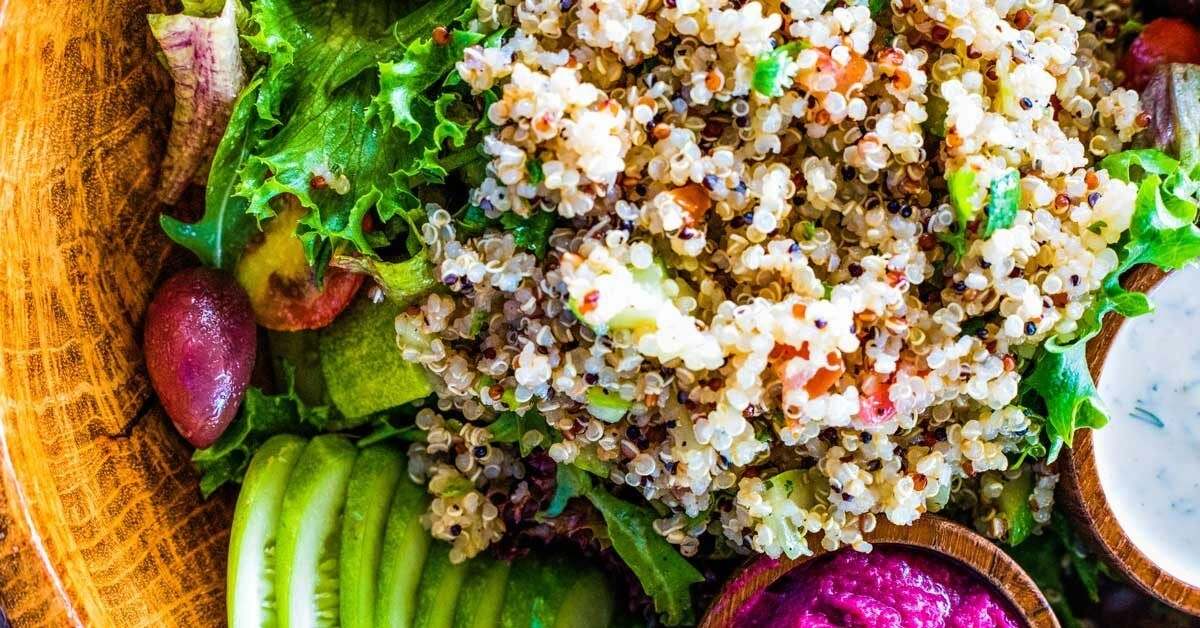
Quinoa is naturally free of gluten and rich in nutrients such as protein, zinc, fiber, folate, and antioxidants. It cooks quickly and can be incorporated into both sweet and savory meals.
Although quinoa has long been grown in South America, it has recently surged in popularity as a health-conscious choice in the United States and other Western countries.
Centuries ago the Inca regarded this ancient seed as a revered food.
In the last twenty years, demand for easy-to-grow, nutrient-dense, gluten-free grain alternatives has driven quinoa’s rise in popularity.
Beyond being nutrient-rich, quinoa may provide a variety of health advantages.
This article outlines eight health benefits of quinoa and offers suggestions for adding it to your diet.
Loaded with essential nutrients
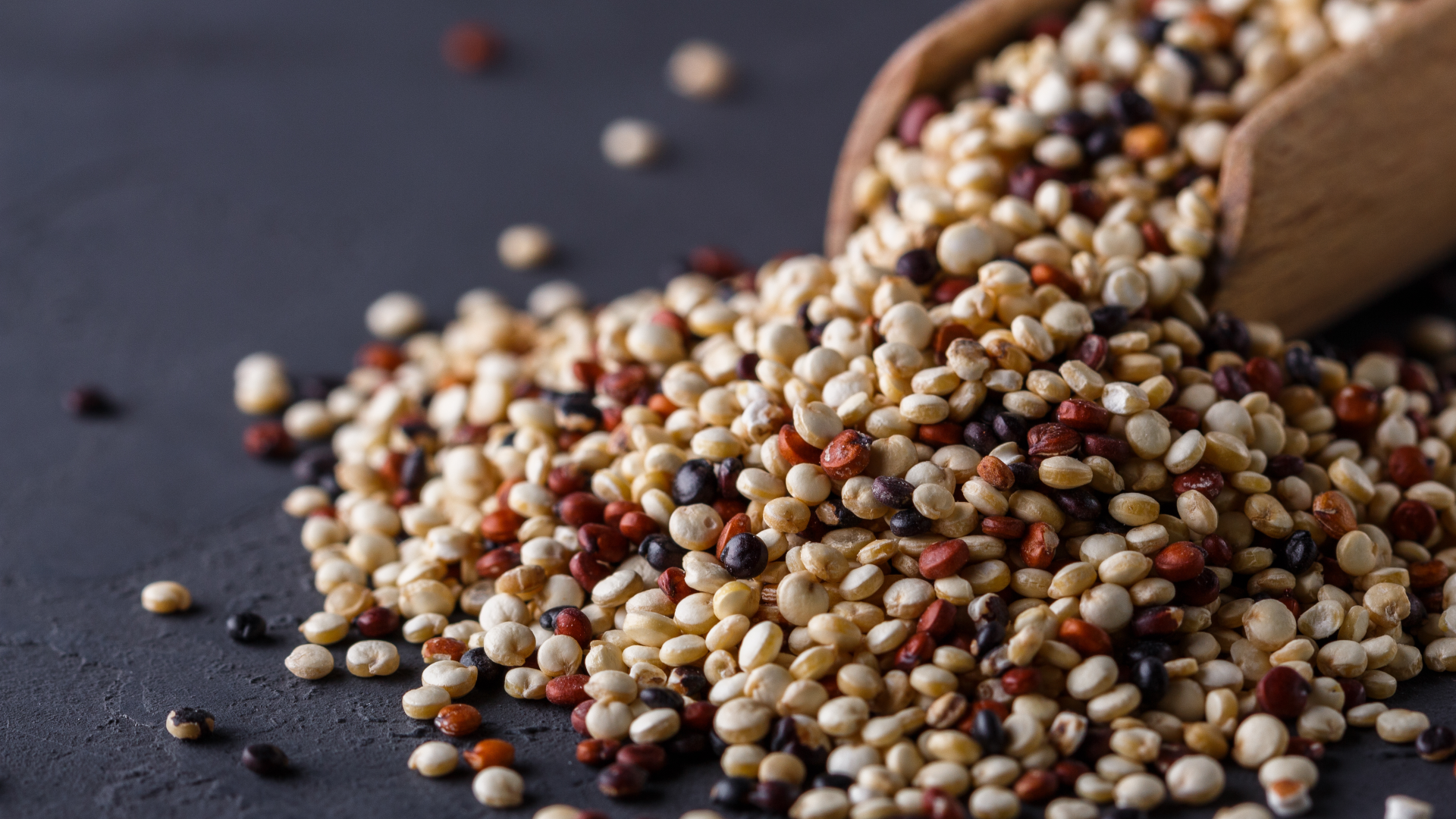
Quinoa is a crop grown for its edible seeds — the quinoa we eat, pronounced KEEN-wah.
Although often grouped with cereal grains like oats and barley, quinoa is technically a pseudocereal.
Pseudocereals are seeds that are prepared and eaten in the same way as grains. Other examples include buckwheat and amaranth.
Common varieties of quinoa include:
- red
- black
- white
Here’s the nutrition profile for 1 cup (185 grams) of cooked quinoa:
- Calories: 222
- Protein: 8 grams
- Fat: 3.55 grams
- Carbohydrates: 39 grams
- Fiber: 5 grams
- Folate: 19% of the daily value (DV)
- Vitamin B6: 13% of the DV
- Vitamin E: 8% of the DV
- Copper: 39% of the DV
- Iron: 15% of the DV
- Zinc: 18% of the DV
- Manganese: 51% of the DV
- Magnesium: 28% of the DV
- Potassium: 7% of the DV
- Phosphorus: 22% of the DV
Quinoa supplies several key nutrients many people need, including:
- folate
- magnesium
- zinc
- iron
It also provides fiber and protein, which can help you feel full after meals.
Rich in antioxidant and anti-inflammatory plant compounds
Quinoa contains plant compounds that may support health in multiple ways.
Quercetin and kaempferol are two flavonoids particularly well-researched and are the primary flavonoids in quinoa.
Both quercetin and kaempferol have anti-inflammatory actions and function as antioxidants, protecting cells from damage caused by unstable molecules called free radicals.
Including more flavonoid-rich foods, such as quinoa, in your diet may help support overall health and reduce the risk of certain diseases and premature death.
Adding nutritious foods like quinoa can substantially increase your intake of these and other antioxidant compounds.
Higher fiber content than many grains
One notable advantage of quinoa is its fiber content.
A 1-cup (185-gram) serving of cooked quinoa has about 5.18 grams of fiber — roughly 18% of the current 28-gram DV.
Quinoa packs more fiber than several common grains, such as brown rice.
For instance, a 1-cup (195-gram) serving of cooked brown rice contains 3.51 grams of fiber, which is 1.67 grams less than the same portion of quinoa.
Eating fiber-rich foods like quinoa can help support digestion by promoting regular bowel movements and feeding healthy gut bacteria.
A high-fiber diet may also help you maintain a healthy body weight. Fiber promotes satiety, and pairing high-fiber foods like quinoa with protein can increase meal satisfaction and help control portion sizes.
Naturally gluten-free
People with gluten intolerance, including those with celiac disease or non-celiac gluten sensitivity, must avoid gluten-containing grains.
Those following a gluten-free diet need alternatives to wheat, barley, and rye.
Quinoa is naturally gluten-free, making it a nutritious option for anyone avoiding gluten. Still, check labels to make sure products are free from cross-contamination.
Unlike many gluten-free items made with refined ingredients, quinoa offers nutrients that gluten-free diets frequently lack, such as:
- fiber
- folate
- zinc
- magnesium
A good source of protein
Compared with other grains, quinoa delivers a notable amount of protein — about 8 grams per cooked cup (185 grams). It can contribute meaningfully to daily protein needs.
Quinoa is often described as a complete protein because it includes all nine essential amino acids the body cannot synthesize on its own.
However, some experts note quinoa has relatively low levels of certain amino acids like leucine and lysine, so they call it a “nearly complete” protein. For optimal amino acid intake, they recommend consuming various protein sources across the day.
Regardless, quinoa is a solid protein source — and adding it to meals can help you meet daily protein requirements.
This is particularly helpful for those on plant-based diets. Pairing quinoa with beans, tofu, and mixed vegetables creates a quick, protein-rich plant-based meal.
Supplies important vitamins and minerals
Quinoa contains fiber and several vitamins and minerals that many people don’t get enough of.
Research indicates many children and adults fall short on nutrients like folate, potassium, iron, and magnesium.
An estimated 90% of American women and 97% of American men don’t meet recommended fiber intake. Insufficient fiber can negatively affect health and raise chronic disease risk.
Quinoa offers magnesium, potassium, iron, fiber, and folate. Folate is particularly important during pregnancy for fetal development. Including quinoa in a balanced diet may help you reach these nutrient targets.
Keep in mind quinoa also contains some antinutrients, such as:
- saponins
- tannins
- phytic acid
These compounds can bind minerals like iron and magnesium and reduce their absorption.
However, rinsing, soaking, or sprouting quinoa before cooking can lower antinutrient levels and improve mineral bioavailability.
A 2022 review also notes quinoa is relatively high in oxalates, which may contribute to recurrent kidney stones in susceptible individuals.
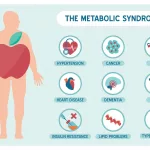
May support cardiometabolic health
Some research indicates consuming quinoa may benefit certain markers of metabolic and heart health.
A 2020 trial with 40 older adults had participants eat 0.5 ounces (15 grams) of quinoa flour biscuits daily for 28 days.
By the study’s end, those who ate the quinoa biscuits experienced greater reductions in LDL (bad) cholesterol, total cholesterol, and body weight compared with participants who consumed wheat-based biscuits.
Other studies suggest quinoa and quinoa-based foods may help improve:
- blood sugar control
- body weight management
- triglyceride levels
A 2017 study assigned 50 individuals with overweight or obesity to consume 1.8 ounces (50 grams) of quinoa daily for 12 weeks.
The group eating 1.8 ounces of quinoa had significantly lower triglyceride levels than the control group and a lower-dose quinoa group (0.88 ounces or 25 grams daily).
While these findings suggest quinoa may have positive cardiometabolic effects, overall diet and lifestyle are the main determinants of disease risk.
Adopting a dietary pattern rich in wholesome foods like quinoa, vegetables, fruits, fish, and legumes is a sensible approach for protecting health and improving risk factors such as elevated blood lipids and blood sugar.
Read more on comparisons like couscous vs quinoa to decide which fits your meals best.
Simple to add to meals
Quinoa’s versatility makes it easy to include in your regular eating routine, supporting long-term adherence.
It has a pleasant taste that pairs well with many other foods.
Depending on the variety, rinse quinoa before cooking to remove saponins, which coat the outer layer and can impart bitterness.
Some brands sell pre-rinsed quinoa so you can skip this step. You can also buy sprouted quinoa, which has a lower antinutrient content and can help improve nutrient uptake.
Quinoa is widely available at health food stores and most supermarkets.
How to prepare quinoa
Quinoa can be ready in as little as 15–20 minutes. To prepare it:
- Rinse 1 cup (170 grams) quinoa thoroughly using a fine-mesh strainer.
- Bring 2 cups (240 mL) of water to a boil in a pot.
- Add the rinsed quinoa and a pinch of salt.
- Simmer for 15–20 minutes.
- Serve and enjoy.
When cooked correctly, quinoa should absorb most of the water and become fluffy, with a mild, nutty taste and a pleasant bite.
Numerous recipes for quinoa are available online, from breakfast bowls to lunches and dinners.
You can use quinoa in both savory and sweet dishes.
For example, assemble a savory quinoa and vegetable salad topped with feta and grilled chicken, or prepare a sweet breakfast porridge using cooked quinoa, coconut milk, fresh fruit, walnuts, cinnamon, and a drizzle of honey.
The bottom line
Quinoa is technically a seed and belongs to a small group of edible seeds known as pseudocereals, alongside amaranth and buckwheat.
It’s a smart carbohydrate choice because it delivers fiber, minerals, antioxidants, and protein. It’s also gluten-free, flavorful, adaptable, and quick to cook.
Quinoa is an excellent carbohydrate to include in a balanced diet.
One simple tip
Try this: Cook a large batch of quinoa and store it in the refrigerator for easy meal prep.
For a convenient lunch, layer quinoa, grilled vegetables, feta, beans, and roasted chicken in mason jars. Add a splash of olive oil and lemon juice when ready to eat for a fresh, grab-and-go meal.















Leave a Reply
You must be logged in to post a comment.