
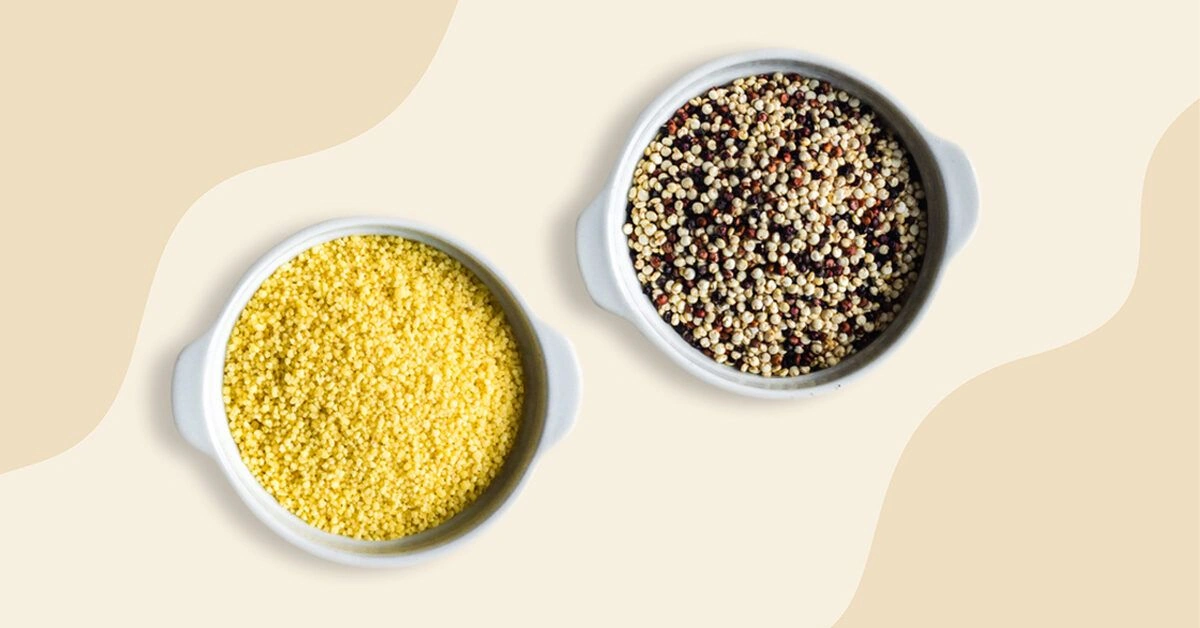
Quinoa and couscous are two tiny, grain-like items often used as substitutes for rice or pasta.
Because they appear similar and are used in comparable ways in the kitchen, many people confuse them or wonder how they contrast.
From a nutritional standpoint, they differ quite a bit.
This piece outlines the primary distinctions between quinoa and couscous to help you choose which one suits you best.
What exactly are couscous and quinoa?
Although couscous and quinoa may look alike, they’re distinct foods.
Couscous is a small-grained pasta produced from steamed semolina — a flour derived from durum wheat. As such, it’s part of the Gramineae, or grass, family and is a dietary mainstay in North Africa (notably Morocco), Algeria, and Tunisia (1).
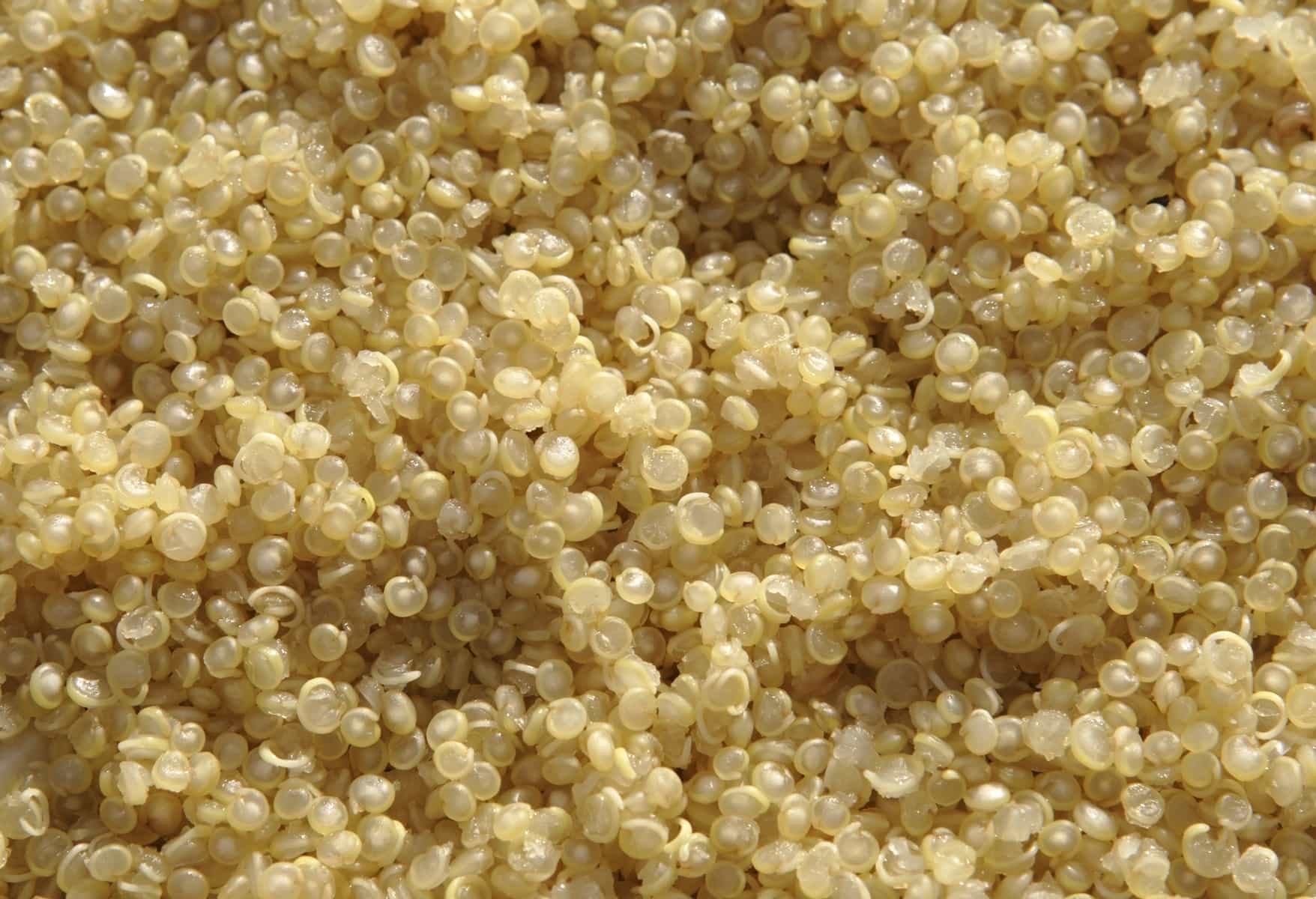
Quinoa, conversely, is the seed of the quinoa plant, a member of the Chenopodiaceae, or goosefoot, family (2).
It’s classified as a pseudo-cereal because of its nutrient makeup and is commonly eaten like a grain rather than a seed (3).
Three main quinoa varieties exist — red, black, and white — all cultivated in the Andean highlands of South America.
Summary: Couscous is a form of pasta made from semolina, whereas quinoa is a seed typically consumed like a grain.
Nutritional comparison
Although couscous and quinoa share some nutritional similarities, their key differences concern nutrient quality more than sheer amounts.
The table below compares the nutrient content of a 3.5-ounce (100-gram) portion of cooked couscous and quinoa (4, 5):
| Couscous | Quinoa | |
|---|---|---|
| Calories | 112 | 120 |
| Carbs | 23.2 grams | 21.3 grams |
| Fiber | 1.4 grams | 2.8 grams |
| Protein | 3.8 grams | 4.4 grams |
| Fat | 0.16 grams | 1.92 grams |
| Selenium | 50% of the Daily Value (DV) | 5% of the DV |
| Manganese | 3.6% of the DV | 27.4% of the DV |
| Folate | 3.7% of the DV | 10.5% of the DV |
| Iron | 2.1% of the DV | 8.2 % of the DV |
Both are predominantly carbohydrate-based and contain a respectable amount of protein.
They’re naturally very low in fat, though quinoa has roughly 12 times more fat than couscous, mainly from beneficial fatty acids such as omega-3 and omega-6 (6).
Despite comparable carbohydrate and protein figures, the quality of nutrients differs substantially. For starters, quinoa is notable for its distinctive protein profile.
Proteins are built from amino acids, split into essential and nonessential types. Your body can synthesize nonessential amino acids, but essential ones must be acquired through food (7).
Unlike couscous — and many grains and legumes — quinoa contains all essential amino acids, making it a complete, high-quality plant protein (8, 9, 10, 11).
Regarding carbohydrates, quinoa provides about double the fiber of couscous, so it may keep you feeling satiated longer.
Quinoa also has a lower glycemic index (GI) of 53 versus couscous’ moderate GI of 65. Foods with a high GI tend to raise blood sugar quickly, while low-GI foods cause a slower, steadier rise (12, 13, 14).
Summary: Quinoa and couscous contain similar nutrients in some respects but differ in nutrient quality. Quinoa includes all essential amino acids and is less likely to cause sharp blood sugar spikes compared with couscous.
Health effects
Both couscous and quinoa offer health-promoting properties.
For example, couscous is rich in selenium. This trace element supports immune and thyroid function and may reduce the risk of heart disease and certain cancers (15, 16).
Selenium also functions as a potent antioxidant, helping neutralize free radicals linked to premature aging and some cancers (15).
Quinoa is likewise high in antioxidants — including phenolic acids, flavonoids, and terpenoids — which give it antidiabetic, anticancer, and anti-inflammatory effects (17).
Also, eating low-GI foods like quinoa — or following a low-GI eating plan — has been associated with a reduced risk of cardiovascular disease and diabetes (12, 18, 19).
However, each also has potential downsides.
Since couscous is made from wheat, it contains gluten — a protein common to wheat, barley, and rye. Consequently, it’s unsuitable for people with celiac disease or gluten sensitivity (20).
Quinoa is naturally gluten-free, but it does contain prolamins, a class of proteins related to gluten. Test-tube research suggests these proteins could provoke symptoms in certain sensitive individuals (21, 22, 23).
Still, human studies indicate that daily consumption up to 1.8 ounces (50 grams) of quinoa may be tolerated by many with celiac disease, making it a viable gluten-free option for some (24).
Summary: Couscous supplies selenium, important for metabolic functions, but contains gluten. Quinoa is gluten-free and rich in antioxidants, though it has prolamins that might trigger reactions in a subset of sensitive individuals.
Flavor and culinary uses
Couscous and quinoa vary in taste and mouthfeel.
Couscous offers a pasta-like texture and a neutral taste, absorbing flavors of the ingredients it’s cooked with. Quinoa tends to be slightly nutty with a firmer, chewier bite.
When it comes to cooking, both soak up water or broth much like rice and generally don’t require draining. Using chicken or vegetable stock can enhance their flavor.
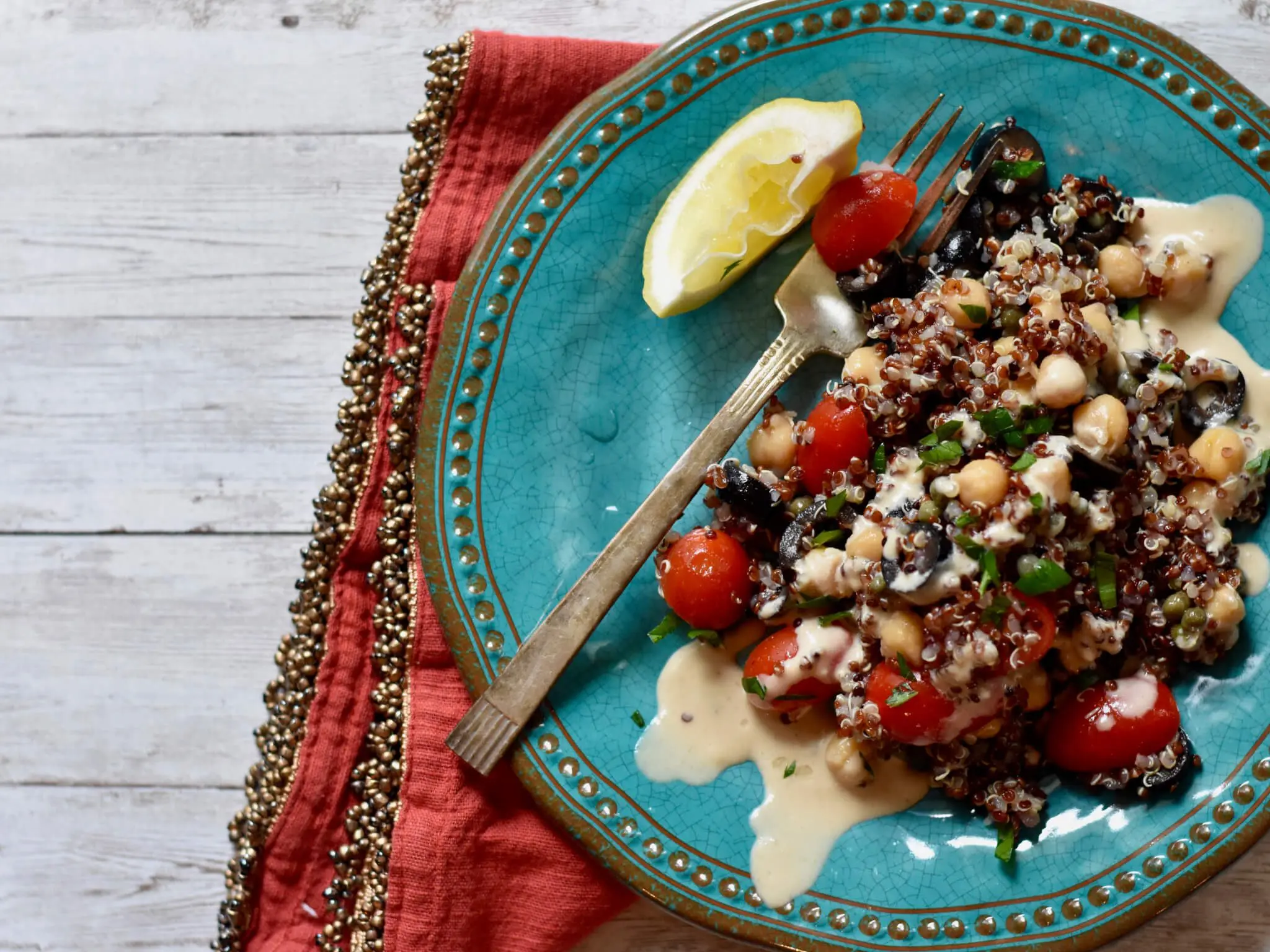
In many recipes, couscous and quinoa can be swapped for one another since both work well hot or cold, as side dishes, or tossed into salads.
Additionally, quinoa can be milled into flour and used in baking due to the functional qualities of its starch, including gelation, viscosity, and foaming (25).
Using quinoa flour can boost the nutritional value of baked goods by adding protein, fiber, and antioxidants without introducing gluten (26).
Quinoa is also useful in soups, porridges, and both sweet and savory snacks.
Summary: Couscous has a pasta-like texture and mild taste, while quinoa is crunchier with a nutty flavor. They’re often interchangeable, though quinoa’s versatility extends to baking when used as flour.
Which one is better?
Both couscous and quinoa are delicious, flexible, and simple to prepare.
Each provides various health advantages, such as supporting immune function, aiding heart health and blood sugar control, and potentially offering protection against some cancers.
However, if your goal is to boost the nutritional content of a meal, increase plant-based protein, or follow a gluten-free approach, quinoa is the preferable option. For more ideas on healthy grains and seeds, see 8 health benefits quinoa.
If you just want to vary your usual servings of pasta or rice, couscous can be an enjoyable alternative — keeping in mind it isn’t suitable for gluten-free diets.
Summary: Your dietary needs determine the better choice. Quinoa can enhance meal nutrition and fits gluten-free eating, while couscous offers a simple way to add variety to everyday dishes.
Bottom line
Couscous and quinoa are two adaptable, grain-like foods that differ in nutritional quality.
Compared with couscous, quinoa is richer in plant protein, fiber, and antioxidants and has a lower GI.
Both bring potential health perks and are excellent in salads, though quinoa’s uses extend to soups, porridges, and baked goods.
Consider your dietary requirements when deciding: quinoa aligns with gluten-free diets, whereas couscous does not.




















Leave a Reply
You must be logged in to post a comment.