

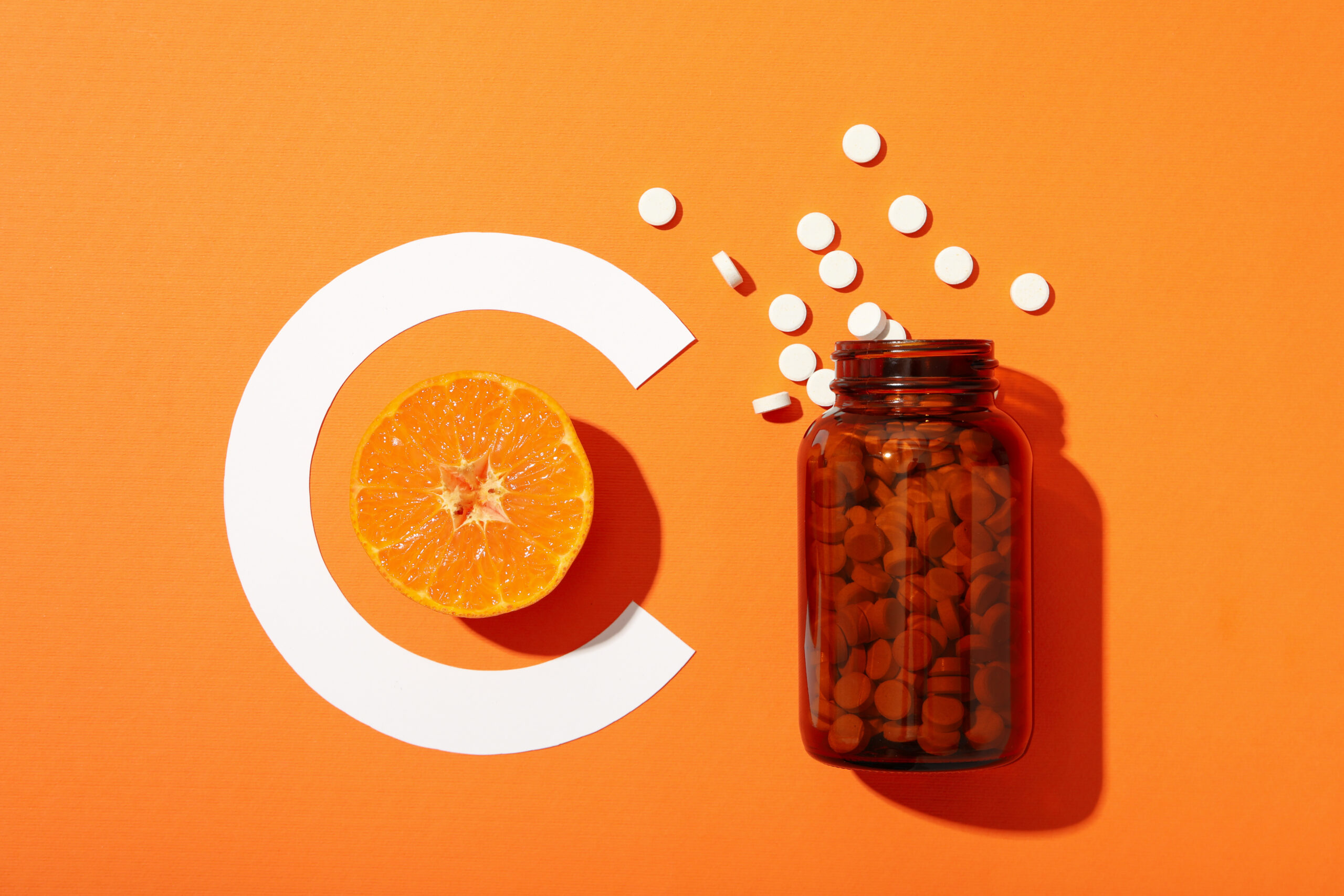
A vitamin C flush, sometimes called an ascorbate cleanse, involves consuming large amounts of vitamin C (ascorbic acid) with the goal of eliminating toxins from the body. Proponents suggest taking high doses of vitamin C at intervals until you pass watery stool.
Read on to understand the claimed advantages, what research indicates, possible adverse effects, and other considerations.
What are the claimed benefits?
Some people turn to a vitamin C flush when they want a quick detox or to speed recovery from an illness.
Advocates of the flush assert that it:
- replenishes the body’s vitamin C reserves
- helps determine an individual’s daily vitamin C requirement
- leaves the person feeling invigorated and refreshed
Vitamin C is also believed to:
- have properties that may slow signs of aging
- support immune function
- aid in the absorption of minerals
- shield the body from chemical contaminants
- assist the body in resisting infections
What does the research show?
Although many anecdotal reports praise the effects of a vitamin C flush, there is no solid scientific evidence supporting the benefits listed above.
Registered dietitian Vanessa Rissetto notes that the only medically valid reason to consider a vitamin C flush is to address a true deficiency of vitamin C, or scurvy. Vitamin C deficiency most commonly affects individuals with limited financial resources.
Signs of vitamin C deficiency include:
- muscle aches or weakness
- extreme tiredness
- fever
- easy bruising
- reduced appetite
- bleeding or swollen gums
- mouth sores
- unexplained rash or small red spots
If you think you may be deficient, consult your healthcare provider. They can evaluate your symptoms and provide an accurate diagnosis.
If you decide to try a vitamin C flush
Even though scientific support is lacking, a vitamin C flush is likely safe for generally healthy adults. Still, you should speak with your physician before attempting one.
Key points to consider before starting a vitamin C flush:
- You can maintain your usual diet during the process.
- Perform the flush on a day when you are at home and near a bathroom.
- If you have a sensitive stomach, choose a buffered ascorbate powder bound to minerals such as calcium or magnesium.
- Drink plenty of fluids to replace losses.
- The stool should be watery—loose stool alone does not count.

Possible side effects and risks
During a flush you may experience:
- bloating
- flatulence
- heartburn
Never undertake a vitamin C flush without consulting your doctor. Large doses of vitamin C and suddenly stopping can cause significant problems.
Diarrhea from the flush can sometimes cause severe dehydration. For this reason, Sue Decotiis, MD, cautions that children, pregnant women, and adults over 65 should avoid attempting a vitamin C flush.
A flush is also inadvisable if you have:
- hemochromatosis
- Gilbert’s syndrome
- irritable bowel syndrome (IBS)
- inflammatory bowel disease (IBD)
- hepatitis
- kidney disease
Keep in mind that over-the-counter vitamin products can vary widely in quality. Dr. Decotiis notes that independent testing frequently uncovers large differences in potency, purity, and effectiveness between batches of the same supplement. Buy vitamin C from reputable manufacturers.
Consult your physician first
If you’re considering a vitamin C flush, talk with your doctor beforehand. They can advise whether a flush might be appropriate for you and outline the possible dangers you could face if you proceed.





















Leave a Reply
You must be logged in to post a comment.