Hemp Seeds vs. Chia Seeds: How Do They Compare?

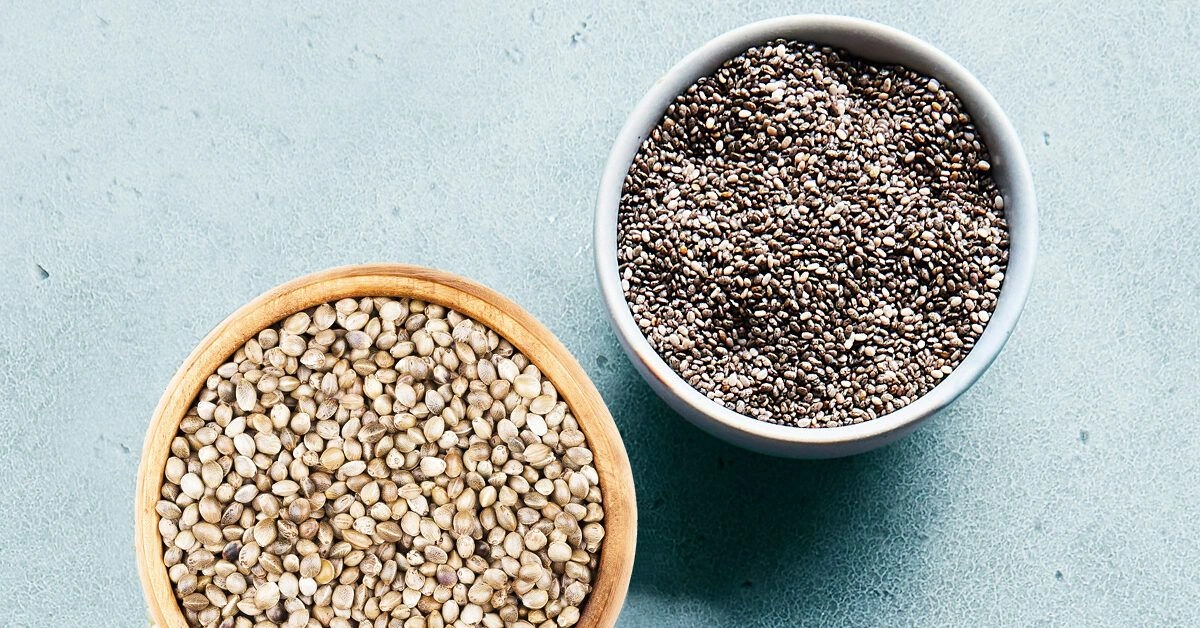
Hemp seeds and chia seeds both have a subtle, nutty flavor and are packed with nutrients such as heart-supporting fats, protein, iron, and niacin. Still, there are notable distinctions between the two.
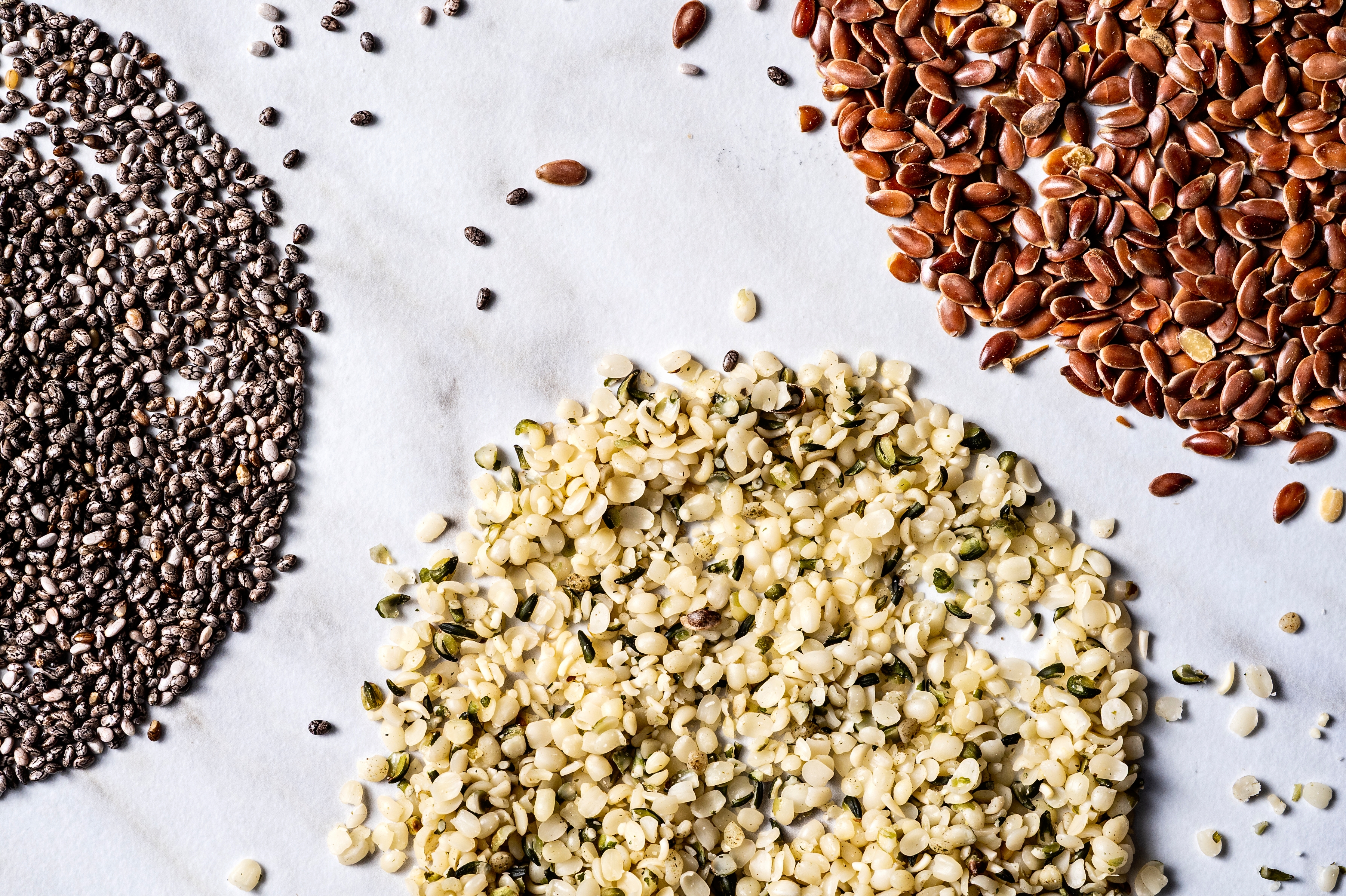
This piece will examine the nutritional differences, possible advantages, and drawbacks of hemp seeds and chia seeds, plus suggestions for incorporating each into your meals.
Nutrient comparison chart
While hemp seeds and chia seeds deliver similar calorie counts per serving, hemp seeds offer more protein and fat, along with greater amounts of several minerals, including manganese, copper, magnesium, and phosphorus.
By contrast, chia seeds have fewer calories but provide more carbohydrates, fiber, and calcium per serving.
Below is a closer breakdown of the nutrients found in one serving of hemp seeds and one serving of chia seeds (1 , 2 ):
| Hemp seeds (1oz/28.35g) | Chia seeds (1oz/28.35g) | |
|---|---|---|
| Calories | 166 | 138 |
| Protein | 9.5 grams | 5 grams |
| Carbs | 3 grams | 12 grams |
| Fat | 15 grams | 9 grams |
| Fiber | 1 gram | 10 grams |
| Manganese | 99% of the Daily Value (DV) | 34% of the DV |
| Copper | 53% of the DV | 29% of the DV |
| Magnesium | 50% of the DV | 23% of the DV |
| Phosphorus | 40% of the DV | 20% of the DV |
| Thiamin | 32% of the DV | 15% of the DV |
| Zinc | 27% of the DV | 12% of the DV |
| Niacin | 17% of the DV | 16% of the DV |
| Iron | 13% of the DV | 12% of the DV |
| Calcium | 2% of the DV | 14% of the DV |
The majority of the fat in both hemp and chia seeds is unsaturated, and they are particularly rich in polyunsaturated fatty acids.
Both seeds also supply a meaningful amount of omega-3 fats, which may help lower inflammation, support cardiovascular health, and benefit cognitive function (3 , 4 ).
Summary: Chia seeds are lower in calories but higher in carbs, fiber, and calcium. Hemp seeds provide more fat, protein, manganese, copper, and magnesium. Both supply polyunsaturated fats and omega-3 fatty acids.
Uses of chia seeds and hemp seeds
Both chia and hemp seeds share a gentle, nutty taste and can often substitute for one another across various recipes.
They’re both excellent mixed into smoothies, oatmeal, yogurts, or salads to enhance flavor as well as fat and fiber content.
That said, chia seeds can absorb up to 15 times their dry weight in water, creating a soft, gel-like consistency (5 ).
Because of this quality, chia seeds are commonly used to thicken puddings, soups, spreads, jams, and sauces. They also work as an egg substitute in vegan baking to bind ingredients in cookies, quick breads, and similar treats.
By contrast, hemp seeds stay crunchy when mixed with liquids and are a nice way to add texture to brownies, muffins, or veggie patties.
Hemp seed oil is readily available as well and is often applied topically, used instead of other cooking oils, or stirred into drinks and dressings.
Summary: Chia seeds swell and thicken when hydrated, making them useful as a natural thickener or binder. Hemp seeds add crunch and can be used to enhance texture; hemp seed oil is also used topically or in dressings and beverages.
Health benefits of chia seeds and hemp seeds
Both chia and hemp seeds are linked to a range of health benefits due to their strong nutrient profiles.
Each seed type is abundant in antioxidants, compounds that may reduce inflammation and offer protection against chronic diseases (6 , 7 , 8).
Both seeds are also solid sources of omega-3s, heart-healthy fats noted for their anti-inflammatory properties (3 , 4 ).
Additionally, they each supply substantial protein per serving, which plays a role in immune defense, tissue repair, and muscle development (9 ).
That said, hemp seeds generally contain higher amounts of both protein and omega-3 fats per serving (1 , 2 ).
Meanwhile, while both seeds offer fiber, chia seeds provide about ten times the fiber found in hemp seeds (1 , 2 ).
Fiber slows digestion, which can help you feel satisfied for longer (10 ).
Boosting fiber intake through nutrient-rich foods like chia seeds may also aid in blood sugar control, lower cholesterol, and support digestive regularity (11 ).
Summary: Both seeds contain antioxidants. They provide omega-3s and protein, with hemp seeds offering more of each. Chia seeds deliver substantially more fiber, which supports digestive health, satiety, blood sugar balance, and heart health.
Potential downsides of eating chia seeds and hemp seeds
Chia seeds are notably high in fiber, containing roughly 10 grams per ounce (28 grams) (2 ).
Adding a large amount of fiber to your diet too quickly can lead to digestive discomforts like bloating, gas, and abdominal pain (12 , 13 ).
Also, since chia seeds can absorb a lot of liquid and expand, they may pose a choking risk for those with swallowing difficulties (14).
To reduce choking risk, it’s advisable to soak chia seeds for 5–10 minutes before eating them.
You can find more information on possible side effects from excessive chia seed consumption through other resources.
Additionally, either seed could provoke allergic reactions in susceptible individuals (15 , 16 , 17 ).
If you notice any adverse effects after consuming hemp or chia seeds, stop using them and consult a healthcare professional.
Summary: Chia seeds’ high fiber content can cause digestive problems when consumed in large amounts and may present a choking hazard for people with swallowing issues. Both chia and hemp seeds can cause allergies in some individuals.
Which is healthier?
Hemp seeds contain greater quantities of heart-friendly fats, protein, and several trace minerals such as manganese, magnesium, and copper when compared to chia seeds.
So, if your aim is to raise calorie intake, increase healthy fats, or boost plant-based protein, hemp seeds are an excellent choice.
Conversely, chia seeds are lower in calories and higher in fiber and calcium.
That profile may make chia seeds preferable if you want to up your fiber intake, support weight loss, or improve digestive health.
Both hemp and chia seeds can be valuable parts of a balanced, nutritious eating plan.
Choosing between them depends on your goals and how you intend to use the seeds in recipes—each may suit different culinary needs.
Summary: Hemp seeds are useful for increasing calories, healthy fats, and plant-based protein. Chia seeds are helpful for boosting fiber intake, which can aid weight management and digestive health.
The bottom line
Hemp seeds and chia seeds are both nutrient-dense, supplying antioxidants, plant-based protein, fiber, and heart-healthy fats.
Chia seeds serve well as natural thickeners and binders, while hemp seeds contribute texture to dishes. Both blend nicely into smoothies, spreads, yogurts, and oatmeal.
Although their nutritional profiles and culinary uses vary somewhat, either seed makes a nutritious addition to a healthy diet.
Just one thing
Try this today: Add chia seeds and hemp seeds to smoothies to easily enhance your intake of omega-3 fatty acids. Blend them with fruits and leafy greens for a tasty, heart-supportive snack.
Frequently Asked Questions
Hemp seeds contain significantly more protein per ounce (about 9.5 g) compared with chia seeds (around 5 g), making hemp a better choice for boosting plant-based protein intake.
Yes. Chia seeds provide far more fiber—roughly 10 g per ounce—while hemp seeds contain about 1 g per ounce, so chia is preferable for increasing fiber intake and supporting digestion.
To some extent. Chia absorbs water and thickens, so it’s useful as a binder or thickener. Hemp stays crunchy and adds texture. They can substitute for one another in many dishes but yield different textures.
Both seeds are rich in unsaturated fats and supply omega-3s, but hemp seeds generally offer higher overall fat and omega-3 content per serving than chia seeds.
Possible downsides include digestive discomfort from suddenly increasing fiber (especially with chia), a choking risk if chia is not soaked, and potential allergies to either seed. Stop use and consult a healthcare professional if you have adverse reactions.
Read Next

Related Posts

Understanding the FAST Scale for Dementia
Aug 29, 2026 • 9 min read
How Many Calories Are in an Egg?
Aug 26, 2026 • 30 min read
10 Tasty Wild Berries to Try (and 8 Poisonous Ones to Avoid)
Aug 16, 2026 • 18 min read
Carob Powder: 9 Nutrition Facts and Health Benefits
Aug 31, 2026 • 27 min read
Is Ovaltine Healthy? All You Need to Know
Aug 5, 2026 • 7 min read