

Key takeaways
- Digestive issues are among Zepbound’s most frequently reported side effects. These may include nausea, diarrhea, indigestion, and constipation. In clinical trials, these reactions were seldom severe.
- More serious adverse effects can occur, such as problems affecting the pancreas, gallbladder, or kidneys.
- Long-term effects haven’t yet been identified for Zepbound; further study is necessary.
Zepbound is prescribed in combination with a lower-calorie diet and increased physical activity to:
- help reduce or manage weight in adults with obesity or for those who are overweight and have at least one weight-related condition, like type 2 diabetes, heart disease, or high blood pressure
- treat obstructive sleep apnea in adults with obesity
The active component in Zepbound is tirzepatide. The medication is supplied as a solution in prefilled, disposable pens or vials for subcutaneous injection.
Continue reading to find details on the common, mild, and serious side effects associated with Zepbound.
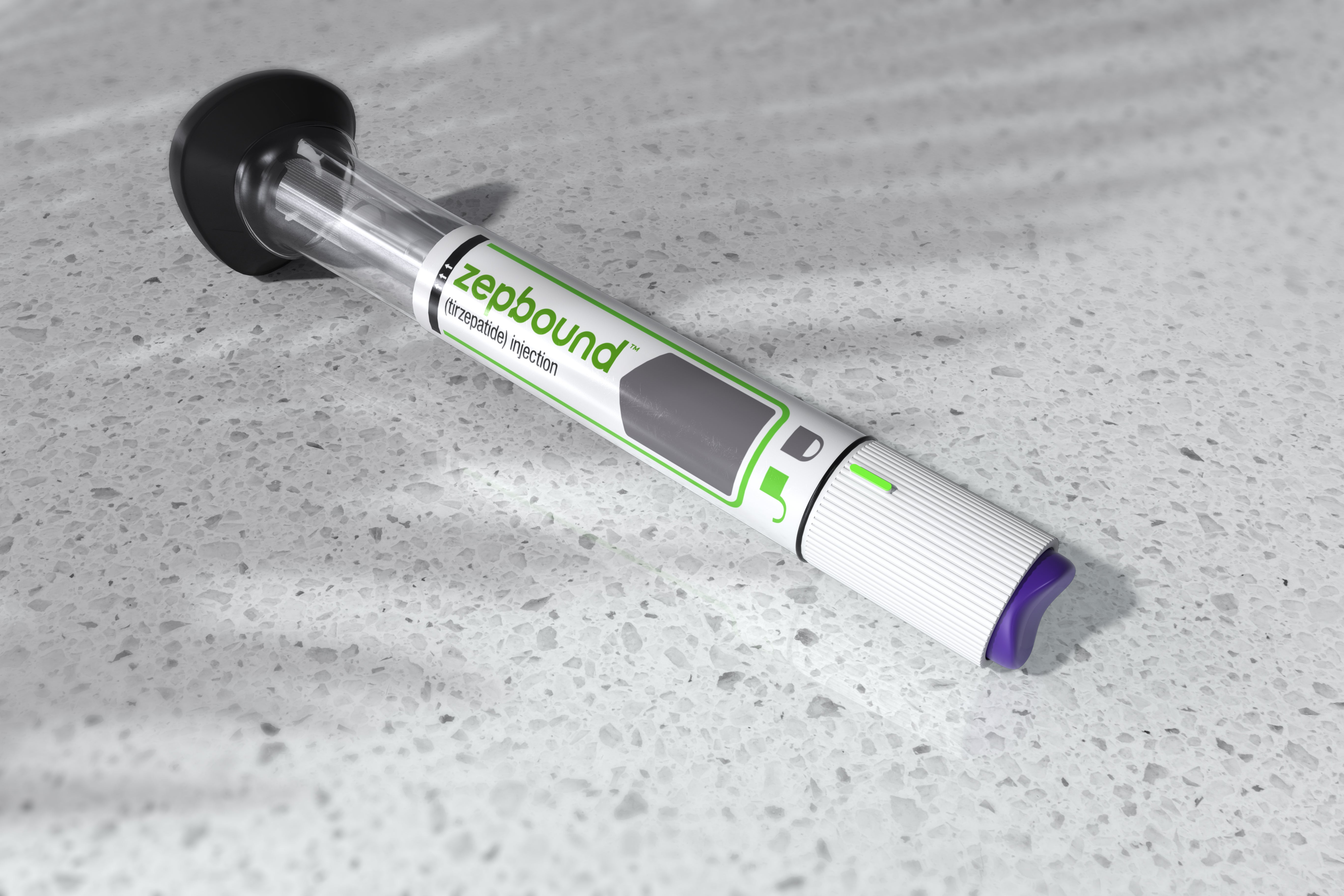
What are the more common side effects of Zepbound?
Some individuals may notice mild to more significant side effects while using Zepbound. Commonly reported reactions include:
- nausea and vomiting
- diarrhea
- constipation
- abdominal pain
- indigestion (upset stomach)
For additional information, see “Gastrointestinal (digestive system) side effects” in the “Side effects explained” section later in this article.
What are the mild side effects of Zepbound?
Mild side effects have been observed with Zepbound. These may include:
- nausea and vomiting
- diarrhea
- constipation
- abdominal discomfort
- bloating, gas, or belching
- indigestion or heartburn
- injection-site reactions, such as bruising, itching, or rash
- fatigue (low energy)
- hair thinning or loss
- dizziness
- mild allergic response
See the “Side effects explained” section later for more on some of these reactions.
Usually, these side effects are temporary and may be manageable. If symptoms persist or are bothersome, consult your doctor or pharmacist. Do not discontinue Zepbound unless advised by your healthcare provider.
Zepbound may cause other mild side effects beyond those listed. Refer to the drug’s prescribing information for more details.
What are the serious side effects of Zepbound?
Serious adverse events have been reported with Zepbound. These include:
- severe gastrointestinal complications
- pancreatitis (inflammation of the pancreas)
- gallbladder issues, like gallstones
- low blood sugar (hypoglycemia)
- kidney injury
- boxed warning: potential risk of thyroid cancer
- severe allergic reaction
- suicidal thoughts or behaviors
Suicidal thoughts or behavior were not seen in Zepbound studies, but this effect has been observed with other medications for long-term weight management.
See the “Side effects explained” section for more detail about some of these issues.
If you experience serious side effects while taking Zepbound, contact your healthcare provider immediately. If you believe you’re having a life-threatening emergency, call 911 or your local emergency number without delay.
Note: After the FDA approves a medication, it continues to monitor reported side effects. If you want to report a side effect from Zepbound, you can submit information to the FDA via MedWatch.
Help is out there
If you or someone you know is in crisis and thinking about suicide or self-harm, seek immediate support:
- Call or text the 988 Suicide and Crisis Lifeline at 988 or chat at 988lifeline.org. Counselors are available 24/7 for free, confidential support.
- Text HOME to the Crisis Text Line at 741741 to connect with a volunteer crisis counselor, free and confidential, 24/7.
- Outside the United States? Find a helpline in your country via Befrienders Worldwide.
- Call 911 or your local emergency services number if it’s safe to do so.
If you’re calling for someone else, remain with them until help arrives. Remove weapons or harmful substances if you can safely do so. If you’re not physically present, stay on the phone with them until help gets there.
FAQ about Zepbound’s side effects
Answers to commonly asked questions about Zepbound’s side effects.
How do side effects of Zepbound compare with those of Wegovy?
Zepbound and semaglutide (Wegovy) are both used for weight loss and long-term weight management. They are similar and can produce many of the same adverse effects.
For instance, both frequently cause gastrointestinal reactions such as nausea, vomiting, and diarrhea. These are more common when starting treatment and generally diminish over time.
Both Zepbound and Wegovy also carry a boxed warning about a potential thyroid cancer risk. See the “Side effects explained” section for more on that warning.
To compare Zepbound and Wegovy in more detail, discuss with your doctor or pharmacist.
Does Zepbound cause long-term side effects?
Long-term effects were not reported in the clinical studies of Zepbound. Still, further research is needed to determine whether long-term risks exist.
If you’re worried about potential long-term effects from Zepbound, consult your healthcare provider.
Can Zepbound cause muscle pain?
Muscle pain was not listed as a reported side effect in the studies of Zepbound.
However, muscle pain could arise indirectly from other Zepbound-related issues. For example, gallbladder disease might cause pain in the upper right abdomen, and an inflammatory allergic response could cause generalized muscle aches.
If you experience muscle pain while on Zepbound, inform your doctor. They can determine the cause and suggest suitable treatments.
Are there Zepbound coupons and savings options?
You may find prescription coupons or discount offers on medication savings websites that reduce the out-of-pocket cost for Zepbound. These discounts typically can’t be combined with insurance copays or benefits, but the cash price might be lower than your insured cost.
Side effects explained
More detail on some side effects Zepbound may produce.
Risk of thyroid cancer
Zepbound carries a boxed warning about a potential increased risk of thyroid cancer. A boxed warning is the FDA’s most serious caution and highlights potentially dangerous effects.
In animal studies, tirzepatide—a drug’s active ingredient—was associated with thyroid tumors. It’s not known whether Zepbound causes thyroid cancer in people; animal results don’t always predict human outcomes.
Symptoms that may indicate thyroid cancer include:
- swelling or a lump in the neck
- difficulty swallowing or breathing
- persistent hoarseness
Your risk for thyroid cancer may be increased if:
- you or a family member has had medullary thyroid cancer
- you have multiple endocrine neoplasia type 2, a condition that increases thyroid cancer risk
Because of this possible risk, doctors are likely to avoid prescribing Zepbound if these risk factors apply.
What might help
If you take Zepbound, talk with your healthcare provider about thyroid cancer symptoms to watch for.
If you notice potential thyroid cancer symptoms while taking Zepbound, contact your doctor promptly. They may order tests to evaluate your thyroid.
If you have concerns about this warning, discuss them with your doctor.
Gastrointestinal (digestive system) side effects
Zepbound can cause both mild and serious digestive side effects.
The following mild digestive reactions were commonly reported in clinical trials:
- nausea or vomiting
- diarrhea or constipation
- abdominal pain
- indigestion (upset stomach)
Less commonly reported mild digestive effects included belching, flatulence (gas), and bloating.
Although uncommon, some digestive side effects can become severe. Zepbound may also cause serious gastrointestinal conditions, such as pancreatitis and gallbladder disease, including gallstones.

What might help
Mild gastrointestinal side effects typically subside within a few days to a couple of weeks. If symptoms persist or worsen, inform your doctor. They can suggest treatments and home remedies to ease symptoms. You can also try measures to relieve nausea, diarrhea, or constipation.
Ask your doctor which symptoms of serious digestive issues you should monitor while receiving Zepbound. If you develop such symptoms, contact your healthcare provider promptly so they can identify the cause and recommend timely treatment.
If you have existing digestive issues, tell your doctor before starting Zepbound. They may suggest an alternative treatment.
Kidney problems
Kidney complications, including acute (sudden) kidney injury, were a rare finding in studies of Zepbound. Signs of kidney problems may include:
- dark-colored urine
- reduced urination
- fatigue (low energy)
- swelling in the legs or ankles
- confusion
Having chronic kidney disease increases the risk of kidney complications from Zepbound.
Other risk factors include severe nausea, vomiting, or diarrhea. Those digestive side effects are common with Zepbound and are usually mild, but if they become severe they can cause fluid loss and dehydration, which in turn may lead to kidney injury.
What might help
To reduce the chance of dehydration-related problems, doctors typically start Zepbound at a low dose and increase it gradually. Follow your prescriber’s dosage instructions carefully.
If you experience nausea, vomiting, or diarrhea while on Zepbound, drink ample fluids to stay hydrated. If symptoms are severe or persistent, consult your doctor. They may prescribe medication to manage symptoms or reduce your Zepbound dose in some cases.
If you notice signs of kidney trouble during treatment, contact your doctor right away so they can test your kidney function.
Discuss any concerns about kidney risks with your healthcare provider.
Allergic reaction
As with most medications, Zepbound can trigger an allergic reaction in some people. This was a rare event in clinical studies.
Symptoms may range from mild to severe and can include:
- skin rash
- itching
- flushing (temporary warmth, redness, or deepening of skin color)
- swelling beneath the skin (often in eyelids, lips, hands, or feet)
- swelling of the mouth, tongue, or throat, which may interfere with breathing
What might help
If you have mild allergy symptoms, such as a minor rash, call your doctor promptly. They may recommend treatments like:
- an oral antihistamine, for example Benadryl (diphenhydramine)
- a topical product, such as hydrocortisone cream
If your doctor confirms a mild allergic reaction to Zepbound, they will decide whether it’s safe for you to continue the medication.
If you have severe allergic symptoms—such as swelling that affects breathing—call 911 or your local emergency number immediately. These reactions can be life threatening and require urgent care.
If a serious allergic reaction to Zepbound is confirmed, your doctor may recommend switching to a different therapy.
Keeping track of side effectsDuring Zepbound treatment, consider keeping a record of any adverse effects you experience. Sharing these notes with your healthcare provider can be especially useful when starting a new medication or combining treatments.Your notes might include:what dose you were taking when the side effect occurred how soon the side effect began after that dose what symptoms you had how symptoms affected daily life what other medications you were using any other relevant detailsTracking and sharing this information helps your doctor understand how Zepbound affects you and can guide adjustments to your treatment.
Warnings for Zepbound
Important information to consider before using Zepbound.
Boxed warning: Risk of thyroid cancer
Zepbound carries a boxed warning about the potential risk of thyroid cancer. This is the FDA’s most serious type of warning.
For more information, refer to the “Side effects explained” section.
Other warnings
Zepbound can sometimes have harmful effects in people with certain medical conditions—this is called a drug-condition interaction. Other factors may also influence whether Zepbound is a suitable option for you.
Discuss your medical history with your doctor before starting Zepbound. Be sure to mention if any of the following apply to you:
- kidney disease
- severe digestive conditions, such as gastroparesis (delayed stomach emptying)
- past pancreatitis (inflammation of the pancreas)
- diabetic retinopathy (eye disease related to diabetes)
- previous allergic reaction to Zepbound
- pregnancy
- breastfeeding
- history of depression or suicidal thoughts
- planned surgery
Alcohol and Zepbound
No known interactions between alcohol and Zepbound have been identified. Drinking alcohol while on Zepbound is generally considered safe.
If you have questions about alcohol use during Zepbound therapy, talk with your doctor or pharmacist.
Pregnancy and breastfeeding with Zepbound
Doctors are unlikely to prescribe Zepbound to someone who is pregnant or breastfeeding.
Pregnancy
Zepbound is not safe during pregnancy. Weight loss during pregnancy could harm a developing fetus. If you are pregnant or planning to become pregnant, consult your doctor before using Zepbound.
If you can become pregnant, your doctor may advise using contraception while on Zepbound. Be aware that Zepbound can reduce the effectiveness of birth control pills. Your provider may recommend using alternative or additional contraceptive methods for the first 4 weeks after starting Zepbound and for 4 weeks after any dose increases.
If you become pregnant while taking Zepbound, stop using it and speak with your doctor. You may also consider enrolling in the medication’s pregnancy registry by calling 800-545-5979. Pregnancy registries collect information on the safety of drugs used during pregnancy; your doctor can provide details.
Breastfeeding
It’s not known whether Zepbound is safe during breastfeeding. If you are breastfeeding or plan to breastfeed, discuss this with your doctor before starting Zepbound.
Disclaimer: HealthEH has made every effort to ensure the information presented here is accurate, comprehensive, and current. However, this article is not a substitute for professional medical advice. Always consult your doctor or another qualified healthcare professional before taking any medication. Drug information can change and may not include all possible uses, directions, precautions, warnings, drug interactions, allergic reactions, or adverse effects. The absence of certain warnings does not mean a drug or drug combination is safe, effective, or appropriate for all patients or all uses.
For related guidance on diet after dental procedures, see what to eat after wisdom teeth removal, and for information about sleepiness with similar medications, see does zepbound make you sleepy.




















Leave a Reply
You must be logged in to post a comment.