

Omega-3 fatty acids, engaging in memory-based activities like Free and easy crossword puzzles, and staying physically active are among the supportive strategies that may help improve symptoms of chemo brain.

If you’ve recently completed cancer treatment, you may notice trouble concentrating, forgetfulness, slower thinking, or a persistent sense of mental cloudiness. These cognitive changes are often referred to as “chemo brain.” For many individuals, these symptoms can affect daily routines, work performance, and overall quality of life.
While chemotherapy is commonly associated with these cognitive challenges, it’s not the only cause. Radiation therapy, hormone therapies, and even the cancer itself can contribute to changes in memory and thinking skills. The broader term for this condition is cancer-related cognitive impairment (CRCI), which reflects the cognitive impact of both cancer and its treatments.
Currently, no medications are specifically approved to treat chemo brain. However, ongoing research continues to explore supportive, non-pharmacological options. Evidence suggests that cognitive training, regular physical activity, and certain supplements may offer meaningful benefits for brain health and cognitive resilience during recovery.
Cognitive exercises for chemo brain
Cognitive training exercises are considered one of the most effective non-drug approaches for managing chemo brain. These activities are designed to stimulate neural pathways, strengthen memory, and enhance processing speed. Over time, consistent mental engagement may promote neuroplasticity — the brain’s ability to adapt and reorganize.
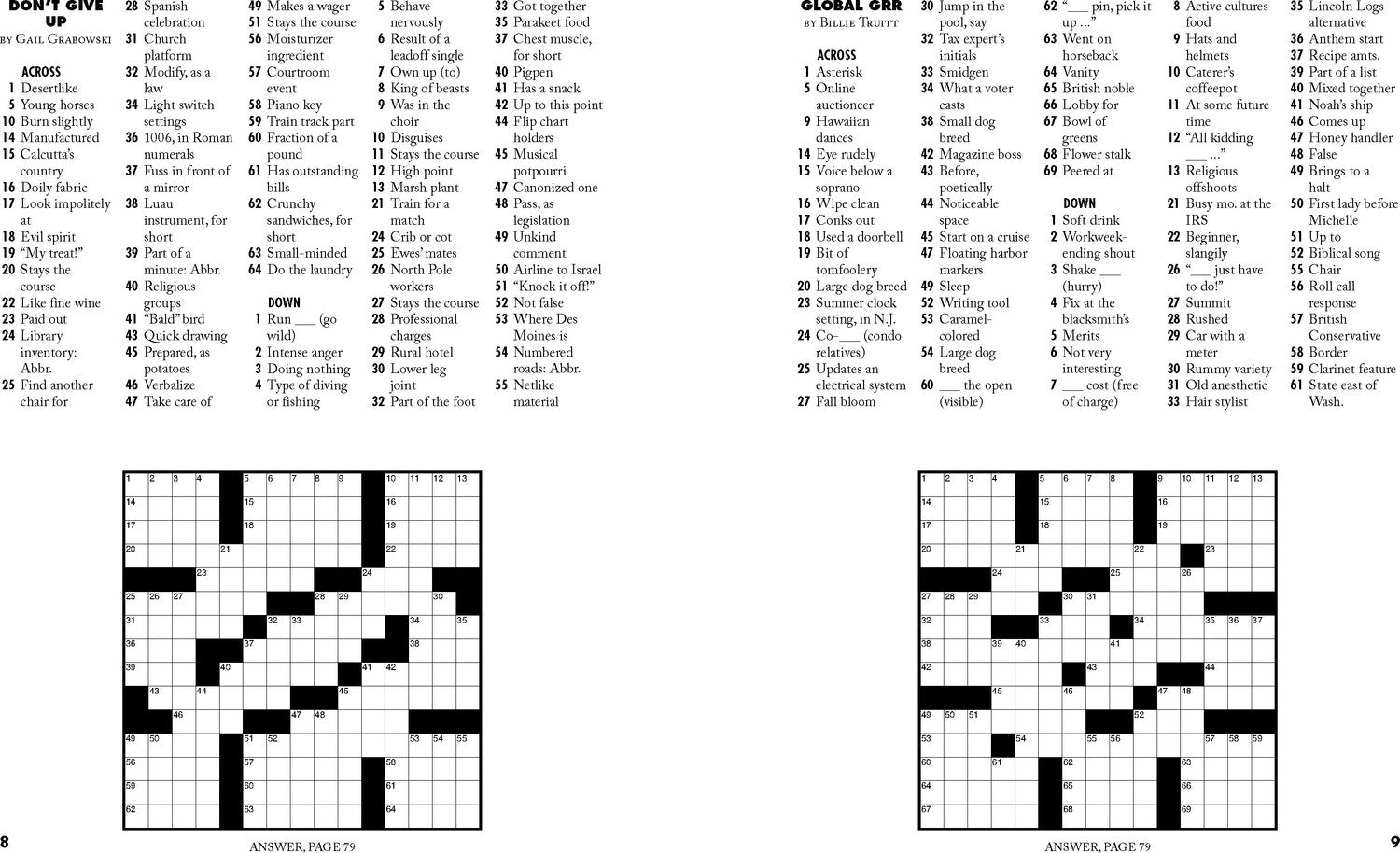
Incorporating structured brain activities into your routine, such as Free and easy crossword puzzles, can provide accessible mental stimulation while supporting attention and verbal skills.
Here are several cognitive exercises that may help support mental clarity and focus:
- Memory games: Engage in card-matching activities, word recall challenges, or Sudoku to strengthen attention span and working memory.
- Brain teasers: Solve riddles, logic puzzles, and analytical problems that require reasoning and critical thinking.
- Crossword puzzles: Completing crossword puzzles can improve vocabulary, language skills, and concentration. You can Play crossword puzzles memory exercise free to stimulate cognitive pathways in an enjoyable way.
- Reading and learning: Reading books, articles, or educational content keeps the brain active and helps maintain comprehension and vocabulary.
- Mindfulness meditation: Mindfulness practices can sharpen focus, decrease stress, and enhance emotional well-being. In one study involving 117 breast cancer survivors, both mindfulness-based intervention and physical training reduced cognitive complaints and improved psychological health.
- Jigsaw puzzles: Working on jigsaw puzzles may enhance visual-spatial reasoning and attention to detail.
- Computer- or video game-based cognitive training: Digital cognitive training platforms can challenge memory, reaction time, and executive function. Many people choose to Play crossword puzzles memory exercise free online as a convenient brain-training option at home.
A study of 46 women with breast cancer and cognitive impairment evaluated two groups. One group began a 6-month web-based cognitive video game training program immediately, while the other received standard care for 3 months before starting the same training.
Both groups experienced improvements in cognitive performance over time. The early intervention group reported enhanced perceived thinking ability and demonstrated measurable gains in tasks involving reaction time and memory.
Although these findings are encouraging, researchers note that more studies are needed to clarify the precise role of video game–based cognitive training in improving CRCI.
Natural treatments for chemo brain
In addition to mental exercises, lifestyle approaches that combine physical movement and stress reduction may further support cognitive health and overall recovery.
- Aerobic exercise: Activities such as brisk walking, jogging, swimming, or cycling can increase cerebral blood flow, encourage neuroplasticity, and help maintain cognitive performance.
- Resistance (strength) training: Strength-building exercises using weights or resistance bands may enhance overall physical fitness, which is closely connected to brain health.
- Mind-body exercises: Practices like yoga and tai chi emphasize balance, coordination, and controlled breathing, potentially improving cognitive processing and body awareness.
- Mindfulness meditation: Regular mindfulness practice can lower stress hormones, ease anxiety, and promote clearer thinking, which may help reduce symptoms of chemo brain.
A systematic review of 29 trials examined how physical and mind-body exercises affected CRCI in women with breast cancer.
Among the 29 trials, 45% (13 trials) reported that exercise improved cognitive outcomes. Two studies specifically found that aerobic or combined aerobic and resistance training positively influenced objective cognitive test scores. While the overall evidence remains limited, these findings suggest that structured physical activity may contribute to improved CRCI outcomes.
Establishing a consistent weekly routine that combines cardiovascular movement, strength training, and mentally engaging activities like crossword solving may offer complementary benefits for brain recovery.
What supplements help with chemo brain fog?
Several dietary supplements are being investigated for their potential role in reducing chemo brain fog. Before starting any supplement, it is essential to consult your oncology team to ensure it does not interfere with cancer treatment or reduce treatment effectiveness.
Fish oil (omega-3 fatty acids)
Omega-3 fatty acids, especially EPA and DHA found in fish oil, play a vital role in maintaining brain structure and cognitive function.
A study in rodents found that omega-3 fatty acids taken alongside doxorubicin chemotherapy may protect against depression-like behaviors, decrease brain inflammation, and help prevent neural damage.
However, the same study noted that consuming a high-sugar diet could negate the cognitive benefits of omega-3 supplementation, highlighting the importance of balanced nutrition during treatment and recovery.
Acetyl-L-Carnitine (ALC)
Acetyl-L-Carnitine (ALC) is an amino acid derivative believed to support mitochondrial energy metabolism in the brain and provide antioxidant effects. Although direct research on ALC for chemo brain is limited, dementia research suggests that ALC may help slow cognitive decline.
Probiotics
Probiotics are beneficial live microorganisms that support gut health. Through the gut-brain axis, these microbes may influence mood, cognition, and inflammation.
In a study involving 159 breast cancer patients undergoing chemotherapy, probiotic supplementation reduced the incidence of CRCI and improved cognitive performance.
Curcumin
Curcumin, the active compound in turmeric, is known for its antioxidant and anti-inflammatory properties.
An analysis of 8 trials including 389 participants found that curcumin was associated with improved working memory and faster processing speed. It has also been shown to reduce certain side effects linked to chemotherapy and radiotherapy.
Antioxidants
Antioxidants such as vitamins E and C may help protect brain cells from oxidative stress. Research indicates that cisplatin, a chemotherapy drug, can generate free radicals that cause oxidative damage in organs throughout the body.
Supplementing with antioxidants like vitamins E and C may help counterbalance this oxidative stress, although supplementation should always be discussed with a healthcare provider to avoid potential interactions.
Takeaway
Supportive strategies — including cognitive exercises, mind-body practices, and carefully selected supplements — show potential in addressing chemo brain, a common form of cancer-related cognitive impairment experienced after treatment.
Emerging research indicates that combining structured mental stimulation, such as Free and easy crossword puzzles, with regular physical activity and medical guidance may help enhance memory, concentration, and overall cognitive function during recovery.
If you or someone close to you is experiencing cognitive challenges following cancer treatment, incorporating these natural approaches into a comprehensive care plan may be beneficial. Always consult your healthcare team before beginning any new supplement or major lifestyle change to ensure safety and compatibility with your treatment plan.






















Leave a Reply
You must be logged in to post a comment.