Best Brain and Memory Games for Dementia


Key takeaways
- Brain-stimulating games may help support cognitive abilities in dementia, including memory, reasoning, and communication. However, findings are mixed, so they should not be considered a guaranteed treatment.
- Research on exergames and computerized cognitive training has shown improvements in working memory and executive function. Some studies have also associated training with increased gray matter volume.
- Activities such as word puzzles, jigsaw puzzles, card games, board games, and video games may help keep the brain mentally active. For advanced dementia, simpler options like music, photographs, or reminiscing may be more appropriate.
Dementia leads to a gradual decline in a person’s cognitive (thinking) abilities, which are essential for managing daily life and maintaining independence.
Individuals living with dementia may struggle with memory, reasoning, judgment, or language skills. As these abilities diminish, completing routine activities can become increasingly challenging and may affect overall quality of life.
Although there is currently no cure for dementia, certain interventions can help ease symptoms and enhance day-to-day functioning. One frequently discussed strategy involves using memory-focused activities—such as word games or even encouraging someone to Play crossword puzzles memory exercise free—to promote mental stimulation in a supportive and engaging way.

In this article, we review the scientific evidence behind brain games and cognitive training, explore how they may influence thinking skills, and outline some of the most beneficial brain-stimulating games for people with dementia.
How can brain games help people with dementia?
Games are widely recognized as enjoyable pastimes that keep the mind occupied. More importantly, they may also activate neural pathways involved in memory, attention, and problem-solving. This stimulation can be particularly valuable for older adults and those at higher risk of dementia or mild cognitive impairment.
For instance, a 2019 study involving older adults examined the impact of 16 weeks of combined physical and cognitive “exergame” training. Researchers observed significant improvements in working memory and executive function, both of which are critical for planning and decision-making.
Another 2019 study evaluated computerized cognitive training in areas such as reasoning, memory, language, and attention among individuals with mild cognitive impairment. Findings indicated that this training increased the brain’s gray matter volume and may help maintain overall cognitive performance.
These results are meaningful because dementia involves progressive loss of cognitive skills, including memory retention, reasoning, and communication. Emerging research suggests that structured cognitive activities—such as digital brain training programs or opportunities to engage in Free and easy crossword puzzles—may help reinforce neural connections and support cognitive resilience.
A 2020 review analyzed studies on serious games in dementia care. Researchers categorized three primary types of games and their potential benefits:
- Board games: May enhance cognitive skills such as memory, communication, and emotional regulation.
- Video games: Can be tailored to specifically target abilities like memory, reasoning, and attention.
- Virtual reality games: Depending on design, these may provide both cognitive stimulation and physical engagement.
The review reported that individuals in early and middle stages of dementia who used serious games demonstrated improvements in multiple areas, including:
- short-term memory
- reaction time
- problem-solving
- logical reasoning
- communication
Despite encouraging findings, the overall body of evidence remains somewhat inconsistent. A more recent analysis examining brain games and cognitive impairment concluded that brain games were not significantly more effective at enhancing thinking ability compared with certain control interventions.
In summary, while brain-stimulating activities show potential in dementia care, further high-quality research is needed to determine how effective they truly are in slowing cognitive decline or improving daily functioning.
What are the best games to play for dementia?
For many years, experts have recognized that games can activate important cognitive processes. However, different games train different skills. Choosing activities that align with an individual’s cognitive level and interests is key to maximizing engagement and benefit.
Below are several types of games that may help support diverse cognitive functions in people with dementia:
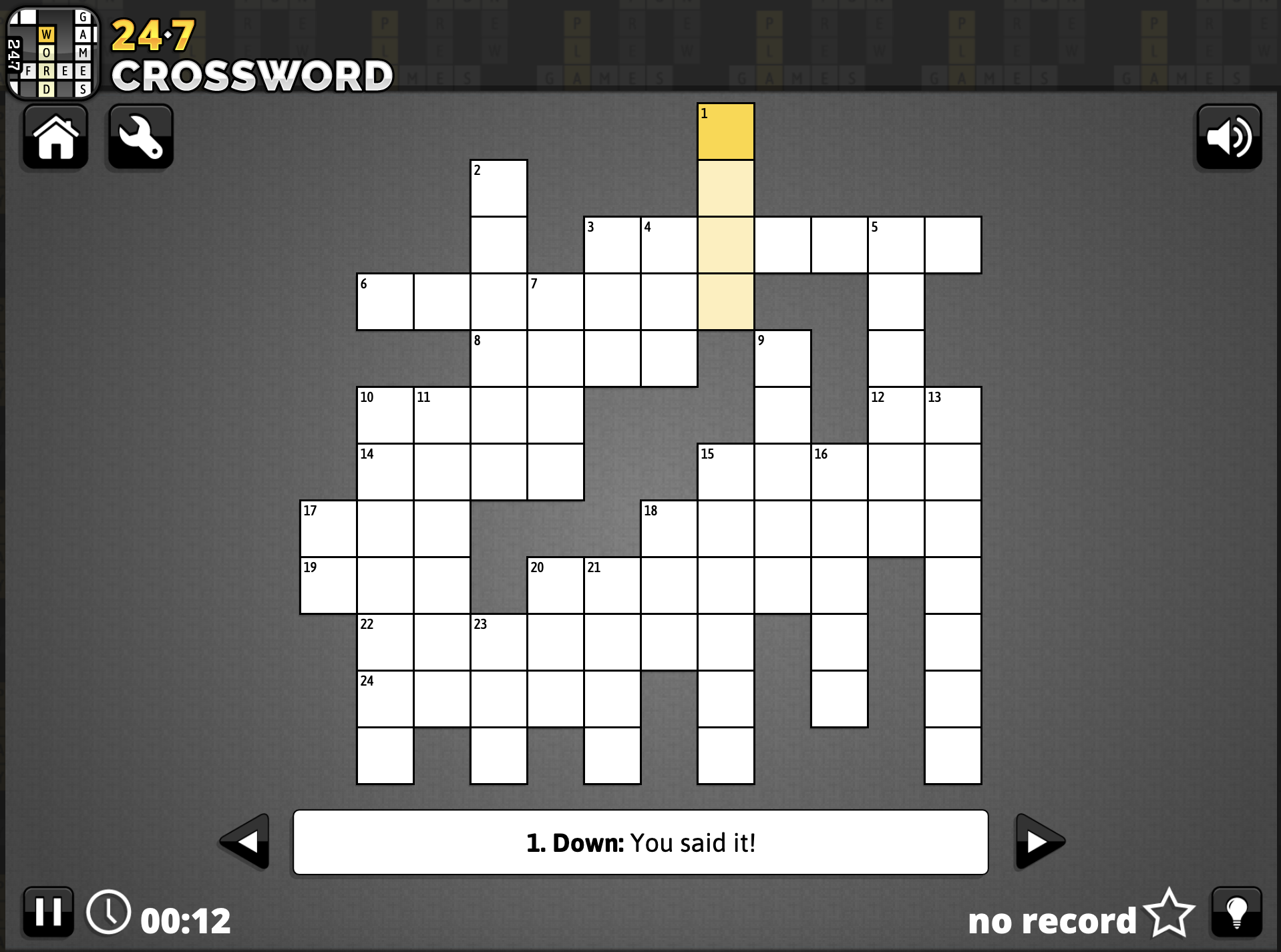
- Word puzzles: These include crosswords, word searches, and anagrams. Earlier research suggests that crosswords may help delay the onset of memory loss in early dementia, potentially by building up neural pathways responsible for retaining knowledge. Regularly choosing to Play crossword puzzles memory exercise free online may offer consistent mental stimulation without added cost.
- Jigsaw puzzles: Long-term participation in jigsaw puzzles may have positive effects on cognition, potentially slowing aspects of age-related cognitive decline or the progression of dementia.
- Dice games: Dice-based activities often combine chance with strategy, making games like Yahtzee and Bar Dice enjoyable and mentally engaging. A 2020 study of the Chinese game Mahjong found that playing for 12 weeks may benefit older adults with mild cognitive Impairment.
- Card games: Popular options such as Go Fish, Bridge, Uno, and Solitaire encourage memory, sequencing, and strategic thinking. A 2022 Chinese study reported that playing cards may be associated with better cognitive function among older adults.
- Board games: Games like Monopoly or Chess incorporate structured rules, planning, and often additional elements like cards or dice. A 2019 study found that playing board games may help reduce cognitive decline in individuals ages 70 to 79.
- Video games: These range from console and computer games to mobile apps. Overall, research indicates that brain training games can enhance cognitive function in older adults. Examples include TETRIS, Candy Crush Saga, Wii Sports, and digital versions of word puzzles and board games.
Incorporating a mix of these activities can help stimulate various aspects of cognition, including memory recall, processing speed, and executive function. Consistency and enjoyment are often more important than difficulty level.
Free games to play on your cellphone
Whether you prefer card games, strategy-based challenges, or word puzzles, there are numerous free mobile options available. Accessible digital tools can make it easier to maintain a routine of cognitive stimulation.
- Blackbox – Brain Puzzlesfor iPhone
- Scrabble GO for iPhone and Android
- Words with Friends for iPhone and Android
- Wordle on the New York Times website
- Candy Crush Saga for iPhone and Android
- Cookie Run: Kingdom for iPhone and Android
What other activities can help people with dementia?
While games can be beneficial, they are only one component of a comprehensive approach to cognitive support. According to the Alzheimer’s Association, several additional activities may help maintain engagement and mental stimulation:
- Reading: This may include books, poetry, magazines, newspapers, comics, or digital articles. Reading encourages language processing and comprehension.
- Entertainment: Watching television programs or listening to radio broadcasts can provide mental engagement and enjoyment.
- Arts: Creative outlets such as painting, drawing, or playing musical instruments allow for emotional expression and sensory stimulation.
- Learning: Taking a class, watching educational videos, or listening to podcasts can reinforce cognitive pathways and promote lifelong learning.
For individuals with severe dementia, complex tasks may become overwhelming. In such cases, simpler sensory-based activities—like listening to familiar music, browsing photo albums, gentle conversation, or reminiscing about meaningful life events—may be more appropriate and comforting.
Takeaway
Dementia affects approximately 5 million adults ages 65 and older in the United States, and projections indicate that this number will rise significantly in the coming decades.
Scientific evidence suggests that brain-stimulating games and other mentally engaging activities may enhance cognitive function in older adults and could potentially lower the risk of developing dementia.
However, the precise impact of brain games on dementia prevention and treatment remains uncertain. More rigorous research is necessary to clarify how effective these interventions truly are.
Even so, activities like word puzzles, card games, and digital brain training programs offer a safe, accessible, and enjoyable way to keep the mind active. Regardless of age, maintaining mental engagement—whether through structured cognitive training or simply choosing to Play crossword puzzles memory exercise free online—can be a rewarding part of a healthy lifestyle.
FAQ
Yes, brain-stimulating games may help support cognitive abilities such as memory, reasoning, and communication in individuals with dementia, though research findings are mixed and they are not a guaranteed treatment.
Recommended games include word puzzles (like crosswords), jigsaw puzzles, card games, board games, and certain video games, which can help activate memory, problem-solving, and other cognitive functions.
Yes, many free online options exist, including digital crossword puzzles, word search apps, and mobile games like Scrabble GO or Words with Friends, which provide accessible mental stimulation.
Crossword puzzles may help delay memory loss in early dementia by building neural pathways responsible for retaining knowledge, offering consistent and engaging mental exercise.
For advanced dementia, simpler sensory-based activities like listening to familiar music, looking at photographs, or gentle reminiscing are often more appropriate and comforting than complex games.






Related Posts

Stretches to Do at Work Every Day
Sep 21, 2026 • 23 min read
A Review of Priority STD
Jul 30, 2026 • 8 min read
What Is Sweet Annie and What Are the Benefits?
Aug 19, 2026 • 9 min read
Everything You Need to Know about Sensory Deprivation Tank Therapy
Aug 11, 2026 • 18 min read
Top 10 Benefits of Sleeping Naked
Aug 27, 2026 • 3 min read