
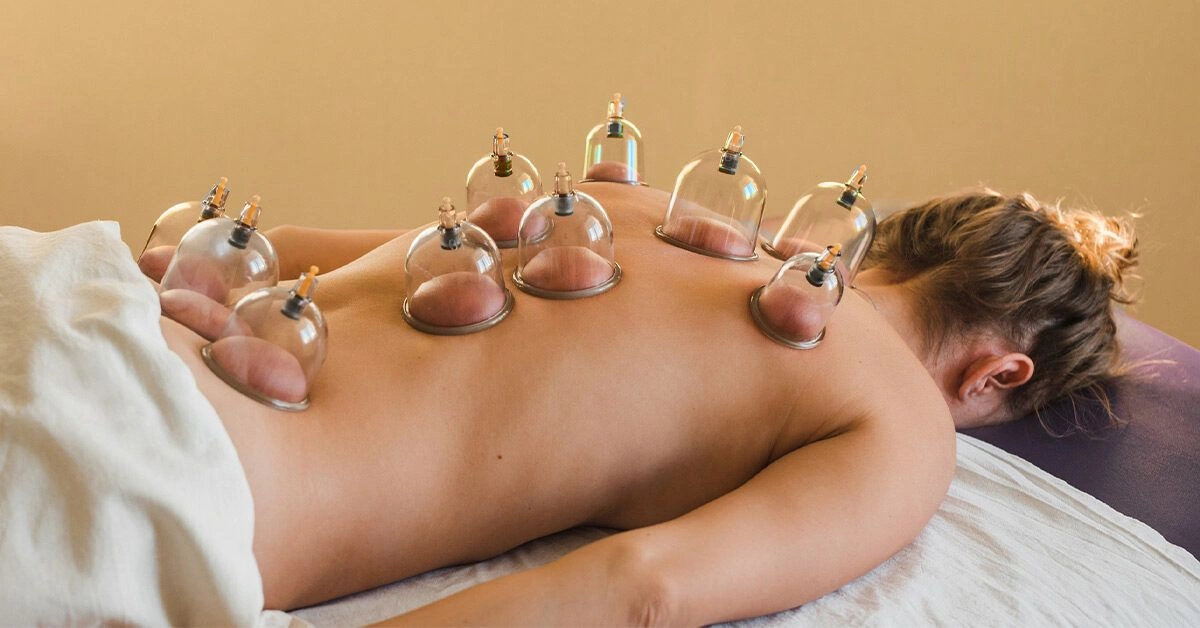
Cupping is an alternative therapy that uses suction created by glass, plastic, or silicone cups placed on the skin. This technique is believed to enhance blood circulation, support immune function, assist in toxin removal, and ease discomfort. While many people seek it for pain relief and wellness, understanding Cupping side effects day after treatment is equally important for making informed decisions.
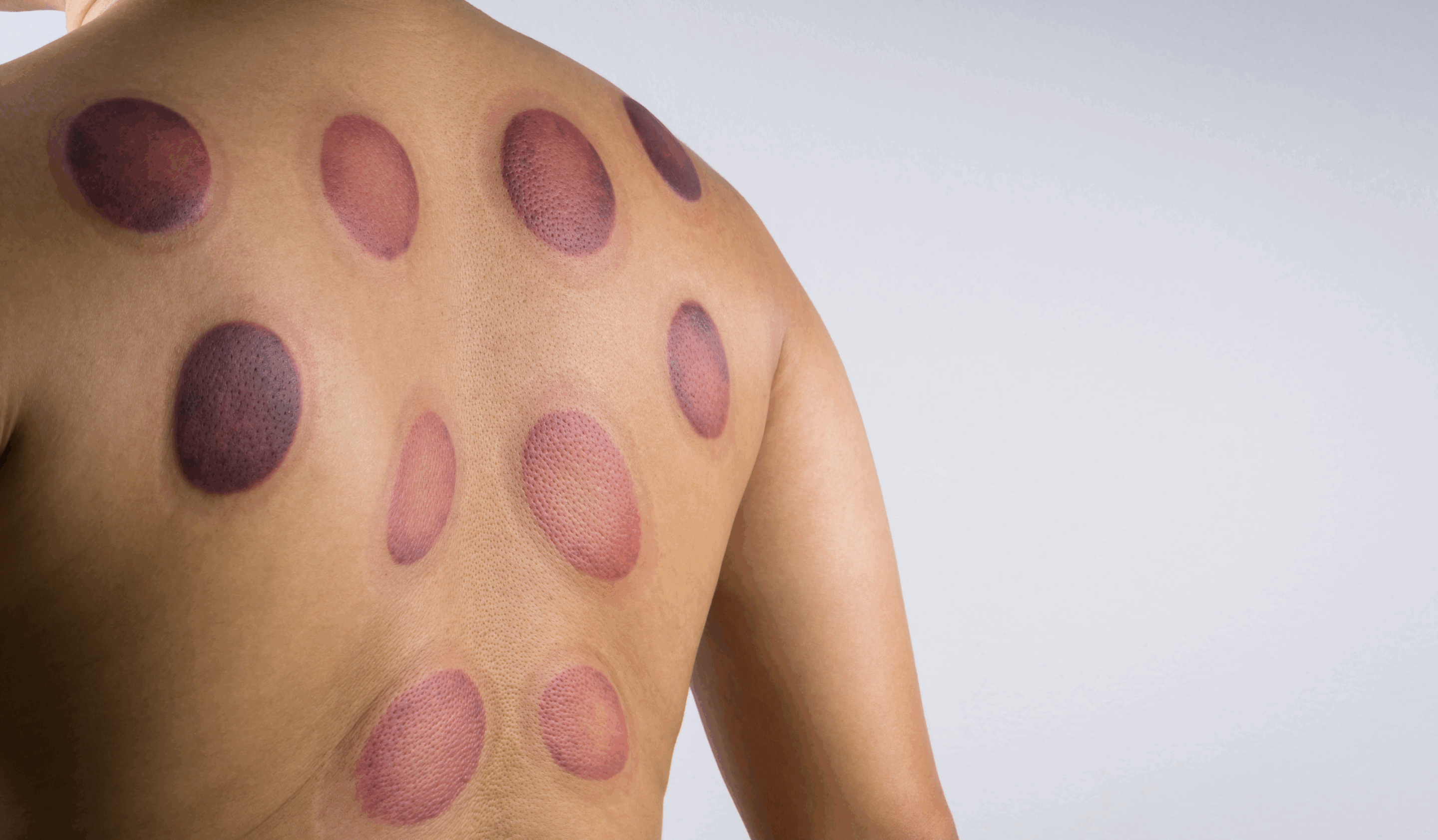
You may have seen celebrities appearing in public with circular marks on their backs. These distinctive spots are often the result of cupping therapy. But what exactly does the treatment involve, and what should you expect afterward?
Cupping is a form of alternative medicine in which cups are applied to the skin to generate suction. This negative pressure is thought to stimulate the flow of energy within the body and promote natural healing responses.
One of the earliest written references to cupping therapy appears in Eber’s papyrus (1550 B.C.) from Ancient Egypt. The practice is also deeply rooted in Chinese, Unani, traditional Korean, and Tibetan healing systems.
Greek physician Hippocrates, often called the “father” of medicine, documented detailed descriptions of cupping methods in his medical writings.
Today, cupping therapy is most commonly offered by practitioners of Traditional Chinese Medicine.
Supporters suggest that the suction created by the cups helps move “qi” throughout the body. Qi is a Chinese term referring to vital life energy.
Many practitioners believe cupping helps harmonize yin and yang — the opposing yet complementary forces in the body. Reestablishing balance between these forces is thought to enhance resistance to pathogens, improve circulation, and alleviate pain.
By increasing blood flow to the targeted area, cupping may reduce muscle tightness, enhance overall circulation, and support tissue repair. It may also stimulate the formation of new connective tissue and encourage the development of fresh blood vessels.
People often incorporate cupping into their care plans for a wide range of symptoms and chronic conditions.
Is it scientifically proven?
A growing body of scientific research is examining how and why cupping therapy may be effective.
A 2018 review of studies reported that cupping therapy demonstrated benefits across various conditions categorized as localized or systematic diseases.
Cupping is believed to ease symptoms by enhancing peripheral (near the skin) blood circulation and strengthening immune responses.
According to the 2018 review, potential effects of cupping therapy include:
- enhancing blood flow in the skin
- altering the skin’s biomechanical characteristics
- raising pain thresholds
- improving local anaerobic (without oxygen) metabolism
- lowering inflammation
- strengthening cellular immunity
A 2017 study found that the mechanical suction from cupping boosts localized circulation and stretches underlying tissues.
Activation of Heme oxygenase-1, a gene essential in preventing vascular inflammation, may explain several of cupping therapy’s reported local and systemic effects.
A 2019 study indicated that no single theory fully accounts for cupping’s overall impact, but proposed mechanisms include:
- modifying pain signal processing
- using counter-irritation to reduce pain
- stimulating blood circulation through nitric oxide release
- triggering the immune system via artificial local inflammation
- increasing immune mediators such as interferon and tumor necrotizing factor
- enhancing lymphatic circulation
- lowering uric acid and both types of cholesterol
- modifying the molecular structure and function of hemoglobin (Hb)
Although these findings are promising, higher-quality research is still necessary to validate the therapeutic mechanisms and confirm long-term outcomes.
Does cupping remove toxins?
Some evidence suggests that cupping may assist in removing toxins by stimulating immune responses both locally and systemically.
It may also support the elimination of uric acid, a natural waste product formed during the digestion of certain foods. Elevated uric acid levels can increase acidity in the blood and urine.
Cupping may positively influence the lymphatic system, which plays a role in clearing waste from the body. Impaired lymph flow can lead to fluid retention and reduced toxin elimination.
Similar to lymphatic drainage massage, cupping may encourage lymph movement and reduce fluid accumulation. However, more research is needed to conclusively establish its detoxifying effects.
It’s also essential to understand the potential Dangers of cupping if procedures are performed improperly or without appropriate hygiene standards.
What are the different types of cupping?
Cupping likely began with the use of animal horns. Later, practitioners used bamboo and ceramic cups.
Traditionally, suction was created using heat. Cups were warmed with fire and then placed on the skin. As the air cooled, a vacuum formed, drawing the skin upward.
Modern cupping commonly uses bell-shaped glass cups, though plastic and silicone versions are also available.
There are four primary types practiced today:
- Dry cupping: suction only
- Wet/bleeding cupping: suction combined with controlled medicinal bleeding
- Running cupping: suctioned cups moved across oiled skin
- Flash cupping: rapid, repeated suction and release
Cupping may also incorporate:
- acupuncture needles
- moxibustion (burning mugwort leaves)
- magnets
- laser therapy
- electrical stimulation
- water
- herbs
Subtypes include facial, sports, orthopedic, and aquatic cupping.
The chosen technique depends on your practitioner’s expertise, your medical condition, and personal preferences.
What should I expect during a cupping treatment?
Cupping is sometimes combined with acupuncture. For optimal comfort, some practitioners recommend fasting or eating a light meal 2 to 3 hours beforehand.
During your appointment, you can generally expect:
- A discussion of your symptoms and medical history, particularly during your first visit.
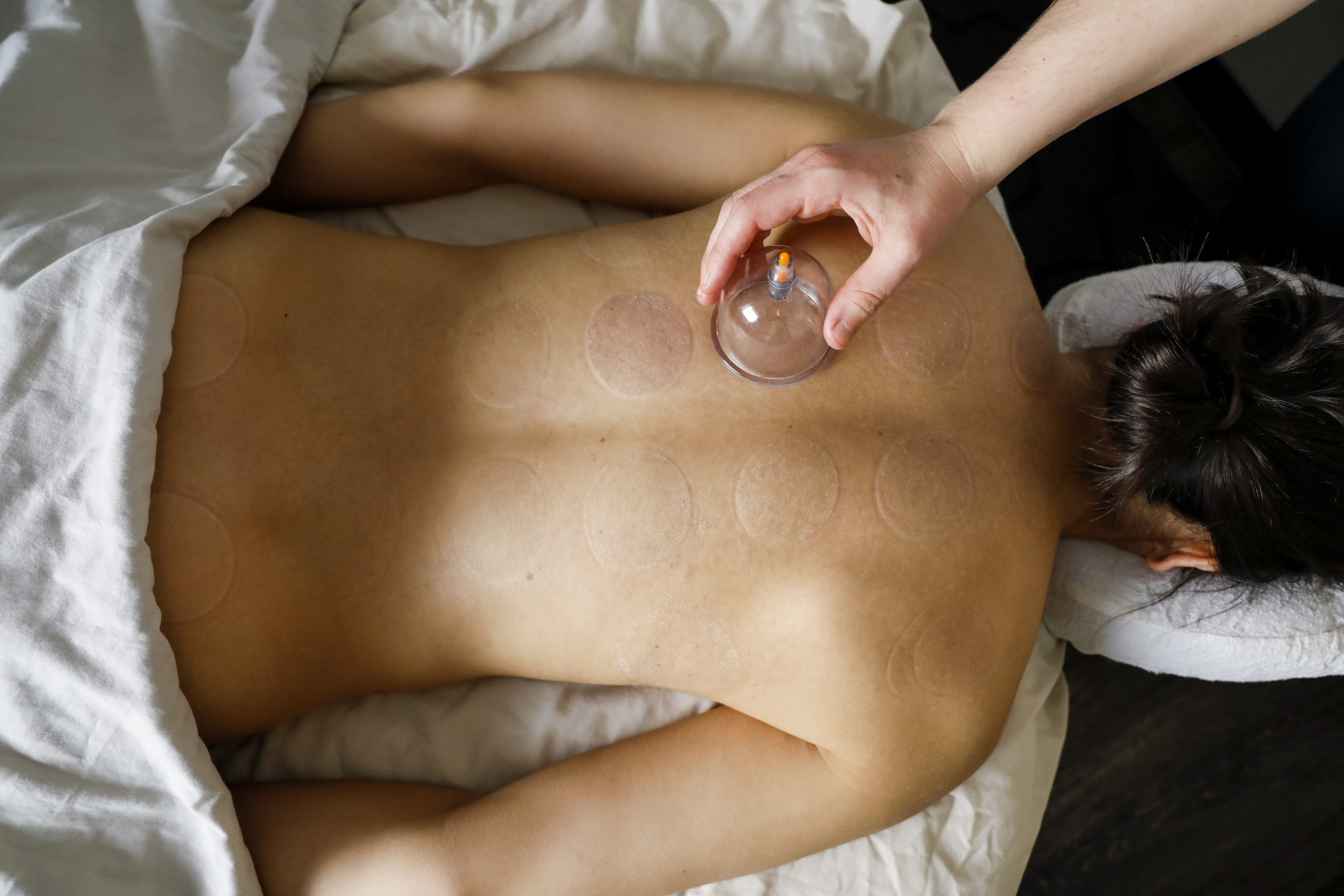
- Placement of cups on the skin.
- A noticeable suction sensation and pressure.
- Application using heat or mechanical suction.
- Removal of cups after several minutes.
- Temporary redness or mild bruising.
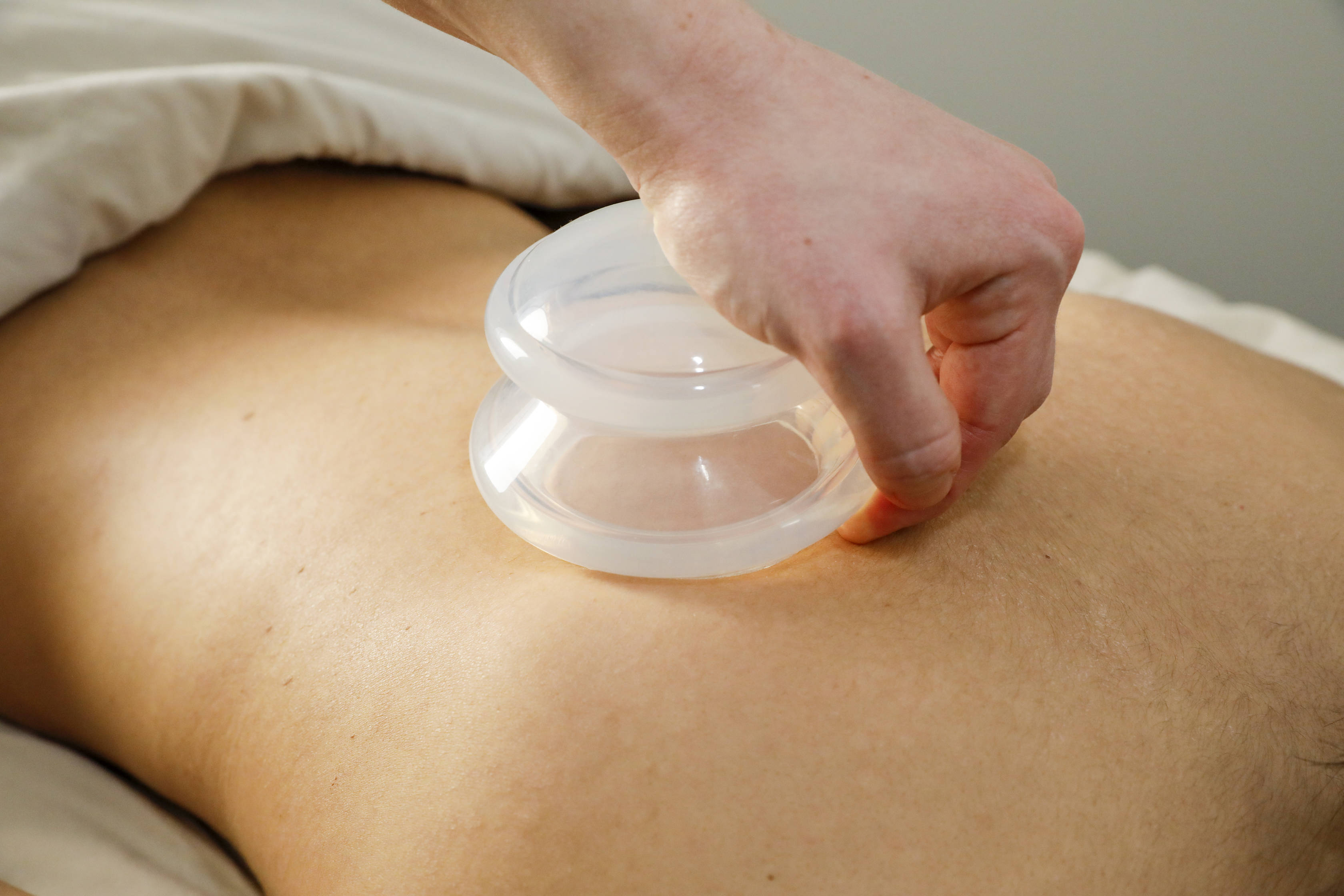
Always confirm which method — dry, wet/bleeding, running, or facial — will be used before starting treatment.
Where will my practitioner place the cups?
Cups are most frequently applied to the:
- back
- chest
- abdomen
- buttocks
- legs
The back is the most common treatment area. Facial cupping is used for cosmetic purposes.
How does the suction part work?
Traditionally, the inside of the cup is heated with alcohol, herbs, or paper before placement. Once positioned on the skin, the cooling air creates a vacuum effect.
This vacuum pulls skin and superficial muscle into the cup, often causing redness due to blood vessel expansion.
Many modern practitioners now use rubber pumps instead of heat to generate suction.
How long will my session last?
Dry cupping typically lasts between 5 and 10 minutes.
Wet/bleeding cupping involves a small incision before suction is applied to remove stagnant blood.
Running cupping includes applying oil and moving the cups across the skin, creating a massage-like effect. Sessions can range from 10 minutes to over an hour.
Flash cupping involves rapid suction and release cycles over 5 to 10 minutes.
How long will it take for cupping marks to disappear?
Discoloration or circular marks usually fade within 7 days. However, when discussing Cupping side effects day after treatment, mild tenderness, bruising, or fatigue may still be noticeable for 24 to 48 hours.
What conditions can cupping treat?
Cupping has been used for numerous conditions, especially those involving muscle pain and tension.
Because cups are often applied to acupressure points, the therapy may also help digestive and skin-related concerns.
Conditions that may benefit include:
- lower back pain
- neck and shoulder pain
- headache and migraine
- knee pain
- shingles
- facial paralysis
- cough and dyspnea
- acne
- lumbar disc herniation
- cervical spondylosis
- brachialgia
- carpal tunnel syndrome
- hypertension
- diabetes mellitus
- rheumatoid arthritis
- asthma
More comprehensive research is needed to determine its full effectiveness.
Side effects
Most side effects are mild and temporary. Understanding Cupping side effects day after a session can help set realistic expectations.
- circular marks
- skin discoloration
- dizziness
Some individuals report lightheadedness, mild nausea, or sweating during or shortly after treatment.
Post-treatment irritation, tenderness, or mild discomfort at incision sites (in wet/bleeding cupping) may occur.
Other possible risks include:
- skin scarring
- hematoma (bruising)
If you experience persistent pain, signs of infection, or unusual symptoms, consult your practitioner promptly. Cases of Cupping therapy gone wrong are uncommon but typically related to poor sterilization or improper technique.
Verify that your practitioner is accredited with the National Certification Commission for Acupuncture and Oriental Medicine (NCCAOM).
Infection risk is low but possible, especially with wet/bleeding cupping. Proper sanitation and post-treatment care significantly reduce this risk.
Things to keep in mind
Cupping therapy is not appropriate for everyone.
Avoid cupping if you take blood-thinning medication or if you have:
- a sunburn
- a wound
- a skin ulcer
- recent trauma
- an internal organ disorder
- thin skin
Cups should not be placed on:
- veins
- arteries
- nerves
- skin inflammation or lesions
- body orifices
- eyes
- lymph nodes
- varicose veins
Although many physicians lack formal training in complementary and alternative medicine (CAM), informing your doctor before starting cupping is advisable.
Cupping should complement — not replace — conventional medical treatment.
Preparing for your cupping appointment
Cupping is a long-standing therapy that may help relieve both short-term and chronic symptoms.
If you decide to try it, use it alongside your regular medical care.
- What conditions does the practitioner specialize in?
- Which cupping technique will be used?
- Is the clinic clean and compliant with safety standards?
- Does the practitioner hold certifications?
- Is cupping appropriate for your condition?
Discuss any alternative therapies with your healthcare provider before beginning.
Takeaway
Cupping is an ancient healing method that uses suction through glass, plastic, or silicone cups. It may enhance circulation, strengthen immune function, and ease discomfort.
Awareness of Cupping side effects day after treatment — such as mild bruising, fatigue, or skin sensitivity — helps set realistic expectations and promotes safer outcomes.
Although evidence continues to grow, further high-quality research is required to fully understand the benefits and mechanisms of cupping therapy.












Leave a Reply
You must be logged in to post a comment.