

It’s been a long, hard day, and soaking in a hot tub may be just the therapy you need to unwind and escape. Aside from helping you relax, it turns out that spending time in a hot tub may provide other benefits, too.
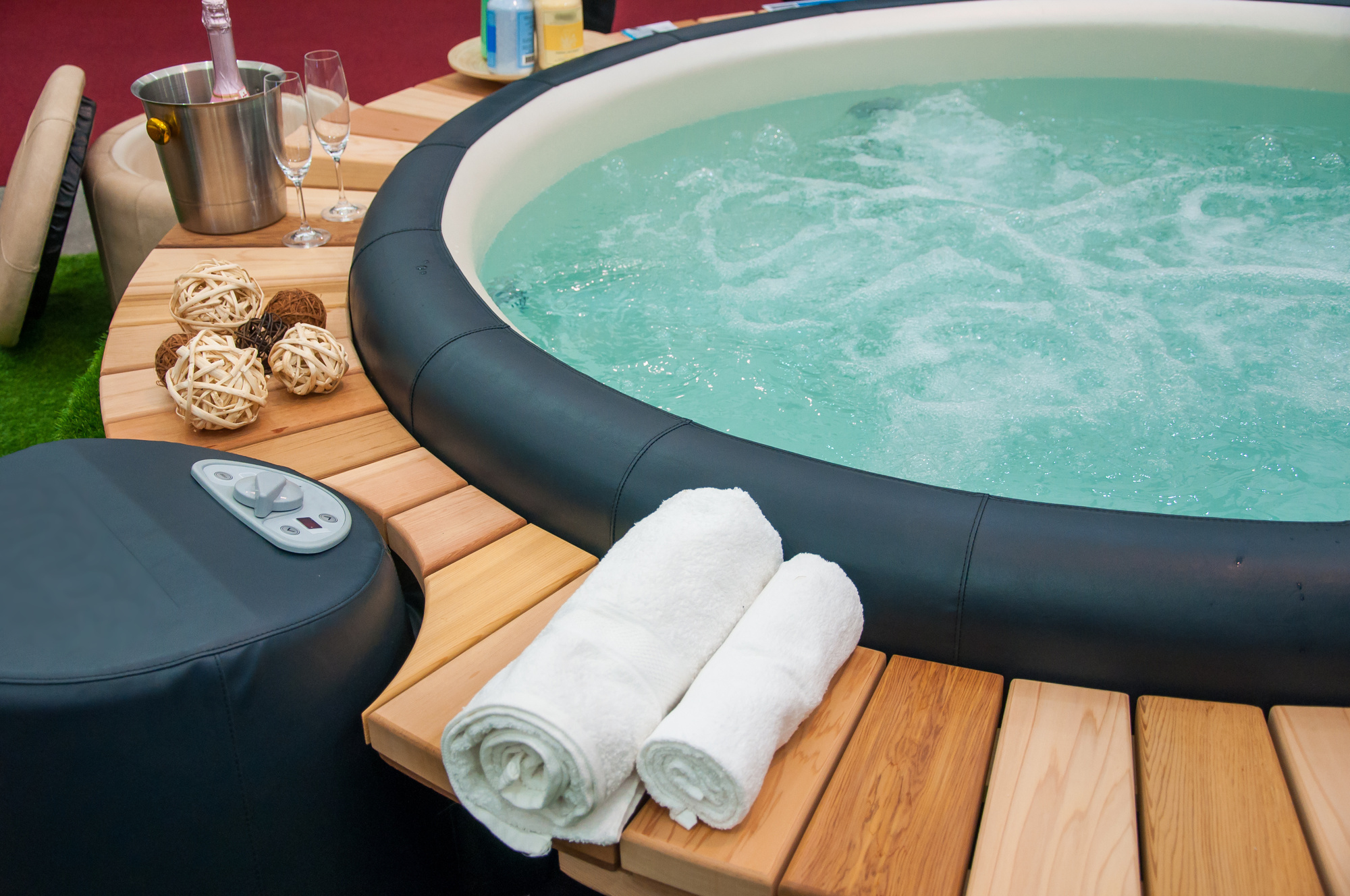
Whether you’re a hot tub owner or make use of your gym’s Jacuzzi, there are some important things you need to know to get the most out of your hot tub experience.
Let’s explore some potential health benefits of soaking in a hot tub and when it may be safer to avoid it.
What are the health benefits of using a hot tub?
The possible advantages of using a hot tub differ among individuals. Much depends on your general health and how you use it.
Below are seven potential benefits of soaking in a hot tub.
1. Stress relief
One of the most noticeable perks of a hot tub is its ability to help melt away the stresses of the day. The calming warmth and the jets’ massage-like action may help ease physical, emotional, and mental tension.
If you wish, you can boost this relaxation further with gentle music, dim lighting, or aromatherapy.
2. Muscle relaxation
The heated water and massaging jets in a hot tub can effectively loosen and calm tight, tense muscles, helping to relieve aches and soreness.
Soaking in a hot tub before a workout may also help lower the chance of injury.
3. Improved sleep
Research suggests the basic relaxation from a hot tub soak might be enough to help you fall into deeper, more restful sleep. Hydrotherapy — warm water combined with massage — similar to a hot tub session may also raise levels of hormones like histamine and serotonin that support sleep.
A 2023 review of studies found that hydrotherapy improves the Pittsburgh Sleep Quality Index (PSQI), a tool used to measure sleep quality.
4. Pain relief
A hot tub soak can ease certain types of pain by relaxing tight muscles, joints, and tendons.
For people with arthritis, the heat and jet massage of a hot tub may reduce stiffness and inflammation that contribute to discomfort.
A 2021 study reported that hydrotherapy, akin to hot tub use, was more effective than physiotherapy at improving pain, stiffness, and muscle strength after total knee replacement.
Water supports the body and relieves weight on joints, which can boost flexibility and range of motion. A warm bath may offer some of these same advantages.
5. Better cardiovascular health
Sinking into a hot tub can increase heart rate and reduce blood pressure.
A 2020 Japanese study involving over 30,000 people tracked for 19 years found that those who regularly took very hot baths had a reduced risk of cardiovascular disease. More studies are needed to clarify this relationship.
An earlier 2016 study suggested that hot water immersion can have “robust” effects on blood vessel function and blood pressure. The researchers proposed that passive heat therapy might lower cardiovascular risk and mortality, particularly for people who are unable to exercise much.
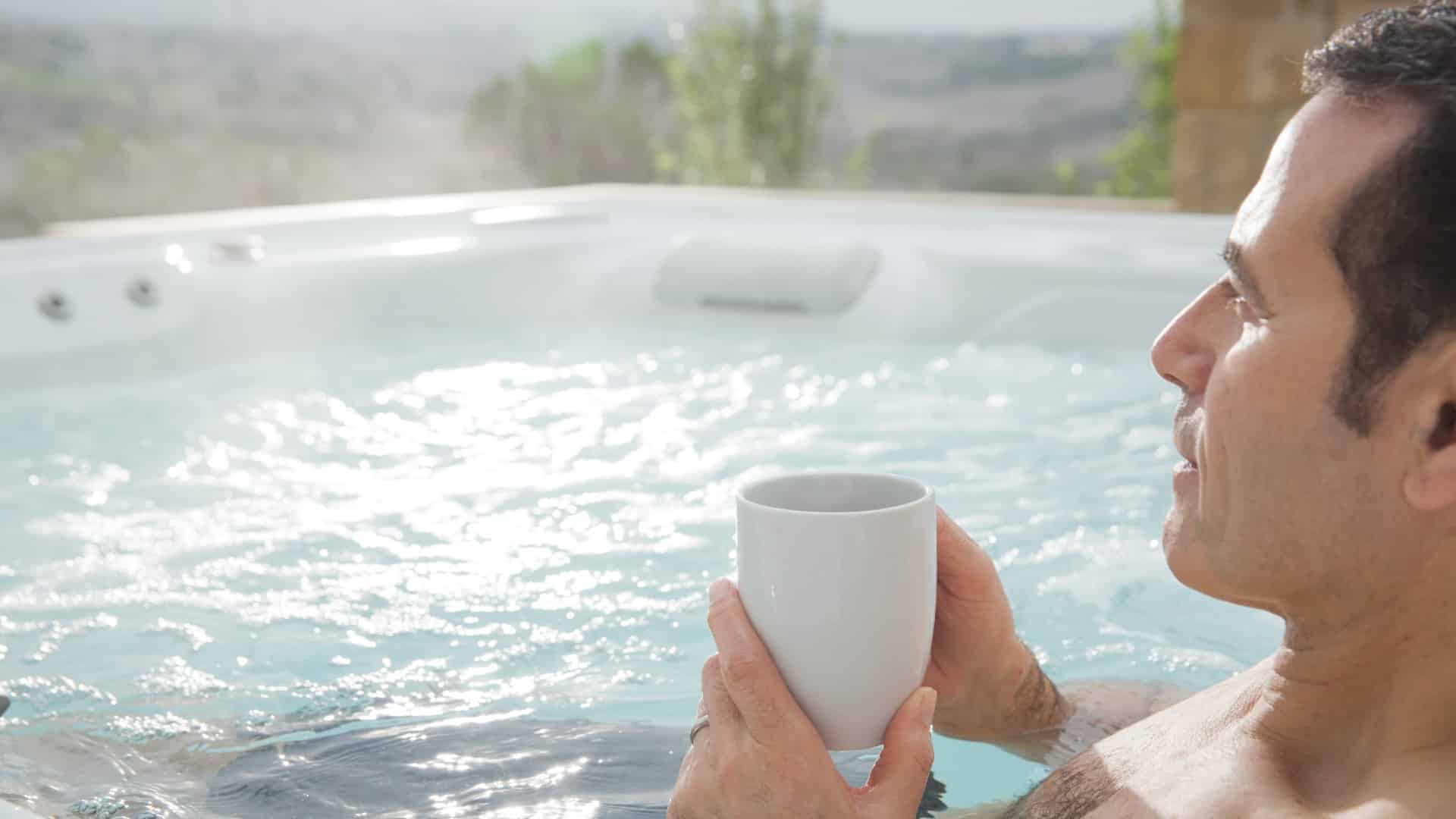
6. Improved insulin sensitivity
A small 2018 study compared sedentary overweight men who completed a 2-week program of 10 hot water immersion sessions with a control group that did not. Both groups had blood tests taken at the same times.
Ultimately, the hot water immersion group showed lower fasting blood glucose levels and reduced fasting insulin.
Another 2019 study indicates that routine thermal therapy using hot baths or saunas may improve glucose tolerance and insulin sensitivity in people with significant insulin resistance. This suggests that hot tub use could help in diabetes management.
7. Calorie burn
While it doesn’t replace the full benefits of exercise, passive heat from hot tubs or saunas may offer some metabolic advantages, like enhanced cardiorespiratory fitness, vascular function, and metabolism.
In a small 2016 study, participants who sat in a waist-deep hot bath for an hour burned about as many calories as during a 30-minute walk. That doesn’t mean it should replace exercise, but it could support metabolism, especially for those who have difficulty exercising.
Who should avoid hot tubs?
If you have concerns about hot tub use, discuss them with your physician. This is particularly important in these situations:
- Pregnancy: Pregnant people can overheat easily, which may be harmful to both parent and baby.
- Heart disease: Hot tub soaking can change heart rate and blood pressure. While this might help some with cardiovascular issues, it could be risky for others.
You may also want to steer clear of hot tubs if you have:
- Skin injuries: Wait for cuts, open wounds, or rashes to heal to lower the risk of irritation and infection.
- Low blood pressure: If you’re prone to lightheadedness or fainting, hot water might drop your blood pressure further and be unsafe.
- Urinary tract infection (UTI): Exposure to hot water while you have a UTI may worsen symptoms.
How to benefit from your hot tub session
Whether you use a private hot tub or one at a gym or community center, ensure the tub is clean and routinely serviced. Water should be filtered and tested regularly. A poorly maintained hot tub can cause a skin infection known as hot tub folliculitis.
Movies, TV shows, and social media often show people lounging in a hot tub for hours with a cocktail. That’s neither ideal nor safe.
Here’s how to enjoy your hot tub soak to gain benefits and reduce risks:
- Avoid very hot water: Keep the temperature at or below 104°F (40°C).
- Stay hydrated: Hot tubs cause sweating and can dehydrate you. Drink water, and avoid alcohol before or during your soak.
- Limit your time: Don’t stay too long, especially if you’re unaccustomed. At the highest temperature, limit sessions to 10–15 minutes. You can extend time at lower temperatures if you’re acclimated. Get out immediately if you experience any of the following: lightheadedness, dizziness, nausea, skin discoloration, or shortness of breath.
- Wash afterward: After soaking, remove your swimsuit and wash with soap and lukewarm water. Avoid going straight from hot water to icy cold, as that could spike your blood pressure.
Takeaway
Regular hot tub soaks may offer several health perks, including relaxed muscles, pain relief, and better sleep. Some studies indicate broader benefits, but further research is needed to define how hot tub therapy helps specific conditions.
Hot tubs must be well maintained to protect health and safety. Talk with your doctor if you have conditions such as heart disease. Avoid hot tubs during pregnancy or if you have open skin injuries.
When used responsibly, hot tubs are safe for most people.





















Leave a Reply
You must be logged in to post a comment.