
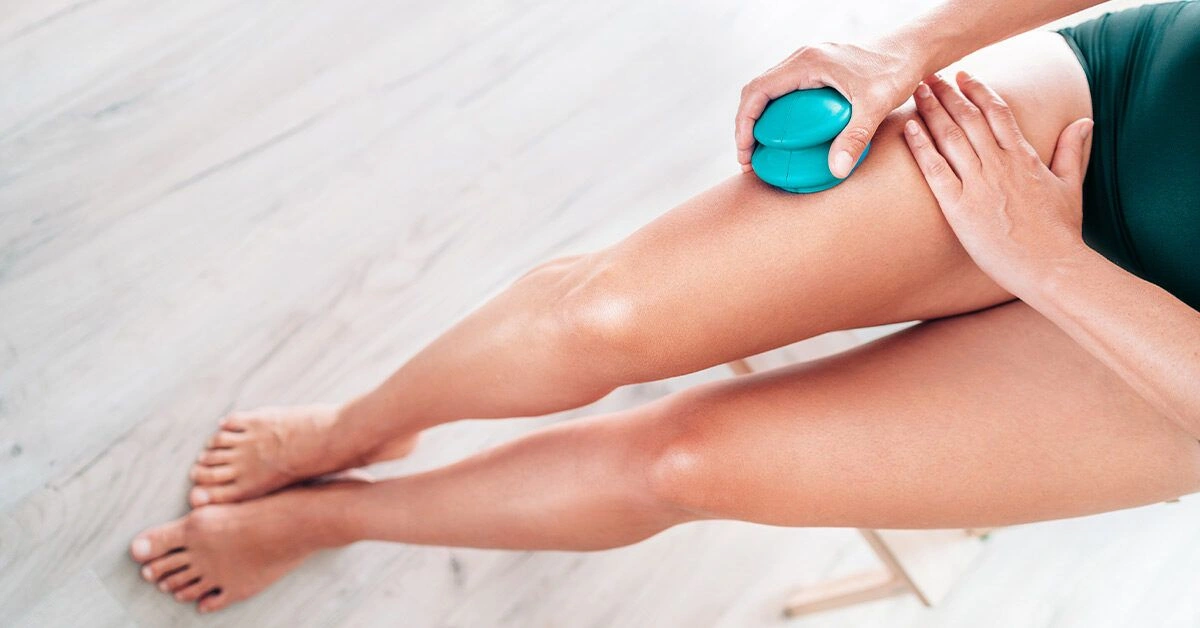

Cupping is an ancient therapeutic technique that has been practiced for thousands of years across various cultures.
This method involves placing the open rim of heated cups directly against the skin. As the air inside the cup cools or is mechanically suctioned out, a vacuum forms, gently drawing the surface tissue upward into the cup.
A licensed and properly trained practitioner may incorporate cupping therapy into a broader, individualized treatment strategy.
Cellulite refers to the dimpled appearance of fat deposits just under the skin’s surface. It’s extremely common, particularly among females, and may appear anywhere — most often on the:
- thighs
- hips
- buttocks
Although cellulite poses no medical risk, many people seek ways to minimize its appearance. It’s important to understand that cellulite cannot be permanently eliminated, and any cosmetic improvements tend to be temporary.
Cupping for cellulite is promoted as a way to enhance skin tone and texture by encouraging the drainage of excess fluids and metabolic byproducts. However, when not performed correctly, Cupping therapy gone wrong can lead to unwanted side effects, making proper technique and safety precautions essential.
Available research on cupping remains limited. Still, early evidence suggests that some individuals may notice short-term smoothing of cellulite.
Below, we’ll explore what current research indicates about cupping for cellulite reduction, discuss potential benefits and risks, and review how to approach this therapy safely.
Does cupping work for cellulite?
The exact mechanism behind cupping therapy is not fully understood.
One prevailing theory is that the negative pressure generated during cupping helps mobilize stagnant interstitial fluid, toxins, and chemical compounds — including lipids present in cellulite — directing them into the blood and lymphatic capillaries for removal. Improved microcirculation may also contribute to temporary skin tightening.
In addition, cupping appears to stimulate local blood flow and lymphatic drainage. This increased circulation may briefly smooth and firm the skin’s surface. However, these visible changes are generally short-lived.
Cups used for this therapy can be made of glass, bamboo, ceramic, or silicone. Suction is typically created by:
- heating the inside of the cup before placement to reduce oxygen
- using a mechanical vacuum pump
- gliding and massaging the cup across lubricated skin (dry-moving cupping therapy)
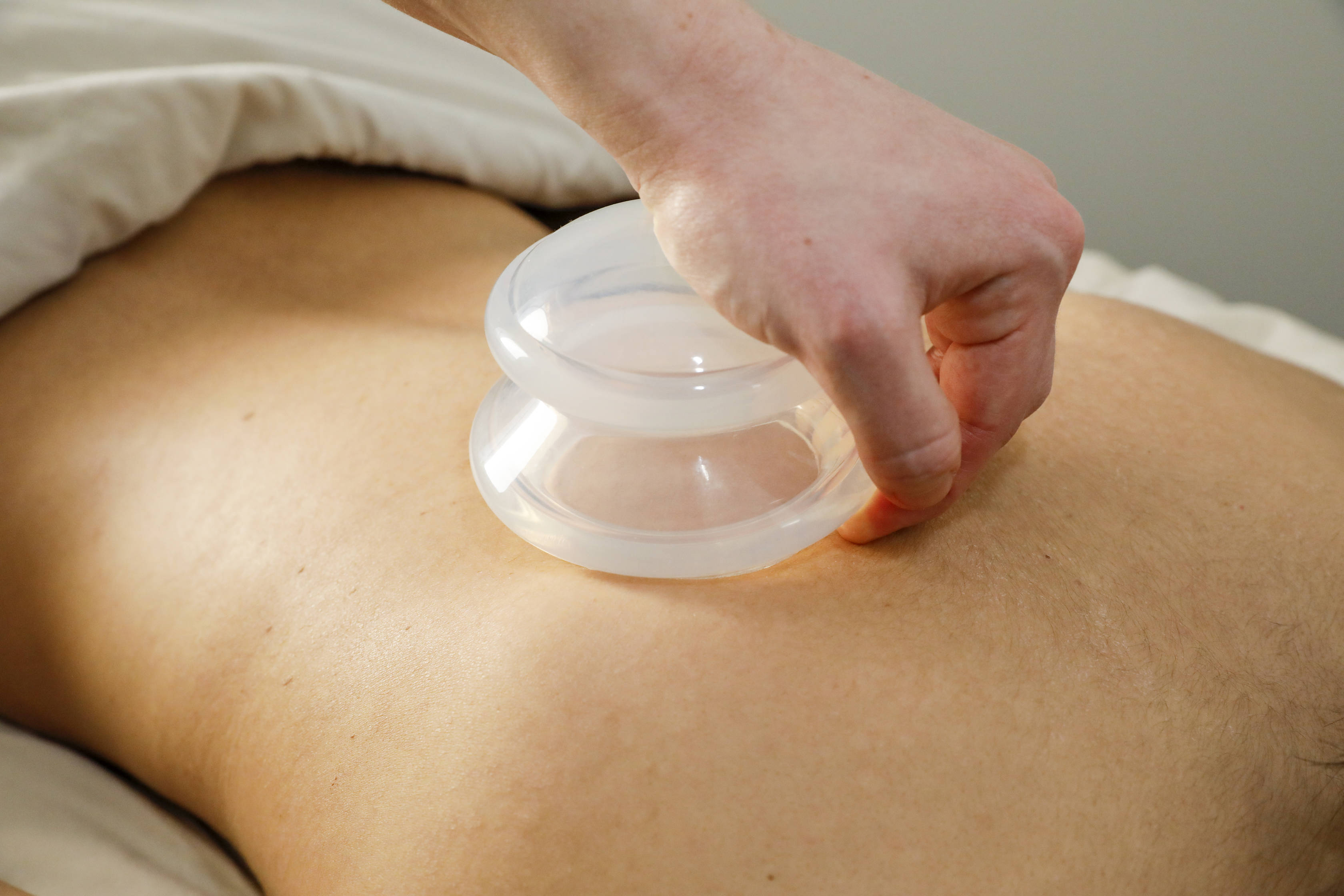
Wet cupping involves making small incisions so blood is drawn into the cup. For cellulite treatment, dry cupping is used, which does not puncture the skin.
What the research says
Scientific evidence focusing specifically on cupping for cellulite — and especially on long-term outcomes — remains scarce.
A small 2015 pilot study evaluated cupping therapy in 40 healthy female participants. Dry-moving cupping therapy was applied 10 times on each thigh over a period of 5 weeks. Researchers observed a reduction in the grade of cellulite following treatment.
According to the National Center for Complementary and Integrative Health, current evidence is insufficient to draw firm conclusions about cupping’s effectiveness. Many available studies have methodological limitations or small sample sizes.
It’s also worth noting that improper technique can increase the likelihood of complications. In cases of Cupping therapy gone wrong, individuals may experience burns, prolonged bruising, infection, or worsened skin conditions. Understanding the potential Dangers of cupping is crucial before starting treatment.
Other benefits of cupping
Historically, cupping has been applied for a wide range of concerns, from digestive complaints to musculoskeletal pain and visible veins.
A 2012 systemic review assessed clinical trials examining cupping therapy. The authors concluded that, when combined with other treatments such as medications or acupuncture, cupping may offer added benefit compared with a single therapy alone for:
- acne
- cervical spondylosis
- facial paralysis
- herpes zoster
However, most of the 135 trials reviewed carried a high risk of bias. Researchers emphasized the need for more rigorous, large-scale studies to confirm these findings.
A 2018 overview of scientific literature also suggests that cupping may:
- enhance blood flow to the skin
- raise pain threshold
- reduce inflammation
- influence the cellular immune system
While these physiological effects may explain temporary cosmetic improvements, they do not indicate permanent fat removal or structural changes to connective tissue.
Does cupping therapy for cellulite have any risks?
Dry cupping is generally considered noninvasive and relatively safe for most healthy adults. Still, it’s not suitable for everyone. Before undergoing treatment, consult a healthcare professional if you:
- are pregnant
- have heart disease
- take blood thinners
- have a pacemaker
- have hemophilia
Avoid cupping on areas with:
- sunburn
- open wounds or skin lesions
- recent trauma
- fractured bones
- varicose veins
- deep vein thrombosis
Mild discomfort during the procedure is common, but it should not be severely painful. Some individuals report lightheadedness or nausea.
Marks on your skin
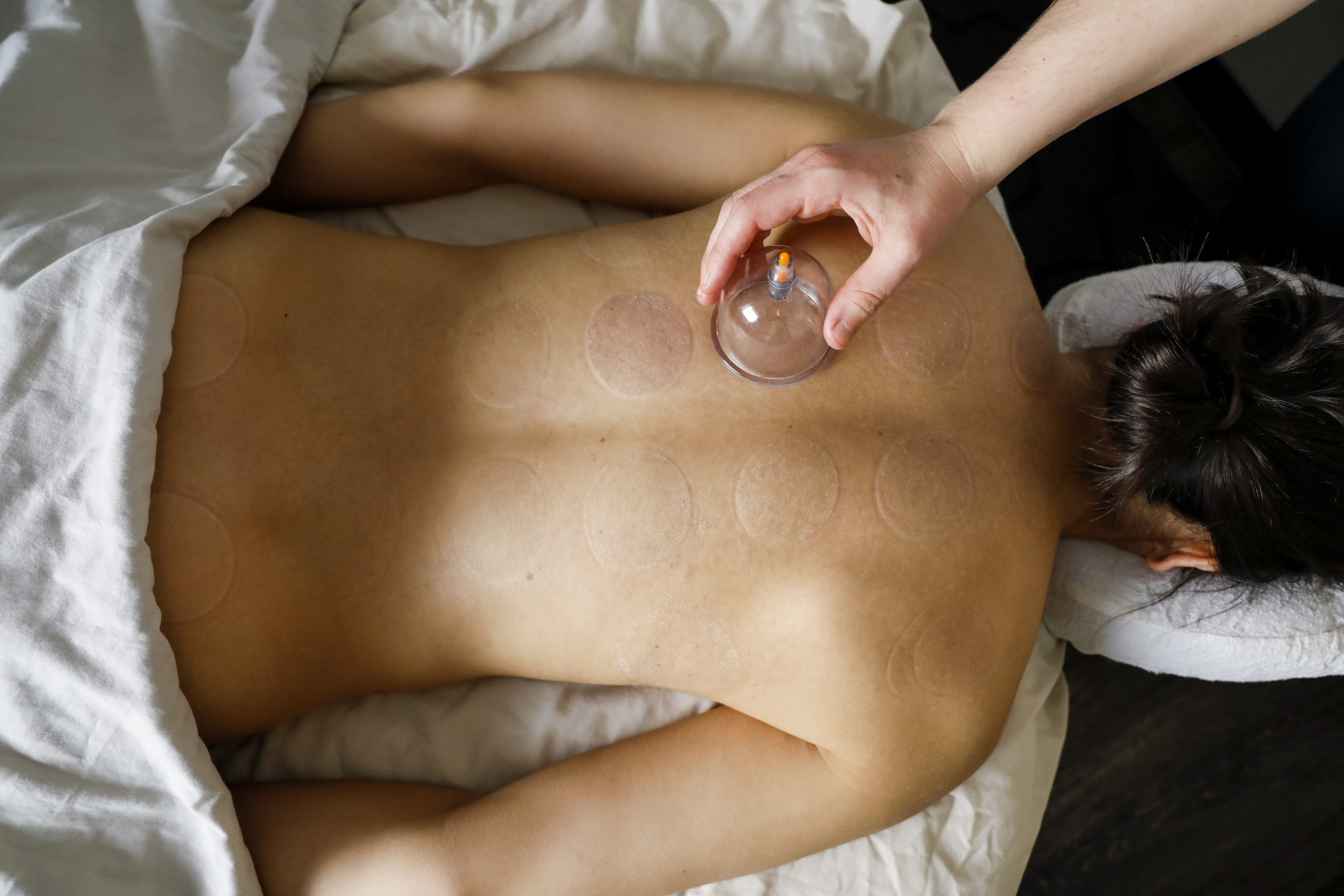
Temporary circular marks are almost inevitable after cupping. These discolorations can resemble bruises and may last from several days to a few weeks. In rare cases, burns or lasting scars may occur, particularly if heat is used improperly — a scenario often associated with Cupping therapy gone wrong.
Worsening skin problems
If you have eczema, psoriasis, or another chronic dermatologic condition, cupping may aggravate symptoms. Consult a dermatologist beforehand to minimize complications.
Infection
Because wet cupping involves minor bleeding, poorly sterilized tools can transmit blood-borne infections such as hepatitis B and hepatitis C. Ensuring proper hygiene standards is critical.
Anemia
Although uncommon, repeated wet cupping sessions may lead to anemia due to cumulative blood loss.
Even with dry cupping, some people notice Cupping side effects day after treatment, such as tenderness, swelling, or fatigue. Monitoring your body’s response can help prevent complications.
How to try cupping for cellulite reduction
For most health-related procedures, seeking a qualified professional is advisable. This is particularly true if you want to avoid complications associated with incorrect technique.
At a provider
Healthcare professionals who commonly perform cupping include:
- acupuncturists
- massage therapists
- physical therapists
Before booking, confirm that the practitioner is experienced in dry-moving cupping for cosmetic concerns and that all equipment is disinfected between clients.
No extensive preparation is required, but your skin should be clean. Inform the provider about any cuts, bruises, or sensitive areas beforehand.
At home
If you prefer a DIY approach, understand that cup sizes, suction intensity, and technique can vary significantly. Beginners may benefit from purchasing a kit specifically designed for cellulite massage.
Glass cups tend to produce stronger suction and more visible bruising, while silicone cups are generally easier to control and may result in milder marks.
Larger cups are typically used on the thighs and buttocks, and smaller cups on the arms or calves. Always confirm that your equipment is sterile before use.
To perform dry cupping at home:
- Apply massage oil or body lotion to the target area to reduce friction.
- Place the cup on the skin and gently squeeze (if silicone) or use the suction mechanism to create a vacuum.
- Once suction is established, glide the cup slowly in straight lines or circular motions.
- Continue for 10 to 15 minutes per treatment area.
- Repeat up to two or three times weekly as tolerated.
Stop immediately if you experience sharp pain, blistering, or unusual skin reactions.
Where to buy the supplies you’ll need for cupping
Cupping tools are widely available through pharmacies, specialty massage suppliers, department stores, and online retailers.
Professional-grade glass cups are often used in clinical settings, while home kits usually feature silicone cups due to their affordability and ease of use. Products may be sold individually or bundled in kits that include:
- multiple cup sizes
- massage oils
- handheld massagers
- a carrying case
Shop for cupping supplies online.
Takeaway
Cellulite can be persistent, and no therapy completely removes it. Cupping may offer temporary cosmetic improvement for some individuals by enhancing circulation and fluid movement.
However, understanding the potential for Cupping therapy gone wrong is essential. Choosing a qualified provider, following safe techniques, and being aware of possible side effects can help reduce risks.
If you tolerate the process well and notice smoother-looking skin, cupping may be a reasonable complementary approach. As with any wellness practice that has existed for centuries, informed and cautious use is key to maximizing benefits while minimizing harm.


















Leave a Reply
You must be logged in to post a comment.