

If you’ve ever walked into a doctor’s office and walked out with both “high blood pressure” and “insulin resistance” on your chart, you’re probably wondering how those two fit together. In short, insulin resistance can push your blood pressure higher by making your kidneys hold onto extra salt, firing up your nervous system, and stiffening your blood vessels—often before you notice any symptoms.
Understanding that two‑way street lets you spot warning signs early, pick lifestyle tweaks that actually work, and have a smarter conversation about medicines that won’t sabotage your metabolism. So grab a coffee, settle in, and let’s untangle the science, the risk factors, and the practical steps you can start using today.
What Is Insulin‑Resistance?
Definition & How It’s Measured
Insulin resistance means your body’s cells don’t respond to insulin the way they should. Insulin is the hormone that opens the doors on muscle and fat cells so glucose can get in for energy. When those doors get stuck, the pancreas pumps out more insulin to keep blood sugar in check.
Clinicians usually gauge this with the Homeostasis Model Assessment of Insulin Resistance (HOMA‑IR), a simple calculation using fasting glucose and insulin levels. The gold‑standard, though, is the hyperinsulinemic‑euglycemic clamp—a fancy test that directly measures how much glucose your body can take up when insulin is kept steady.
Insulin Resistance Causes
There’s no single villain here; it’s a mix of genetics, lifestyle, and even tiny nutrient gaps. Common culprits include:
- Excess belly fat—especially visceral fat that hugs your organs.
- Sedentary habits—your muscles need regular movement to stay insulin‑sensitive.
- High‑glycemic diets—think sugary drinks, white bread, and processed snacks.
- Micronutrient shortfalls—magnesium, vitamin D, and chromium all play a role.
According to a 2014 review in Diabetology & Metabolic Syndrome, these factors together explain the bulk of insulin‑resistance cases worldwide【1†source】.
Quick Self‑Check Checklist
Do any of these ring true for you?
- Do you often feel sluggish after meals?
- Is your waistline expanding despite a stable weight?
- Do you have a family history of type 2 diabetes or hypertension?
- Do you struggle to lose weight even when you “eat healthy”?
If you nodded to a few, you might already be walking the insulin‑resistance path.
How Hypertension Forms
Salt‑Retention Pathway
When insulin can’t do its job in muscle, it still talks to the kidneys. In people with insulin resistance, insulin’s signal via IRS‑2 stays strong in the renal proximal tubule, urging the kidneys to reabsorb more sodium. More sodium means more water stays in your bloodstream, nudging blood pressure up. This mechanism was highlighted in a study showing preserved salt‑reabsorption despite blunted glucose uptake【5†source】.
Sympathetic‑Nervous‑System Activation
Hyperinsulinaemia (high insulin levels) also revs up the sympathetic nervous system—the part of your body that shouts “fight or flight.” The result? Your blood vessels tighten, heart rate climbs, and blood pressure spikes.
Vascular‑Smooth‑Muscle Remodeling
Insulin normally helps blood vessels relax by boosting nitric oxide (NO) production. In insulin resistance, that pathway gets tangled, leading to less NO, higher intracellular calcium in smooth‑muscle cells, and a chronic state of vasoconstriction. A physiological deep‑dive explains how the PI3K/Akt signaling cascade is hijacked, reducing NO and promoting stiffness【9†source】.
Clinical Evidence
A classic 1987 clamp study of untreated essential hypertension showed a clear inverse relationship: the worse the blood pressure, the poorer the glucose uptake. In other words, higher systolic pressure went hand‑in‑hand with more insulin resistance【7†source】.
Who Is At Risk?
Metabolic‑Syndrome Cluster
When you see the trio of high blood pressure, high triglycerides, low HDL, and elevated fasting glucose, you’re looking at metabolic syndrome—a perfect storm for insulin‑resistance hypertension.
Demographics
Age over 45, African‑American heritage, and a family history of type 2 diabetes or hypertension dramatically raise the odds.
Lifestyle Triggers
- Excessive salt (more than 2,300 mg/day).
- Low potassium intake (think bananas, leafy greens).
- High fructose corn syrup and sugary beverages.
- Chronic stress—cortisol can worsen both insulin and blood‑pressure control.
Co‑Morbid Conditions
Polycystic ovary syndrome (PCOS), non‑alcoholic fatty liver disease, and sleep apnea all share the same underlying insulin‑resistance fire.
Diagnosing the Duo
Blood Work
Ask your doctor for a panel that includes fasting glucose, fasting insulin, HbA1c, lipid profile, and a HOMA‑IR calculation. Elevated fasting insulin with normal glucose is a red flag for early insulin resistance.
Blood‑Pressure Measurement Best Practices
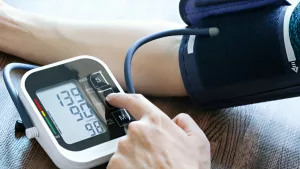
Take at least two readings on separate days, use a validated cuff, and consider 24‑hour ambulatory monitoring if you suspect “white‑coat” spikes.
Imaging & Renal Work‑up
If secondary causes are on the table—think kidney artery stenosis—an ultrasound or CT angiography may be ordered, along with urine albumin to check for early kidney damage.
Managing Both Together
Nutrition Foundations
Think of the DASH diet (rich in fruits, veggies, whole grains, low‑fat dairy) plus a low‑glycemic twist. Swap white rice for quinoa, soda for sparkling water with a splash of citrus, and add magnesium‑rich foods like almonds and spinach.
Physical Activity
Aim for 150 minutes of moderate aerobic exercise per week—brisk walking, cycling, or dancing—plus two strength‑training sessions. Those two ingredients improve GLUT‑4 transport in muscles and lower systolic pressure by about 5‑10 mmHg.
Weight Loss & Body‑Fat Distribution
Shedding just 5‑10 % of body weight can translate into a 5‑10 mmHg drop in blood pressure and a 30 % improvement in HOMA‑IR. The key is sustainable changes, not crash diets.
Pharmacologic Choices – Which Meds Play Nice?
| Medication Class | Impact on Insulin Sensitivity | Notes |
|---|---|---|
| ACE Inhibitors / ARBs | Neutral to modestly improve | Often first‑line; may lower insulin levels |
| Calcium‑Channel Blockers | Neutral | Good option when beta‑blockers cause issues |
| Thiazide Diuretics | May worsen | Watch potassium, consider low‑dose |
| Beta‑Blockers | May worsen | Older generations especially problematic |
| SGLT2 Inhibitors | Improves | Dual blood‑pressure and glucose benefits |
| GLP‑1 Receptor Agonists | Improves | Weight loss plus BP reduction |
According to a 1991 review in the Postgraduate Medical Journal, ACE inhibitors can actually boost insulin sensitivity, while thiazides and beta‑blockers may aggravate insulin resistance【6†source】.
Monitoring & Follow‑Up
Check your blood pressure at home at least twice a week, and repeat fasting insulin/glucose labs every 3‑6 months if you’re making lifestyle changes. If you’re on a medication that can affect insulin, schedule a review with your clinician after three months.
Real‑World Cases Overview
Case 1 – Mid‑30s, BMI 32, New Hypertension
Maria came in after a routine check revealed 148/92 mmHg. Her labs showed a HOMA‑IR of 3.5. She cut daily soda, started a 30‑minute walk after dinner, and switched from a thiazide to an ACE inhibitor. Six months later, her blood pressure was 128/78 mmHg and HOMA‑IR dropped to 2.1. “I finally felt like I was in control,” she says.
Case 2 – Early‑60s, On Thiazide, Rising Glucose
John had been on a low‑dose thiazide for years. His recent labs showed fasting glucose climbing to 112 mg/dL and fasting insulin at 22 µU/mL. His doctor swapped the thiazide for a calcium‑channel blocker and added a modest dose of an ACE inhibitor. Six months on, John’s glucose fell to 98 mg/dL, insulin to 14 µU/mL, and his blood pressure stayed steady at 135/85 mmHg.
Bottom Line Summary
Insulin resistance and hypertension are two sides of the same metabolic coin. Excess insulin drives salt retention, sympathetic overdrive, and vessel stiffening—so treating one without the other is like fixing a leaky roof but leaving the window open.
The good news? Lifestyle moves (diet, exercise, weight loss) hit both problems head‑on, and several medication classes offer dual benefits. By understanding the “why” behind insulin‑resistance hypertension, you can ask smarter questions, pick treatments that protect your heart and your glucose balance, and—most importantly—feel empowered to make changes that stick.
What’s one small habit you could start today? Maybe swapping that afternoon soda for sparkling water, or taking a brisk 10‑minute walk after dinner. Try it, track how you feel, and let your doctor know the results. Your blood pressure and insulin levels will thank you.














Leave a Reply
You must be logged in to post a comment.