Ozempic and Other GLP-1 Drugs May Make Surgery More Dangerous, Study Finds

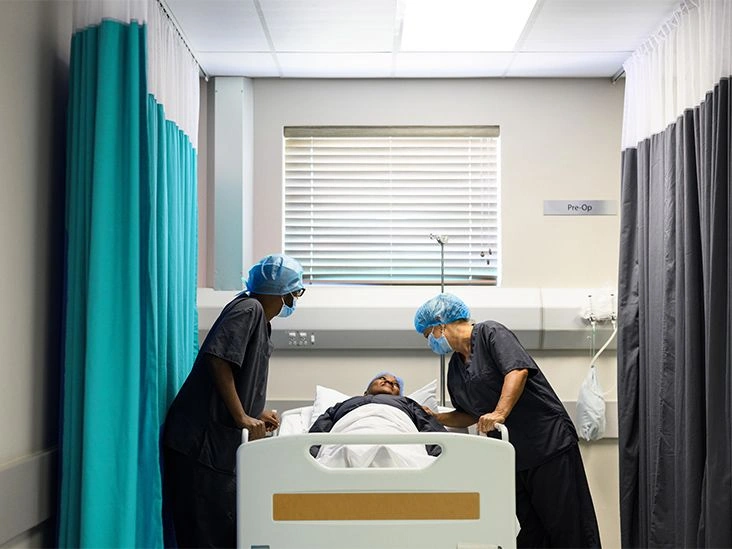
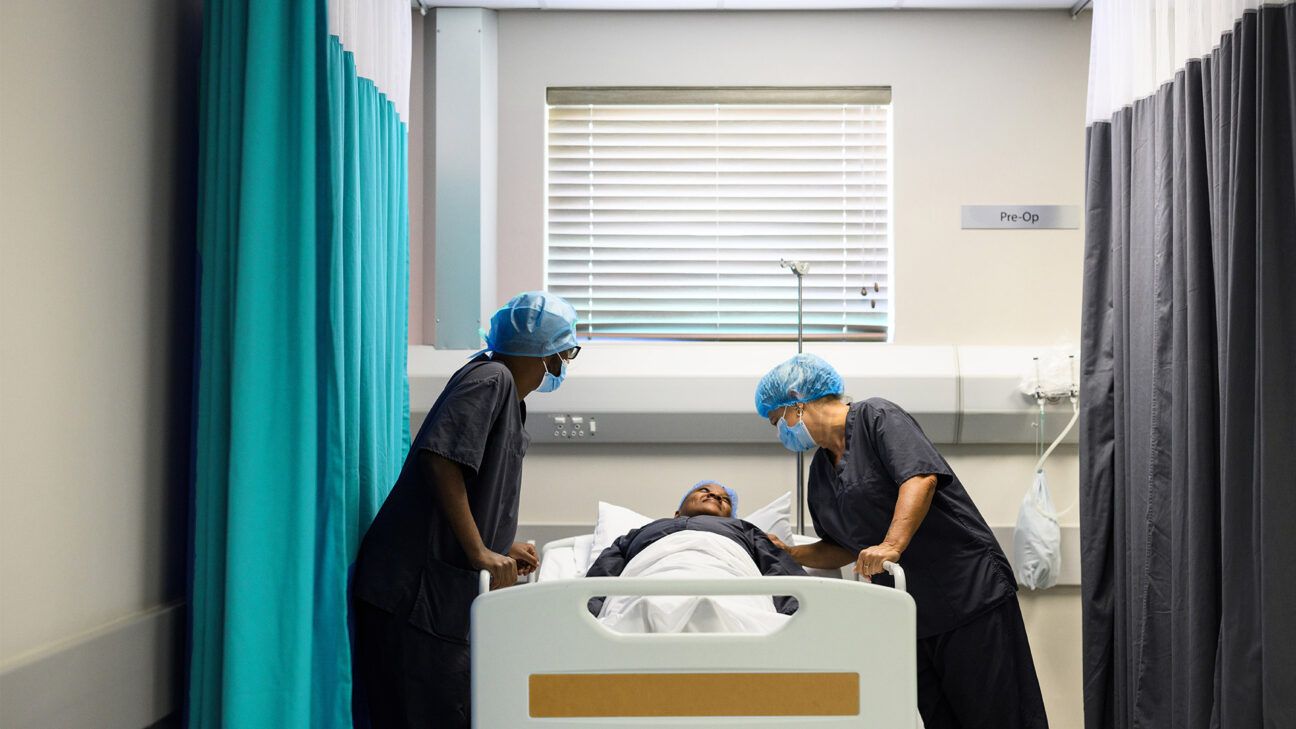
- Medications for obesity and diabetes such as Ozempic and Mounjaro might increase the chance of anesthesia-related complications during operations, a recent study indicates.
- The investigation discovered that patients using these medications more often had food or fluids remaining in their stomachs compared with those not taking them.
- Having stomach contents is a recognized contributor to the risk of pulmonary aspiration.
A widely used group of weight-loss and diabetes medications, known as glucagon-like peptide-1 receptor agonists (GLP-1 RAs), may complicate surgical care, according to a recent study.
The research, published this week in JAMA Surgery, reported that patients on GLP-1 RAs were more likely to have residual gastric contents — solids or liquids remaining in the stomach — at the time of surgery, a factor that raises the likelihood of aspiration during anesthesia.
Pulmonary aspiration occurs when food, stomach contents, or other foreign material are breathed into the lungs and airway. While not always catastrophic, aspiration can cause serious problems including infection, aspiration pneumonia, and even death.
GLP-1 RAs — which include brand-name drugs such as Ozempic (semaglutide) and Zepbound (tirzepatide) — mimic a gut hormone that slows gastric transit, boosts insulin secretion, and signals fullness to the brain. One established effect of these agents is delayed gastric emptying , meaning food moves more slowly through the stomach.

Patients are typically instructed to fast before surgery to reduce stomach contents. However, because GLP-1 RAs slow digestion, standard fasting advice might not be adequate. Surgeons and anesthesia providers are therefore seeking more evidence and clearer recommendations for patients on these drugs.
“The assumption is that patients who have appropriately fasted before an elective operation should have an empty stomach, because we place them under anesthesia and give paralytics. We expect they won’t regurgitate stomach contents into the lungs,” Dr. Sudipta Sen, an associate professor of anesthesiology at UTHealth Houston and the study’s lead author, told HealthEH.
“But this specific group of patients on these drugs had a substantial amount of residual gastric content,” she added.
How GLP-1 medications might affect surgical care
Sen conducted a modest study including 124 patients scheduled for elective, non-emergent surgery. Half were prescribed a GLP-1 RA and the other half served as controls who were not taking the medication. The cohort’s mean age was 56 years and about 60% were female.
Researchers used gastric ultrasound to assess stomach contents prior to anesthesia. Residual gastric content was categorized as presence of solids, thick liquids, or more than 1.5 ml/kg of clear liquids.
Over half (56%) of patients on GLP-1 RAs had elevated gastric contents versus only 19% in the control group. After adjusting for other factors, the analysis indicated GLP-1 RAs were linked with a roughly 30% greater likelihood of residual gastric content compared to controls.
“This work addresses a current concern because the use of these medications has grown substantially. For surgeons, we’re uncertain how to manage these…drugs,” said Dr. Cindy Kin, an associate professor of surgery at Stanford Medicine, to HealthEH. “It raises some new questions.”
Why aspiration poses a serious threat
A 2009 American Society of Anesthesiologists study reported that aspiration of gastric contents accounts for up to 9% of anesthesia-related fatalities.
Pulmonary aspiration can result in aspiration pneumonia, a severe lung infection that may progress to respiratory failure and death. Depending on the volume and nature of what is aspirated, mortality rates for aspiration pneumonia can be as high as 70%, according to one review .
A 2023 analysis estimated aspiration events during anesthesia occur roughly 2–7 times per 20,000 procedures.
Although residual gastric content correlates with aspiration risk, the new study does not directly show that GLP-1 RAs cause pulmonary aspiration, which is the more serious outcome.
“Data directly linking a full stomach to aspiration events is limited, but a full stomach is a marker that these patients are at higher risk of stomach contents entering their lungs,” Sen said.
Dr. Mark Schutta, a professor specializing in diabetes and medical director of the Penn Rodebaugh Diabetes Center at Penn Medicine, told HealthEH the study’s utility is limited without tracking actual aspiration incidents, which this research did not measure — it only assessed stomach content.
“This is a small cohort — 124 patients — so it’s hard to draw definitive conclusions. The important outcome we need is the rate of actual aspiration events. That’s the clinical concern,” he said.
“There may be more residual gastric content in people on these drugs, but the crucial question is whether that difference is clinically meaningful,” Schutta added.
Preoperative guidance for patients on GLP-1 medications
The principal question is how surgeons and anesthesiologists should prepare patients taking GLP-1 RAs for operations.
At present, there isn’t a definitive answer.
The American Society of Anesthesiologists currently suggests patients on weekly GLP-1 medications should discontinue them one week prior to surgery.
How standard fasting rules (NPO guidelines) should be adjusted for those taking GLP-1 RAs remains uncertain and will require additional research to refine recommendations.
In the meantime, patients on GLP-1 RAs planning surgery should inform their surgical and anesthesia teams about their medication use.
“This is a relatively new class of drugs and we don’t fully understand the perioperative risks. So anyone taking these medications should tell their surgeon, ‘I’m on a GLP-1 — is there anything special I should do?’” Kin advised.
“These results are preliminary; we’ll need more data and different study designs to provide clear guidance to surgeons and anesthesiologists,” Schutta said.
The takeaway
People taking GLP-1 RAs, such as Ozempic and Mounjaro, should be mindful of potential surgical risks.
Because GLP-1 RAs slow digestive transit, they can increase the likelihood of residual gastric contents during surgery, which is a risk factor for pulmonary aspiration.
Pulmonary aspiration can cause aspiration pneumonia, a severe lung infection that may lead to respiratory failure and death.
Frequently Asked Questions
The study found patients on GLP-1 receptor agonists had more residual gastric contents before surgery, which can raise the risk of pulmonary aspiration during anesthesia. It did not directly measure actual aspiration events.
Common GLP-1 receptor agonists include Ozempic (semaglutide), Mounjaro/Zepbound (tirzepatide), and other similar drugs used for diabetes and weight loss that slow gastric emptying.
There’s no universal rule yet, but some guidance suggests stopping weekly GLP-1 medications about one week before surgery. Patients must discuss this with their surgeon and anesthesiologist for individual advice.
Pulmonary aspiration occurs when stomach contents enter the lungs, potentially causing aspiration pneumonia, severe infection, respiratory failure, and even death depending on the volume and material aspirated.
Clinicians may consider adjusted fasting protocols, medication timing, or delaying elective procedures until risks are assessed. Clear communication about GLP-1 use is important so perioperative teams can plan appropriately.





Related Posts

What Is Cigna Express Scripts for Medicare?
Sep 5, 2026 • 22 min read
Biktarvy and Cost: What You Need to Know
Sep 2, 2026 • 29 min read
Cherries for Diabetes: Should They Be Part of Your Diet?
Aug 15, 2026 • 15 min readSide Effects of Trulicity: What You Need to Know
Aug 16, 2026 • 4 min read
The 20 Best Low Carb Vegetables (Plus 1 Great Low Carb Fruit)
Aug 30, 2026 • 11 min read