Superstitions: What’s the Harm?

- Common Superstitions
- Bad omens and good luck:
- Black cats
- Walking under a ladder
- Breaking a mirror
- Number 13
- Four-leaf clover
- Crows
- Knocking on wood
- Luck in love:
- Seeing the bride the night before the wedding
- Something old, something new
- Catching the bouquet
- The daisy oracle
- Don’t sit in the corner
- Wealth, health, and prosperity:
- Itchy hands
- Throwing salt
- Saying “God bless you”
- Old broom in a new home
- Boil milk and rice
- What causes superstitions?
- When superstitions affect mental health
- Is there a treatment when superstitions become a problem?
- The takeaway

Superstitions are enduring beliefs that tend to arise from coincidence, folklore, or long-standing cultural customs rather than scientific reasoning or verifiable evidence.
Many of these beliefs are intertwined with ancient pagan traditions or historical religious practices that once shaped everyday life. Over time, they became embedded in communities and passed down through generations.
Our ancestors did not create superstitions because they were less intelligent or more gullible than we are today. Instead, they lacked reliable methods to influence critical life outcomes such as health, safety, harvests, or survival. Superstitions offered a sense of reassurance and perceived control—much like they still do. That’s one reason highly educated and rational individuals may continue to hold certain ritualistic beliefs.
One common concern people search for is How to reverse bad luck from walking under a ladder. While this belief has no scientific basis, the anxiety it can trigger feels very real. Understanding where such superstitions originate—and how they affect mental well-being—can help reduce unnecessary fear.
Most superstitions are lighthearted and relatively harmless, regardless of whether you truly believe them. However, in some cases, rigid adherence to superstitious rituals may intersect with mental health conditions such as obsessive-compulsive disorder (OCD) or generalized anxiety disorder.
Below, we explore familiar superstitions, their historical background, what they symbolize today, and when superstitious thinking may signal a deeper mental health concern.

Common Superstitions
Here’s an overview of widely recognized superstitions, their origins, and how modern society interprets them.
Bad omens and good luck:
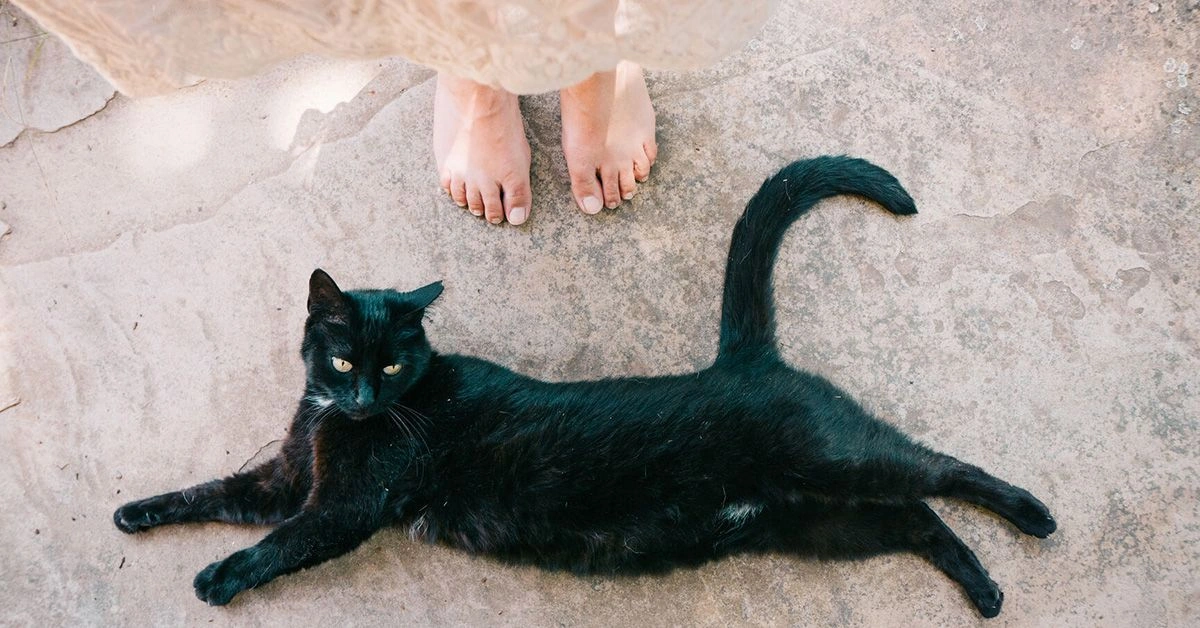
Black cats
At various points in history, black cats were linked to dark forces and witches believed to shapeshift. In certain German folklore traditions, a black cat crossing your path from left to right signals misfortune or even impending death.
Conversely, other cultures view black cats as positive omens and symbols of prosperity and protection.
Walking under a ladder
When opened, a ladder forms a triangular shape. Ancient Egyptians considered the triangle sacred, representing powerful spiritual symbolism. Passing beneath a ladder was thought to disrupt this sacred geometry.

As a result, walking under a ladder became associated with defiance and attracting bad luck. For those anxious afterward, learning Walking under a ladder 7 years bad luck traditions may provide cultural context, while others may explore beliefs such as Walking under a ladder 7 years bad luck hindu to understand how interpretations differ globally.
If you’re wondering How to reverse bad luck from walking under a ladder, it’s important to remember that the distress often stems from anxiety rather than any measurable consequence. Reframing the belief and practicing grounding techniques can be helpful.
Breaking a mirror
In ancient times, mirrors were not merely reflective surfaces—they were believed to offer glimpses into the future. A shattered mirror, producing a distorted reflection, was interpreted as a sign of tragedy or prolonged bad luck ahead.
Number 13
Within some religious frameworks, “12” symbolizes completeness. The number following it, 13, was therefore perceived as imperfect or unlucky.
Early Christian and Nordic myths describe the 13th guest at a gathering as the one who brings downfall. The fear of the number thirteen even has a name: triskaidekaphobia.
Four-leaf clover
The reason four-leaf clovers became associated with good fortune isn’t entirely clear. Since they are rare compared to the common three-leaf variety, finding one feels exceptional.
Traditionally, the four leaves represent faith, hope, love, and luck.
Crows
Crows are scavengers, and some believe they can sense death before it occurs. Because of this, spotting a solitary crow has been interpreted as a warning sign of disaster.
Knocking on wood
Historically, confidently predicting success—such as declaring “this will be a great year”—was considered boastful and potentially provocative to spirits.
Knocking on wood after making such a statement became a symbolic act to ward off interference and preserve good fortune.
Luck in love:
Seeing the bride the night before the wedding
Many engaged couples still avoid seeing each other the evening before their wedding.
This custom likely traces back to arranged marriages, when couples sometimes met for the first time at the ceremony. Keeping them apart was thought to prevent second thoughts.
Something old, something new
This wedding tradition emphasizes continuity rather than pure luck. Wearing “something old” honors family heritage, while “something new” symbolizes hope for the future.
“Something borrowed” reflects community support, and “something blue” represents love, purity, and fidelity.
Catching the bouquet
Historically, marriage provided women with social and financial stability. Single women hoped to capture the bride’s good fortune by catching her bouquet.
The bouquet came to symbolize romantic luck for whoever successfully caught it.
The daisy oracle
The familiar chant “he loves me, he loves me not” originates from a French pastime sometimes called “the daisy oracle.”
By plucking petals one by one and alternating phrases, the final petal supposedly reveals the answer to a romantic question.
Don’t sit in the corner
In some Russian traditions, unmarried women are warned against sitting in the corner at gatherings, as it supposedly condemns them to lifelong singleness.
Practically speaking, sitting in the center of social activity increases opportunities to interact—making this superstition potentially rooted in social strategy.
Wealth, health, and prosperity:
Itchy hands
An itchy palm is said to signal incoming money. However, it can just as easily indicate dry skin, eczema, or another dermatologic condition.
Throwing salt
Salt once held immense value and even functioned as currency. Spilling it was considered dangerously careless.
Tossing a pinch of salt over the left shoulder was believed to counteract the misfortune and restore harmony.
Saying “God bless you”
This phrase became common before the mechanisms of disease transmission were understood.
During times of plague in the Middle Ages, sneezing and coughing were ominous symptoms. Saying “God bless you” was thought to offer protection and possibly prevent evil spirits from entering the body.
Old broom in a new home
Moving an old broom into a new residence was believed to carry negative energy from the previous space.
Using a brand-new broom symbolized purification and a fresh beginning.
Boil milk and rice
In certain cultures, boiling milk and rice when entering a new home represents abundance, prosperity, and welcoming wealth into the household.
What causes superstitions?
Superstitions generally stem from cultural inheritance and personal experiences.
If you were raised within a community that strongly believed in certain omens or rituals, those beliefs may persist—sometimes subconsciously.
Superstitions may also appear as personal rituals, such as wearing a “lucky” shirt during a game or repeating a specific action before a task. These behaviors often help calm anxiety and improve focus.
For instance, if you wore a particular jersey and your team won, you might associate the two events—even if logically unrelated. A review of literature on this suggests that belief alone can trigger a placebo effect strong enough to influence confidence and performance.
According to the American Psychological Association, many individuals recognize that their rituals lack objective influence, yet still feel reluctant to abandon them.
A 2016 study indicates that superstitions function as powerful intuitions that the brain resists correcting. Even when logic intervenes, maintaining the belief can feel safer.
When superstitions affect mental health
In most circumstances, superstitions are harmless. However, they can sometimes interfere with daily functioning.
For individuals with OCD, superstitions may evolve into intrusive fixations. This can lead to repetitive behaviors or intense anxiety if rituals aren’t performed—sometimes referred to as “magical thinking” OCD.
Those living with generalized anxiety disorder may also experience heightened distress tied to fears of bad omens, including worries about How to reverse bad luck from walking under a ladder after accidentally doing so.
When fear of misfortune dictates decisions, limits activities, or causes avoidance behavior, it may signal an underlying mental health issue.
When to seek helpIf you feel controlled by or fearful of your superstitions, support is available. Persistent anxiety, depression, excessive fear, or avoidance behaviors are signs you may benefit from professional care. You can contact a licensed mental health provider or reach out to: National Alliance on Mental Illness Hotline: 800-950-NAMI (open M-F, 10am–6pm EST) National Suicide Prevention Lifeline: 800-273-TALK (open 24/7, 365 days a year) Substance Abuse and Mental Health Services Helpline: 800-662-HELP
Is there a treatment when superstitions become a problem?
If superstitious thinking begins to disrupt your quality of life, a mental health specialist can help. Effective treatments include cognitive behavioral therapy, exposure therapy, and habit reversal training.
In some cases, medications such as selective serotonin reuptake inhibitors (SSRIs), beta-blockers, or occasionally sedatives may be prescribed to manage anxiety symptoms. Because sedatives carry a risk of misuse or dependence, they are generally not considered first-line treatment.
The takeaway
For most individuals, superstitions are benign traditions that add color to cultural life. You may even hold certain beliefs without consciously noticing them.
However, when “magical thinking” blurs the boundary between imagination and reality—or creates persistent distress—professional support can make a meaningful difference. Understanding the psychology behind these beliefs can be more empowering than searching endlessly for ways to undo imagined bad luck.
FAQ
Recognize that any distress is psychological, not factual. Reframe the thought and practice grounding techniques to ease anxiety, as the belief has no scientific basis for causing actual harm.
It originates from ancient Egyptian views of the triangle as sacred. A leaning ladder forms a triangle, and passing through it was thought to violate sacred geometry, attracting misfortune.
Yes, in some cases. While often harmless, rigid adherence can intersect with conditions like OCD or anxiety disorders, causing significant distress and avoidance behaviors.
Yes. Cognitive behavioral therapy, exposure therapy, and habit reversal training are effective. Medication may sometimes be prescribed to manage underlying anxiety symptoms.
They arise from cultural inheritance and personal experience, offering a perceived sense of control. The brain often resists logical correction, maintaining the belief for psychological comfort.
Read Next






Related Posts

What Is Sweet Annie and What Are the Benefits?
Aug 19, 2026 • 31 min read
Top 10 Benefits of Sleeping Naked
Aug 27, 2026 • 12 min read
A Review of Priority STD
Jul 30, 2026 • 4 min read
Everything You Need to Know about Sensory Deprivation Tank Therapy
Aug 11, 2026 • 3 min read
Is It Possible to Encourage Facial Hair Growth?
Aug 23, 2026 • 36 min read