
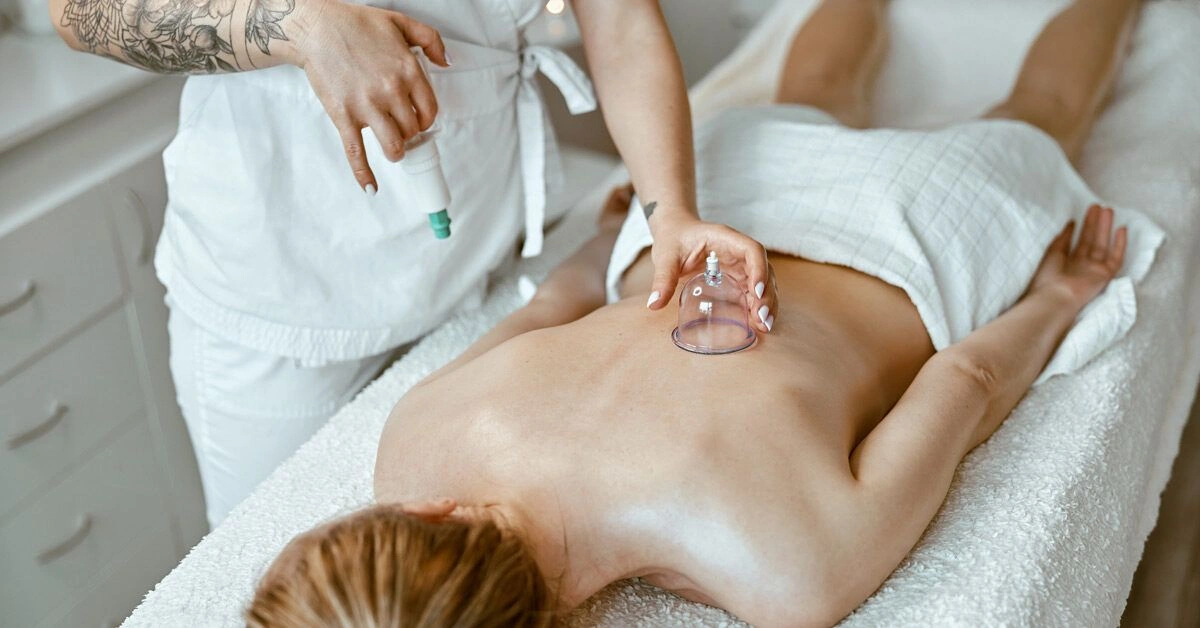
Cupping therapy is widely used to ease lower back pain by enhancing blood circulation, calming inflammation, and relieving tight muscles. While many people also ask, How much weight can you lose with cupping, it’s important to understand that this traditional technique is most commonly applied for pain management and musculoskeletal support rather than dramatic fat reduction.

Within traditional Chinese medicine, qi refers to the vital life force energy that flows throughout the body and supports overall health and balance. When qi becomes blocked or stagnant, discomfort, inflammation, and other symptoms may develop.
Cupping therapy is believed to help rebalance qi, which may reduce symptoms such as lower back pain and stiffness while promoting general well-being.
What is cupping therapy?
Cupping therapy is a traditional Chinese medicine practice that involves placing specially designed cups — typically made of glass, bamboo, or silicone — onto the skin to generate suction.
This suction gently lifts the skin and the tissues beneath it into the cup. The process may stimulate circulation, ease discomfort, decrease inflammation, and support overall wellness.
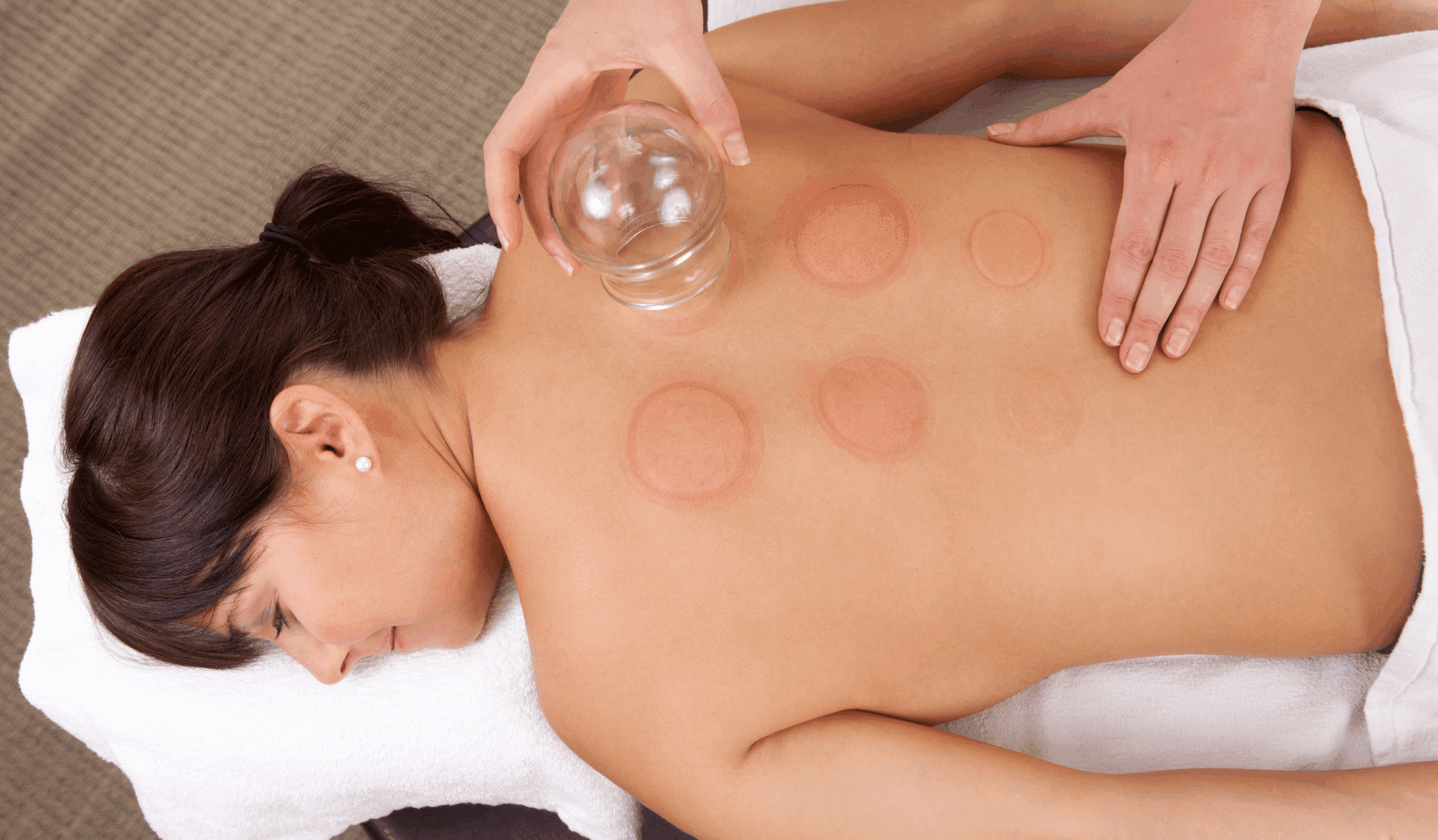
Several forms of cupping therapy are used today, including wet, dry, fire, and massage cupping.
- Wet cupping involves making small incisions or punctures in the skin to release stagnant blood and toxins, followed by suction to draw out the blood and toxins from the body.
- Dry cupping uses suction cups to create a vacuum effect on the skin without incisions. This technique may enhance circulation, reduce muscle tightness, and improve mobility.
- Fire cupping briefly introduces a flame inside a glass cup before placing it on the skin, forming a vacuum as the flame extinguishes. Fire cupping is a type of dry cupping and is often used for pain, inflammation, and respiratory issues.
- Massage cupping involves gliding suction cups across the skin in massage-like motions. This approach can help relieve muscle tension, boost blood flow, and encourage relaxation.
How does cupping work?
During a cupping session, the negative pressure created by the cups pulls the skin and underlying muscle tissue upward. This action increases localized blood flow and may reduce inflammation in the treated region.
Cupping therapy is also thought to loosen tension within muscles and fascia (connective tissue underneath skin), potentially enhancing flexibility and decreasing pain.
In addition, cupping may stimulate the parasympathetic nervous system, which supports relaxation and can promote a sense of calm and overall well-being.
Although cupping is often associated with pain relief, some individuals are curious about body contouring effects and ask, How much weight can you lose with cupping. Current evidence suggests that any changes in body measurements are typically modest and related to temporary fluid shifts rather than significant fat loss.

Can cupping help with lower back pain?
Research examining cupping for lower back pain has shown encouraging findings.
A 2017 research review reported that participants experienced notably reduced pain levels and disability following cupping treatments for lower back pain.
A 2018 study evaluated medication versus a form of dry cupping in 110 individuals with chronic low back pain.
The findings indicated that dry cupping was just as effective as medication in managing lower back pain. In fact, cupping surpassed the control group (medication only) on the SF-36 physical component scale — a measurement of physical health and function — at both 4 and 12 weeks.
For those exploring cupping for additional wellness goals, such as metabolic support or abdominal contouring, you may also want to learn How often should you do cupping for weight loss to better understand safe treatment frequency.
Where do you put cupping cups for lower back pain?
The exact placement of cupping cups for lower back pain depends on the individual’s symptoms and underlying condition.
Common placement areas include:
- Over the sacroiliac joint: This joint connects the sacrum (the triangular bone at the base of the spine) to the ilium (the large pelvic bone). It is a frequent source of lower back discomfort.
- On the erector spinae muscles: These muscles run alongside the spine and play a key role in posture and spinal support.
- On the hip and gluteal muscles: Tightness in these muscles can contribute to strain and lower back pain.
- Along the quadratus lumborum: These muscles extend from the lower ribs to the top of the pelvis and are often involved in back stiffness and pain.
Proper technique and accurate placement are essential. Cupping therapy should always be administered by a trained practitioner experienced in safe application methods. If you are pregnant, consult a licensed healthcare professional before undergoing cupping therapy.
If you’re considering cupping for abdominal areas instead of the back, understanding Where to place cupping for weight loss in stomach can help you discuss appropriate options with a qualified provider.
What to expect after cupping
Following a cupping therapy session on the lower back, you may notice several temporary effects:
- Relaxation: Many individuals report feeling calm and deeply relaxed after treatment.
- Improved range of motion: By easing muscle tightness and enhancing circulation, cupping may increase flexibility and mobility.
- Redness: The suction increases blood flow, often causing temporary redness or skin discoloration. These marks are common and typically fade within a few days.
- Soreness: Since cupping can resemble deep tissue massage, mild tenderness in the treated area is possible. This usually resolves within several days.
Staying hydrated and allowing your body adequate rest after treatment may help support recovery and optimize results.
Does cupping therapy have risks?
As with any therapeutic intervention, cupping therapy carries potential risks and side effects. However, when performed by a properly trained and licensed practitioner, it is generally regarded as safe.
Although most people experience only temporary redness, mild swelling, or bruising, more serious side effects can occasionally occur.
- Skin irritation or burns: If cups remain in one position for too long, if suction is excessive, or if applied over broken or sensitive skin, irritation or burns may develop.
- Infection: Wet cupping involves small punctures in the skin, which can raise the risk of infection if strict sterilization procedures are not followed.
- Adverse reaction: Rarely, some individuals may experience dizziness, nausea, or fainting — particularly those with a history of low blood pressure.
Before beginning treatment, discuss your medical history with your provider to ensure cupping is appropriate for you.
How much does cupping cost?
The price of cupping therapy varies based on factors such as the practitioner’s expertise, geographic location, and session length.
On average, a 45- to 60-minute cupping appointment may range from $30 to just over $100. Individuals managing chronic conditions often require multiple sessions to achieve optimal results, which can influence overall cost.
Bottom line
Cupping therapy is a time-honored traditional Chinese medicine technique used for thousands of years to help reduce pain and manage various symptoms. It is generally considered safe and can complement other lower back pain treatments, including physical therapy or medication.
While interest in body contouring has led some to ask, How much weight can you lose with cupping, current evidence primarily supports its role in pain relief, circulation enhancement, and muscle recovery rather than substantial weight reduction.
If you choose to pursue cupping therapy for lower back pain or other wellness goals, seek out a qualified practitioner with appropriate training and experience in this specialized technique.












Leave a Reply
You must be logged in to post a comment.