
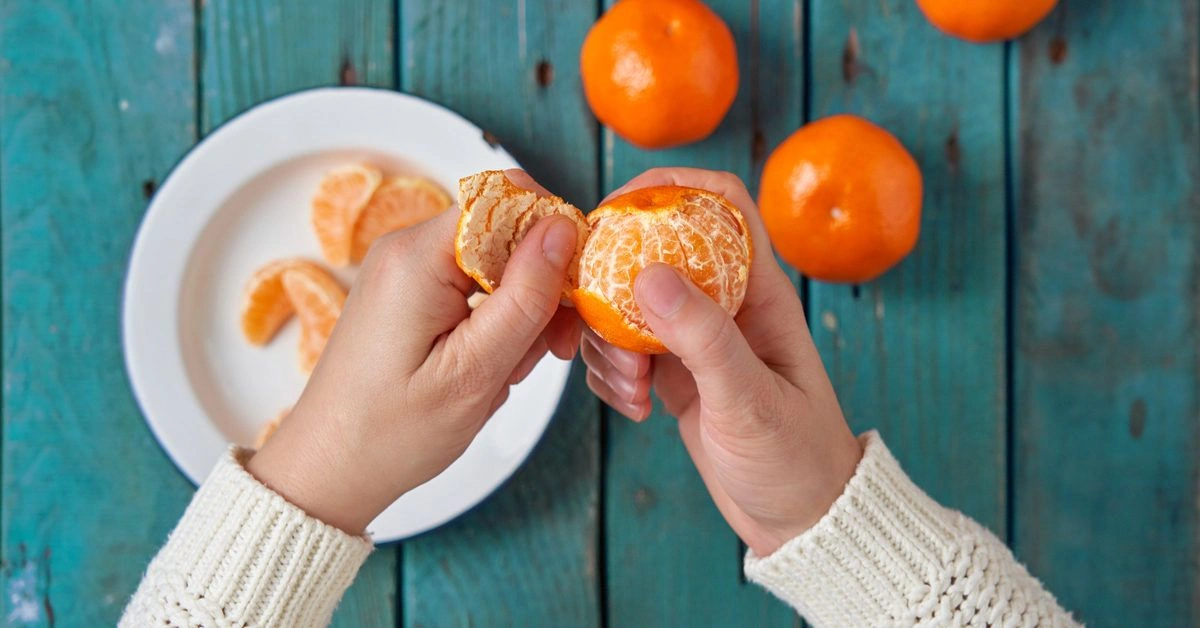
Clementines — often sold under names like Cuties or Halos — are a cross between mandarins and sweet oranges.
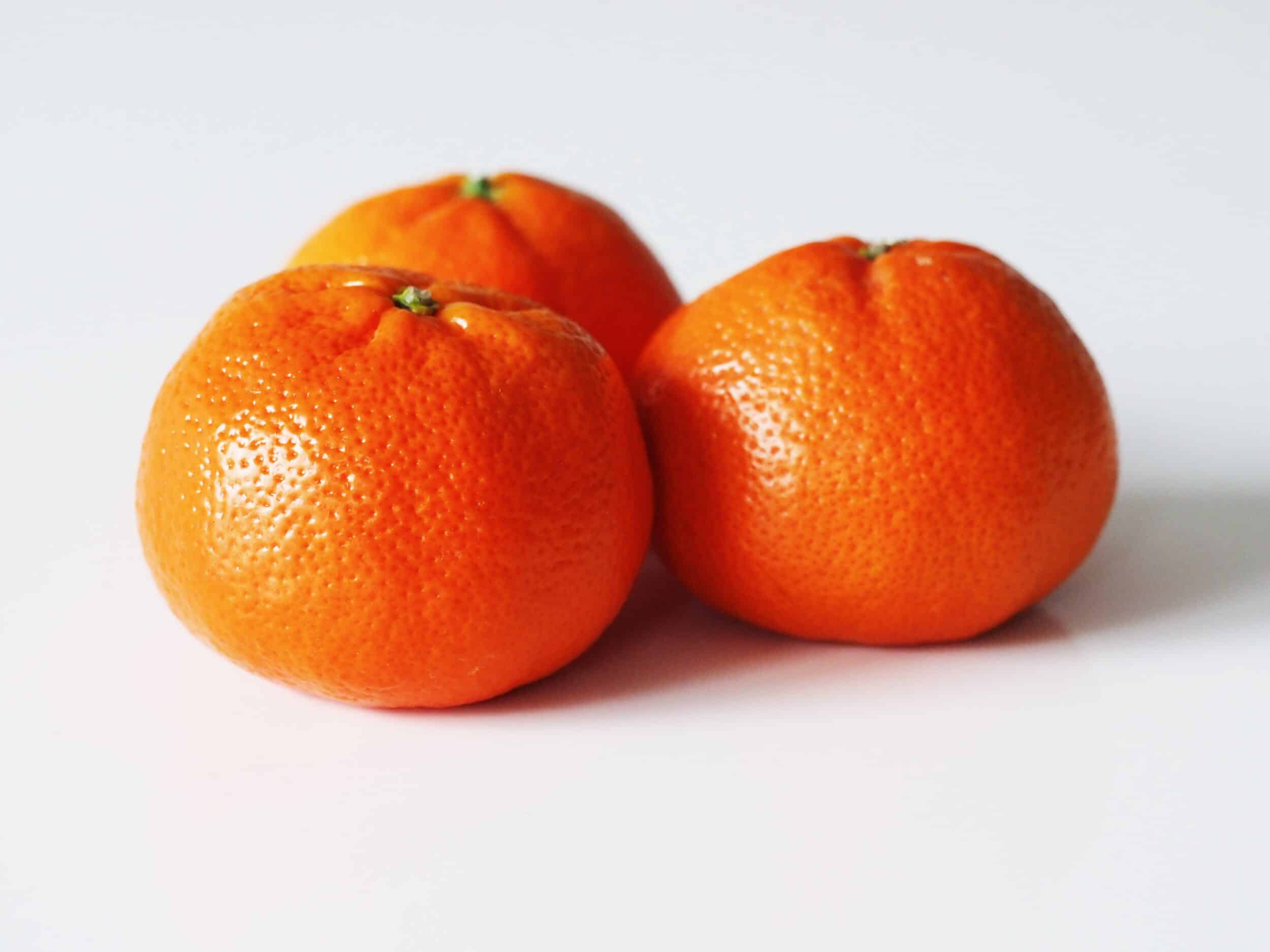
These small fruits are vividly orange, simple to peel, sweeter than many other citrus varieties, and generally seedless.
Because of these traits, they’re frequently promoted to parents and kids as a convenient way to add fruit to a child’s diet.
They supply a good amount of vitamin C and antioxidants. However, similar to grapefruit, they contain substances that may interact with some medications.
This piece examines the nutrients, advantages, and drawbacks of clementines, as well as tips for enjoying them.
Nutrition
Clementines are compact citrus fruits — roughly the size of a golf ball — with a high water proportion. They contain several vitamins and minerals.
One clementine (74 grams) delivers (1):
- Calories: 35
- Protein: 1 gram
- Fat: 0 grams
- Carbs: 9 grams
- Fiber: 1 gram
- Vitamin C: 40% of the Daily Value (DV)
- Folate: 5% of the DV
- Thiamine: 5% of the DV
The bulk of calories in clementines come from natural sugars, with a minor amount of protein.
Clementines are also a vitamin C powerhouse: one small fruit supplies about 40% of daily needs. Vitamin C is a potent antioxidant and supports immunity, helping prevent cellular damage from reactive molecules called free radicals (2).
Additionally, a single clementine provides some folate and thiamine. These nutrients contribute to many bodily functions, including reducing the risk of anemia and supporting healthy metabolic processes (3, 4).
Summary: Clementines contain natural sugars and a small amount of protein. They’re high in vitamin C and supply several other vitamins and minerals, notably thiamine and folate.
Benefits
Clementines are loaded with antioxidants such as vitamin C, which can support your skin’s health and appearance. They also contribute to daily fiber intake.
Because they’re appealing to children, they can encourage higher fruit consumption in that age group.
High in antioxidants
Clementines contain numerous antioxidants that help lower inflammation and prevent cellular harm caused by free radicals. These antioxidants may play roles in reducing the risk of type 2 diabetes, cardiovascular disease, and other conditions (5).
Beyond vitamin C, clementines include several citrus antioxidants such as hesperidin, narirutin, and beta-carotene (2, 6, 7).
Beta-carotene, commonly present in orange and red plant foods, is a precursor to vitamin A. This antioxidant supports healthy cell development and sugar metabolism (8).
Animal and in vitro research suggests that hesperidin has strong anti-inflammatory effects, though more human studies are required (9).
Some preclinical studies also indicate narirutin might benefit mental health and could have potential in Alzheimer’s treatment, but human data are limited (10, 11).
May support skin health
Clementines are abundant in vitamin C, which can benefit skin health in multiple ways.
Your skin naturally contains substantial vitamin C, which aids collagen production — the protein network that gives skin its firmness, fullness, and structure (12).
Therefore, adequate dietary vitamin C helps ensure your body synthesizes enough collagen to maintain skin health and potentially a more youthful appearance, since sufficient collagen can lessen the visibility of wrinkles (12, 13).
The antioxidant function of vitamin C can also lower inflammation and counteract free radical damage, which may improve issues like acne, redness, and uneven skin tone (12, 14).
Helps increase fiber intake
Although a single clementine supplies only about 1 gram of fiber, eating a few during the day is a simple, tasty method to raise your fiber consumption.
Fiber from fruit feeds beneficial gut bacteria and also adds bulk and softens stool, which can reduce constipation and potentially prevent problems like diverticular disease that arise when digested matter becomes trapped in digestive tract pouches (15).
Fruit fiber may also help lower cholesterol by binding bile acids and dietary cholesterol, preventing their absorption into circulation (16).
Moreover, fiber from fruit has been tied to a reduced risk of type 2 diabetes, and higher fiber intake is linked with healthier body weight (16, 17).
Encourages fruit consumption in kids
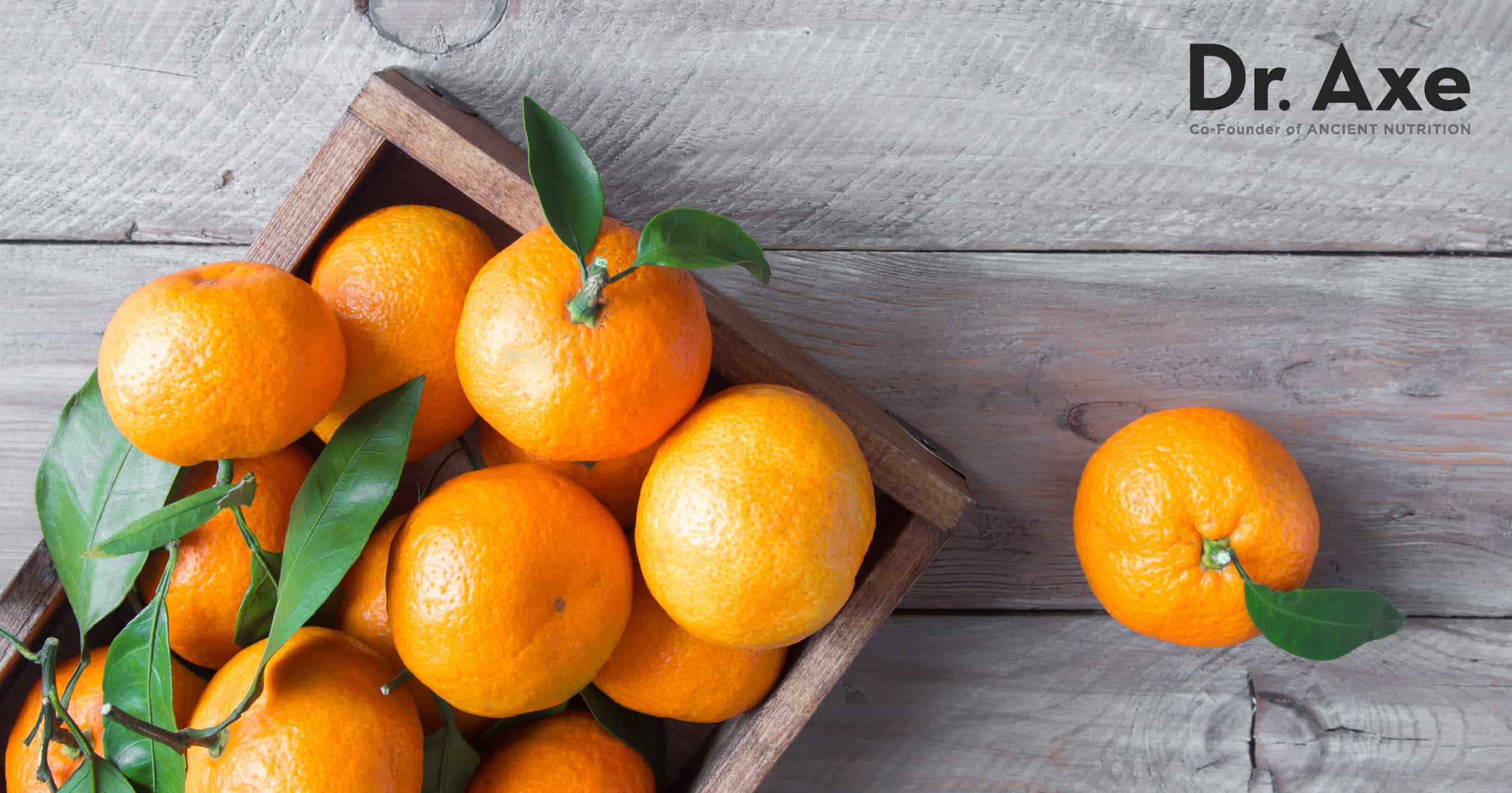
Clementines are small, easy to peel, sweet, and typically seedless, so they make an ideal snack for children.
Indeed, many branded clementines are targeted at young kids and parents as a strategy to increase fruit intake.
This matters because, according to the National Cancer Institute, only around one-third of U.S. children consume enough fruit. Low fruit and vegetable intake during childhood can foster poor dietary patterns and adverse health outcomes later in life (18).
Since clementines are attractive to children — and typically affordable for families — they can support healthy eating habits from an early age. For those comparing citrus, see also tangerine vs clementine for more details.
Summary: Clementines supply antioxidants and fiber and can support skin and digestive health. They also help promote fruit eating among children.
Potential downsides
Some studies show clementines contain furanocoumarins, compounds also present in grapefruit that can affect certain heart and other medications (19, 20).
For instance, furanocoumarins can increase blood levels of some statin drugs, potentially causing serious side effects. Therefore, if you take statins, you may need to limit clementine intake (21).
Furthermore, furanocoumarins can interact with other medication classes. Discuss with your healthcare provider whether clementines might interact with any drugs you use (20).
Summary: Clementines may interfere with certain medications due to their furanocoumarin content, similar to grapefruit. If concerned about interactions, consult your healthcare professional.
How to enjoy clementines
Clementines are effortless to peel.
Hold a clementine and begin peeling from the top or bottom; the skin should come off easily in one or two big pieces.
After peeling, separate the fruit into segments. If any sections contain seeds, remove them before eating or giving them to a child.
Sections of clementine add a bright note to salads and desserts, or they can be enjoyed plain as a snack.
While a single clementine may satisfy a child’s snack needs, a typical serving size is usually two fruits.
Summary: Clementines peel quickly. If seeds are present, remove them before consumption or serving to children.
The bottom line
Clementines are small, easy-to-peel, usually seedless, and sweet citrus fruits that tend to appeal to children and can encourage fruit consumption.
They’re loaded with beneficial antioxidants like vitamin C and beta-carotene.
However, their furanocoumarin content means they can interact with certain medications.
Overall, clementines are a tasty and healthy snack for most adults and kids.





















Leave a Reply
You must be logged in to post a comment.